
Muravey cucumbers are a reliable solution for gardeners seeking a reliable harvest. Thanks to their resistance to major diseases, ease of care, and excellent flavor, this variety has earned a well-deserved place in greenhouses and gardens across Russia. It's important to follow proper agricultural practices to ensure healthy growth.
History of variety selection
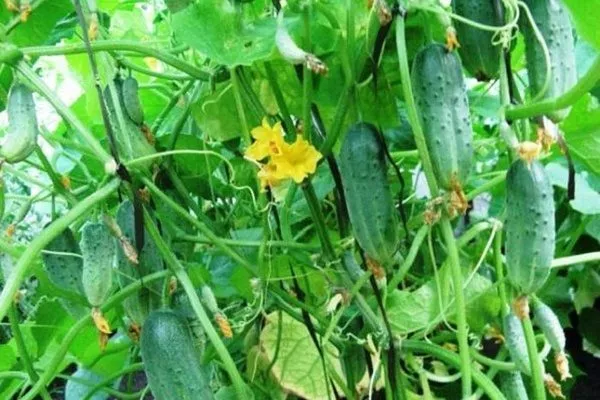
The hybrid was created by Russian breeders from the Manul Breeding and Seed Company. A. V. Borisov, O. N. Krylov, T. I. Krylova, and E. A. Orekhova participated in the cucumber crossbreeding experiments. Official permission to use the crop was received in 2003.
Description of the Muravei cucumber variety
Gardeners value the ant plant for its low maintenance and ease of cultivation. Some people grow the hybrid on windowsills, allowing them to enjoy fresh vegetables year-round.
Characteristics of the shrub and fruits
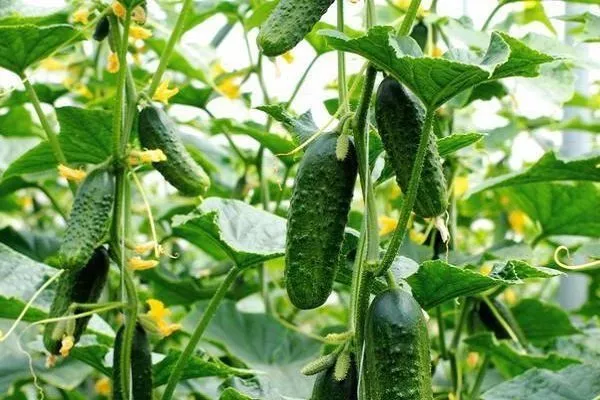
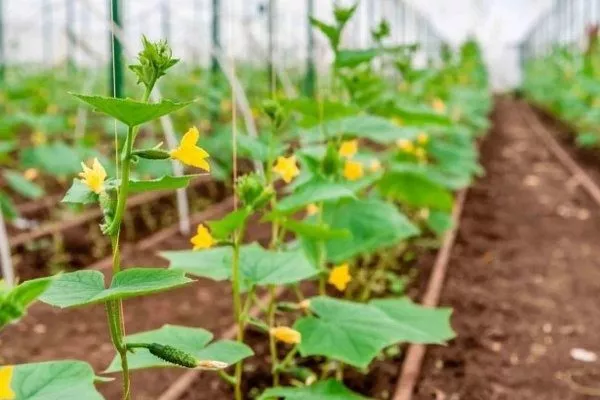
Medium-sized plants of the indeterminate hybrid are covered with green, slightly wrinkled leaves of medium size, with slightly wavy edges, light pubescence and small cuts into 5 lobes.
Fruit characteristics:
- Form - oval.
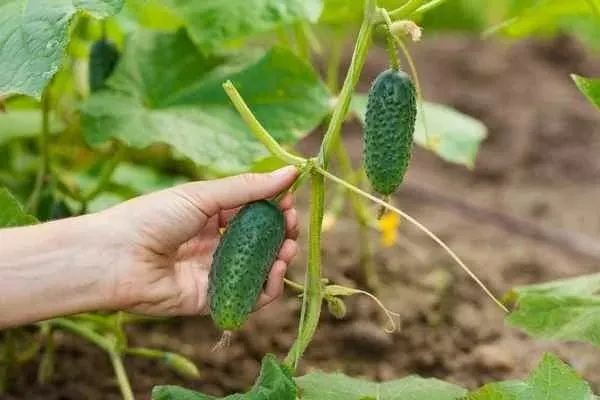
- Length - 8-11 cm.
- Diameter – 3-3.4 cm.
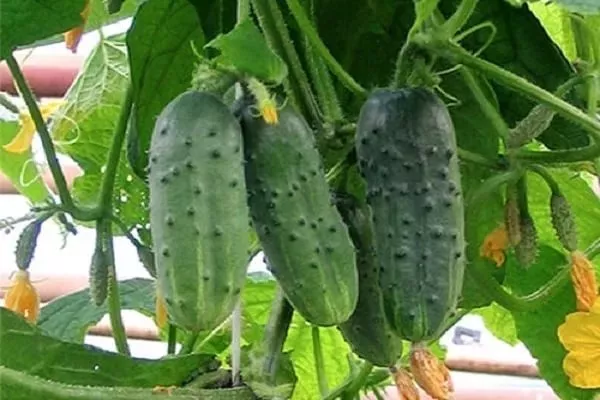
They are green in color with blurred, muted stripes. The surface has a characteristic ribbing and large tubercles with white spines that are not too densely spaced. The plant blooms predominantly with female yellow flowers. Fruiting is clustered, with each cluster producing 3 to 7 ovaries.
Productivity and fruiting
The vegetables ripen 1-1.5 months after fruit set. When grown outdoors, the crop can produce fruit even during mild cold spells. Yields range from 10-12 kg per square meter.
Plants really dislike shade. If they don't get enough sunlight, ovaries won't form. This is the main factor affecting the hybrid's yield. With sufficient natural light and nutrients, you'll harvest regularly.
Scope of application
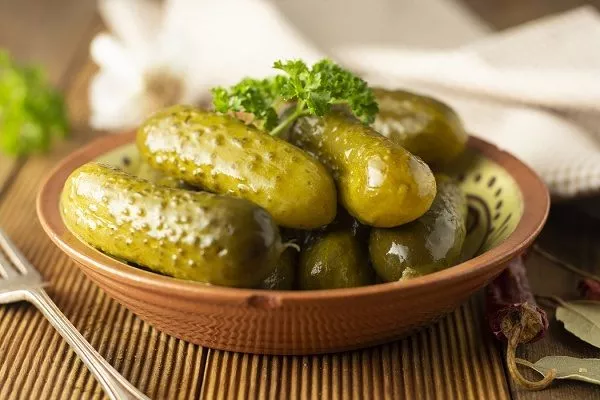
Muravey F1 is a versatile variety, suitable for both fresh consumption and home-preserved preparations. Its small size and regular shape make it popular among home cooks for canning. Its flavor remains excellent both fresh and canned.
Taste qualities
After heat treatment, cucumbers retain their flavor, don't develop voids, and retain their firmness and excellent crunch. The juicy flesh has a refreshing, slightly sweet, and pleasant taste with no trace of bitterness.
Resistance to diseases and pests
The hybrid has genetic resistance to major diseases. The main ones are:
- powdery mildew;
- olive spot;
- common cucumber mosaic;
- brown spot;
- downy mildew.
These qualities make the variety particularly valuable for small farmers who cannot afford significant crop losses due to disease and are looking to reduce costs. Avoiding the need for chemicals to combat diseases provides a significant competitive advantage.
Advantages and disadvantages of the variety
Before growing cucumbers, it's important to understand the crop's pros and cons. The hybrid has many advantages:
Some gardeners note a serious drawback: it's impossible to obtain seeds for home propagation. Even if the flowers are successfully pollinated, the second generation of cucumbers will lose their commercial and flavor qualities.
Planting and care rules
Growing the crop is not difficult, and even a beginner can handle it, but it's important to follow certain recommendations. With proper care, you'll be able to reap bountiful harvests and strengthen your plants' immune systems.
Planting seedlings
Start preparing seedlings at the end of April. Make your own seed nutrient mixture or buy a ready-made one at the store.
Follow the recommendations:
- Soak the seeds for several hours before planting. Disinfection is not required, as the planting material is already disinfected or does not carry infectious microorganisms to begin with.
- Any plant doesn't tolerate bare-root transplantation well, but cucumbers have large seeds, so transplanting them individually isn't difficult. To ensure good seedling establishment, use small containers filled with soil and planting 1-2 seeds per container.
Growing cucumbers without seedlings
When planting directly into the ground, sow the seeds immediately, ensuring there are no more than 5 mature plants per square meter. The minimum norm is 3 bushes per square meter, so even if some vines die, there will be no yield loss.
At first, cover the beds with plastic to protect them from night frosts and soil drying out. When planting directly into open ground, the harvest will begin later than when planting seedlings, as the seeds can't be sown until the soil has warmed up.
Aftercare of cucumbers
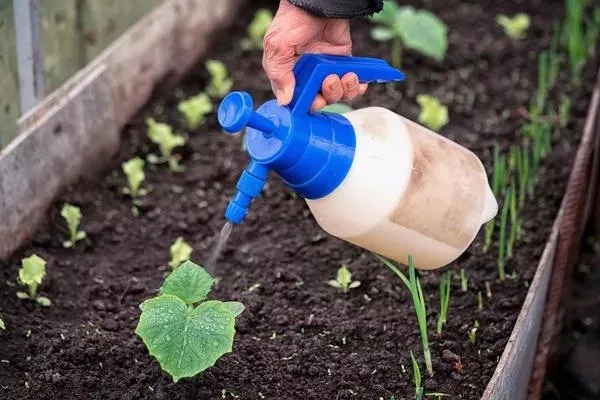
The plant requires regular watering. Water the seedlings every 4-6 days. During the fruiting period, increase the frequency to every two days. Water in the evening, after sunset.
Fertilize seedlings after the third true leaf appears, using nitrogen fertilizers. During the fruiting period, apply potassium-phosphorus fertilizers. For prevention, fertilize the bushes with wood ash, which will protect against pests and provide the plants with essential nutrients.
Bush formation
Ant has the ability to avoid producing long side shoots. The main stem continues to grow even after the first cluster of flowers appears. Pinching is not necessary, but it is important to allow the main stem to grow freely in length.
The plant won't form cucumber ovaries in shaded areas, so carefully straighten it out using staking. A good option is to train the cucumber vine along the greenhouse ceiling.
Diseases and parasites
The hybrid is characterized by good resistance to fungal infections, but in some cases can be susceptible to powdery mildew. To treat this, treat the bushes with copper-containing preparations.
Among the insects that can attack seedlings are aphids and leaf rollers. To control these pests, use specialized chemicals.
Harvesting and storage
Harvest the vegetables when they reach 8-11 cm in length and are dark green. Do this regularly, every 2-3 days, to stimulate the formation of new ovaries and prolong the fruiting period. Do not allow the fruits to become overgrown, as this can negatively impact their taste and appearance.
Helpful tips:
- Pick the vegetables carefully to avoid damaging the main stem and other fruits. Use scissors or pruning shears to cut the fruit from the stem.
- Do not pull or twist cucumbers, as this may damage the plant and reduce yield.
- The optimal temperature for storing vegetables is 7-10°C. Under these conditions, they will stay fresh for 1-2 weeks.
- Storage humidity should be high, around 85-90%, to prevent the fruit from drying out. Store the harvest in plastic bags or ventilated containers.
- Avoid storing cucumbers in cold temperatures as they may become soft and lose their crisp flavor.
You can freeze peeled and sliced cucumbers, but they will lose their texture and crispness after defrosting. Freeze them in airtight containers or bags.
Reviews
The Muravey cucumber is one of the most popular and sought-after varieties among gardeners and farmers. This hybrid is noteworthy for its versatility, high yield, and excellent taste. It combines the best characteristics for growing in both greenhouses and open ground. The key is proper care and a little attention.