
The Murashka cucumber is a hybrid that combines numerous advantages, making it an ideal choice for a variety of growing conditions. With its early ripening, high yield, and excellent taste, it deserves a place in the gardens and greenhouses of many vegetable growers. With proper care, it will produce an increased number of cucumbers.
Introduction to the variety
Cucumbers are a vegetable that every gardener grows in their own garden. These tasty and juicy fruits are loved by both adults and children. Given their popularity, breeders are constantly working to create new varieties. One such variety is "Murashka."
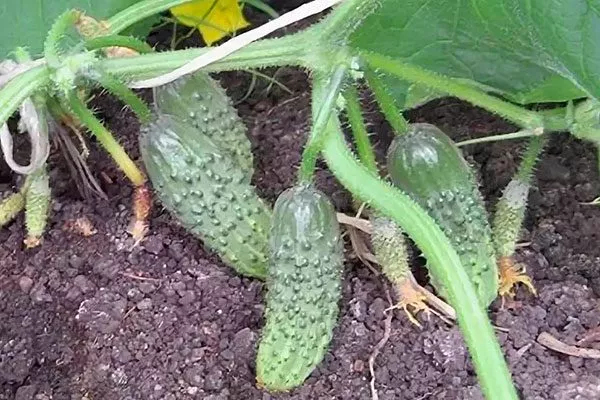
Who developed the variety and when?
It was developed by domestic specialists at the Gavrish agricultural firm. It received official recognition in 2003, although work on creating the new hybrid began in the late 1990s. Initially, the hybrid required special, meticulous care, but this drawback was subsequently corrected.
Characteristic features of the appearance of the plant and fruits
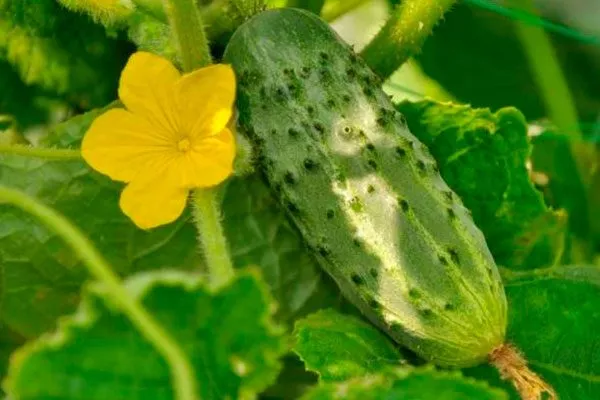
A vigorous bush with an indeterminate growth habit and medium branching. Its vines are covered with medium-sized, rich green leaves with a smooth, even surface and irregularly serrated edges.
Detailed description:
- The flowers are female, with a maximum of three per node. Four to six cucumbers form in a single cluster, and lateral shoot growth is limited.
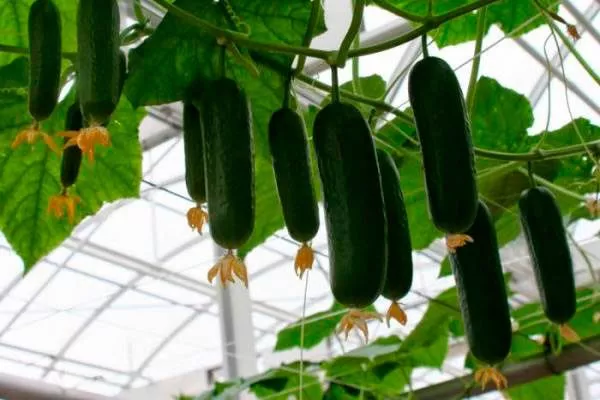
- The bushes grow throughout their life and can reach a height of 2.5-3 m. To prevent excessive growth, pinch the vines regularly.
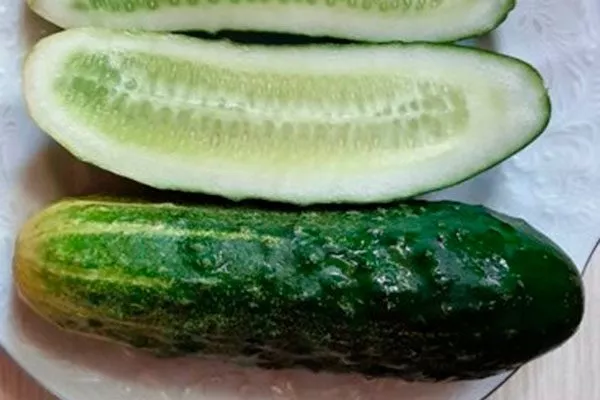
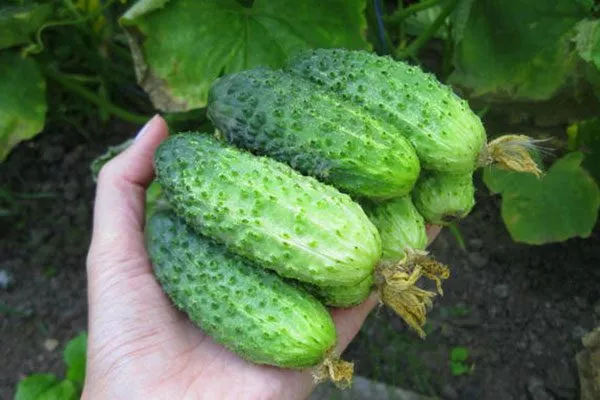
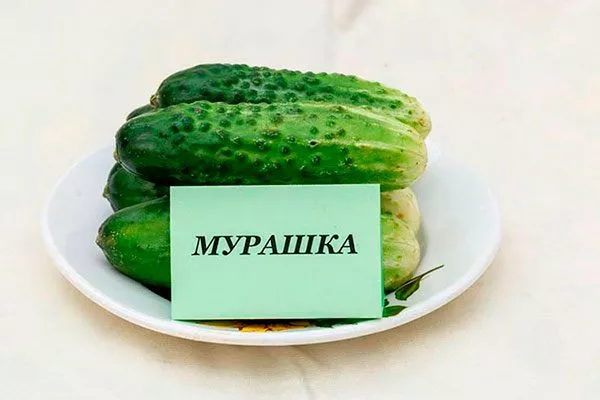
- The fruits are short, 11 to 13 cm long, 3.5-4 cm in diameter and weighing about 90-100 g on average. They have a regular cylindrical shape and dark green skin with stripes visible along 1/2-1/3 of the length.
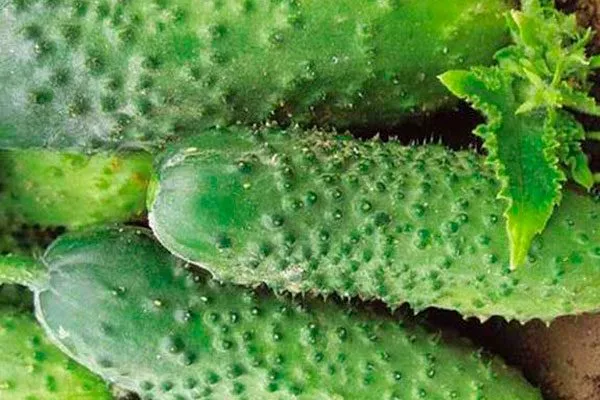
The surface is covered with small tubercles and tiny black spines. The flesh is medium-dense, with a small number of small seeds.
Purpose and taste of fruits
All gardeners familiar with this variety have noted its excellent taste. The cucumbers are completely free of bitterness, making them ideal for pickling and preserving. Murashka cucumbers are versatile: they can be eaten fresh, preserved, and marinated.
Maturation
This is an early-ripening variety. It takes 43 to 46 days from germination for the fruit to reach full maturity. In some regions, the cucumbers reach technical maturity in as little as 35 to 37 days.
Productivity
The average yield ranges from 10.3 to 12 kg per square meter. Experienced gardeners report that maximum yields can be achieved when grown indoors, while the yield is somewhat lower outdoors. With proper agricultural practices, vegetables can be harvested until early autumn, and in greenhouses, until the end of September.
Composition and properties
Murashka cucumber is 95% structured water, making it an excellent thirst quencher. The remaining 5-7% contains beneficial minerals and vitamins such as A, B1, B2, C, E, H, and PP. It contains:
- starch;
- fructose;
- glucose;
- calcium;
- carotene;
- potassium;
- phosphorus;
- sodium;
- magnesium;
- iodine;
- ascorbic, caffeic and folic acids.
The caloric content is 15 kcal per 100 grams of product.
Beneficial properties:
- They promote hydration, which is especially important in hot weather, and have a mild diuretic effect, helping to remove toxins and cleanse the kidneys.
- Cucumbers are widely used in cosmetology for their moisturizing and soothing properties. Cucumber-based masks and lotions help reduce inflammation, refresh, and tone the skin. Cucumber juice helps lighten age spots and improve the overall condition of the skin.
- Low-calorie fruits are an excellent choice for those watching their weight. They're very filling.
- They contain antioxidants that help protect cells from damage caused by free radicals. This reduces the risk of chronic diseases and slows the aging process.
Potassium, found in cucumbers, plays a key role in maintaining cardiovascular health. It helps regulate blood pressure and reduces the risk of hypertension. Vegetables also improve the overall health of blood vessels and the heart.
How to grow cucumbers yourself?
Growing this crop isn't difficult, and even a novice can handle it. It's important to follow the advice of experienced gardeners.
- ✓ The optimal soil temperature for sowing Murashka cucumber seeds should not be below +15°C.
- ✓ To prevent root system diseases, it is necessary to ensure good soil drainage.
Seedling method
Growing seedlings requires attention to every step of the process, from seed preparation to transplanting plants into the ground or greenhouse. Here's a step-by-step guide:
- Choose high-quality seeds from trusted producers, paying attention to the variety and expiration date.
- Place the planting material in a weak solution of potassium permanganate (1%) for 20-30 minutes to prevent diseases.
- Soak the seeds in warm water (about 25-30°C) for 12-24 hours to speed up germination. Change the water every 4-6 hours.
- Use a nutritious seedling substrate consisting of equal parts humus, turf, and peat. Add a little sand and wood ash to improve the soil structure.
- Use separate cups or trays for seedlings. This will help prevent root damage during transplanting.
- Fill the containers with soil and make small holes (1-2 cm). Place 1-2 seeds in each hole, cover with soil, and compact lightly.
- Moisten the crops with warm water from a spray bottle to avoid washing away the soil.
- Until seedlings appear, keep the containers at a temperature of +25-28°C, then reduce the temperature to +20-22°C during the day and +16-18°C at night.
- Provide seedlings with good lighting, at least 12-14 hours a day. If natural light is insufficient, use grow lights.
- Water moderately, keeping the soil moist but not waterlogged.
- Apply the first fertilizer two weeks after germination, using a weak solution of complex fertilizer (e.g., 1 g of nitroammophoska per 1 liter of water). Repeat the procedure after 10-14 days.
- Seven to ten days before planting, begin hardening off the seedlings. Lower the room temperature, open windows, and gradually move the plants outside onto the balcony or balcony. Start with 1-2 hours on the first day, gradually increasing the time spent outdoors to the entire day.
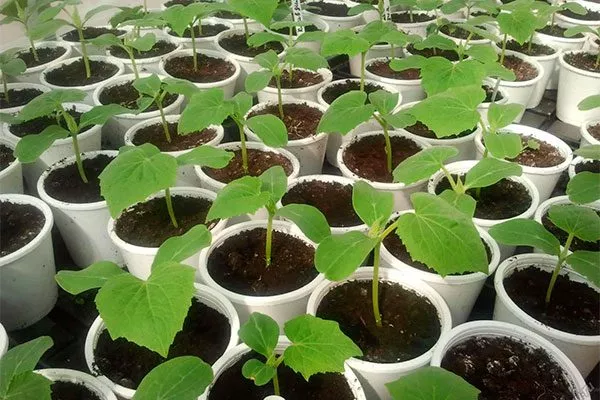
Transplant seedlings into the ground when the danger of frost has passed and warm weather sets in. In temperate climates, this is late May to early June. In a greenhouse, transplant earlier, depending on conditions.
Seedless method
Growing by sowing seeds directly into open ground has its advantages and peculiarities. Choose a sunny location with fertile, well-drained soil. In the fall, dig the soil to a depth of 25-30 cm and add organic fertilizer (humus or compost) at a rate of 5-7 kg per square meter.

Make furrows or holes 2-3 cm deep. The distance between rows should be 70-90 cm, and between holes within a row, 20-30 cm. Place 2-3 seeds in each hole. If the seedlings are too dense, thin them out later (when they reach a height of 5-7 cm). Cover the seeds with soil, compact lightly, and water with warm water.
Growing and care
Hybrid vegetables grow primarily at night, so water them at this time. Approximately 20 liters of water are needed per square meter of garden bed. Avoid getting the plants wet during flowering, and after watering, loosen the soil to ensure oxygen reaches the roots.
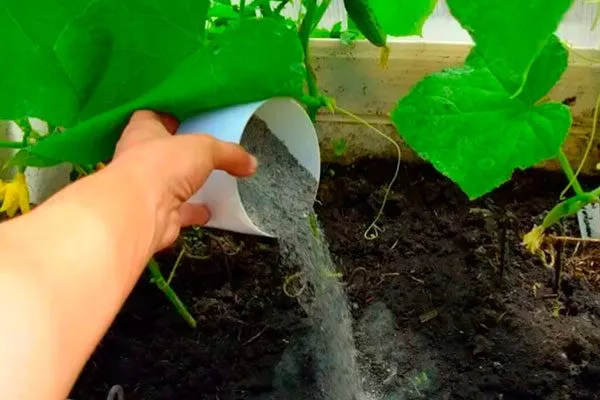
Fertilize plants three times:
- IN fruit setting phase. Use mullein in a solution with Superphosphate.
- Pbefore the beginning of fruiting. Use wood ash.
- As the vegetables grow. Apply phosphorus-potassium fertilizers.
Once the bushes have rooted and begun to grow, tie them to a support. Remove four true leaves from the lower part (blinding). When the vine reaches 0.5-1 m, pinch off the side stems, leaving only one ovary and its accompanying leaf.
When the seventh leaf appears (at a height of 1-1.5 m from the soil surface), pinch off the side shoots after 2-3 sets of leaves have formed. Finally, pinch off the top of the plant, which encourages active development of side shoots and increases yield.
Possible difficulties
Cucumbers prefer fertile, well-drained sites. Clay or excessively sandy soils can be problematic. Insufficient or excessive moisture can lead to various problems, including root rot and reduced fruit quality.
The crop requires regular fertilizing. Nutrient deficiencies can slow growth and reduce yields. Planting too densely can promote disease development due to poor ventilation.
Diseases and pests
The ant is a rather capricious plant, requiring regular preventative care to prevent disease. Protect against diseases with both chemicals and folk remedies:
- Powdery mildew. Use Quadris, Jet or Topaz.
- Anthracnose. Use Bordeaux mixture or Quadris.
- Mosaic. The drugs Actellic or Actara are effective.
- White/green speckled mosaic. Spray the bushes with skim milk.
- Downy mildew. Treat plants with Cuproxat or Ridomil Gold.
- Cladosporiosis. When the first signs appear, apply copper oxychloride.
- Root/white rot. For prevention, use Fitosporin-M.
- Aphids and spider mitesSpray the bushes with a soap solution (400 g and 200 g of grated laundry soap per 10 liters of water).
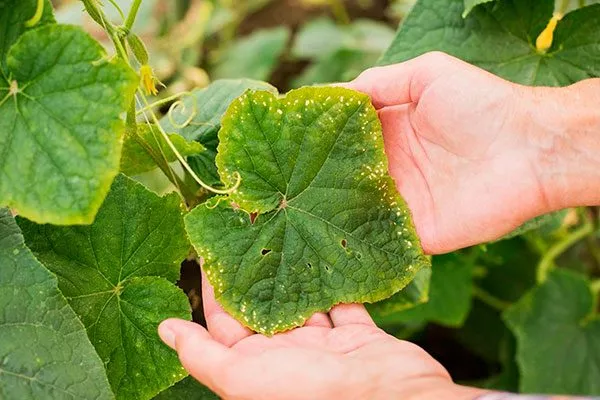
- ✓ High resistance to powdery mildew and other common cucumber diseases.
- ✓ Self-pollinating ability, making the variety ideal for growing in greenhouses.
Disease prevention is always better than cure. Following these recommendations will help you grow high-quality vegetables.
Harvesting and storage
Since Murashka is an early-ripening hybrid, it yields a bountiful harvest throughout the season. If planted in May, you'll get your first fruits by mid- to late June. If grown outdoors, you can harvest the greens by the end of August, and if grown in a greenhouse, by mid-September.
Advantages and disadvantages
Before planting a crop, be sure to research its pros and cons. This variety has many advantages:
Reviews
The Murashka cucumber is one of the most sought-after hybrids. It has gained popularity due to its early maturity, high yield, and versatility. It is an excellent choice for both experienced gardeners and novice gardeners. It is important to provide the crop with timely care to fully appreciate its qualities.