
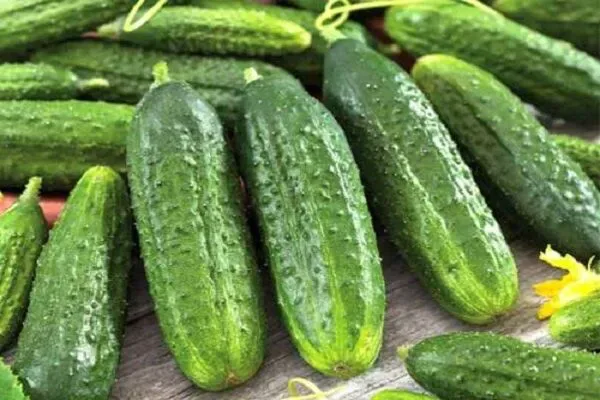
The Monastyrsky cucumber is a worthy representative of universal varieties. It can be grown in gardens and is also ideal for industrial production. This variety has proven itself among both farmers and ordinary gardeners; it is productive, hardy, and characterized by excellent flavor.
History of creation and regions of cultivation
The Monastirsky variety was added to the State Register and approved for cultivation in 2008. It is recommended for virtually all regions of the country, including the Northern, Ural, West and East Siberian, and Far Eastern regions, as well as the Western, Central, Volga-Vyatka, Central Black Earth, North Caucasian, Middle, and Lower Volga regions.
Description of the Monastyrsky variety
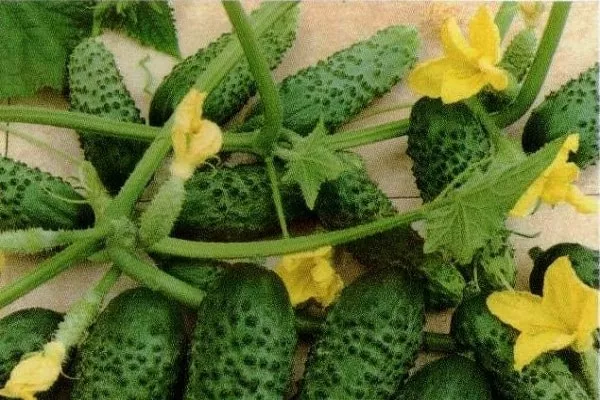
This variety is indeterminate, so its growth is unlimited. The bushes are low, with a single stem of medium thickness and virtually no lateral shoots. The foliage is good, with large, five-lobed, dark green leaves. The flowers are predominantly female, with 2-4 blooming per node.
- ✓ High resistance to temperature changes, which is rare for non-hybrid varieties.
- ✓ The ability to self-pollinate in the absence of bees, which increases yields in closed soils.
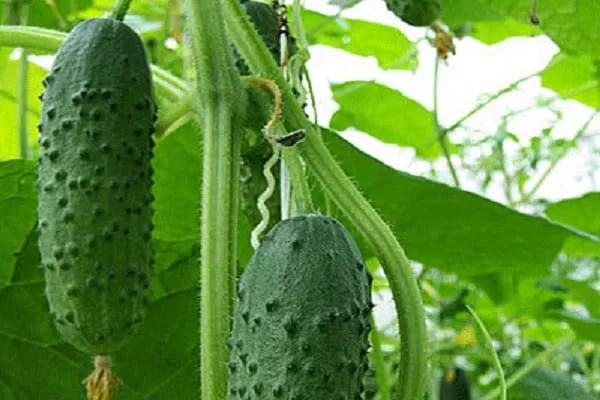
The fruits are cylindrical, 6-10 cm long and 3 cm in diameter. They weigh 90-100 g. The surface is finely bumpy and the color is dark green. The color is uneven. The spines are black. Fruiting is solitary, not clustered.
Taste and purpose of fruits
This versatile variety can be eaten fresh. They make excellent salads, and Monastic cucumbers are also suitable for pickling and canning. The flesh is firm, juicy, and crunchy, with a pleasant, refreshing, and balanced flavor, with a hint of sweetness.
Productivity and other characteristics
The Monastyrsky cucumber is bee-pollinated and has a mid-early ripening period. It takes 41 to 45 days from germination. The average yield is 3 kg per square meter. This variety can be grown both in open ground and under plastic cover.
Pros and cons
The Monastyrsky variety is popular among gardeners, both fresh and canned, for good reason. This cucumber has numerous advantages and few drawbacks, and for a true gardener, these are more of a growing nuance than a serious drawback.
Planting Monastery cucumbers with seeds and seedlings
The Monastyrsky variety is grown from seedlings or directly from the ground. The former yields an earlier harvest. Sowing and planting times depend on regional climate conditions.
- ✓ The soil pH level should be strictly within 6.0-6.8 for optimal nutrient absorption.
- ✓ The depth of the fertile layer is at least 30 cm for the development of the root system.
Features of planting cucumbers Monastyrsky:
- In the south, cucumbers are sown in April, in the central zone in May, with the timing shifting as we move north. When choosing a planting time, consider the soil temperature, which should reach 16°C.
- Choose a level, sunny site protected from drafts for planting. The soil should be fertile, loose, and neutral in pH.
- Cucumbers grow best after tomatoes, potatoes, onions, cabbage, and peppers. Melons are poor predecessors.
- The seeds are treated in a weak solution of potassium permanganate, then kept in a growth stimulator, hardened and germinated.
- The soil in the plot is prepared in the fall by adding compost and rotted manure, and the beds are formed in the spring. Furrows or holes are dug for planting. Cucumbers are sown so that 3 to 5 plants grow per square meter.
Seedlings are sown 25-30 days before planting in the ground. It's best to sow the seeds in peat pots, as this way the seedlings won't need to be removed from their original containers; they'll quickly adapt and root in their new location. Keep the seedlings in a well-lit area. Once the seedlings emerge, the room temperature is lowered slightly to 18–20°C.
Care Features
To obtain a bountiful harvest from the Monastyrsky variety, specific care is necessary. It's important to carry out all maintenance on a timely and regular basis.
How to care for the Monastyrsky variety:
- Cucumbers require a lot of water, but the amount and frequency of watering largely depend on the growing season. Before fruit set, 4 liters of water per plant is sufficient; during the fruiting stage, the amount increases to 6 liters.
- Plants need oxygen, so after watering, the soil is loosened to ensure its access to the roots. Weeds are removed simultaneously with loosening. When loosening the soil, it's important to be careful not to damage the surface roots.
- The plant requires shaping. It is recommended to prune the lower side shoots. The central stem is left intact, as this is where the cucumbers will form.
- Cucumbers are fertilized three to four times per season. Nutritional deficiencies lead to reduced yields, disease, and deformed fruit. A mineral mixture containing nitrogen, potassium, and magnesium is added to the plants once during the growing season. Cucumbers are also fed with an infusion of onion skins, diluted whey, and diluted chicken manure.

Diseases and pests
Although not a hybrid, the Monastyrsky cucumber is quite resistant to the main diseases of this crop. However, it's important to carry out preventative treatments in a timely manner. Both chemicals and folk remedies can be used.
What to spray cucumbers with:
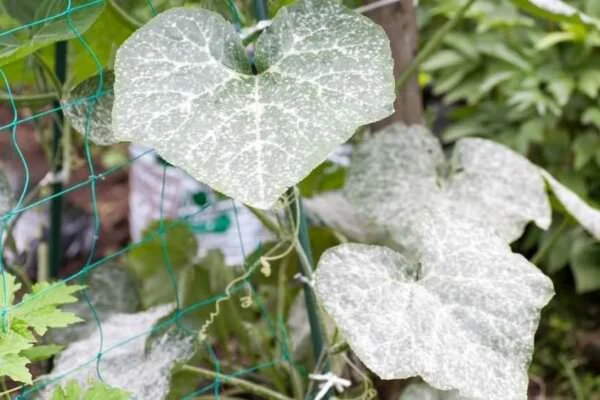
- Low temperatures and excess nitrogen increase the risk of powdery mildew. Foliar treatments with a solution of iodine, soap, and milk can help prevent it.
- To prevent cucumbers from becoming infected with downy mildew, they are sprayed with fermented milk products.
- White rot develops in high humidity. Watering with diluted urea (10 g per 10 liters of water) can reduce the risk.
The most dangerous insects for the Monastyrsky cucumber are aphids, whiteflies, spider mites, and slugs. When these appear, the cucumber beds are sprayed with insecticides. Crushed eggshells also help against slugs.
Harvesting
Cucumbers are harvested every 2-3 days. It's important to pick the fruits promptly to prevent them from becoming overgrown. Store the harvested cucumbers in a cool place, such as the bottom drawer of the refrigerator. Here, they can retain their freshness, flavor, and shelf life for up to 2 weeks.
Reviews
The Monastyrsky cucumber has all the characteristics of a remarkable variety and is truly versatile. By planting it in your garden, you'll achieve several goals at once: you'll have a supply of fresh cucumbers, make plenty of winter preserves, and even be able to sell some of your harvest at market.