
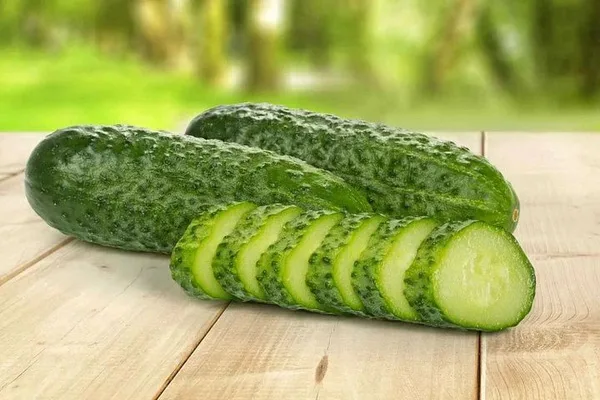
The Molodets cucumber variety is an early-ripening hybrid characterized by generous yields and suitability for both outdoor and indoor cultivation. This variety is a female-flowering variety. In climates with cool, unpredictable weather conditions, the plants thrive and do not die.
Introduction to the variety
Molodets is a relatively young hybridized parthenocarpic variety. It is cultivated throughout the country, including even in the Far Eastern Federal District. It exhibits resistance to the main pumpkin diseases and easily tolerates adverse weather conditions.
History of origin
Breeding work on developing this hybrid was carried out by specialists V. A. Erdyakov, V. M. Motov, and N. K. Biryukova. This cucumber variety was officially approved for agricultural use in 2007.
Characteristic features of the appearance of the plant and cucumbers
This hybrid features a female flowering pattern, ensuring a dense and abundant harvest. Each nodal joint produces at least two to three ovaries, resulting in numerous crisp, delicious cucumbers.
Other varietal characteristics:
- The bush has moderate branching and medium density of weaving, which makes it convenient for shaping and tying.
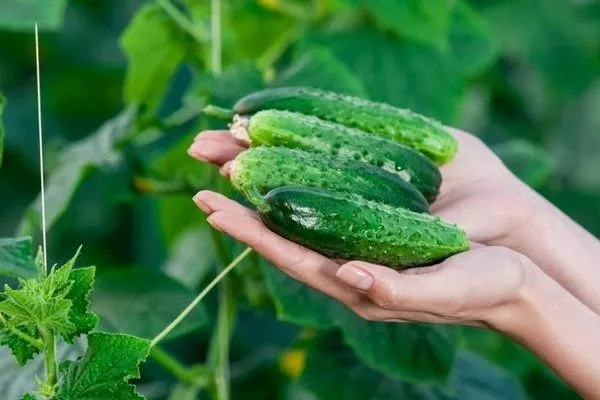
- Cucumber fruits are cylindrical in shape and vary in length from 10 to 13.5 cm, in width from 30 to 37 mm, and in weight from 80 to 120 g or a little more.
- The color of cucumber peel ranges from classic green to dark with bright yellowish stripes.
- The skin is firm but not rough and tough, covered with tubercles and dark spines. Tubercles are arranged in a medium-density pattern.
Taste and purpose
This cucumber variety is distinguished by its crisp texture and sweet flavor, without any bitterness. This makes it a favorite among chefs and housewives. Fresh cucumbers make delicious salads, and their canned counterparts are also popular.
The fruits are sought after by consumers for their excellent taste and medicinal properties. Their content of vitamins C, K, E, and B vitamins, as well as important microelements including iron, copper, chromium, zinc, and selenium, makes them a valuable source of nutrients.
The silicon found in cucumbers promotes collagen production, which has a positive effect on the quality of hair, skin, and nails. Furthermore, cucumbers help regulate metabolism, lower blood pressure, improve digestion, and remove harmful cholesterol from the body.
When ripe, the yield
Fruiting begins 35-41 days after sowing. The hybrid is parthenocarpic, meaning it can produce seedless fruit without pollination.
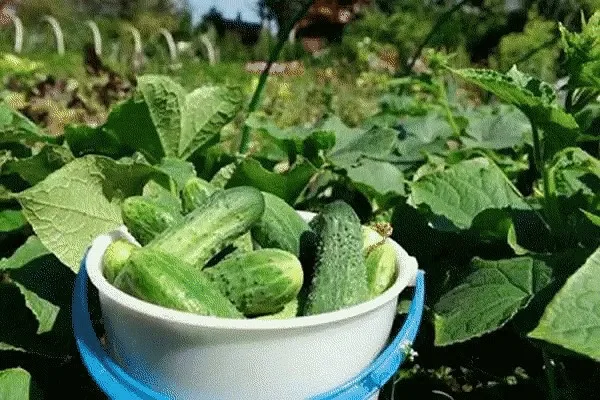
Under favorable cultivation conditions, the yield of this cucumber variety is particularly high. An average of 12 to 14 kg of freshly picked cucumbers can be harvested from one square meter of greenhouse throughout the season. When grown in open beds, the yield is much lower – only 4-4.2 kg, and under plastic, approximately 13 kg.
Resistance to diseases and pests
Molodets has good resistance to the most common diseases, including cucumber mosaic, root rot, and powdery mildew. However, there are also some common problems that require correction:
- Peronosporosis – An infection that can be transmitted through seeds or can develop due to high humidity and sudden temperature fluctuations. This disease causes leaves to become covered with yellowish spots, and a purple-lilac bloom can be seen on the underside.
To preserve the harvest, treat the plants with Bordeaux mixture or copper-containing fungicides such as HOM or Kurzat. - Ascochytosis - This is a fungal disease transmitted to cucumbers through soil or airborne dust. Grayish spots appear on the stems and leaves.
In case of damage, spray with copper sulfate or Bordeaux mixture with the addition of urea. - Fusarium wilt – Leaves become dull and plants weakened. The infection spreads through root suckers due to the use of low-quality planting material or contaminated soil.
For treatment, use the following medications: Fitosporin-M, Bakterra, Previkur Energy, Sporobacterin.
Positive and negative qualities
Growing and care
The process from sowing seeds to transplanting seedlings takes from three weeks to a month. Given that cucumbers thrive in warmth, the greenhouse temperature for cucumber seedlings should be at least 15-18 degrees Celsius (59-65 degrees Fahrenheit). Short-term overnight drops to 10-13 degrees Celsius (50-55 degrees Fahrenheit) are acceptable.
- ✓ Optimum soil temperature for seed germination: +23-24°C.
- ✓ Required air humidity in the greenhouse: 75-85%.
For greenhouses that are not heated, the following sowing schedule is recommended:
- Middle zone – from April 20 to May 10;
- Siberia and the Urals – from May 21;
- Southern regions – from April 10.
When choosing the sowing time for greenhouse cucumbers, keep in mind that if you've prepared the insulated beds in advance, sowing can begin as early as the end of March. Before sowing, the seeds need to be germinated. To ensure rapid germination, follow this schedule:
- First, sort out the planting material;
- After rejection, disinfect with a manganese solution;
- Place in a cloth, then moisten and place in a warm room for a couple of days (the grains should be stored at a temperature of +23-24 degrees).
Further actions include the following:
- Harden it off. To do this, take it outside for a few minutes at first, then increase the time by an hour each day.
- Replant when the bushes have formed 3-5 leaves and the height reaches 20-24 cm.
- One day before the transfer, moisturize with water containing Epin to increase your defenses against negative influences.
- Prepare the beds thoroughly. Dig over the soil. Add any organic matter. Use peat as a primary fertilizer, which should be dissolved in a lime solution due to its acidity.
The ideal pH for most crops is 6.2-6.8. Additionally, add compost or similar to the soil. To improve aeration, add sawdust, leaves, and sand to the soil mixture. - During the first ten days after planting, water moderately and around the roots. Water every three days.
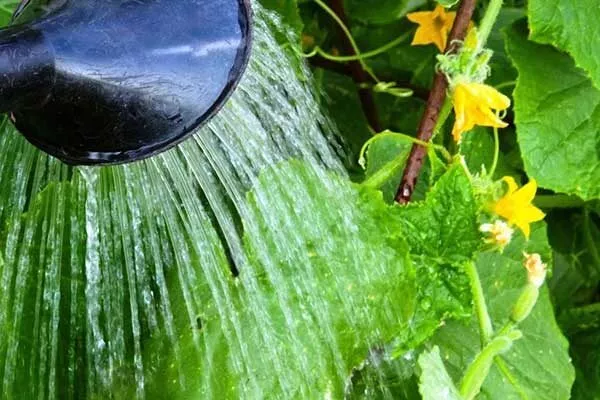
Fertilizer application should begin 20-25 days after planting. Fertilize with a solution of manure or urea every 10 days, combined with watering.
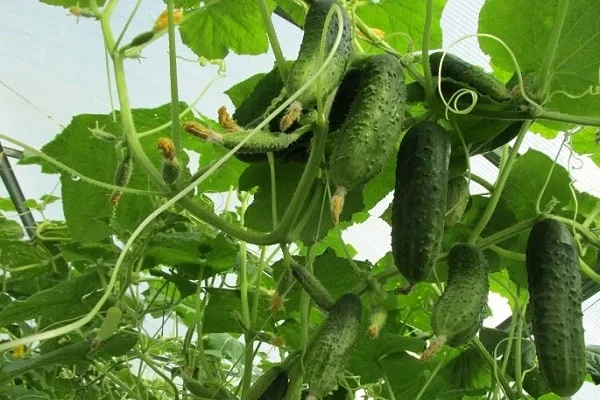
Hybrids can be grown either by tying them to a trellis or net, or using a trellis-like method. The former saves space and creates an impressive green landscape.
Reviews
The Molodets variety is a hybrid distinguished by its unique characteristics and aromatic qualities. It requires little care, boasts positive disease resistance, and produces cucumbers without the need for pollination. With proper planting and care, you can expect a bountiful harvest of fresh and crisp cucumbers.