
Mini-Mini attracts gardeners with its compact size, strong immunity, and good productivity. Even when transported over long distances, the cucumbers are not subject to mechanical damage and retain their flavor, making them suitable for large-scale cultivation. With proper care, yields can be significantly increased.
Introduction to the variety
This is a parthenocarpic variety, meaning it can produce fruit without the need for pollination. It's popular among gardeners in our country because even a novice can grow it.
Who brought it out?
This hybrid was developed by Russian breeders at the Gavrish agricultural firm. Unlike other varieties, Mini-Mini is known for its abundant and regular fruiting, with ovaries forming on the vines.
Characteristics of the appearance of the plant and cucumbers
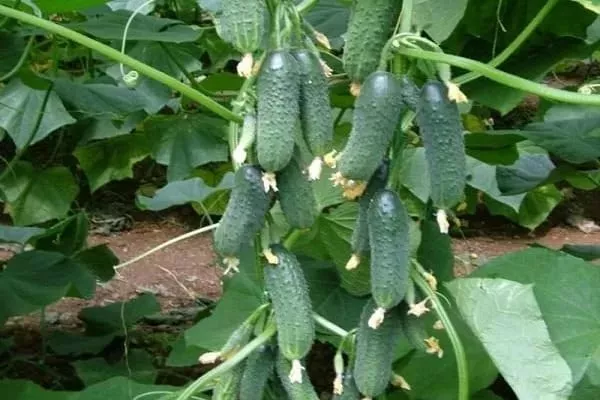
The bushes are compact, making them ideal for growing in confined spaces. Branching is moderate. The leaves are medium-sized, dark green, and have a distinctive texture. They don't create dense shade, allowing for good ventilation and light for the fruit.
The main stem is strong and stable, providing support for the lateral shoots. Flowers are predominantly female, which contributes to high yields. The root system is well developed, providing the plant with sufficient nutrition and stability.
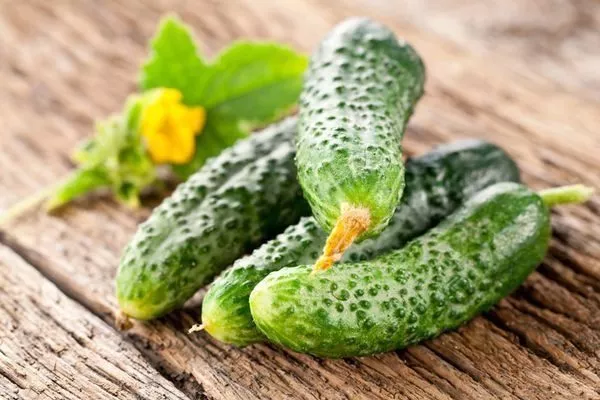
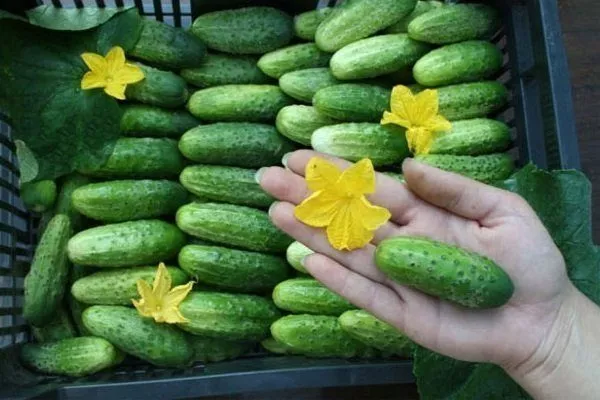
Cucumbers are cylindrical in shape and reach a length of 10 to 14 cm. Each fruit weighs between 110 and 130 g. The surface is finely tuberculated, with white spines. The skin is green.
Taste and purpose
These vegetables are ideal for pickling and preserving. They are ideal for marinades and pickles. The fruits are characterized by a sweet taste without bitterness, and the crisp flesh makes this variety especially enjoyable to eat.
When ripe, the yield
It ripens quickly: from germination to fruiting, it takes about 40-45 days. Fruit forms evenly throughout the bush, ensuring a bountiful harvest.
Resistance to diseases and pests
The crop is resistant to a number of diseases and pests. It is rarely susceptible to powdery mildew, olive spot, and root rot, reducing the need for frequent use of chemical pesticides.
Advantages and disadvantages
Before planting, it's important to examine the pros and cons to avoid potential problems. The Mini-Mini has many advantages:
The downside is that there is no way to collect seeds for planting next season, which means you have to purchase planting material every year.
Landing features
This hybrid is known for its high yield, but the length of fruiting and the final result depend on the chosen site and the correct planting method. To avoid cultivation errors, it's important to follow certain recommendations.
Planting dates
Cucumbers can be sown directly into the ground once stable warm weather sets in. In most regions, this occurs in late May or early June, when the average daily temperature reaches 15-18°C and the soil at a depth of 10 cm warms to 12-14°C.
Site preparation
Choose a sunny, well-lit area protected from strong winds and drafts. A south-facing garden site is ideal, as it will provide the plants with adequate sunlight.
Grow cucumbers after crops such as peppers, cabbage, tomatoes, or potatoes. Avoid planting cucumbers where zucchini, eggplant, or pumpkins were previously grown, as they can harbor common diseases and pests.
Follow these recommendations:
- In the fall, carefully dig up the garden bed, remove weeds and remains of previous plants.
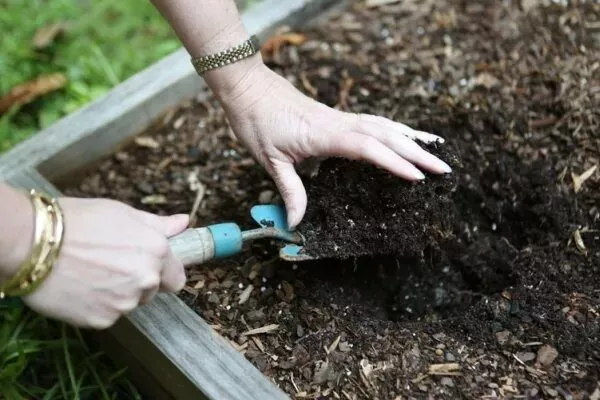
- Add organic fertilizers such as manure or compost. They will improve the soil structure and enrich it with nutrients.
- In spring, loosen the soil slightly to make it more airy.
- Prepare the soil by adding fertilizers containing potassium and phosphorus. These elements promote healthy plant growth and improve disease resistance.
Remove all unwanted bushes and remaining weeds to prepare the bed for planting.
Planting seeds
Pre-treat and harden the seeds. Follow these guidelines:
- Place the planting material in a 1% potassium permanganate solution for 30 minutes to disinfect it. This will prevent potential diseases and improve the health of the seeds.
- To harden the seeds, immerse them in hot water (50°C) for 3 minutes, then immediately transfer them to cold water (10°C) for 3 minutes. This process promotes better germination.
- After processing, let the seeds dry a little.
- Sow the seeds in holes up to 3 cm deep.
Cover the holes with soil, water with warm water and cover with film to create a greenhouse effect.
Planting seedlings
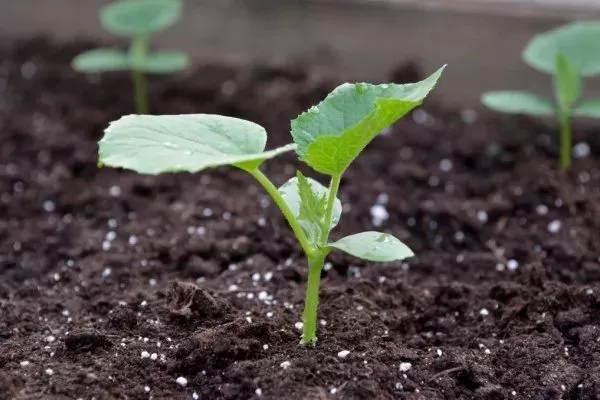
Transplant the seedlings into open ground when the plants have 5 full leaves and the soil has warmed up to a temperature of at least +15°C.
Before transplanting, water the seedlings to make it easier to remove them from their containers. Make holes up to 6 cm deep (to the bottom leaf). Place the seedlings in the holes and carefully cover the roots with soil. Moisten thoroughly with warm water.
Planting diagram
Plant seeds according to a spacing plan that includes 60 cm between plants and 15 cm between rows. This will not only ensure easy access to the plants but also simplify farming and harvesting.
Care
Despite their low maintenance, Mini-Mini cucumbers require standard agricultural practices. All the basic care procedures are described below.
Watering
Provide regular watering: at least once every three days. When the soil in the beds begins to crack, increase the frequency to once every two days. Water with warm water after sunset, usually at the roots.
Garter and shaping of bushes
Since the bushes are small, tie them to vertical supports. Train them properly: pinch off the bottom four leaves and trim off side shoots and ovaries. Pinch off the remaining branches after each bunch.
Top dressing
This is an important stage of crop care that helps ensure healthy growth and a bountiful harvest. Use both organic and mineral fertilizers, applying them according to the plant's developmental stages:
- Humus or compost. Add to the soil before planting. They enrich the soil with organic matter, improving its structure and fertility.
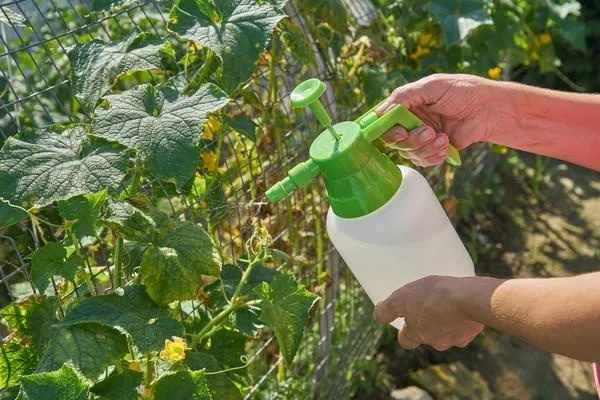
- Infusion of mullein. Prepare an infusion of 1 part mullein and 10 parts water. Let the infusion steep for several days, then use as a fertilizer. It promotes active growth of shoots and leaves.
- Infusion of green manure. Prepare a solution of green material (grass, nettles) and water in a ratio of 1:10. Let it steep for 1-2 weeks, then dilute with water (1:10) and water. This fertilizer enriches the soil with nitrogen and microelements.
- Mineral fertilizers. At the beginning of the growing season, nitrogen is essential for rapid foliage growth. Use urea or ammonium nitrate at a rate of 10-15 g per 10 liters of water. Phosphorus is important for root formation and flowering. Use superphosphate (20-30 g per 10 liters of water) or monopotassium phosphate.
Potassium promotes fruit development and increases plant resistance to disease. Use potassium nitrate (20-25 g per 10 liters of water) or potassium sulfate.
Alternate organic and mineral fertilizers. Apply them after the soil has become moist.
Hilling
Loosen the soil after each watering. Do this carefully to avoid damaging the root system. This procedure helps the roots obtain the necessary oxygen and moisture and helps remove weeds.
Diseases and parasites
This hybrid is renowned for its strong immunity, but if improperly cared for, it can be susceptible to certain diseases and pest attacks. It's important to address these issues promptly:
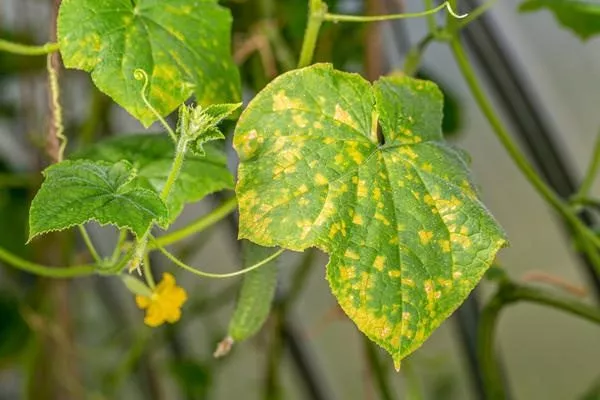
- Black mold (leaf scorch). Affects seedlings grown in open ground. The main symptoms are black or purple spots resembling cobwebs, wilting and falling leaves, and stunted growth.
A wood ash mixture effectively combats the disease. In severe cases, chemical treatments are essential. Treat the plantings with Fitosporin-M or Rovral. - Anthracnose. An infection that causes yellow spots and a pink coating to form on the leaves, followed by ulcers that can destroy the plant. To control the disease, use the following products: Fundazol, Fitosporin, Previkur, and Quadris.
- Black scab (rhizoctonia). It causes rusty spots on the root collar and small ulcers on leaves and vegetables. To combat the disease, use Baktofit and remove the lower leaves of affected plants.
Mini-Mini can suffer from various pests. Here are the main ones:
- Aphid. It sucks the sap from shoots and leaves, causing them to deform. It is a carrier of viral diseases. Use insecticides such as Actellic or Fitoverm. Folk remedies such as a soap solution are also effective.
- Spider mite. It attacks leaves, causing them to turn yellow and fall off, leaving a fine web. Treat with acaricides, such as Fitoverm or Aktara.
- Whitefly. It sucks out sap, leaving behind a sticky residue. It can carry viral diseases. Use insecticides such as Confidor or Aktar, and sticky glue baits.
- Mealybug. It sucks out the sap and leaves a whitish coating resembling flour powder. Treat with Fitoverm or Aktara.
- Owls. They damage leaves and fruits. Insecticides such as Agrovertin and Decis are effective. Collect eggs and larvae by hand.
These measures will help protect the crop from various problems and maintain its health.
Harvesting and storage
Harvest ripe cucumbers daily to prevent them from interfering with the development of new plants. Store harvested cucumbers in cool, dry places at temperatures no higher than 5°C.
Reviews
The Mini-Mini cucumber hybrid attracts the attention of both novice and experienced gardeners. This is due to its low maintenance and ease of cultivation. The variety is resistant to diseases and pests, produces generous harvests, and the fruits do not crack or spoil during transportation. Agronomic practices will help bring out the best in this variety.