
The Master cucumber variety has gained popularity thanks to its excellent characteristics. Combining early maturity with high yields, it's ideal for gardeners of all experience levels. Its resistance to major diseases and low maintenance make it an excellent choice for a wide range of climates. Proper care is key.
Introduction to the variety
Master is an early-ripening parthenocarpic gherkin hybrid with clustered ovaries and female flowering. Suitable for spring and summer cultivation in both protected and open ground.
Features of selection
Created by Russian breeders V. A. Skachko, O. N. Krylov, A. V. Borisov and V. G. Suddenko. After completing all tests, it was approved for mass use in 2010.
Specificity of bushes and cucumbers
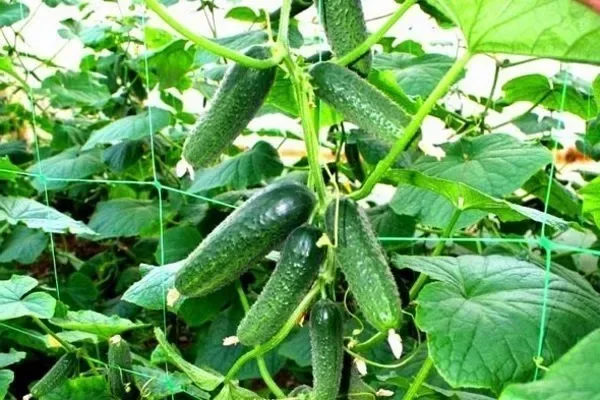
This is an indeterminate variety, meaning there's no need to pinch the shoots. The plant produces numerous shoots that are limited in growth and narrow in shape. They are covered with medium-sized, rich green leaves. Three to five ovaries form in a single bunch.
- ✓ No need to pinch the shoots due to the indeterminate growth type.
- ✓ Formation of 3 to 5 ovaries in one bunch, which ensures high yield.
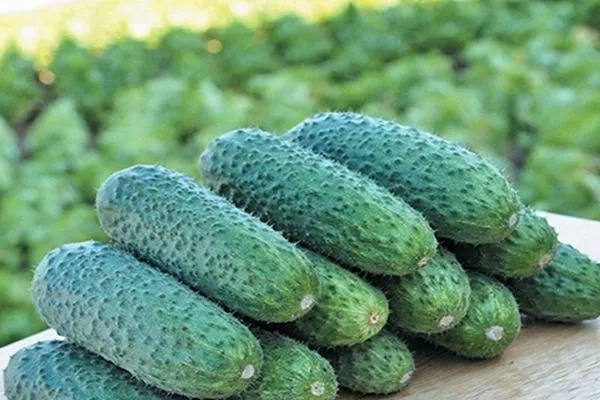
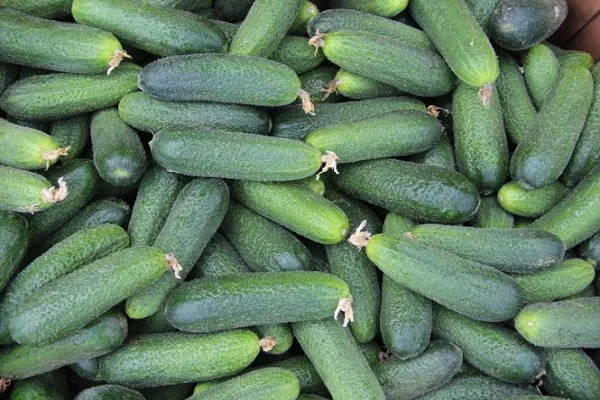
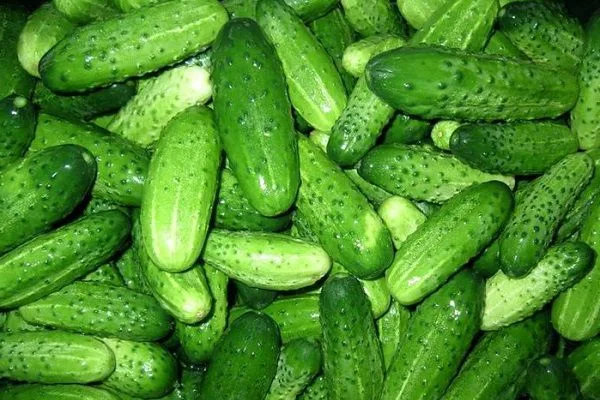
The cucumbers are no more than 12 cm long and about 4 cm in diameter. The weight of a single cucumber ranges from 80 to 110 g, but individual specimens can reach up to 130 g. They are cylindrical in shape and rich green in color with small dark stripes. The surface is moderately tuberculate, covered with small white spines.
Taste and application
This hybrid variety was developed for fresh use, pickling, marinating, and fermenting. The Master cucumber is ideal for a variety of fresh vegetable salads and appetizers.
Fruiting period
This is a mid-early cucumber variety. The first fruits are harvested 48-61 days after planting. Harvest 5-10 days after fruit set, as overripe fruits lose their crispness and rich flavor.
Productivity
Despite its compact size, the hybrid is highly productive. When grown in plastic greenhouses, an average yield of 14-16 kg of fruit per square meter is obtained. When planted outdoors, the yield reaches 18 kg per square meter.
How to plant correctly?
The crop thrives in heavy soils, provided it receives adequate fertilizer, but thrives in medium loamy soil. The soil should be well-moistened, protected from wind, and have a neutral pH.
- ✓ The soil pH level should be strictly within 6.0-7.0 for optimal nutrient absorption.
- ✓ The soil must contain at least 4% organic matter to ensure adequate aeration and water retention.
Germination of seeds
Sow seeds for seedlings in mid- to late April. Plant them 1.5-2 cm deep in individual peat containers, two seeds per container. After planting, water thoroughly and maintain at 24-25°C until germination, then reduce the temperature to 21-22°C.
Water the seedlings daily, misting the soil around them with a spray bottle. On cloudy days, illuminate the plantings with dim fluorescent lamps, providing at least 12-14 hours of light per day. After the first true leaf appears, fertilize with superphosphate or chicken manure.
Planting seedlings in a garden bed
The hybrid prefers open, well-lit areas where cabbage, beets, onions, or tomatoes were grown last season. Two to three days before planting, dig the soil to a depth of 50-60 cm, disinfect it with Fitosporin, and fertilize with wood ash.
Helpful tips:
- Transplant the seedlings into the ground in early to mid-May, when the sprouts have three true leaves. The soil should warm to 14-15°C, and the air temperature should be between 22-23°C.
- Dig holes for planting 3.5-4 cm deep, place ash-coal powder or humus on the bottom.
- Planting should be carried out on a warm, but not hot, windless day, 3-4 days after rain.
- The optimal planting density in an open bed is 3-4 bushes, in protected soil – 2-3 plants per 1 square meter. The width between rows should be 50 cm, and the distance between bushes – 35-40 cm.
After transplanting, water the cucumbers, hill them up to the top leaf and cover with film for 4-7 days.
Rules for further agricultural technology
The hybrid is stress-resistant and easy to care for, making it suitable even for novice vegetable growers. The main requirements are frequent and abundant watering, regular loosening and weeding, and periodic nutrient feeding.
Shaping the bush is straightforward: simply tie the central stem to a vertical trellis, and in a greenhouse, pruning the bush to the third leaf. Water every three days, in the evening, using warm drip irrigation at the roots, 4 liters per bush.
Fertilize three times per season, at 10-day intervals. Apply nitroammophoska or sodium sulfate four to five days after transplanting, and a solution of bird droppings or urea at the beginning of flowering. Before fruiting begins, apply a final fertilizer using ammonium nitrate or rotted sawdust.
Dangerous diseases and pests
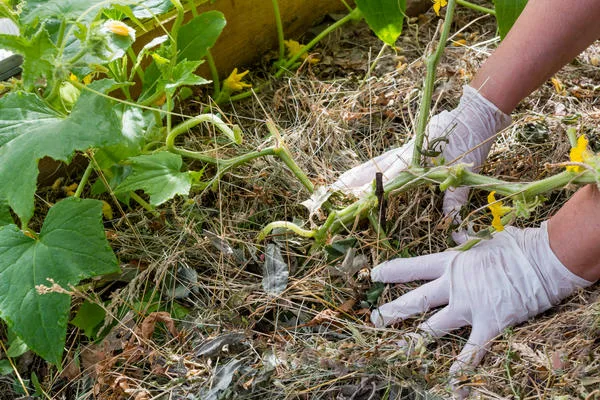
Master cucumbers are characterized by a strong immune system, but if not properly cared for, they can be susceptible to certain problems. The main diseases and pests, and their control methods, are:
- Anthracnose. Caused by a fungus, it affects all parts of the plant. Yellow spots appear on the leaves, which enlarge over time and form holes. The fruits become covered with brown and pink marks. For treatment, use antifungal agents such as Fitosporin, Topaz, and Poliram.
- Peronosporosis. It disrupts photosynthesis, leading to plant death. Green-yellow spots with a purple or gray-white coating on the underside appear on the leaves. To control the disease, use chemical fungicides such as Profit, Ridomil, and Fitosporin M.
- Fusarium wilt. It often affects greenhouse cucumbers, causing wilting and paleness of the plants. A pink coating is observed in the root zone. Treat with Integral and Planriz.
- Ascochytosis. A fungal disease that occurs during fruit ripening. Gray spots appear on the leaves and gradually spread. Treat with bacteriological agents such as Trichodermin and Fitosporin, and with folk remedies in the early stages.
- Bacteriosis. Under high temperatures and humidity, small yellow spots appear on the leaves, which darken and form a slimy substance. Treat by reducing humidity, removing affected areas, and applying insecticides and fungicides such as Cuproxat, Actellic, and Fitolavin.
- Aphid. These are small insects that form colonies on plants. They suck out the sap, causing leaves to wilt, curl, and dry out. To combat them, use infusions of onion peels, dandelion, and wood ash added to a solution of laundry soap. Kill the ants that carry the aphids.
- Whitefly. It lives on the underside of leaves, sucking out the sap, causing white spots and yellowing. The pest secretes a sugary liquid that promotes the development of powdery mildew and gray mold.
Use a 1:6 solution of laundry soap and glue traps. Ready-made products include Iskra, Actellic, and Biovert. - Spider mite. It leaves a thin white web and sucks the sap from plants, causing leaves to turn yellow and fall off. It appears during dry weather. Treat with insecticides such as Karbofos and Akarin, and folk remedies such as soap with garlic or onion peels.
- Thrips. These insects suck the juices from leaves and buds, leaving white-gray spots. To control them, use insecticides such as Confidor, Fitoverm, Actellik, and Iskra. Sticky traps are also effective.
- Wireworm. It feeds on cucumber roots; chemicals are ineffective. Loosening the soil and deep digging in the fall are recommended. Use fertilizers containing nitrogen and wood ash.
Regularly inspect your plants for signs of disease and pest attacks. This will allow you to begin treatment promptly and save your plants from destruction.
How to collect and store correctly?
Cucumbers begin to ripen in mid-June. They ripen quickly and evenly, so harvest daily, in the evenings, 10-15 minutes after watering. Cut cucumbers with sharp scissors, leaving two-thirds of the stem attached to the vine.
Positive and negative qualities
The variety has no significant disadvantages.
Reviews
The Master cucumber boasts numerous attractive characteristics. Early fruiting, high yields, and disease resistance make it an ideal choice for gardeners seeking consistent results. With proper care and adherence to agricultural guidelines, it will yield a bountiful harvest of delicious and crisp cucumbers.