
Maria F1 is an early-ripening cucumber hybrid. It is popular among domestic gardeners due to its stress resistance, strong immunity, and low maintenance requirements. It is grown in open beds and under plastic cover, in private farms and on commercial farms.
Introduction to the variety
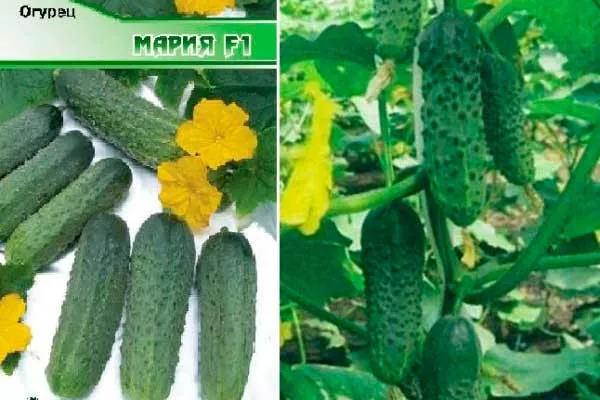
Maria is a parthenocarpic hybrid. Its plants produce only female flowers and form ovaries without the help of bees. They are very productive, despite the fact that one node produces two young fruits. Long and abundant fruiting makes them resistant to stress, heat, and fungal infections.
Originators
The rights to the hybrid belong to the Japanese seed company Sakata Seed. In 2015, it was added to the Russian state register as a vegetable variety intended for cultivation in open and closed ground in the following regions of the country:
- North Caucasian;
- Central;
- Central Black Earth Region;
- Ural.
External characteristics of the plant and cucumbers
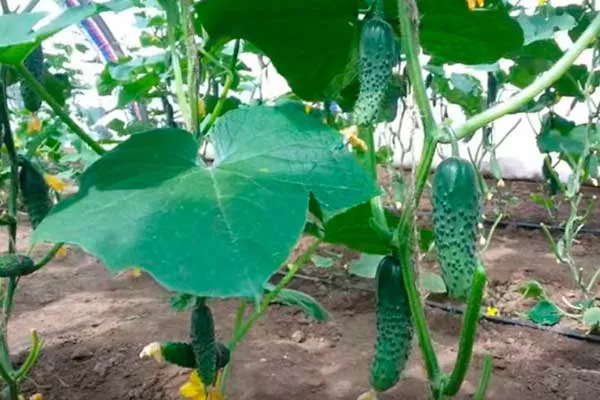
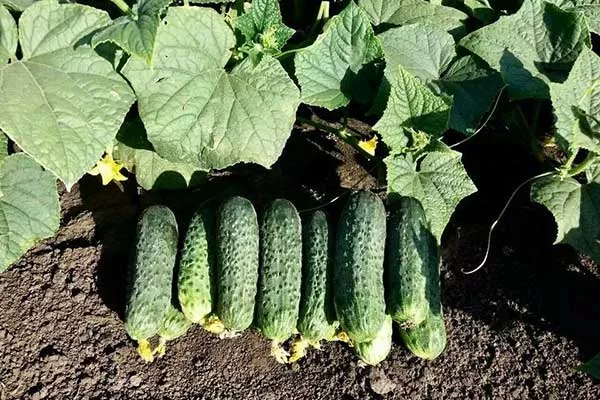
Maria bushes are indeterminate. They are characterized by vigorous growth and the following characteristics:
- low degree of branching;
- good foliage;
- average size of leaf blades;
- their dark green color;
- Flowers: bright yellow, crown-shaped, female.
- ✓ The leaves have a characteristic dark green color with a matte surface.
- ✓ Flowers are exclusively female, bright yellow, without any male flowers.
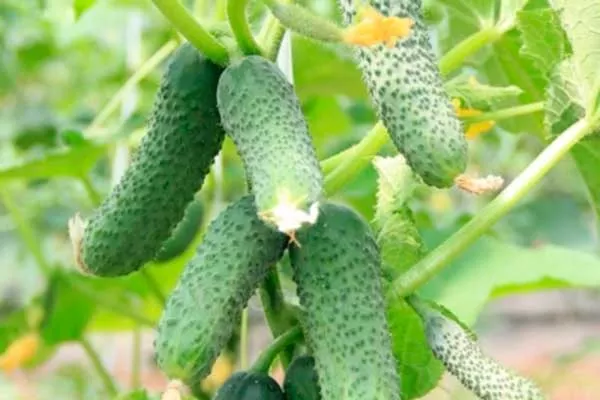
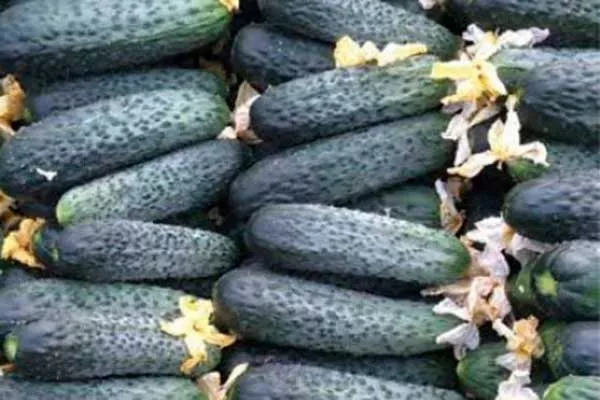
The hybrid yield is marketable: the fruits are uniform in size and shape. They are harvested at the pickle and gherkin stage. They possess the following characteristics:
- short length - 8-10 cm (up to 14 cm maximum);
- diameter, which is 3-3.5 times smaller than the length;
- weight - 60-112 g;
- cylindrical shape;
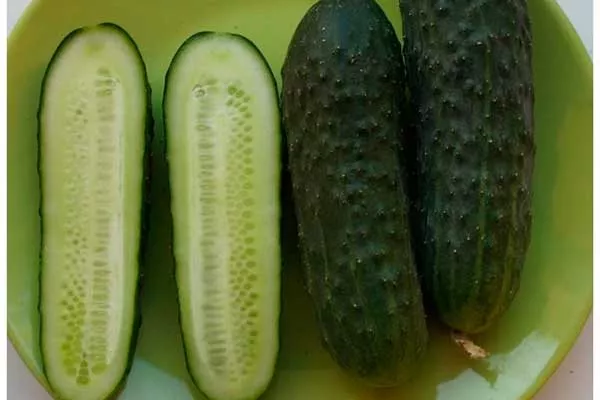
- dark green skin with a pattern of barely noticeable thin stripes of a lighter shade;
- a surface with rare and small, but well-defined tubercles (the degree of tuberculation is insignificant) and white-spined pubescence;
- thin but dense skin with a slight shine;
- dense and crispy pulp.
Taste and purpose
This Japanese hybrid has an excellent flavor: refreshing, sweet, and without bitterness. Its harvest is primarily intended for fresh consumption. It is also suitable for canning, pickling, and fermenting.
When ripe, the yield
Maria F1 is an early-ripening cucumber variety. The crop ripens in 39-41 days after germination. Thanks to its long fruiting period, thanks to the bushes' resistance to stress and disease, the yield is high. Farmers harvest between 13,400 kg and 23,200 kg of fruit per hectare.
Positive and negative qualities
This Japanese miracle of selection has become a favorite among domestic gardeners and farmers growing vegetables for sale due to its many advantages:
The hybrid also has several disadvantages:
How to grow it yourself?
Grow cucumber Maria in one of two ways:
- through seedlings;
- direct sowing into the ground.
Follow the seed manufacturer's recommended sowing/planting times:
- April, May – sowing to obtain seedling bushes;
- May — transplanting seedlings into a greenhouse (hotbed);
- June - transferring seedlings to an open bed;
- end of May, beginning of June – sowing seeds in open ground (planting depth – 2-3 cm).
Preparing the garden bed
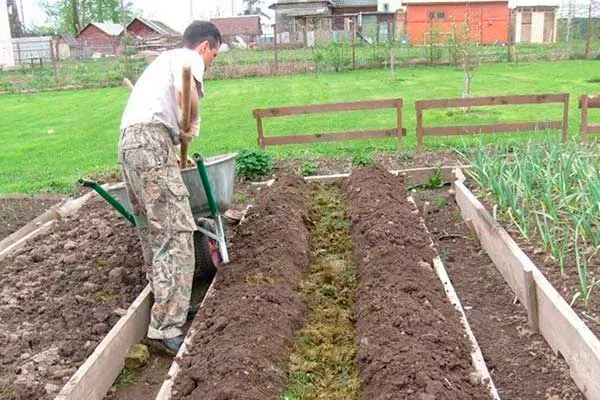
Prepare the plot for growing hybrid cucumbers in the fall or 21 days before planting. Follow these steps:
- Dig the soil to a depth of 25-30 cm.
- Remove all weeds and plant debris.
- Apply fertilizer: manure (consumption rate - 8 kg per 1 sq. m) and any mineral composition with potassium and phosphorus (consumption rate - 10-20 g per 1 sq. m).
- ✓ The optimal soil pH should be within 6.0-6.8.
- ✓ The soil should be well-drained, with a high content of organic matter.
If the soil in your area is acidic, also add wood ash. Apply up to 600 g of dry matter per square meter. It's a good idea to add vermicompost (up to 1-1.5 kg per square meter).
Germination of seeds
Carry out proper pre-sowing preparation of seeds for their rapid germination by following the following sequence of actions:
- Soak the seeds in water for several hours. Discard any that float to the surface. Use only the seeds that sink to the bottom for sowing.
- Place the selected seed material in a weak solution of potassium permanganate for 30 minutes.
- Harden the seeds by first holding them in very hot water and then in the refrigerator.
- Germinate the seeds by placing them on a cloth soaked in water. They will be ready to sow when the sprout reaches half the length of the seed.
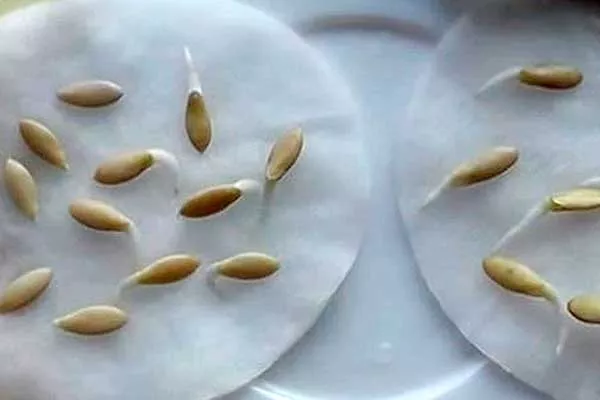
Sow sprouted seeds in soil to produce seedlings 1 month before transplanting them to the garden bed. Use disposable containers, cups with drainage holes in the bottom, or peat pots as planting containers. Cover the seeds 1-2 cm deep when planting.
Cover the seedlings with a damp cloth and place them in a dark place. Maintain a room temperature of 25°C. Moisten the cloth periodically. The sprouts will emerge within a week. Then move the container with the seedlings to a windowsill. Reduce the temperature to 19°C.
Planting seedlings
Transplant the Maria hybrid seedlings to the garden under the following conditions:
- setting the heat;
- passing the threat of recurrent frosts;
- The optimal temperature for the growth and development of bushes is +16-19°C (if it drops to +5°C and below, the plants die).
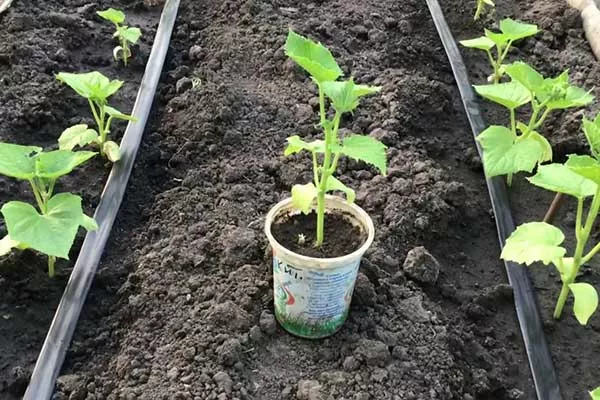
When planting cucumber seedlings in a garden bed, follow the following pattern:
- distance between bushes - from 30 cm;
- between rows - 1 m (not less than 60 cm);
- planting density is 4-6 plants per 1 sq. m or 35-45 thousand bushes per 1 hectare for industrial cultivation of the hybrid.
Care methods
Care for this hybrid vegetable crop properly, following the basic rules of its cultivation. Timely watering, fertilizing, and other essential care procedures (weeding, loosening and mulching the soil, tying the bush to a trellis, and pinching its tops) will allow you to reap a bountiful harvest.
Watering
When watering cucumber plants, follow the advice of experienced vegetable growers:
- water the plants with warm water (temperature +25-28°C) in good weather;
- On cold days, reduce watering to a minimum to avoid rotting of the roots of Maria bushes;
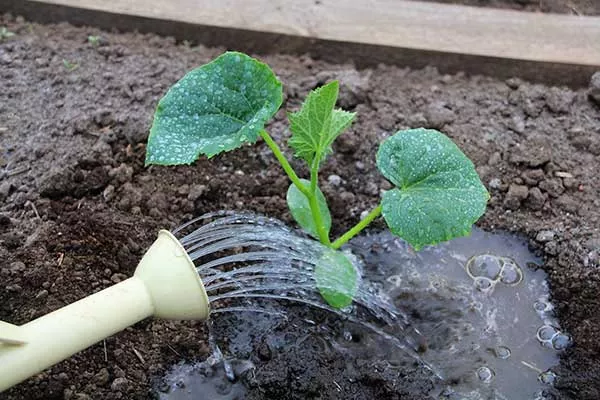
- Pour water under the plants with a weak stream to avoid compacting the soil and damaging their root system;
- moisten the soil to a depth of 20 cm within a radius of 10-15 cm from the main stem;
- avoid getting moisture on the root collar;
- Foliar irrigation should be carried out before 9 am or in the evening hours after the heat subsides;
- Do not exceed the crop watering rate: during the flowering period, water the planting twice every 7 days, using 4-5 liters of water per 1 sq. m; after the ovaries appear and until the end of the fruit harvest, water the bushes three times every 7 days, using 8-12 liters per 1 sq. m;
- If you have the opportunity, set up a drip irrigation system for your cucumber bed.
Top dressing
Apply the lion's share of the fertilizer cucumbers need during autumn soil cultivation. This vegetable crop thrives on organic matter:
- old humus;
- mature compost;
- peat.
Fertilizing cucumber plants in the garden will ensure abundant fruiting. Apply at different stages of the plant's development:
- during the flowering period of plants;
- during the formation of the first fruits;
- in the middle of fruiting.
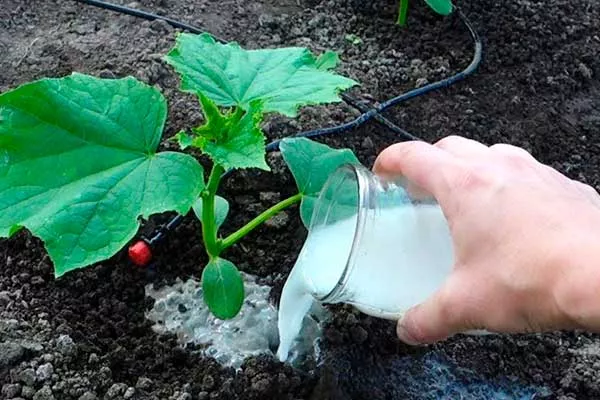
At the beginning of the growing season, fertilize the planting with nitrogen-containing mixtures, then use phosphorus and potassium fertilizers. Alternate fertilizers, alternating between mineral and organic fertilizers. Apply the former at the root and on the foliage. These include:
- urea;
- ammonium and potassium nitrate;
- Superphosphate;
- ammophos.
Apply organic matter in dry form during autumn tilling. There's no point in using it later in the season. It won't have time to fully decompose and release all its nutrients to the vegetables.
Diseases and pests
The hybrid variety of vegetable crop is resistant to many dangerous diseases such as:
- powdery mildew;
- cucumber mosaic virus;
- vascular yellowing virus.
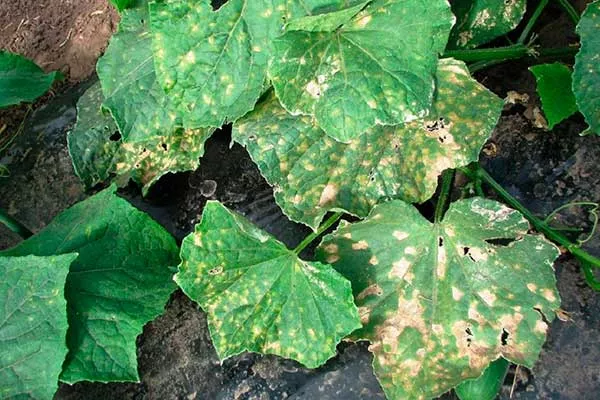
Under adverse weather conditions and improper care, Maria bushes suffer from infections and pests. Prevention and treatment will help solve the problem. Follow these steps:
- Weed regularly;
- remove plant debris from the area;
- plant seeds that have undergone pre-sowing preparation, in particular disinfection;
- sow seeds in warm soil;
- adhere to crop rotation standards;
- plant seedlings in prepared fertile soil, fertilized in the fall;
- remove cucumber bushes affected by diseases and insects from the garden bed and burn them away from the area;
- get rid of insects, use insecticides Engio, Ampligo, Anti Kleshch;
- disinfect the soil in the garden bed;
- adhere to fertilizer application rates;
- Conduct preventative treatments of the crop to strengthen its immunity, using fungicides, folk remedies, and biological preparations such as Fitosporin and Baikal.
Harvesting and storage
Harvest gherkins as they ripen. Don't let them get too big. The seed producer recommends removing the fruits from the vines every day. When picking cucumbers, be careful not to damage or break the stems on the plants.
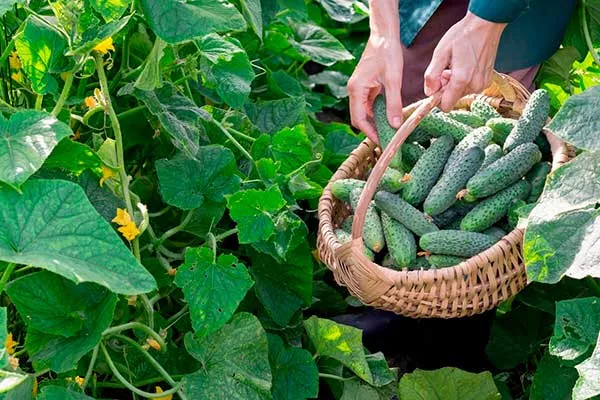
Store the harvested fruit in a cool place. The ideal option is the vegetable drawer in the refrigerator. To preserve the fruit's juiciness and firmness for two weeks, ensure the following conditions:
- temperature conditions: +12-14° C;
- air humidity - 90-95%.
Reviews
Maria F1 is an early self-pollinating hybrid developed by Japanese breeders. It is ideal for commercial cultivation. Farmers producing vegetables on an industrial scale choose it for its early maturity, high yield, strong immunity, stress resistance, marketable appearance, shelf life, and transportability.