
Maryina Roshcha f1 cucumbers are the result of the hard work of Manul specialists. This variety thrives both indoors and outdoors, delivering a reliable and abundant harvest. It is resistant to various cucumber diseases. It is distinguished by its early ripening, long shelf life, and ability to withstand long transportation.
Introduction to the variety
This cucumber is ideally suited to growing in moderately lit areas, contrasting with varieties that require more sun. Its early ripening and parthenocarpic nature make it a reliable source of consistent yield. Thanks to its ability to self-pollinate and its predominantly female flowering, the variety also boasts high fruiting rates.
Originators
Maryina Roshcha is the fruit of the work of Russian breeders from the Manul agricultural company. A. V. Borisov, O. N. Krylov, E. N. Orekhova, and T. I. Krylova participated in the creation of this variety.
The hybrid was approved for agricultural use in 2003 and is recommended for cultivation in various regions of Russia: in the North, Northwest, Central, Volga-Vyatka, Central Black Earth, North Caucasus and Middle Volga zones.
Characteristics of the appearance of the plant and cucumbers
Maryina Roshcha is a medium-sized cucumber with an indeterminate growth habit. The bush has a medium-sized, vine-like habit, rich green foliage, moderate branching, and a well-developed root system.
Please also pay attention to other varietal characteristics and features:
- A vigorous stem reaching a height of 180-220 cm, which requires proper support and garter.
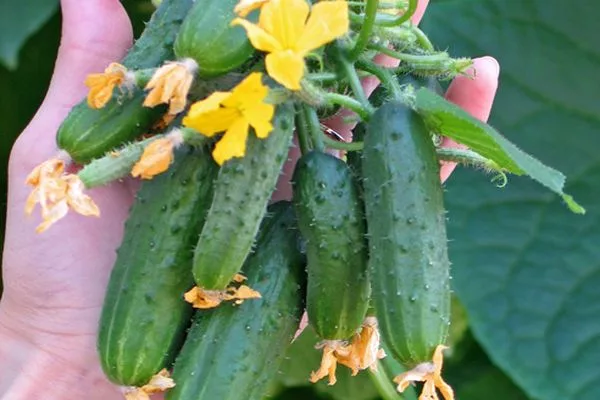
- During budding, the bushes produce numerous large yellow female inflorescences. Up to four buds form at each node, with almost no empty flowers.
- The leaves, with pointed tips and medium-sized leaves, are virtually unwrinkled, with a slight downward bend. The foliage is emerald green.
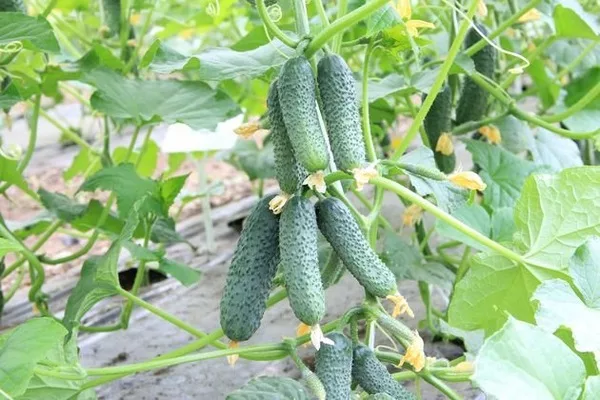
- The ovaries form clusters, each containing at least 7-8 nodes. A healthy bush can contain up to 12 fruits at a time.
- Cucumbers are characterized by a smooth surface. They are uniform in size, cylindrical in shape, and slightly rounded at the ends.
- The skin is firm but not particularly thick, covered with numerous small tubercles ending in short white spines. The skin is deep green with barely noticeable lighter stripes.
- The parameters of the green cucumber are ideal for pickling: the length of the cucumber is 11-13 cm, the weight is 90-110 g, the average diameter is 2.7-3.1 cm.
Taste and purpose
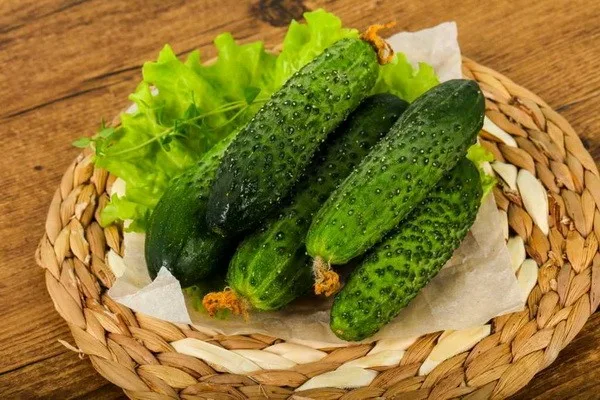
Cucumber has a pleasantly sweet flavor, devoid of bitterness, and a rich cucumber aroma. Its culinary uses are varied.
This vegetable is perfect for fresh salads, cold appetizers, and pickling. When cooked, the cucumber retains its delicate skin and doesn't develop air pockets, giving it its characteristic crunch.
Composition, benefits
The fruit is low in calories, making it ideal for dieters. It's rich in water but low in carbohydrates, fat, and protein. Thanks to its high moisture content, cucumber effectively cleanses the body and promotes proper digestion.
Dietary fiber, minerals (calcium, sodium, iron, phosphorus, zinc, magnesium, and others), and vitamins have a beneficial effect on the gastrointestinal tract, strengthen the cardiovascular system, and promote kidney cleansing. Therefore, eating fresh cucumbers is especially beneficial during the summer months.
When ripe, the yield
Very early maturity – the fruits reach technical maturity on the 39th day, and biological maturity on the 42nd day, after the first green shoots appear. Fruiting is consistent and abundant. The plant is distinguished by generous yields – a minimum of 10 kg and a maximum of 13-14 kg per square meter.
Regular harvesting of green cucumbers from the bushes is essential to promote the formation of new fruit. This variety boasts excellent shelf life when properly stored, maintaining its nutritional value and flavor for up to two months.
Soil requirements
For optimal growth, the crop prefers light soils, such as loamy and sandy loam, with good air and water permeability, neutral acidity and sufficient fertility.
Climate conditions
Maryina Roshcha is resistant to shade, sudden temperature fluctuations, and low thermometer readings down to +4 degrees, but is sensitive to excess moisture, stagnant water, and drafts.
It is best to plant in a sunny area of the garden where there is sufficient light, warmth and good aeration.
Pros and cons
The hybrid variety demonstrates stable productivity even with sharp temperature fluctuations, especially during cold weather, and is distinguished by rapid ripening.
But it also has other advantages:
Flaws:
Landing features
In favorable weather conditions, it's preferable to grow this variety outdoors, while in cooler or more variable climates, protective film or greenhouses are recommended. Gardening professionals recommend using the seedling method for planting this variety.
Site preparation
To grow the Maryina Roshcha F1 cucumber, ensure good ventilation and soil moisture. Avoid planting this cucumber in elevated areas or in saline soil, as this can lead to disease.
It's important to strictly follow crop rotation principles, ensuring that a variety isn't cultivated in the same location for more than two years. This minimizes the risk of fungal infections.
To grow Maryina Roshcha f1, you need to prepare soil that is loose enough to provide the plant with all the necessary nutrients.
Preparatory work begins in early September. Aspects:
- The area should be cleared of debris, dug to a depth of 50-60 cm, treated with fungicides such as Fitolavin or Gliokladin and fertilized with mullein infusion.
- In April, around mid-month, the next stage of soil preparation begins. The soil is loosened again, but to a depth of 25-35 cm. Weeds are removed, the soil is warmed, and fertilized with wood powder or boric acid.
- The day before planting, the soil must be watered to ensure optimal soil moisture.

Germination of seed material
Start sowing seeds in April-May, depending on the region and growing technology. However, please note the following:
- Place the seeds at a depth of approximately 15-16 mm, one at a time, in a peat pot, which is then transferred to the beds.
- Before planting, soak the planting material in a weak solution of copper sulfate or Trichodermin for 20-30 minutes.
- For the germination of the first seeds, the optimal temperature is 26-28°C, after which it should be lowered to 22-24°C.
- Grow seedlings on windowsills, as the Maryina Roshcha f1 cucumber requires 14 hours of sunlight per day during the germination period.
- Water the plants in the evening by gently spraying the soil near the stems with a spray bottle.
- After the first leaf appears, feed the seedlings with nitroammophoska.
- A week before transplanting, acclimatize the plantings by taking them outside for 15-40 minutes daily.
Planting seedlings in a garden bed
Cucumber seedlings are ready for transplanting into the open ground or greenhouse at approximately 25-27 days old. Mature plants will already have 3-4 leaves opening. Planting is recommended starting on May 15th, once the threat of frost has completely passed.
Rules:
- To avoid freezing of the bushes, it is important that the soil temperature reaches 15-17°C, and the air in the area does not drop below 23°C during the day.
- To prepare the soil, make holes 8-12 cm deep and place a small amount of coal powder and superphosphate on the bottom.
- Transfer the plants to the garden bed on a warm, but slightly cloudy day, when the wind is not blowing and the sun is not shining brightly.
- The distance between seedlings of this variety should not exceed 2 per 1 square meter. The recommended spacing between rows is 65-75 cm, and between adjacent bushes – 30-40 cm.
- If the bushes become overgrown, cucumbers require thinning so that the plants do not shade each other.
- After planting, water the bushes and hill them up to the top.

Nuances of cultivation
Caring for Maryina Roshcha f1 cucumbers doesn't require much effort, but careful shaping of the bushes is essential. Immediately after planting, secure the seedlings to straight supports. Bend the tops of the bushes downward and secure them. In a greenhouse, tie up the cucumbers until the third leaf emerges. Remove side shoots, leaving them no longer than 18 cm.
Watering
Maryina Roshcha f1 requires moderate watering. It is recommended to water it every three days, or daily during periods of extreme dryness. Consistent and regular watering is key, as cucumbers are sensitive to fluctuations in humidity, which can promote disease. Requirements:
- For optimal growth, maintain soil moisture at a depth of 7-9 cm.
- When watering this type of cucumber, it is important to use only clean water, free of chlorine and other additives.
- Leave the water intended for irrigation in the sun for 20-40 minutes to settle and warm up to room temperature.
- Apply the liquid only to the roots of the cucumber, avoiding contact with the more vulnerable young shoots and foliage.
- The best time to water is in the evening, when the temperature drops and it is not hot.
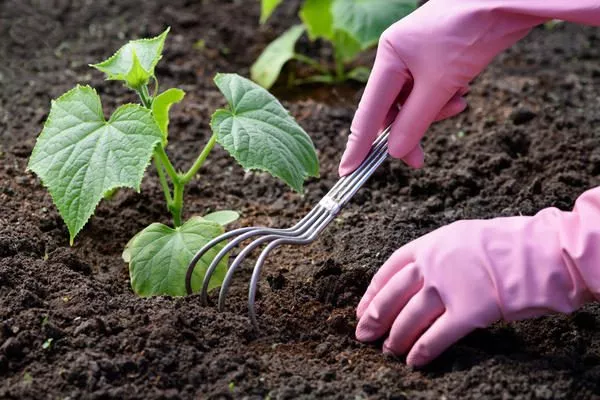
- After watering or rain, be sure to loosen the beds.
Fertilizer
The Maryina Roshcha f1 cucumber requires regular feeding to maintain its rapid growth and ensure its health so that it can produce a bountiful, tasty harvest.
This variety responds well to alternating organic and potassium-phosphorus fertilizers. Fertilizing begins immediately after planting and continues at two-week intervals.
Maryina Roshcha f1 responds particularly well to the following types of fertilizers:
- ammonium nitrate;
- monophosphates;
- nitrophoska;
- humus/compost;
- rotted coniferous branches;
- potassium sulfates;
- chicken manure;
- urea solution.
During periods of rapid growth and budding, apply mineral fertilizers, and when the harvest begins to form, cucumbers require organic mixtures. Fertilizing is recommended in the evening, 10-15 minutes after watering; foliar application is generally used.
Diseases and parasites
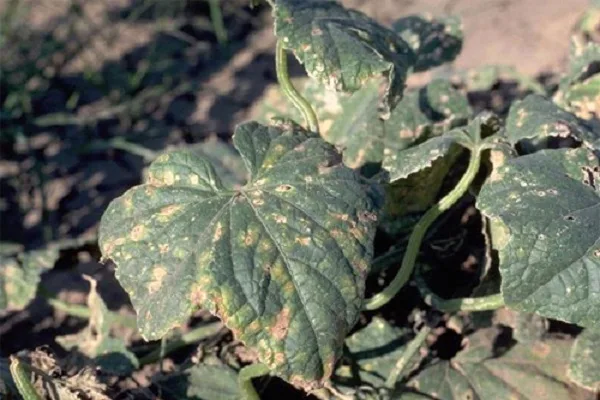
One of the key characteristics of the hybrid cucumber is its excellent resistance to various diseases, such as powdery mildew, olive spot, cucumber mosaic virus, and root rot, which commonly affect this crop. This ensures a stable and abundant harvest. This disease resistance makes cucumber care easier.
However, cucumbers often face pests such as aphids, whiteflies, ants, and spider mites, which can cause serious damage. If insects are found on the plants, they are removed manually or insecticides such as Tabu and Regent are used.
Peculiarities:
- More traditional methods, such as tobacco dust, garlic infusion, and wormwood, are also effective in combating pests. Tobacco dust and ash, mixed in equal parts, have proven effective in combating aphids and flea beetles.
- It's recommended to treat plants for insects early in the morning, when cucumbers are still covered in dew. The tobacco-ash mixture adheres to damp foliage, killing pests without harming the cucumbers or people.
- At the end of the season, preventative measures should be carried out using natural components (not chemicals).
Harvesting and storage
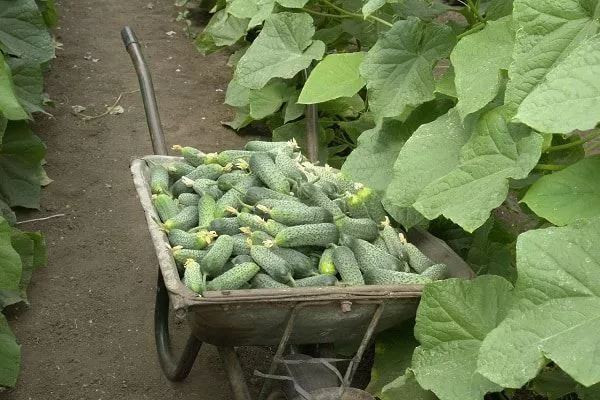
The harvest collected from the fields is resistant to transportation and is able to retain its taste qualities in a cool room for 2.5-3 months.
Follow some rules:
- Collect the fruits as they ripen to avoid overripening and overgrowing; it is better to do this in the evening.
- Remove cucumbers from the branches some time after watering so that they remain juicy and fresh for a long time.
- Immediately after harvesting, carefully wipe the vegetables with a dry, non-rough towel, carefully pack them in a plastic bag and place them in the refrigerator or cellar.
Reviews
The Maryina Roshcha hybrid is a true gift for gardeners. This variety is characterized by abundant yields, low maintenance, and resistance to pests and diseases, providing essential micronutrients and vitamins during the summer. The key is to avoid overwatering the soil and tie up the long stems promptly.