
The Manul cucumber is a popular variety, recognized by gardeners across Russia. It is characterized by its low maintenance, high productivity, and excellent taste. It easily adapts to various climates, has a strong immune system, and resists diseases and pests with proper care.
Introduction to the variety
Elongated cucumbers are popular among gardeners due to their versatility for preserving and compact storage. They are equally good quality vegetables of other shapes. One of the most famous hybrids is the Pallas's cucumber.
History of origin
Developed by domestic breeders, it was included in the State Register of Varieties in 1977 after successfully passing all required testing and research. Today, it is cultivated in many regions of the country, producing consistent and abundant harvests.
Characteristics of the appearance of the plant and cucumbers
The bush is strong and vigorous. Its thick stems provide protection from adverse weather conditions. The long stems promote vigorous growth and excellent vegetative growth. Branching is moderate.
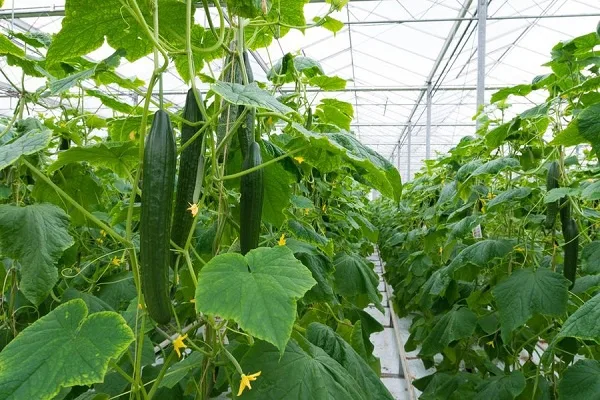
The leaves are green or light green, medium-sized, and pentagonal in shape. The flowers are female, with ovaries forming in clusters.
Characteristic features of the fruits:
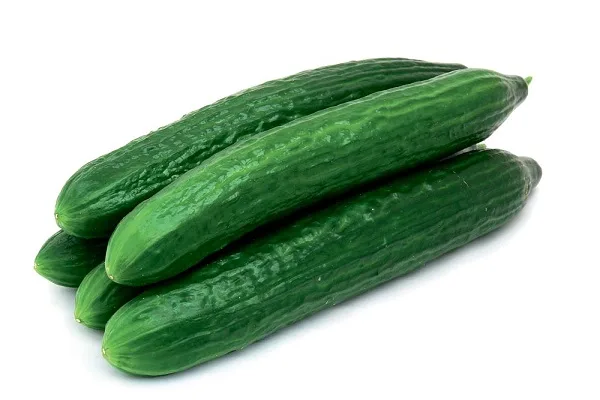
- An elongated cylindrical shape with large tubercles on the surface, which are located rarely.
- There are white spines on the skin.
- The average length ranges from 15 to 22 cm, and the diameter varies between 2 and 3 cm.
- Weight ranges from 155 to 229 g.
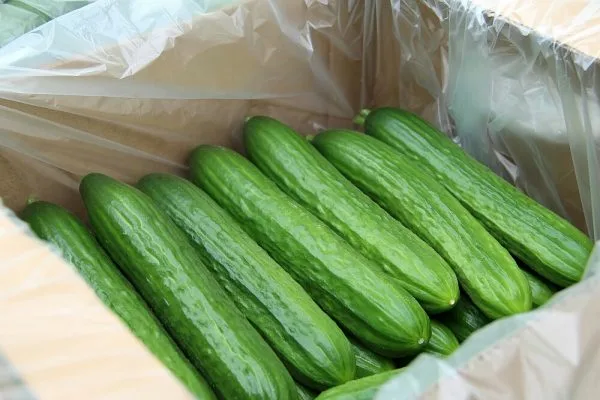
- The skin is dense, which makes the vegetables suitable for long-distance transportation.
- ✓ The fruits have a characteristic crunch that remains even after heat treatment.
- ✓ Plants demonstrate increased resistance to short-term temperature drops.
The appearance of the fruits is particularly attractive, and their taste allows them to be used for various culinary purposes.
Taste and purpose
The flesh has a firm texture, which distinguishes this variety from other denser varieties. Its distinctive crunchiness imparts a fresh, pleasant sensation. Its juiciness and refreshing flavor are highly rated, making this hybrid a popular choice among consumers.
It's versatile in use. The fruits are perfect for a variety of culinary purposes, including pickling and preserving, adding to fresh dishes and appetizers, salads, and more.
When ripe, the yield
Characterized by a medium ripening period of 55 to 65 days, Manul is a variety bred for winter greenhouses, but it has adapted well to outdoor cultivation.
Resistance to diseases and pests
It is distinguished by its resistance to diseases and pests, which was achieved by breeders through crossing different varieties. However, if the crop lacks sunlight, it may experience problems such as necrosis. The onset of the disease can be identified by the following symptoms:
- brownish-brown spots or stripes on the leaf surface;
- gradual dying off of shoots;
- loss of taste and commercial qualities.
To prevent the development and spread of the disease, carry out preventative treatment with special solutions designed to protect plants.
Advantages and disadvantages
Before planting, study the positive and negative qualities of the variety. Pallas's cattail has several characteristics:
Gardeners did not find any significant shortcomings in the crop.
Growing and care
The crop requires good light. Choose a site that receives at least 6-8 hours of sunlight per day. The location should be protected from strong winds to prevent damage to the plants and ensure stable growing conditions.
- ✓ The depth of the fertile layer should be at least 30 cm to provide the root system with sufficient nutrition.
- ✓ Soil organic matter content should exceed 4% to maintain high productivity.
Loose, fertile, and well-drained soil is preferred. Use compost or humus for this. The ideal pH for the plant is 6-7. Check the soil pH and adjust it if necessary with lime or sulfur.
Helpful tips:
- Sow seeds outdoors after all danger of frost has passed and the soil has warmed to 15°C. Sow seeds in late May or early June.
- For an early harvest, use seedlings. Sow seeds in trays or pots 3-4 weeks before you plan to plant them outdoors. Transplant the plants in late April or early May.
- Plant cucumbers 30-40 cm apart and 50-60 cm apart in rows. This will provide ample space for growth.
- Pallas's catkins are pollinated by bees, so attract insects to your plot. Plant honey plants such as clover or nasturtium.
Provide the crop with adequate watering. Follow simple agricultural practices:
- Watering. Provide plants with even and regular moisture. Water them 2-3 times a week to keep the soil moderately moist. Use a drip system or apply water at the roots, avoiding contact with the leaves to prevent fungal diseases.
- Fertilizers. Feed your Pallas's trumpet with organic fertilizers (compost, humus) or complex mineral fertilizers. Apply fertilizer three times per season: 2-3 weeks after germination, 2 weeks after the first application, and when fruiting begins.
- Garter. Plants need to be supported to keep the vines off the ground and to keep the fruit clean and even. Use stakes or trellises to support the plants.
Remove side shoots and excess fruit to improve air circulation and focus the plant's energy on fruit development. Regularly inspect the bushes for diseases and pests. Apply fungicides and insecticides as needed.
Reviews
Manul cucumbers are a reliable and productive variety suitable for both experienced and novice gardeners. Their low maintenance, abundant yields, and pleasant flavor make them an excellent choice for successful cultivation in a variety of climates. Following basic care recommendations will help you grow high-quality fruit in large quantities.