
The Malyshok cucumber, distinguished by its miniature fruit, will appeal to anyone who enjoys early vegetables and homemade pickles. This ultra-early pickling variety, with its small, uniform fruits, is quite easy to grow, pollinated by honey plants, and thrives in open ground.
Description of the Malyshok variety
The plant is a bushy, determinate (with limited growth), quite low-growing, with a main stem reaching 30-60 cm in length and characterized by weak branching. The leaves are green and medium-sized, and the flowering period is dominated by female flowers.
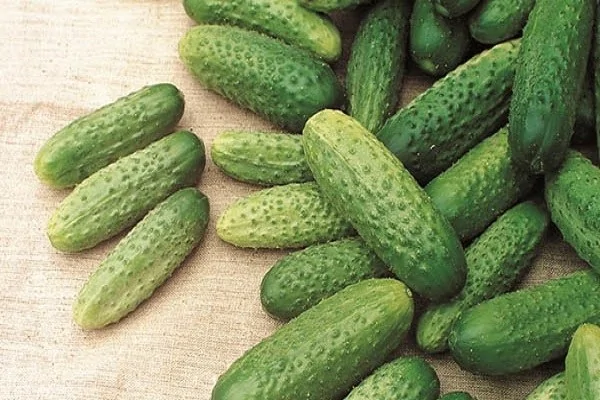
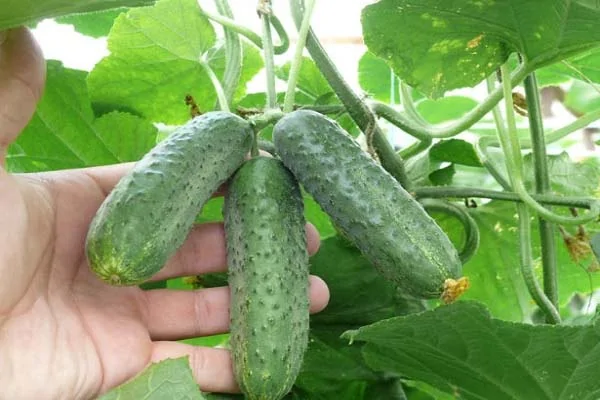
The fruits are short, dark green, and striped, accounting for half the total length. The cucumbers are ovoid and grow in clusters. The fruits grow up to 8-10 cm in length, weighing 80-90 g each. The surface of the fruit is coarsely tuberculated, and the spines are white.
Breeding history
The Malyshok cucumber is a product of Russian selection. Its creators are A.M. Popova, N.N. Klimenko, and S.V. Maksimov. The variety was approved for cultivation in 2009. It is suitable for open ground, greenhouses, and temporary plastic shelters.
Taste and purpose of fruits
The fruits have excellent flavor. They're ideal for salads, delicious fresh and pickled, and this variety is also suitable for pickling and canning. Their small size makes them suitable for small jars.

Productivity and ripening time
The Malyshok variety is bee-pollinated and ripens extremely early. Gardeners harvest the first green fruits just 35-45 days after germination.
These cucumbers begin bearing fruit in July and continue to bear fruit until August. One square meter can yield approximately 5-5.3 kg of cucumbers.
Pros and cons
Before planting the Malyshok cucumber in your garden, it's worth weighing all its advantages and disadvantages. This variety is popular with gardeners for good reason; it has many advantages, but its disadvantages are relatively minor and can easily be ignored.
Planting and care
To obtain a good harvest, high-quality fruits, and long-term fruiting, it is important to plant and care for the plants correctly in accordance with accepted agricultural practices.
- ✓ The soil pH level should be strictly within 6.0-7.0 for optimal nutrient absorption.
- ✓ The soil must contain at least 4% organic matter to ensure the necessary structure and water-holding capacity.
Planting and care features:
- Baby cucumber seedlings are sown starting in the second half of April. They are planted outdoors in late May or early June. The seeds are sown outdoors at the same time. It's important that the soil warms up to 15-18°C by this time.
- The soil for growing must be fertile, enriched with humus and mineral fertilizers, loose, and neutral in pH. Prepare the soil in the fall by adding the necessary fertilizers and other components during tillage.
- Choose a warm, sunny, shade-free site for planting. It should be free of drafts, strong winds, waterlogging, and moisture accumulation. The optimal planting pattern is 60 x 15 cm.
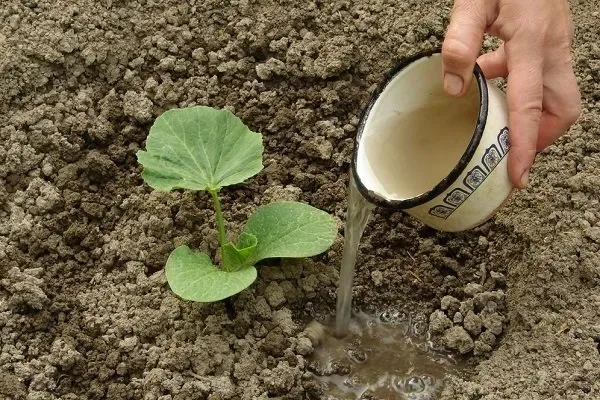
- Water every 2-3 days. More frequently in hot weather, and reduce watering in damp weather to prevent overwatering. Use settled and sun-warmed water. Pour it under the roots, being careful not to splash it on the leaves. The best times to water are morning and evening.
- Fertilizing cucumbers begins before flowering. For seedlings, the first feeding is done 10 days after planting. A solution of mullein mixed with wood ash is applied. Subsequently, cucumbers are fed with urea, superphosphate, potassium nitrate, and ammonium nitrate.
Mineral fertilizers are applied approximately three times per season. A lack of nutrients leads to reduced yields, while a deficiency of potassium and phosphorus also leads to fruit deformities. - About once a week, loosen the beds. Loosen and weed the soil carefully to avoid damaging the surface roots.
Diseases and pests
The variety is fairly resistant to fungal and other diseases, particularly powdery mildew, downy mildew, and cucumber mosaic. However, if humidity is too high or too low, if there's a nutritional deficiency, if there's insufficient light, if watered with cold water, and other adverse conditions, the plants can be susceptible to various infections.
Various fungicides, including Previkur, Quadris, Fitosporin, and others, are used to combat diseases. Folk remedies are also available; for example, powdery mildew can be combated with a soap-soda solution or whey.
Spider mites pose the greatest threat to the Malyshok cucumber. They proliferate especially rapidly in dry and hot weather. Aphids and whiteflies also pose a threat to the variety. Bitoxibacillin, Biovert, Fitoverm, and other pesticides are used to control these pests.
Peculiarities of cucumber harvesting
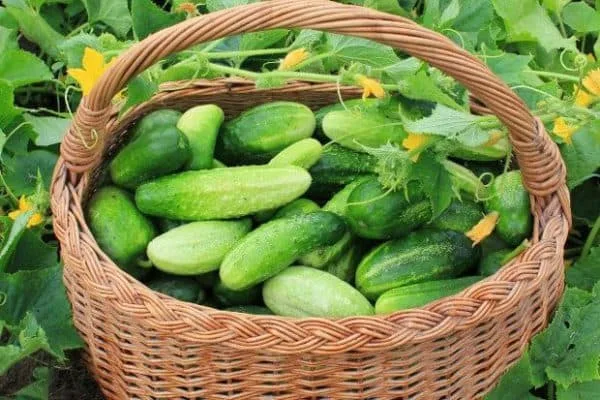
During the fruiting period, cucumbers are harvested at least twice a week, and every 1-2 days at their peak. It is recommended to harvest in the morning, evening, or on a cloudy day. This is when the fruits are at their juiciest.
Reviews
The Malyshok cucumber will satisfy those who don't care about size but prefer early ripening. This variety is ideal for pickling and canning, but remember that bees are needed for pollination.