
Malysh cucumbers are popular among gardeners due to their early maturity, good yield, and excellent taste. Developed by experienced breeders, this variety is ideal for both fresh salad lovers and those who prefer canned goods. It is disease-resistant and easy to care for, but requires minimal attention.
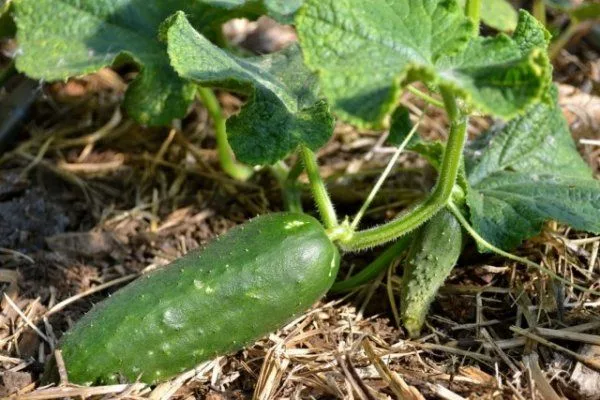
Introduction to the variety
Today, there are many varieties of bush cucumbers popular in summer cottages and home gardens. All of these plants possess characteristics suitable for commercial cultivation. The Malysh variety is suitable for open ground cultivation and is in demand among agronomists in our country.
History of origin
The bee-pollinated variety was created by experienced breeders Popova A. M. and Malychenko L. P. After successfully passing all tests, the crop was approved for general use in 1994.
Characteristics of the appearance of the plant and cucumbers
The bush reaches a height of 30-40 cm, depending on the length of the main stem and the type of support. It is characterized by weak branching, with each bunch containing up to 6 cucumbers. The leaves are slightly dissected, dark green, and pentagonal-rounded.
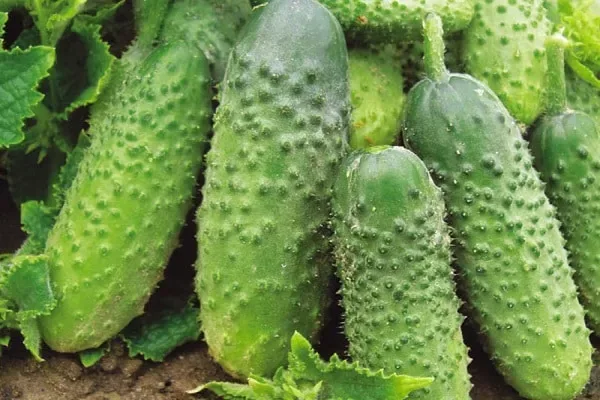
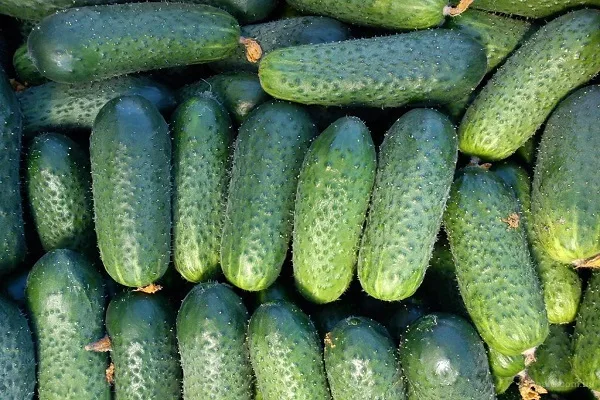
The fruits are small, elliptical, 9-9.5 cm long and 2.7-3.5 cm in diameter, weighing from 81 to 113 g. Their skin is dark green, with large, bumpy areas and light stripes.
Taste and purpose
The skin is tender and elastic, with a medium density. The flesh is crisp and firm, with a pleasant, refreshing aroma. The flavor is above average, without any characteristic bitterness. It is suitable for fresh eating, pickling, canning, and salads.
When ripe, the yield
The crop is characterized by ultra-early and early ripening times: 41-43 days pass from the first shoots to the beginning of fruiting. The variety is characterized as medium-yielding, yielding 127 to 258 centners of vegetables per hectare. Marketability is high, ranging from 71.5 to 96%.
Soil requirements
Light, non-acidic soil, ideally sandy loam or loamy, is considered good for this crop. Before planting, dig in the soil with compost – 10 kg per square meter.
Alternatively, use a mixture of potassium salt and superphosphate (25 g and 40 g, respectively). During spring tillage, add ammonium nitrate at a rate of 15-30 g per square meter.
Advantages and disadvantages
The variety has no significant drawbacks, but some gardeners do not like the fact that the cucumbers have short fruits.
Features of cultivation
Growing the crop is not difficult, but to achieve a high yield, it is important to follow basic agricultural practices. Below are some recommendations for cultivation.
Requirements
Purchase planting material from reputable producers, carefully reading the instructions and expiration dates on the packaging. Seeds from reputable producers are usually already processed and ready for planting. Avoid buying loose seeds, as they may be contaminated with fungi.
Preparing seeds and beds
Carefully sort through the seeds you've collected yourself, removing any rotted or diseased ones. Two days before planting, soak them in a weak solution of potassium permanganate for 15 minutes, then rinse, dry, and wrap them in damp cheesecloth until planting.
Another method is to soak the plants in a weak nitrophoska solution and refrigerate for 2 hours to harden them. Begin preparing the site in the fall: choose a sunny, well-ventilated spot where light shade won't significantly affect the growth of the plants.
Scheme
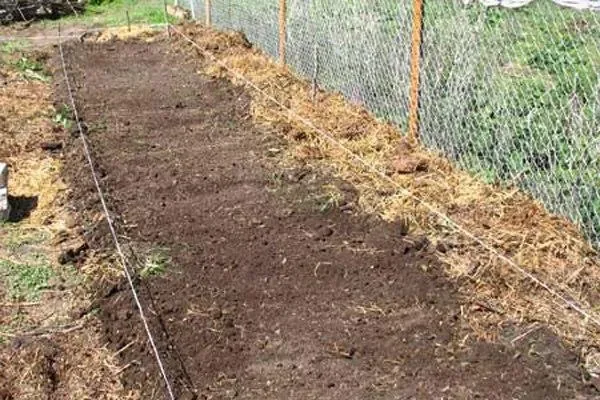
When planting seeds, maintain a distance of 30-35 cm between them. The interval between beds should not exceed 50-60 cm.
Planting seeds of the Malysh cucumber variety
In the southern regions of the country, sow in late April, when the soil temperature reaches 13-15°C. If spring is late, postpone planting until May, as the seeds will not germinate in cold soil. The optimal temperature for cucumber growth is 25-28°C; extreme heat can damage them.
Step-by-step instructions:
- A week before planting, dig up the bed and add peat, compost or humus at a rate of 5 kg per 1 sq. m.
- Level the soil with a rake and compact it. After 6 days, make furrows 2 cm deep.
- Place the seeds, dry or pre-soaked, in the beds, sprinkle with soil on top, compact lightly and moisten.
- Before the seedlings appear, cover the area with dark film, which will speed up germination and protect the seeds from the night cold.
- After the sprouts appear, mulch the beds with hay, compost or humus and water.
Mulch will prevent crust formation and improve the condition of plants.
Seedling method
In colder regions, use seedlings for early harvesting. This method allows for two weeks earlier harvesting than direct sowing.
The process of preparing and planting seedlings:
- Sow seeds in late March or early April. Prepare the soil: mix peat, sawdust, humus, and soil in a 1:1:1:1 ratio. Add 40 g of ash and 20 g of nitrophoska per 10 kg of mixture. Mix well and fill the containers. Peat tablets, which do not damage the roots, can be used.
Place the seeds 10-15 cm apart, 2 cm deep. Water and cover with plastic wrap until germination occurs. - The first shoots will appear in 6-8 days. Water them once a week. When the seedlings have three leaves, transplant them into individual containers.
- 4-5 weeks after sowing, when 5-6 leaves appear, start hardening them off: take them outside for 2 hours a day at first, then gradually increase the time.
A day before planting, water with a solution of copper sulfate (5 g per 10 liters of warm water, consumption 3 liters per 1 sq. m).

Caring for Malysh cucumbers
Bush cucumber varieties are easier to care for than climbing plants. To ensure a good harvest, follow a few rules.
Watering, land cultivation
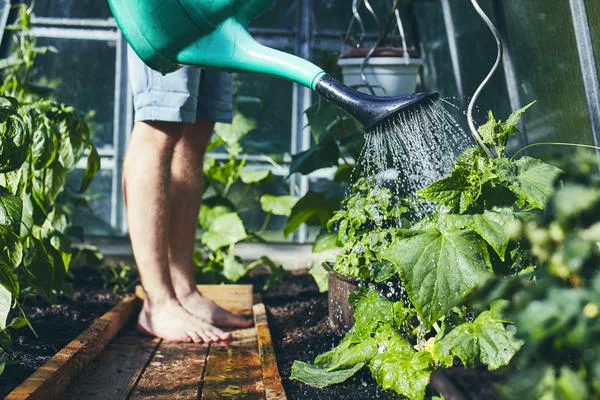
Water cucumbers using sprinkler or drip irrigation. Avoid overwatering the roots to prevent disease. The optimal time to water is evening. Use only warm water. During dry periods, water in the morning and evening.
To ensure successful crop development, maintain the soil. Regular weeding, including removing weeds and loosening the soil, promotes healthy growth. Loose, crust-free soil ensures better oxygen supply to the roots, which strengthens the immune system.
Garter and shaping of bushes
To achieve a good harvest and maintain healthy plants, properly support and shape the bushes. Follow these recommendations:
- Start gartering when the plants reach a height of 15-20 cm.
- Use simple supports or trellises about 50 cm high. Use wooden poles, plastic rods or lattices.
- Secure the stems to the supports with soft threads or special ties. Do not over-tighten them to avoid disrupting growth.
- Make sure all plants have enough space between them to prevent the fruits from becoming tangled and to make them easy to pick.
Although this variety does not require complex training, basic steps will help improve the yield and strengthen the immune system:
- Remove side shoots and flowers on them until 4-5 true leaves appear so that the bush concentrates its energy on the main stem.
- As the plant grows, remove old and diseased leaves to improve ventilation and prevent disease.
Remove weak ovaries and unnecessary fruits to preserve the strength for the formation of large and healthy cucumbers.
Top dressing
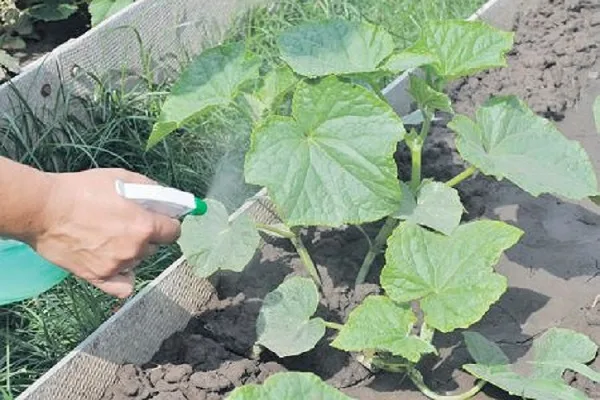
To fully realize the potential of cucumbers, apply 3-4 fertilizers containing potassium and phosphorus. Apply the first fertilizer when buds begin to form, then every 10 days. Use complex fertilizers such as Ideal, Plodorodie, Kormilets, Rodnichok, and others.
Use organic and mineral fertilizers: dissolve 200 g of mullein in 10 liters of water and add 5 g each of urea, potassium sulfate, and superphosphate. This regimen provides cucumbers with the necessary nutrients to achieve good yield and quality.
Hilling
The plant requires frequent irrigation, which can lead to rot. To prevent this, cover the bushes with soil every three days. Avoid allowing a hard crust to form around them. Hill the soil up to a height of slightly more than one-third of their height. Apply mulch around the trunk.
Diseases and parasites, prevention
Baby cucumbers can be susceptible to various diseases and pests. To maintain their health, learn the main symptoms, treatment methods, and preventative measures.
Common diseases and insects:
- Powdery mildew. It appears as a powdery coating on leaves and stems. Spray with fungicides and repeat treatment after 7-10 days. Prevention includes crop rotation, proper watering, and avoiding overcrowding.
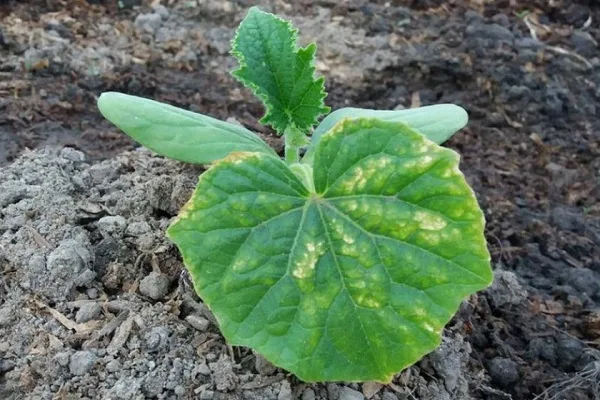
- Downy mildew (peronosporosis). Yellow spots appear on the upper side of the leaves, with a grayish-purple bloom on the underside. Treat with Oxychom or Ridomil Gold. Repeat after 10-14 days. Ventilate the greenhouse and destroy infected plants.
- Anthracnose. This is accompanied by brown spots on leaves, stems, and vegetables. Spray the bushes with copper-containing products, such as Bordeaux mixture or HOM. Remove plant debris, disinfect tools, and practice crop rotation.
- Root rot. The disease causes root rot, leading to complete wilting. Treat the plants with fungicides such as Fitosporin-M or Previkur. Follow watering guidelines and use healthy planting material.
- Aphid. Small insects appear on the underside of the leaves, causing them to curl completely. To control them, use insecticides such as Aktara or Fitoverm. Prevention: eliminate weeds and attract beneficial insects.
- Spider mite. When attacked by pests, small spots and fine webbing appear on the leaves. Treat the bushes with acaricides such as Fitoverm or Actellic. Prevention includes regular misting and maintaining high humidity.
- Whitefly. Small white insects attack the leaves, causing them to turn yellow and fall off. Use insecticides for treatment. Actellic and Confidor are considered effective. Use sticky traps and ventilate the greenhouse.
- Wireworm. The insect damages roots and stems, resulting in stunted growth. Treat the soil with insecticides such as Pochin or Bazudin. Remove plant debris, lime the soil, and practice crop rotation.
These recommendations will help maintain crop health and increase the volume of vegetables during harvest.
Harvesting and storage
Harvest the first fruits in July, 1.5 months after sowing. When harvesting, leave a small stalk, being careful not to damage the skin. Do not turn the stems. The vegetables will keep for 8-10 days in a cool, dark place.
Reviews
Malysh cucumbers are an excellent choice for those who value quality and ease of cultivation. Thanks to its numerous advantages, including disease resistance, excellent taste, and ease of care, this variety deservedly ranks among gardeners' favorites. Following the planting and care recommendations will ensure a bountiful harvest.