
Tom Thumb cucumbers are an excellent choice for any garden thanks to their disease resistance, productivity, and excellent flavor. This hybrid performs well both in open ground and greenhouse conditions. By following simple care recommendations and proper agricultural practices, you'll be able to grow high-quality cucumbers.
History of origin
The crop was developed by domestic breeders at the Manul Seed Breeding and Seed Company. E. A. Orekhova, O. N. Krylov, and A. V. Borisov worked on creating the hybrid. After successful testing in 2000, it was approved for cultivation.
Description of cucumbers
The bushes grow to 2.5-3 m in height, with vigorous central trunks and medium-length shoots. Branching is weak. This indeterminate hybrid has the following characteristics:
- Leaves - medium-sized, green in colour, with a slightly wrinkled structure and slightly wavy edges.
- Inflorescences – female type, form cluster ovaries of 2-3 to 5-6 fruits in each.
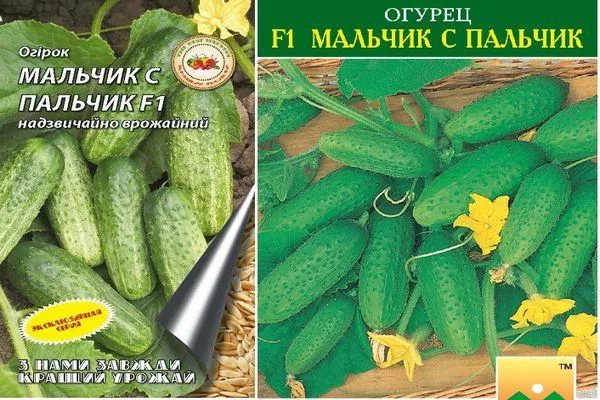
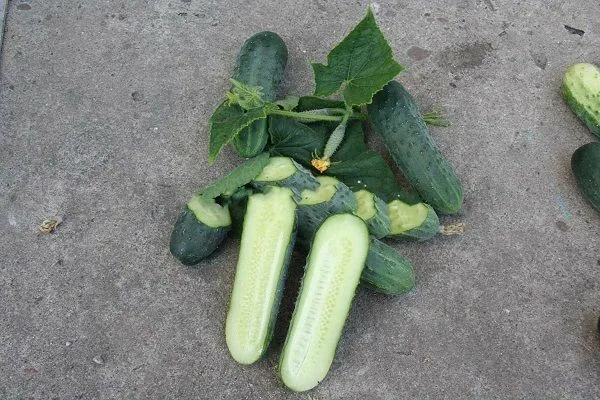
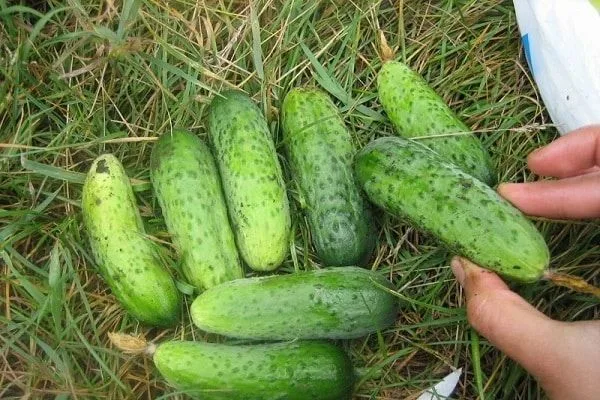
- Fruits – gherkin type, 6 to 10 cm long and weighing 50-65 g. They have an oval shape with a finely tuberculate surface on which there are sparse white spines.
- Pulp – elastic, crispy.
- ✓ The hybrid is highly resistant to sudden temperature changes, making it ideal for regions with unstable climates.
- ✓ It is distinguished by early and uniform fruiting, which allows you to collect the main harvest before the onset of widespread disease.
These vegetables have excellent flavor. They are ideal for salads, canning, and pickling. The cucumbers retain their firm texture and shape.
Characteristics of the variety
It belongs to the hybrids with early ripening periods: from the moment of emergence until the fruits are fully ripened, only 39-41 days pass.
Productivity
With proper agricultural practices, this crop produces generous harvests—10 to 13 kg of cucumbers can be harvested per square meter. To ensure a long harvest and maintain high yields, it's important to harvest the cucumbers daily.
Composition, properties, benefits, caloric content
These are miniature cucumbers that are often grown for fresh consumption and canning. They contain:
- Water: They are 95% water, making them a low-calorie and refreshing product.
- Vitamins: vitamin C, B vitamins (including folic acid), vitamin K.
- Minerals: potassium, magnesium, phosphorus, calcium, iron, zinc.
- Antioxidants: flavonoids, tannins, cucurbitacins.
- Dietary fiber: in small quantities.
Cucumbers are very low in calories, 15 kcal per 100 g. Their high water content helps maintain the body's hydration balance. Vegetables contain antioxidants, which help protect cells from damage caused by free radicals. They also contain substances that reduce inflammation.
Dietary fiber normalizes digestion. Vitamin C and antioxidants have a beneficial effect on the skin, making it firmer and healthier, while dietary fiber improves bowel function and prevents constipation.
Advantages and disadvantages
Before planting a crop, it's important to research its characteristics, including its strengths and weaknesses. The hybrid has many advantages:
The only minor drawback of the variety is that the yield from a windowsill may be lower than in a greenhouse, since Tom Thumb requires a lot of light for full fruiting.
Growing conditions
Plants are grown from both seeds and prepared seedlings. The rules are the same as for other varieties. For successful germination, create suitable conditions—warmth and moderate humidity.
- ✓ The soil pH level should be strictly within 6-7; for accurate measurement, use a pH meter.
- ✓ The soil must contain at least 4% organic matter, which can be verified by a soil test.
Follow the recommendations:
- To germinate the seeds, prepare the soil and plant them at a depth of about 1 cm.
- After filling the hole with soil, moisten it with a spray bottle and cover it with plastic to create a greenhouse effect.
- When the first shoots appear, remove the film.
Seeds and young seedlings should germinate in loose, moist soil. For optimal seedling growth, daytime temperatures should be above 20°C and nighttime temperatures should be no lower than 15°C. Regularly weed and loosen the soil to ensure optimal plant development.
How to grow?
Before planting, soak the seeds in a weak solution of potassium permanganate. This helps eliminate pathogens, fungi, and bacteria, and promotes better germination.
Planting by seeds and seedlings
Growing crops by direct sowing into the ground requires several recommendations. Follow them:
- Choose high-quality seeds from a trusted producer. Check the expiration date.
- The plant prefers fertile, well-drained soil with a neutral or slightly acidic pH (6-7). Prepare the beds by adding compost or humus to improve fertility.
- Sow directly into open ground when the soil warms to 15°C. Make holes 2-3 cm deep, leaving about 30-40 cm between them. Sow 2-3 seeds in each hole.
- After sowing, water the beds thoroughly. Keep the soil moist, but avoid standing water. When the first seedlings appear (after 7-10 days), leave one strong plant in each hole and remove the rest.
- If the seedlings are too dense, thin them out. To conserve moisture and reduce weed growth, mulch the soil around the plants.
Planting using seedlings is carried out according to the following scheme:
- Soak the seeds in warm water for 12-24 hours to improve germination. Treat them with a weak solution of potassium permanganate to prevent disease.
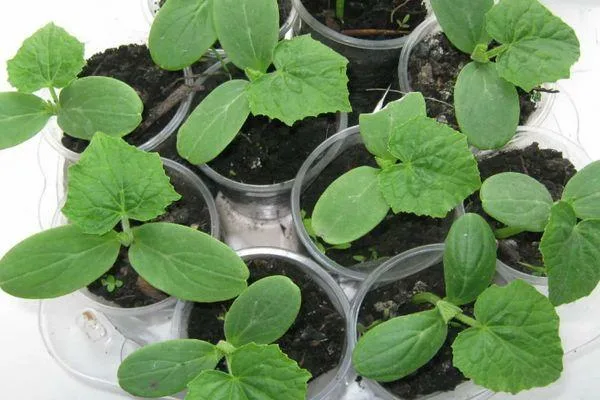
- Fill seedling trays or pots with light, fertile soil. Sow the seeds 1-1.5 cm deep, water, and cover with plastic wrap or glass to create a greenhouse effect.
- Keep the seedlings in a warm, bright place at a temperature of 22-26°C. Provide sufficient light, especially during the first few days. Water moderately, and do not allow the soil to dry out.
- When the seedlings have 2-3 true leaves, transplant them into larger containers if they were initially sown in a common container.
- One to two weeks before planting in open ground, begin hardening off the seedlings by taking them outside for a few hours a day, gradually increasing the time spent outside.
- When the soil warms to 15°C and the threat of frost has passed, plant the seedlings outdoors. Leave about 30-40 cm between them. Plant in the evening or on cloudy days to reduce stress on the plants.
Both planting methods have their advantages. Seed planting is simpler and faster, but seedlings produce an earlier harvest and ensure better plant development.
In greenhouses and apartments
The procedure for planting a crop in a greenhouse is similar to growing it in open ground. Follow these recommendations:
To disinfect the soil in summer, use a solution of potassium permanganate, and in autumn, use copper sulfate.
- Place no more than 3 plants per 1 square meter in the greenhouse.
- Maintain air humidity at around 80%.
- Install trellises to support growth and shape.
- Provide frequent and abundant watering: add 3-4 liters of water under the bush every 1-2 days.
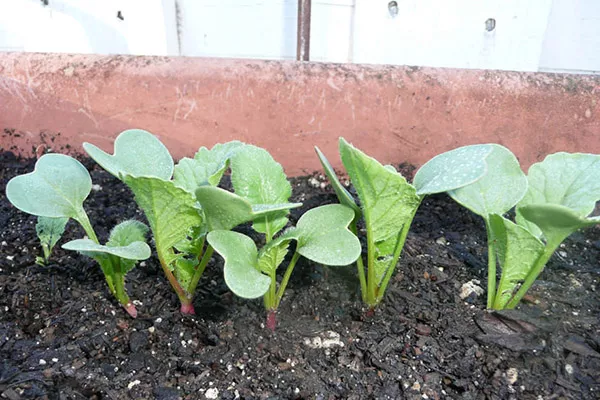
If you're planning to grow cucumbers indoors, pay attention to a few important details. For each stem, use 5 liters of soil. Use a peat-humus mixture or special soil for cucumbers from a flower shop.
In cloudy weather, provide additional artificial lighting. The photoperiod should be 12 hours per day.
Growing and care
For bushes, install vertical trellises and pinch back the main stem. Basic care includes:
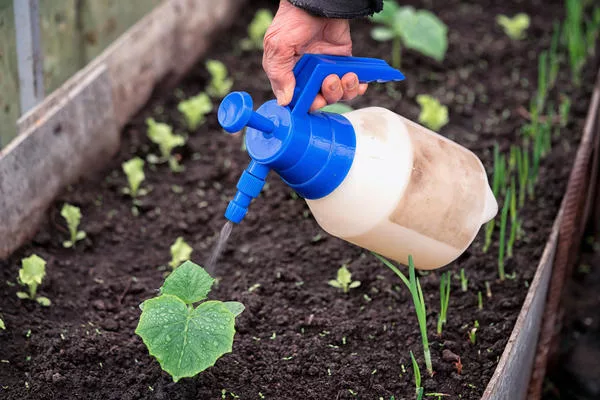
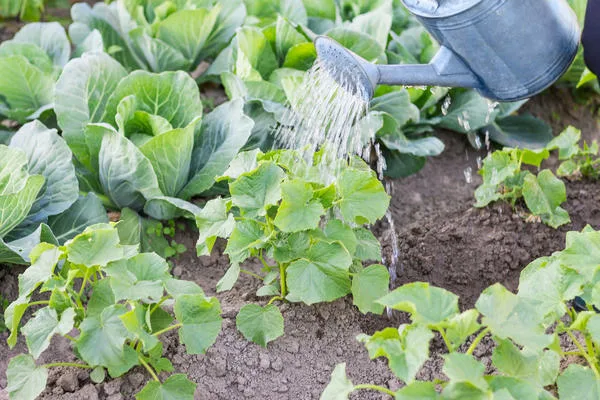
- Watering. The crop requires moderate moisture. Young plants require more frequent watering than mature specimens.
- Top dressing. The plant responds well to fertilizing. In the fall, add solid organic fertilizer to the soil. The ammonia will decompose over the winter, and the nutrients will remain in the soil.
Ten days after planting, add a general-purpose mineral fertilizer to stimulate foliage growth. During budding, apply mineral fertilizer again to improve flowering. Apply a final fertilizer once ovaries appear. - Formation. The bushes grow large, bearing a profusion of vegetables. To prevent the plants from rotting in damp soil, they must be tied to supports. This ensures even distribution of sunlight and promotes healthy growth.
Mature plants don't need pinching. To prevent disease, regularly remove old, wilted, and yellowed leaves.
During the growing season, apply organic fertilizers with caution, as the ammonia they contain can damage the root system. Use only liquid organic fertilizers, and water the plants with clean water after application.
Apply mineral fertilizers according to the instructions. Without supplemental fertilizer, yields may decrease by 30%.
To maintain soil moisture, mulch the roots with mown grass or straw. Regular weeding and soil loosening are important care procedures.
Possible difficulties
When growing hybrids, gardeners often make mistakes. These can lead to a poor harvest or even no harvest at all:
- improper ventilation of beds;
- insufficient lighting;
- excess or lack of moisture;
- errors in bush formation;
- untimely planting of seedlings in the ground or greenhouse;
- soil not enriched with mineral fertilizers;
- lack of fertilizing during the growing season;
- violation of the landing pattern.
Avoid planting cucumbers in the same place every year, as this will significantly reduce yield.
Diseases and pests
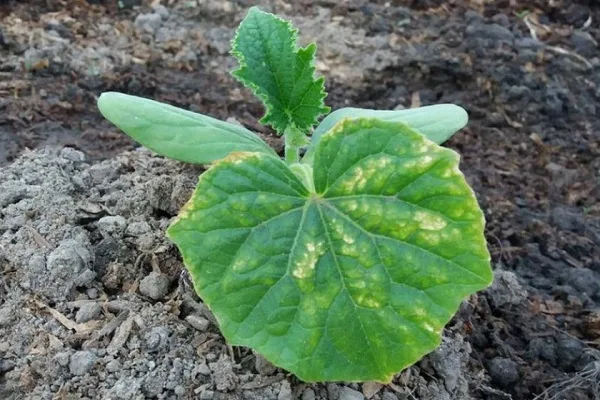
Tom Thumb is a hybrid with a strong immune system. It is resistant to cucumber mosaic, powdery mildew, and cladosporiosis. To prevent diseases and ensure a successful harvest of cucumbers, follow these guidelines:
- Treat seeds with a weak solution of potassium permanganate before planting for disinfection.
- Plant seedlings or planting material in warm soil for better development.
- Regularly weed the bushes to remove weeds that can carry diseases.
Fertilize the plants with mineral fertilizers and water them regularly to maintain health and ensure the cucumbers ripen for a long time.
Harvesting and use of the crop
Harvest regularly from June to August. Pick cucumbers every 2-3 days to improve fruiting. Do this carefully to avoid damaging the stems. For eating, choose cucumbers that are 7-10 cm long.
Reviews
Tom Thumb cucumbers are an excellent choice for any garden thanks to their disease resistance, productivity, and excellent flavor. This hybrid performs well both in open ground and greenhouse conditions. By following simple care recommendations and proper agricultural practices, you'll be able to grow high-quality cucumbers.