
Mal-mala-menshe F1 is a gherkin variety of cucumber. This early-ripening hybrid is of interest to domestic gardeners and farmers producing vegetables on an industrial scale. In addition to its early maturity and excellent commercial qualities, it boasts self-pollination, disease resistance, and suitability for both indoor and outdoor cultivation.
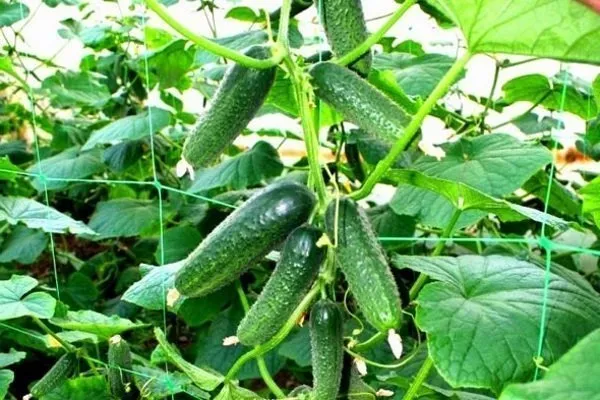
Introduction to the variety
This vegetable variety is parthenocarpic. Its bushes produce only female inflorescences during flowering. They are distinguished by their ability to self-pollinate.
The hybrid is considered early maturing. The crop ripens in 43–46 days after the seedlings emerge en masse. Fruiting occurs in July–August, is consistent, and is a cluster-type variety (each node produces several cucumbers). Vegetable growers harvest 10 kg of cucumbers per square meter of planting.
Other characteristics of the Mal-mala-smenshe cucumber are as follows:
- endurance (plants can withstand temperature fluctuations, cold spells and other stressful growing conditions);
- strong immunity (the bushes are rarely affected by the main cucumber diseases and insect pests);
- suitability for cultivation in different climatic conditions (the hybrid is successfully grown in the north, central and southern regions of the Russian Federation);
- uniformity of fruits, their excellent commercial qualities;
- excellent shelf life and transportability of the crop.
Characteristics of the appearance of the plant and cucumbers
The hybrid cucumber bushes are compact and low-growing. They are distinguished by the following external features:
- “height” – 40 cm (due to the medium height of the plant, it does not require mandatory tying to a trellis);
- underdevelopment of lateral shoots;
- Foliage: dark green, heart-shaped;
- The formation of the fruit ovary occurs on the third leaf.
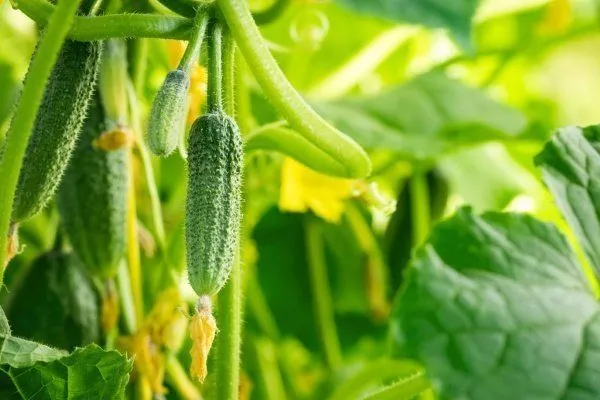
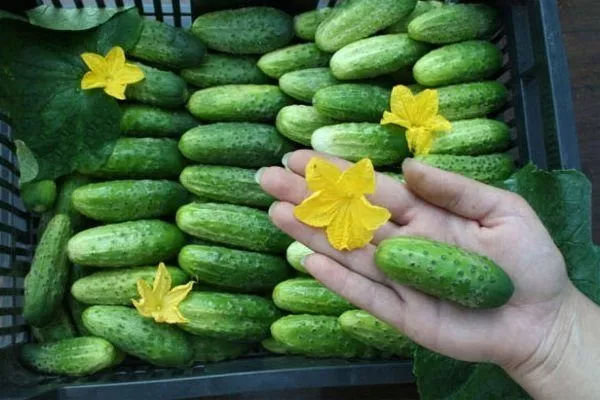
The Mal-Mala-Menshe cucumber variety produces uniformly sized, attractive cucumbers. The fruits are of the gherkin type and possess the following characteristics:
- small in size (length - 7-9 cm, diameter - 1.5-2.5 cm);
- weight - 35-55 g;
- cylindrical shape;
- bright green color;
- very bumpy skin;
- pubescence (spines) of white color;
- the flesh is elastic and crispy, but tender, juicy and aromatic.
When overripe, the fruits do not become tough, their skin does not thicken or turn yellow, and no voids form inside.
Purpose and taste of fruits
Gardeners harvest the hybrid when the fruits reach the size of pickles or later, at the gherkin stage. The cucumbers have a pleasant, refreshing flavor without a hint of bitterness. They are delicious both fresh and canned.
The purpose of the Mal-mala-menshe cucumber crop is universal:
- eating fresh;
- use as an ingredient in summer vegetable salads;
- pickling;
- canning.
Features of planting and preparation
Growing a hybrid is possible in two ways:
- seedlings;
- by sowing seeds directly into garden soil (if there is temporary shelter or in a greenhouse).
To obtain the earliest possible vegetable harvest, gardeners and farmers prefer the seedling method of growing cucumbers. They sow seeds to produce seedlings in April and May. The seeds are sown outdoors in May (this method is suitable for the warm climate of southern regions).
Grow seedlings according to the rules:
- use boxes with drainage holes in the bottom or peat tablets (prefer individual containers to avoid picking seedlings);
- To grow seedlings, use a nutritious soil mixture consisting of turf, compost, peat and mineral fertilizers;
- Sow seeds to a depth of 2 cm;
- provide the plants with warmth (+25°C), plenty of light and supplementary lighting with phytolamps;
- During the week before transplanting, harden them off by leaving them outside for half a day.
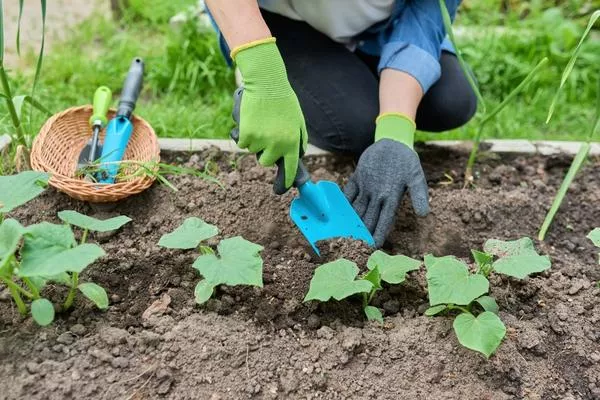
Transplant seedlings into the garden bed when they are 4 weeks old. Wait until all danger of frost has passed. Maintain a 60 x 15 cm (24 x 6 in) spacing. Provide cover for planting.
Care instructions
To get a bountiful harvest of gherkins, follow standard vegetable care. This includes the following procedures:
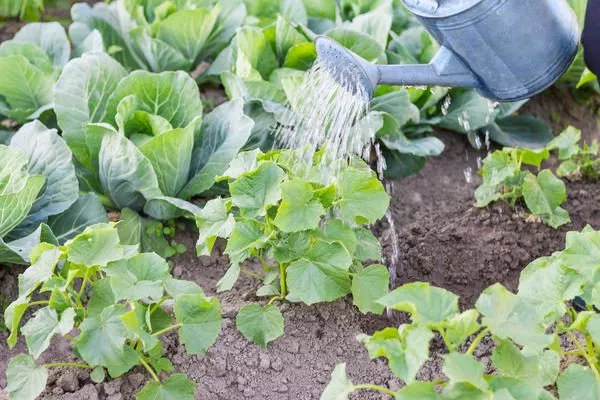
- WateringCucumbers require regular and generous watering. Water the beds after sunset. Use warm water. The optimal temperature is 23-25°C. Apply 2 liters of water per plant.
Before fruiting begins, water the plants once every 7 days, and then every 3-4 days. In cloudy weather, increase the interval between waterings. - Loosening the soilPerform this procedure every time after watering the bed to prevent a dense crust from forming on the soil surface, which prevents air from reaching the roots of the cucumber plant.
- MulchingBy using organic matter (sawdust, straw, non-acidic peat) to cover the soil under the bushes, you'll be able to retain moisture for a long time and suppress weed growth.
- Weeding. Remove weeds from your cucumber bed as they grow. If you don't mulch, you'll need to do this frequently. Combine this with watering and loosening the soil.
- FertilizationDuring the growing season, apply 3-4 fertilizers to the cucumber.
Apply the first fertilizer 14 days after transplanting the seedlings into the garden bed (at the 4-5 true leaf stage). Apply the second fertilizer when the bush begins to bud. Apply the third fertilizer during flowering. Time the fourth fertilizer application to coincide with the fruiting stage.
When growing a hybrid in poor soil, perform a fifth unscheduled feeding. When choosing a fertilizer, consider the appearance of the bushes, their growth stage, soil composition, and weather conditions.
The first feedings, which occur when the bush blooms, determine the quantity and quality of the harvest. At this stage, use an infusion of chicken manure (1:15), soaked for 3-5 days, or mullein (1:10). Apply 1 liter of liquid fertilizer per bush.
When fruit sets, the plant needs potassium and calcium. Feed it with wood ash.
Diseases and pests
The Mal-mala-Men hybrid is highly resistant to major cucumber diseases. If cultivation practices are not followed, its bushes are susceptible to fungal infections and pests.
To prevent plant diseases in your garden, take the following measures:
- use only warm water for watering;
- mulch the soil under the plants with sawdust;
- control the humidity level and temperature in the greenhouse;
- Use Quadris, Ridomil Gold, and copper sulfate for preventive treatment of cucumbers.
During the cucumber growing season, carry out prevention of aphid and whitefly infestations:
- As the cucumber vines and cucumbers grow, remove dried leaves and flowers, and diseased fruits;
- Disinfect the pruning shears after working with each plant;
- do not thicken the planting;
- Remove weeds in a timely manner.
If necessary, use commercial insecticides (Aktara, Inta-Vir) and folk remedies (tobacco dust, garlic clove infusion, onion peel decoction, etc.). Do not use pesticides during the fruiting period of cucumber plants.
Pros and cons
The crop has one significant drawback: the bushes’ increased need for regular watering and intensive fertilization.
Harvesting
Pick ripe cucumbers from the vines every two days. Harvest carefully, avoid twisting or lifting the stems to avoid damaging them.
After harvesting, use cucumbers within 15 days. After that, their flavor will decline. To extend the shelf life of the harvest, refrigerate them at a temperature of 5-12°C. For canning, choose the freshest gherkins.
Reviews
Mal-mala-menshe F1 is a hybrid popular with Russian gardeners. It is grown both in private gardens and on commercial farms. It is cultivated everywhere, even in the northern climates (in greenhouses). Thanks to its high yield, marketable appearance, and disease resistance, interest in this hybrid is growing every year.