
Makhaon cucumbers are a hybrid that has gained popularity among gardeners thanks to their exceptional qualities. Combining high yields, excellent flavor, and low maintenance, they are an excellent choice for both experienced and novice gardeners. With proper cultivation and careful care, you can grow robust plants producing juicy cucumbers.
Introduction to the variety
Swallowtail is the best choice for those who want fresh vegetables all summer long. Its versatility allows it to be grown both in open ground and under plastic cover, as well as on a balcony or windowsill. It is very popular among home gardeners.
Originators
The hybrid was developed by domestic specialists and approved for use in 2010. Breeders from the Manul company worked on developing the variety.
- ✓ Self-pollination ability, which eliminates the need for additional pollinator plants.
- ✓ Indeterminate growth pattern ensures continuous fruiting throughout the season.
External characteristics of the plant and cucumbers
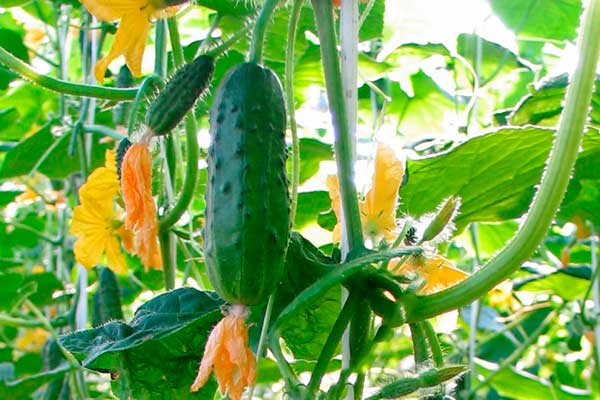
This self-pollinating crop doesn't require the presence of other plants for pollination. The Swallowtail cucumber has an indeterminate growth habit, continuing to grow and produce fruit throughout the season. The bush forms long main stems with little branching. The leaves are small and green.
Taste and purpose
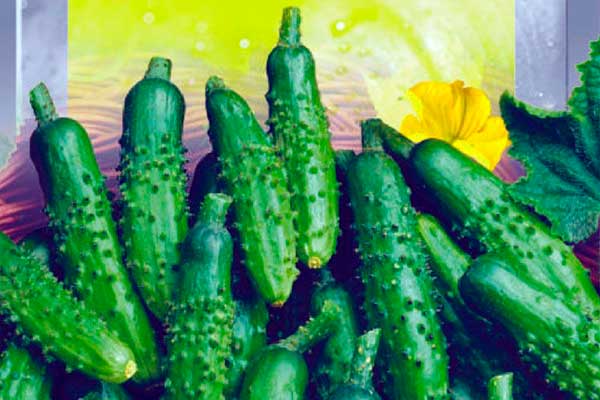
This is a versatile variety. The cucumbers are used not only for fresh consumption but also for winter preservation. They retain their flavor when pickled or canned. They are not bitter, making them popular in a variety of dishes.
When ripe, the yield
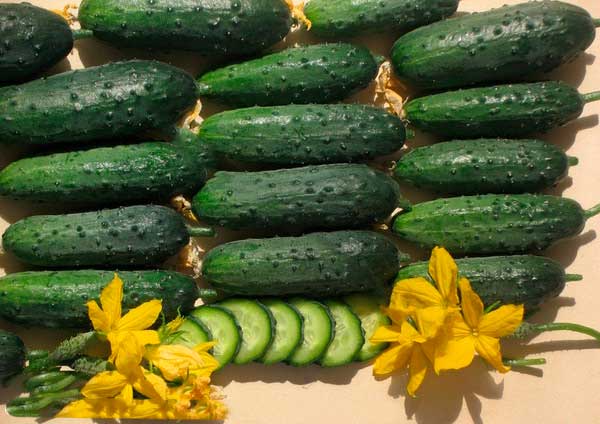
This is an early-ripening variety. The first green fruits appear within 15-20 days after shoots emerge. The yield of this variety is approximately 13-14 kg per square meter.
Positive and negative qualities
Before planting a new variety, it's important to study its positive and negative qualities. Hybrids have many advantages:
Among the disadvantages, gardeners note high watering requirements and the importance of frequent fertilizing, as well as sensitivity to temperature changes.
Landing features
Growing vegetables takes time and patience. There are several key steps to follow before you can enjoy your harvest.
Site preparation
The crop prefers sunny, wind-protected locations. Avoid planting bushes in the same spot for several years in a row. Good predecessors include legumes, onions, cabbage, potatoes, and tomatoes.
Helpful tips:
- The soil should be light, fertile, well-drained and neutral acidity (pH 6.5-7).
- In the fall, before planting, dig the area to a depth of 20-25 cm and add organic fertilizers such as humus or compost (4-6 kg per 1 sq. m).
- In spring, dig up the soil again and add mineral fertilizers: 20-30 g of superphosphate, 10-15 g of potassium salt and 15-20 g of ammonium nitrate per 1 sq. m.
- 1-2 weeks before planting, treat the soil with biological preparations to improve its structure and enrich it with beneficial microflora.
- The beds should be about 20-30 cm high and 1-1.2 m wide. Leave 60-70 cm wide passages between the beds.
- Cover the area with black film to warm the soil and reduce moisture evaporation.
- A few days before cultivation, prepare holes or furrows 10-15 cm deep.
- ✓ The soil pH level should be strictly within 6.5-7.0, deviations can lead to a decrease in yield.
- ✓ The soil must contain a high percentage of organic matter (at least 4-6 kg per 1 sq. m) to provide the necessary nutrition.
Germination of seeds
Sow seeds in various containers: boxes, planters, or pots, preferably with a double bottom. The top bottom serves as a drainage surface, and the bottom serves as a tray.
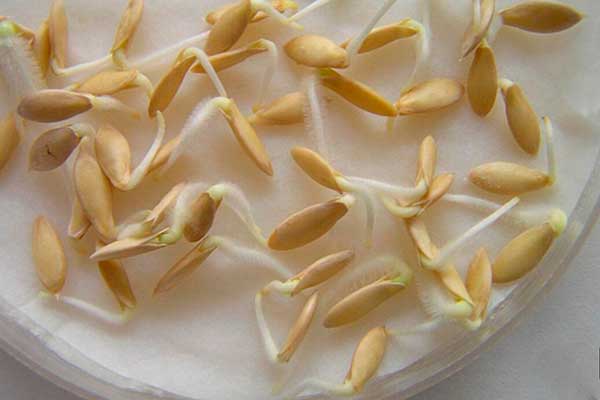
The plant requires a lot of water, so water it thoroughly and regularly. Fill the container with potting mix, leaving 5-6 cm from the top.
As the seeds grow, the soil will settle, and you can add more to the desired level. Each seedling requires at least 5 liters of substrate to prevent the soil from drying out during the fruiting period. Use any loose soil (except dense soil with clay), lowland or high-moor peat, or a mixture of peat and soil.
Planting seedlings
Carry out the procedure in early May. Sow the seeds in well-moistened soil to a depth of 1.5-2 cm and cover with damp, sifted soil, compacting it lightly.
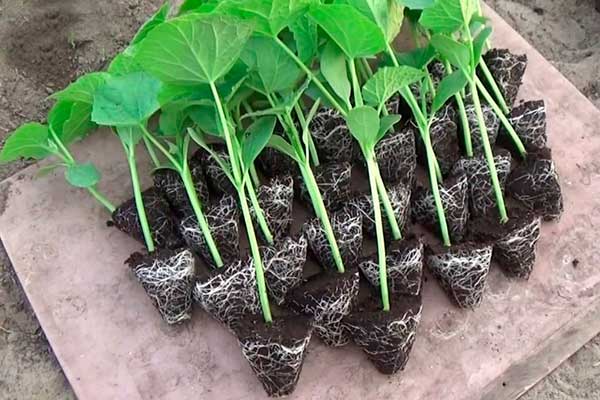
Cucumbers are temperature-sensitive: daytime temperatures should be between 20-25°C and nighttime temperatures should be between 18-19°C. Plant seedlings between 10 and 20 days old, when the plants already have 2-3 true leaves. However, this variety can be planted with older specimens without losing quality.
Care
For a novice gardener, growing your own cucumber crop is a completely achievable goal. You just need to properly care for the seedlings: consider the characteristics of the chosen variety, water and feed them regularly, and protect them from pests.
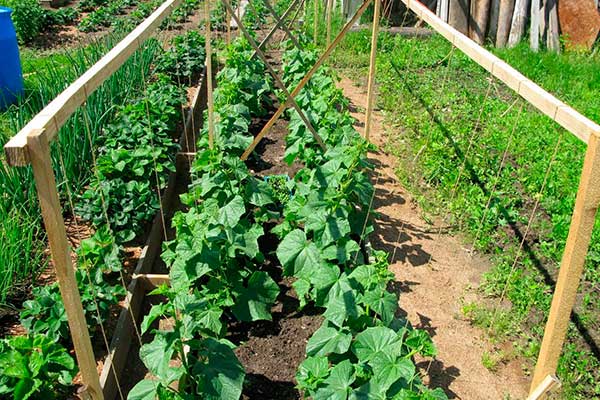
Watering
Swallowtail requires a lot of water, as its large leaves actively evaporate moisture. Water the plants during flowering and fruit formation to prevent bitterness.
Top dressing
This procedure is essential for proper growth and abundant fruiting. The optimal fertilizing schedule is as follows:
- Two weeks after planting the seedlings in the ground or after 2-3 true leaves appear, use a complex mineral fertilizer containing nitrogen, phosphorus, and potassium. For example, nitroammophoska (15-20 g per 10 liters of water).
- At the beginning of flowering, use potassium fertilizers (for example, potassium sulfate) and organic compounds (infusion of mullein or bird droppings, diluted in a ratio of 1:10).
- During the fruiting period, use potassium and phosphorus fertilizers, as they promote the formation and ripening of cucumbers. Apply an ash infusion (400 g of wood ash per 10 liters of water). Repeat after two weeks, if necessary, especially if the plants continue to bear fruit actively.
Fertilize the plants after watering to avoid burning the roots. For foliar feeding (on the leaves), use a weak urea solution (5 g per 10 liters of water) or a special complex fertilizer for cucumbers.
Diseases and parasites
The crop can be susceptible to various diseases and pests, which can negatively impact the yield and quality of the cucumbers. It's important to begin treatment promptly:
- Powdery mildew. Characterized by a white, powdery coating on the leaves, use fungicides and protect from drafts to control it.
- Peronosporosis. It causes yellow spots on leaves, which can dry out and fall off. To prevent this, treat plants with special preparations and follow proper agricultural practices.
- Root rot. It manifests itself as root and stem rot. Prevention involves proper watering and improved drainage.
- Aphid. It sucks the sap from the shoots, which can lead to deformation and stunted growth. To control the pest, use insecticides or folk remedies, such as a soap solution.
- Spider mite. It forms a fine web and sucks out plant sap. To control it, use acaricides and spray plants regularly.
- Whitefly. A pest that causes yellowing and drying of leaves. For control, use insecticides and traps.
To successfully grow Makhaon cucumbers, it's important to carefully monitor the plant's condition and take timely measures to combat diseases and pests. This will help ensure healthy growth and development.
Harvesting and storage
The green cucumbers retain their tender flesh and good flavor only for a short time, so pick them regularly, every 1-2 days. It's best to pick them early in the morning or evening to prevent them from overheating and wilting.
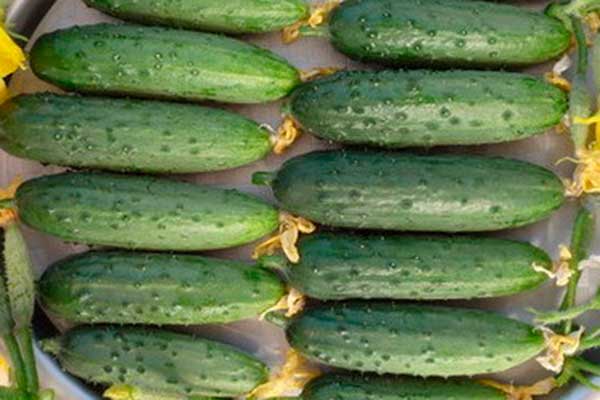
Due to their high water content, cucumbers are not suitable for long-term storage. They retain their flavor in the refrigerator for about a week. Vegetables grown outdoors should be stored for no more than two weeks at temperatures of 7 to 10°C and a relative humidity of 80%.
Reviews
Makhaon cucumbers offer many advantages, including excellent quality, consistent yield, and ease of cultivation. This variety adapts well to a variety of conditions and is suitable for a variety of uses. With proper care and storage recommendations, you'll enjoy delicious, juicy cucumbers all summer long.