
Magnit cucumbers combine excellent productivity, exquisite flavor, and ease of cultivation. They produce beautiful, large fruits and are adaptable to a variety of growing conditions. The plants are resistant to disease and low light, making them successful in all regions of the country, provided they are properly cared for.
Who developed the variety and when?
Magnit is a hybrid cucumber variety created by Gavrish S. F., Portyankin A. E., Shamshina A. V. and Shevkunov V. N. and approved for use in 2009. It belongs to the salad category.
Magnet Characteristics
The plant has green leaves that reach medium to large sizes. It produces predominantly female flowers, with one to three female flowers forming at each node.
The taste and use of cucumbers
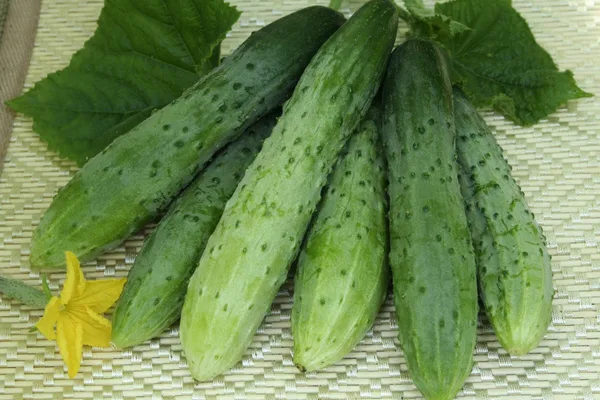
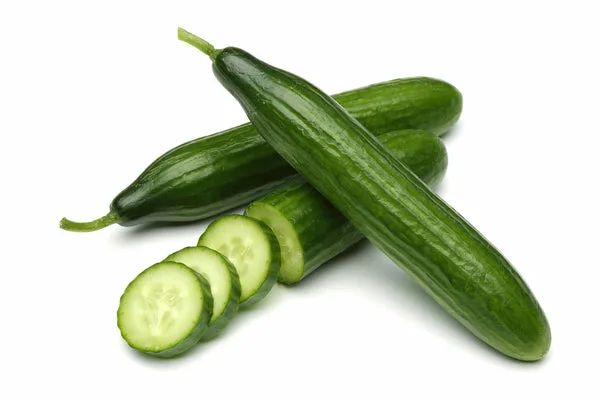
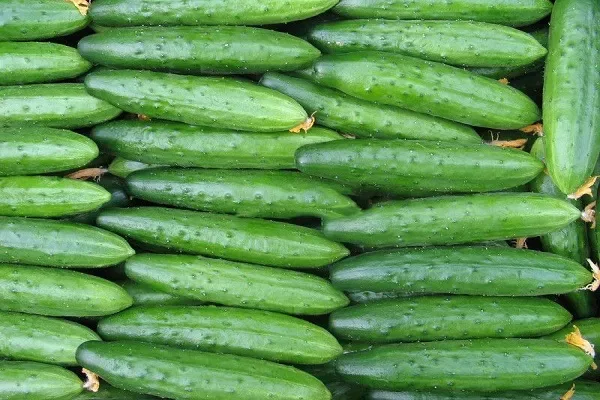
The fruits are cylindrical in shape, with green skin, small ribs, and bumpy textures. The cucumbers are long—19-21 cm. Each cucumber weighs between 124 and 126 g. White spines are present on the surface.
Climate
The crop grows best in a moderate climate with adequate warmth and moisture. The optimal temperature for cucumber growth and development is between 20 and 30°C. Nighttime temperatures should not drop below 12-15°C, as the vegetables are sensitive to cold.
Maturation
Magnit is a late variety, ripening 69-72 days after emergence.
Productivity
The hybrid is distinguished by its high yield. On average, 20.1 to 31 kg of cucumbers are harvested per square meter, with the highest yields achieved in greenhouses.
Pros and cons
The variety has no significant disadvantages.
The nuances of agricultural technology
Plant according to the traditional pattern used for many cucumbers. When growing plants in a spreading pattern, space them about 50-60 cm apart, with a 30 cm spacing between rows. When tying shoots to trellises, space plants at least 25 cm apart.

- ✓ Use only warm water (not lower than +20°C) for watering to avoid stressing plants.
- ✓ Water at the roots, avoiding water getting on the leaves to prevent the development of fungal diseases.
Provide the seedlings with care:
- Watering. This is a moisture-loving variety, so it requires frequent watering. Water once a week before flowering, then every 3-4 days. In extreme heat, water daily. If watered infrequently, the cucumbers will be bitter and their flesh dry.
- Loosening and mulching. Magnet prefers loose, well-drained soil. Loosen the soil and weed regularly. To reduce the frequency of loosening, mulch the beds.
- Top dressing. Fertilize at least four times per season. Use commercial mineral fertilizers containing all the necessary elements. When the plant begins to bear fruit in large quantities, apply a final fertilizer using 200 g of wood ash per plant.
In addition to these measures, remove excess ovaries, shape the bushes, and tie them up. Cut off any leaves that are turning yellow so the plant doesn't waste energy feeding them.

When to start harvesting?
Begin harvesting 69-72 days after germination. This typically occurs in mid-summer, depending on the sowing time. Signs of readiness include the cucumbers reaching their typical size (19-21 cm) and fully developing color.
- ✓ Fruits should be bright green without yellowing.
- ✓ The spines on the fruit should be soft, indicating optimal ripeness.
Harvesting recommendations:
- Harvest cucumbers regularly, every 2-3 days, to stimulate new growth and prevent over-ripening.
- Harvest early in the morning or late in the evening when temperatures are cooler to preserve the freshness of the fruit.
- Cut or pick the greens carefully so as not to damage the plant and neighboring specimens.
After harvesting, store cucumbers in a cool place to preserve their freshness and flavor.
Storage conditions
The optimal storage temperature is between 6 and 8°C. Under these conditions, cucumbers remain fresh for a long time. High humidity (around 90-95%) is necessary to prevent them from drying out. Too dry an environment can cause them to lose their juiciness.
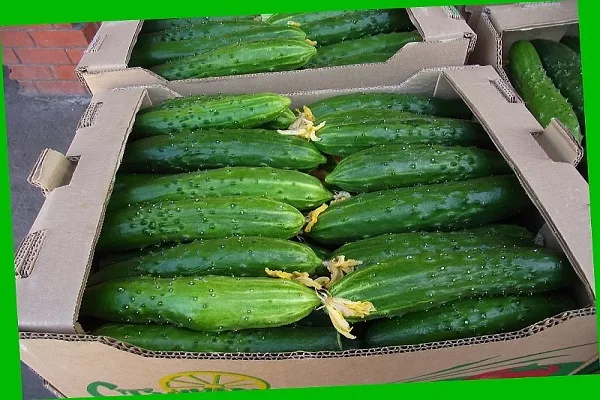
Store your harvest in plastic or wooden boxes lined with paper or fabric to prevent mechanical damage. Ensure proper storage conditions: a cool, dark place, protected from direct sunlight. This could be a basement, cellar, or refrigerator.
Good air circulation is important to prevent rot and mold. Cucumber boxes should not be sealed tightly. Store them separately from other fruits, such as apples and bananas, as they emit ethylene, which accelerates ripening and spoilage.
Tips for extending shelf life:
- Don't wash the cucumbers, as moisture on the surface can accelerate spoilage. Do this immediately before eating.
- Place the fruit in perforated plastic bags to help retain moisture but avoid excess condensation.
- Wrap vegetables in paper or cloth to keep them fresh and absorb excess moisture.
While cucumbers don't freeze well when fresh, they can be pre-cut and frozen for later use in soups, smoothies, or other dishes.
Reviews
The Magnit cucumber variety is deservedly popular among gardeners thanks to its excellent characteristics and unique qualities. It boasts good yields and excellent flavor, and is highly adaptable to a variety of climates. With proper care, it will yield generous harvests and high-quality, juicy cucumbers.