
The Madrilene F1 cucumber is a promising Dutch-bred variety with excellent flavor characteristics. As befits a "Dutch" variety, Madrilene is productive and hardy, making it a favorite among Russian gardeners and cucumber lovers.
History of Madrilene's breeding
The Madrilene F1 cucumber is a hybrid developed by Monsanto breeders. The US company Semenis holds the copyright for the variety. The hybrid was approved for cultivation in 2017 and is a new addition to the Russian seed market.
Description of the Madrilene variety
The plant is indeterminate (with unlimited growth), with medium branching. The leaves are medium-sized and green. The flowering type is female, with two flowers usually per node.

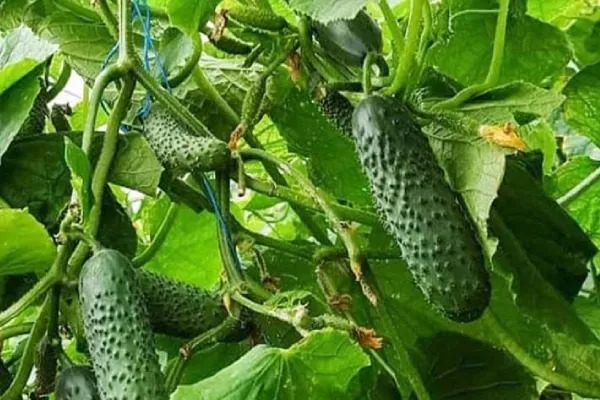
The cucumbers grow small, dark green, and reach 10 cm in length. They weigh 70-80 g. The fruits are uniform and cylindrical. The skin is thick and has no waxy coating. They have small, spiked bumps.
Growing regions
Madrilene F1 is recommended for cultivation throughout almost the entire country. The variety is excellent grows in the Urals and in the North Caucasus, Siberia, the Far East, and the northern and northwestern regions of the country. It is ideal for growing in greenhouses and under temporary plastic covers.
Taste and application
The Madrilene hybrid has excellent taste characteristics, it has quite dense flesh and a characteristic cucumber aroma.
Ripening time and yield
The Madrilene F1 cucumber is a parthenocarpic hybrid with a mid-season ripening period. It has a fairly high yield—approximately 12-13 kg per square meter.
Suitable for temporary and permanent greenhouse structures. Grows well in warm and open beds.
Pros and cons
Before planting the Dutch cucumber Madrilene in your garden, it's worth familiarizing yourself with all its advantages:
The Madrilene variety has no particular flaws. The only thing worth noting is its tendency to degenerate—if harvested spontaneously, it's possible to see no harvest by the third year. However, this is typical of any hybrid. Furthermore, it's not recommended to harvest hybrid seeds for planting.
Planting cucumbers in Madrilene
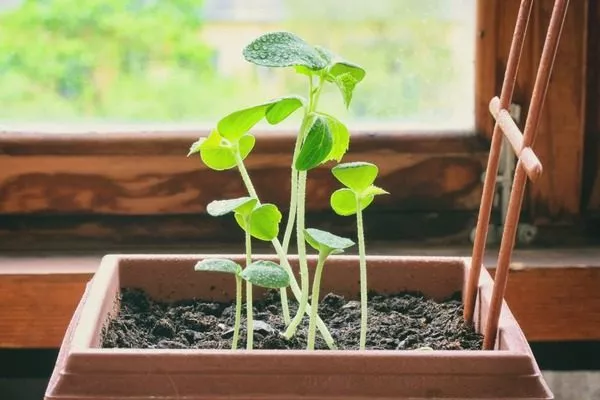
This variety can be grown by sowing directly into the ground or from seedlings. Seedlings can be grown on a windowsill or in a winter greenhouse. For growing, use disposable cups, either regular or peat. Planting occurs after about a month.
- ✓ The soil pH level should be strictly within 6.0-6.8 for optimal nutrient absorption.
- ✓ The organic matter content of the soil should be at least 4% to ensure sufficient nutrition.
Landing features:
- It tolerates shade well, so it can be planted between buildings or near tall plants that provide shade. The key is to have a level area that doesn't allow water to accumulate.
- Seedlings can be sown in winter, spring, and summer. Generally, sowing occurs from January to June. They can be grown in greenhouses almost year-round. When growing seedlings, phytolamps are used, with the lamps turned on for 6-8 hours in January. Planting in open ground occurs when the soil warms to 15-18°C.
- The soil for planting should be nutritious, loose, permeable, rich in humus, and neutral in pH. The soil is prepared in the fall by digging it in with fertilizers and other components necessary to improve the structure and quality of the plant.
- In greenhouses, planting holes are prepared with intervals of 35-40 cm between them and 70 cm between rows. Avoid dense plantings to avoid disease. The recommended planting frequency in greenhouses is 2.5-2.7 plants per square meter. In open beds, plants can be planted more densely, with 4 plants per square meter.

- The recommended seedling hole width is 15 cm and depth is 20 cm. Add a couple of handfuls of organic matter to the bottom, then place the seedling, cover the roots, firm the soil, and water with warm, settled water. Sprinkle the soil around the planted seedlings with wood ash.
- If planting from seeds, place them at a depth of 3 cm. Place 2-3 seeds in each hole. When seedlings emerge, leave the strongest sprout and carefully remove the others.
How to care for the Madrilene variety
The Madrilene variety produces high yields, but only with specific care. It requires watering, fertilizing, and other standard maintenance.
Care features:
- This variety requires moderate watering. Avoid allowing the soil to dry out or become overwatered. If the summer is dry, water daily. In extreme heat, the beds should be watered twice a day. The best times for watering are morning and evening.
- During the growing season, apply at least three fertilizer applications. The first application is with saltpeter, one week after planting the seedlings. If sowing directly into the ground, apply fertilizer when the first 5-6 leaves have formed.
The second feeding is done during the fruiting period, using mineral fertilizers. The third feeding is done before fruiting begins, at which point the cucumbers are fertilized with organic matter, such as diluted cow manure or bird droppings. - The beds are periodically loosened and weeded. It's important to prevent the formation of a hard crust, which prevents oxygen from reaching the roots.
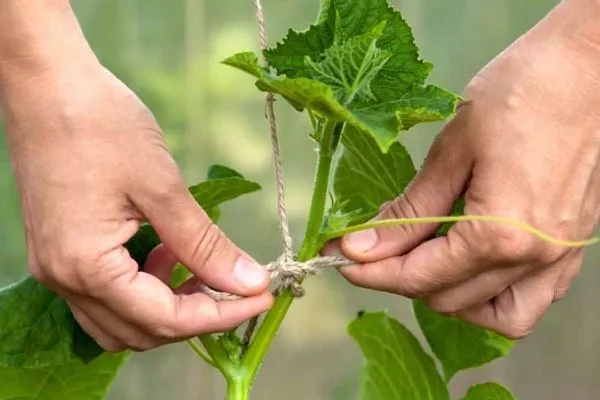
- The variety is indeterminate and therefore requires staking. The plant requires growth correction—the tops are bent to match the height of the trellis. Training requires a single stem (instructions). Here), lateral shoots are torn off, lower and yellowed leaves are removed in a timely manner.
- Ten days after planting the seedlings, apply a complex mineral fertilizer with a high nitrogen content (NPK 20-10-10).
- During the flowering period, use a fertilizer with a high phosphorus content (NPK 10-20-10) to stimulate the formation of ovaries.
- During fruiting, apply potassium fertilizers (NPK 10-10-20) to improve fruit quality.
Diseases and pests
The Madrilene F1 hybrid is highly resistant to diseases, including cucumber mosaic virus, brown olive spot, and powdery mildew. Under waterlogged conditions and unfavorable growing conditions, plants can be susceptible to gray rot and root rot, which can be controlled with copper sulfate and bleach, respectively.
How to harvest properly?
The cucumbers are harvested daily. This stimulates the formation of new ovaries and ensures a high yield. This approach can increase the yield by 50%.
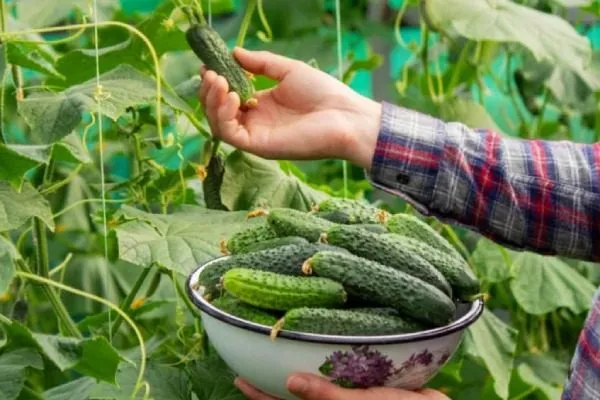
Store cucumbers in a cool, dark place or in the bottom drawer of the refrigerator. Madrilene cucumbers stay fresh and marketable for about a week.
Reviews
The Dutch hybrid Madrilene is undoubtedly valuable for greenhouse cucumber growers. This variety allows for multiple harvests throughout the year, is productive, highly marketable, and boasts excellent flavor.