
Lyutoyar F1 is a parthenocarpic (self-pollinating) cucumber hybrid popular with domestic gardeners. Its popularity is due to its ultra-early ripening, resistance to many dangerous diseases, and good tolerance to adverse growing conditions. It is suitable for both open-air and protected cultivation.
Introduction to the variety
This vegetable variety is suitable for both home gardening and commercial cultivation on an industrial scale. This is facilitated by its many excellent characteristics.
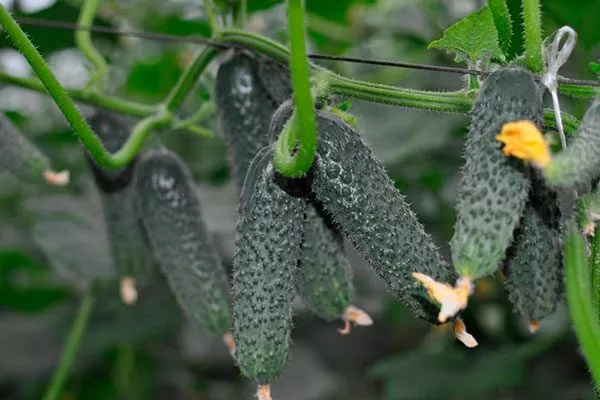
Originators
Lyutoyar is an achievement of Turkish breeding. It was developed by employees of the company Yuksel Tohum. In 2016, it was approved for use and quickly spread throughout Russia, Ukraine, and other European countries.
Characteristics of the appearance of the plant and cucumbers
The Lyutoyar hybrid bushes are indeterminate. They are strong and tall, with vigorous growth. They have the following external characteristics:
- the length of the main stem is up to 3 m (the liana-like structure of the plant requires its mandatory fixation on a trellis);
- medium degree of branching;
- shortened lateral shoots;
- leaves: dark green, medium-sized, five-lobed;
- Flowers: bright yellow, crown-shaped, female.
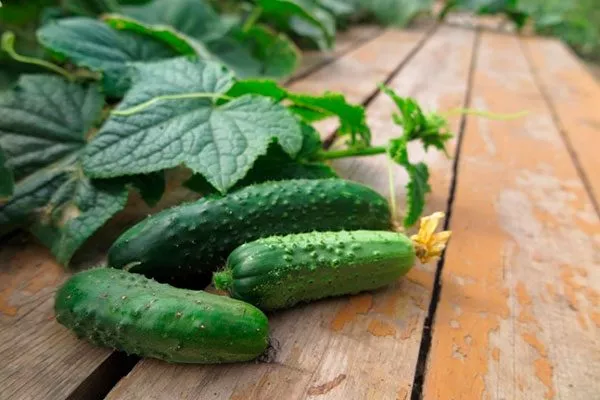
Turkish cucumbers have a distinctive commercial appearance. They are harvested when they reach the gherkin stage. They have the following characteristics:
- regular cylindrical shape;
- weight - 90-110 g;
- length to diameter ratio of 3:1;
- small in size (8-12 cm in length, 2.5-3.5 cm in diameter);
- dark green, large-tuberculate skin;
- dense pulp with a crunch and a pronounced cucumber aroma;
- absence of voids inside the pulp;
- poorly developed seed chamber.
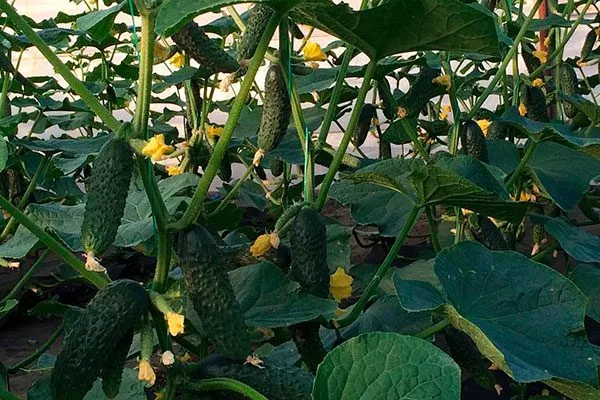
These gherkins retain their appetizing appearance even in adverse weather conditions. They are not prone to yellowing. In hot weather, the skin remains dark green, and the harvest remains attractive.
Taste and purpose
Lyutoyar cucumbers have a rich, fresh flavor, with a hint of sweetness and no bitterness. They are ideal for fresh eating, salads, pickling, fermenting, and canning.
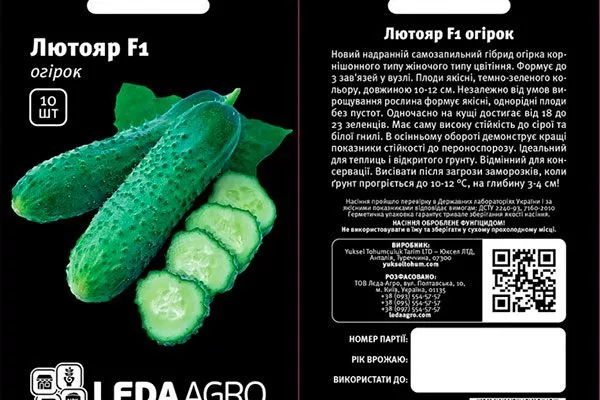
Gherkins are the best choice for winter preserves. Their small size, attractive shape, and firm consistency ensure high-quality vegetable preserves, especially whole cucumbers. Pickled or salted cucumbers are crispy and delicious, and don't soften in the jars.
Composition, benefits
The harvest of the Lyutoyar hybrid is not only delicious but also healthy. Gherkins contain many nutrients valuable for the human body:
- fiber;
- vitamins (A, C, group B);
- minerals (potassium, magnesium, zinc, iron, iodine and others).
The product is considered dietary. It's low in calories (100 grams of pulp contains 30 kcal) and completely fat-free. It's 90% water. It boasts several healing properties:
- diuretic;
- decongestant;
- cleansing the body of toxins;
- normalizing water-salt balance;
- strengthening the immune system.
Cucumbers are beneficial for dehydration and kidney problems. They help strengthen the heart, normalize thyroid function, strengthen the nervous system, and rejuvenate the body. They are also used in cosmetology for toning and moisturizing the skin.
When ripe, the yield
Ultra-early harvest maturity is the hallmark of the Lyutoyar hybrid. Cucumbers can be harvested as early as 35-40 days after germination. Under unfavorable weather conditions (temperature fluctuations, cold snaps), the growing season can extend to 55 days.
Turkish cucumber bushes produce fruit consistently and abundantly. One plant produces 18-25 fruits. Yield figures are as follows:
- 12.8 kg - collected by summer residents from 1 square meter of cucumber bed;
- up to 30 kg - yields 1 bush for the entire fruiting period.
The vegetable crop's yield remains high even in unfavorable weather. The fruits are shelf-stable and easy to transport.
Soil requirements
Lyutoyar dislikes acidic soil, as well as heavy clay soil with reduced air permeability. It grows best in garden soils with the following characteristics:
- loose;
- lungs;
- moderately moistened;
- neutral in acidity;
- sandy loam or loamy;
- fertile.
- ✓ Soil pH level should be strictly between 6.0-7.0 for optimal growth.
- ✓ Drainage is mandatory to prevent water stagnation.
If the soil in your area doesn't meet these requirements, deacidify it with dolomite flour or chalk, and improve its structure with sand and other loosening agents. Prepare the soil for cucumber planting by digging and adding fertilizer (organic and mineral). Do this in advance, in the fall.
Regionality and climatic conditions
The hybrid is renowned for its resistance to adverse weather conditions, particularly drought. It thrives and produces high yields almost everywhere, even in the northern regions of Russia, thanks to its ability to thrive indoors (in greenhouses, hothouses).
Cultivation of the Lyutoyar vegetable crop is possible in the following regions:
- Northern;
- North-West;
- Central;
- Volga-Vyatka;
- Central Black Earth Region;
- North Caucasian;
- Middle Volga;
- Lower Volga;
- Ural;
- West Siberian;
- East Siberian;
- Far Eastern.
How to grow it yourself?
The hybrid can be grown not only in spring and summer but also in summer and fall. Gardeners in the southern regions successfully cultivate it in open beds. In the north, it can only be grown in protected soil.
In both cases, a vertical growing method is shown, which ensures space savings, ventilation of the bushes and makes their care easier.
Seedling method
Grow hybrid crops from seedlings to maximize harvesting time. Begin sowing seeds in late March or early April.
Planting seeds
There's no need to prepare the seed for planting. It's already been treated by the manufacturer and doesn't require soaking or germination. Sow the seeds in containers filled with fertile soil mixture:
- glasses with a drainage hole at the bottom;
- peat pots or tablets;
- wooden boxes (they are acceptable to use, but not recommended, since growing seedlings in shared containers requires the obligatory picking of seedlings, a procedure that can damage them).
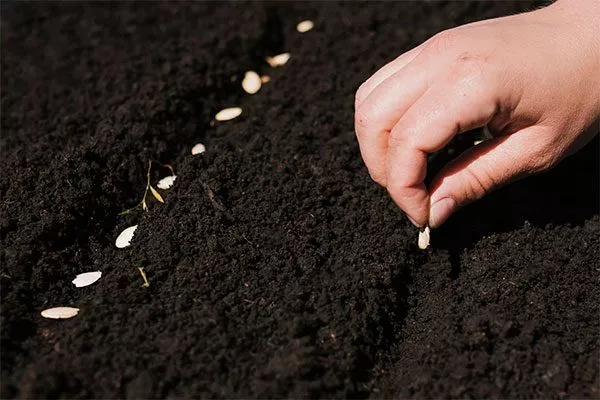
Sow two seeds per individual container. Bury them in the soil to a depth of 1.5-2 cm. After the seeds germinate (this will take approximately 3-4 days), remove one of the two seedlings, leaving the stronger-looking plant in the cup.
Conditions for seedlings
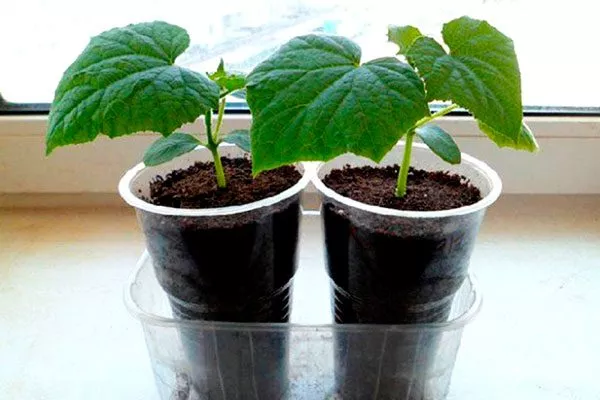
Keep the seedlings warm (25°C) until the sprouts emerge en masse. Then, reduce the temperature to 18°C. Reduce humidity and provide plenty of light. Maintaining these conditions will prevent the seedlings from overgrowing. Ventilate them periodically and water them with warm, settled water.
Planting in the ground
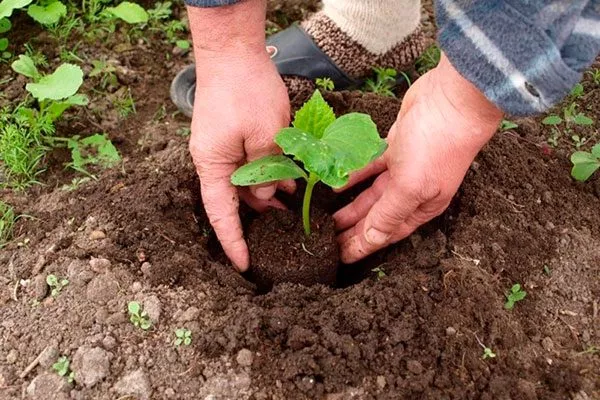
At one month old, the seedlings will be ready to be transplanted to the garden. By this time, each seedling should have formed 2-3 true leaves. Transplant them to the garden bed under the following conditions:
- there is no threat of frost returning;
- the soil was warmed by the sun to +15-18°C.
Planting seeds in the ground
If you prefer the seedless method of growing in an open bed, sow the seeds of the Lyutoyar hybrid in garden soil at the end of May.
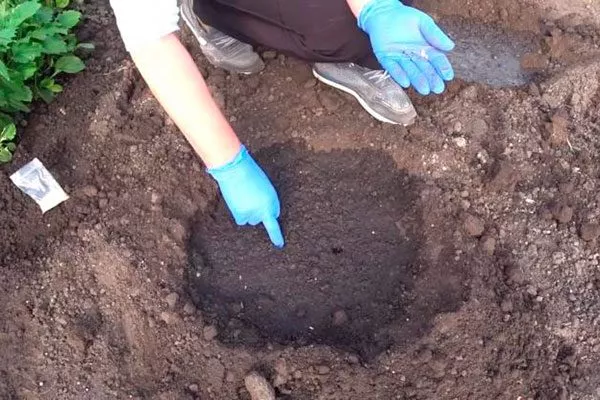
Set aside a plot of your garden for planting cucumbers that has the following characteristics:
- smooth;
- solar;
- protected from drafts;
- previously used for growing onions, garlic, beans, cabbage - the best predecessors for cucumbers;
- 21 days before sowing, fertilized with organic matter, peat and dolomite flour.
Sow hybrid cucumber seeds in open ground, following the scheme:
- double-row or checkerboard;
- distance between plants - 50 cm;
- row spacing - 50-60 cm;
- seeding depth: 1-1.5 cm.
Water the seedlings, sprinkle them with a layer of mulch (sawdust), and cover with plastic film. The temporary cover can be removed once the seedlings emerge and become established.
Further agricultural technology
The Lyutoyar hybrid is easy to care for and requires standard farming techniques. To ensure a bountiful harvest, ensure timely watering, weeding, loosening, and fertilizing. Particular attention should be paid to tying and shaping the bushes.
Spraying, watering
This vegetable crop is known for its moisture-loving nature. Its water requirements are especially high during and after flowering.
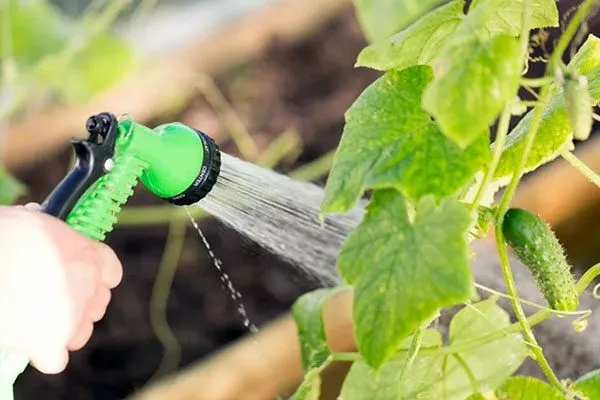
Follow the rules for watering Turkish cucumber:
- do not allow the soil under the bushes to dry out between waterings;
- water the plants only with warm water;
- Observe the watering rate - 8-12 liters per 1 sq. m;
- water the bushes at the roots in the morning;
- in the evening after the heat subsides, spray them on the leaves;
- moisten the soil to a depth of 20 cm within a radius of 15 cm from the stem;
- make sure that the root collar of the bushes remains dry when watering them;
- After watering, be sure to ventilate the greenhouse or hothouse.
Every time the planting area is watered or it rains, loosen the soil in the cucumber bed. Work carefully and not too deeply to avoid damaging the roots. This will improve the access of moisture and air to the root system and prevent root rot.
Top dressing
To ensure abundant fruiting of hybrid bushes, provide them with additional nutrition. Cucumbers require the following nutrients:
- nitrogen;
- potassium;
- phosphorus;
- other minerals.
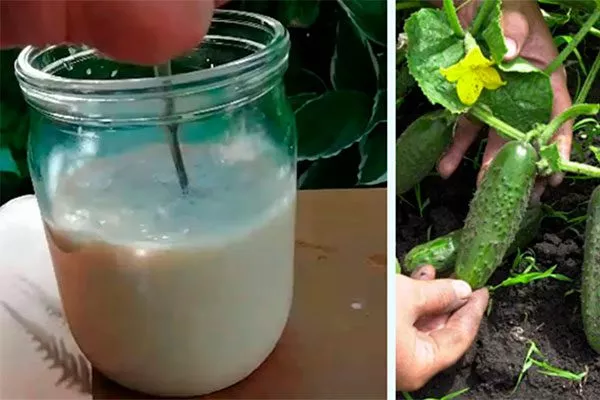
For full plant development, fertilize your plants at least twice a season:
- for the first time, to fertilize plants that are 14-20 days old, use a solution of nitrophoska (14 g per 10 l of water);
- After 2 weeks, feed the plants with a composition made by dissolving mullein (0.5 l) in water (10 l) and adding a little potassium sulfate (20 g) to the mixture.
During the fruiting season, cucumber bushes will benefit from feeding with green manure, potassium nitrate, and wood ash.
Pruning, tying, pinching
The weight of large quantities of ripe fruit often causes shoots and the main stem to break off. To avoid this problem, be sure to tie the plants to a trellis or support (wooden or metal stake).
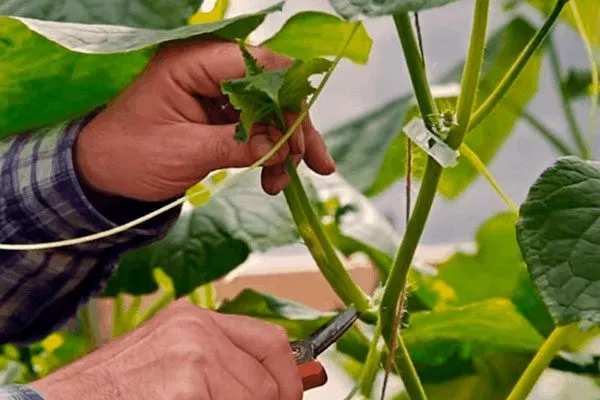
When growing vegetables in a greenhouse, don't neglect bush training. Follow these steps:
- Pinch the side shoots to form a plant with 1, 2 (1 main + 1 side) or 3 stems (1 main + 2 side).
- Remove all ovaries up to the 3-4th node, directing nutrition higher up the stem to enhance the formation of fruit ovaries.
Potential difficulties, useful tips
When growing the Lyutoyar hybrid, gardeners encounter complications caused by violating the rules for caring for the crop:
- Withering of cucumbersThe problem is caused by moisture deficiency. Symptoms include: leaves curling inward, and spots appearing in various locations.
To solve the problem, normalize watering, observe water consumption standards, and use warm, settled water for irrigation. - Yellowing of leaf bladesThis complication is caused by a nutrient deficiency. Determine the plant's deficiency and apply the appropriate fertilizer.
Yellowing foliage is most often caused by a nitrogen or potassium deficiency. This also leads to poor plant growth. Water the beds with a mullein infusion or feed the plants with potassium sulfate, azophoska, or an ash solution. - Deformation of foliage and its fallFungal infections are the cause of unhealthy cucumber plants. These spots, varying in location and appearance, appear on the leaf blades of affected plants, and the leaves themselves turn yellow.
Watering the plants with Bordeaux mixture (1%) every 2-3 days will solve the problem. All damaged parts of the bush will need to be removed. - Lack of fruit ovariesThe problem is caused by certain pests and dense planting. If insect attacks are the cause, treat the cucumber bushes with insecticides.
Planting plants too close together will negatively impact pollination. Thin the plants out, shaping them into single stems.
Experienced gardeners offer helpful tips for beginners on growing cucumbers to ensure a bountiful and high-quality harvest:
- Before sowing, soak the seeds for a couple of hours in water with a growth stimulator added to it to speed up their germination;
- Sow seeds in separate cups to avoid picking and damaging the roots;
- the best age for transplanting seedlings into an open bed is 30 days from the moment the seedlings appear;
- When transplanting seedlings into a bed, do not bury the root collar, but place it at ground level;
- maintain the optimal distance between bushes - 50 cm;
- hill up the bushes to grow roots;
- Increase the immunity of your cucumber planting by spraying it with Epin-Extra;
- Do not grow vegetables in the same place for several seasons in a row.
Diseases and pests typical for the variety
The Turkish hybrid exhibits resistance to a number of major vegetable crop infections:
- gray rot;
- white rot;
- powdery mildew;
- cucumber mosaic virus;
- Cladosporiosis.
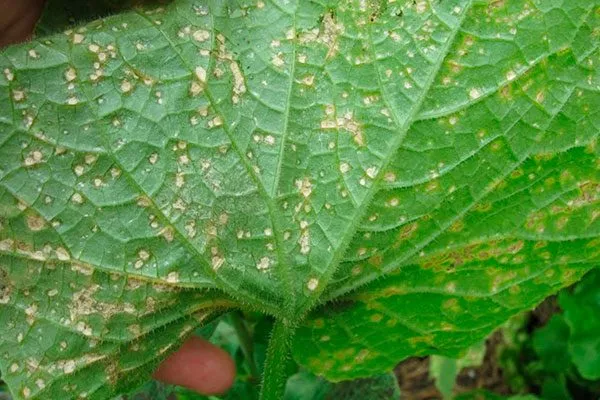
With proper care and preventative measures, Lyutoyar bushes are virtually immune to most diseases. Treat them preventatively with folk remedies and commercially available compounds:
- milk-iodine solution (to obtain it, dilute 1 part milk with 9 parts water and add 3-4 drops of iodine to the mixture, the frequency of treatment is once every 10 days);
- soda solution (concentration - 0.4%) with the addition of a small amount of liquid soap;
- biopreparations (Bactofit, Sporobacterin, Fitosporin-M).
Cucumber crops can suffer from pest attacks (aphids, spider mites, whiteflies, and others). Cucumbers grown in greenhouses are especially susceptible to pests. Preventative measures can help prevent the problem:
- regular inspection of plantings;
- removal of weeds and removal of plant debris from the area;
- treating cucumber bushes with an infusion of tobacco dust, a decoction of onion peel or garlic;
- ventilation of the greenhouse;
- maintaining air humidity at 65-75% and temperature no higher than +28°C.
If pests are detected on plants, use insecticides. Poisons are not suitable during the fruiting period. Instead, use Bitoxibacillin or Fitoverm.
Harvesting and use of the crop
When collecting Lyutoyar gherkins, follow these rules:
- do not turn the vines over, so that they do not have to spend a lot of energy on returning the leaves to their correct position;
- pick fruits from the bushes together with part of the stalk;
- Harvest the crop every 2-3 days, do not let it overgrow.
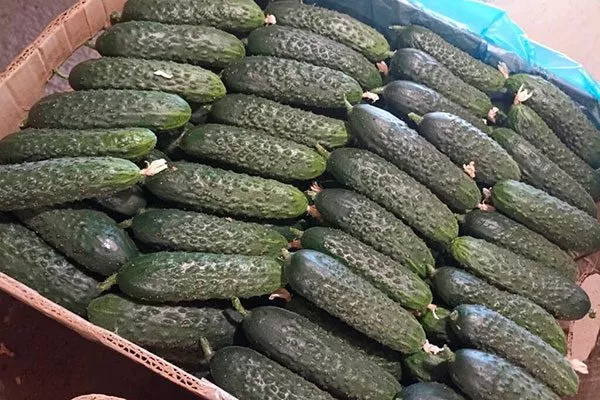
Use the harvest not only for fresh consumption and for winter preparations (canning, pickling, fermenting), but also for preparing various dishes:
- salads;
- soups, in particular rassolnik and okroshka;
- vegetable stew;
- sandwiches and canapes.
Advantages and disadvantages of the variety
The Lyutoyar cucumber has many advantages, which gardeners list as:
The Turkish hybrid has virtually no drawbacks: it is not shade-tolerant and does not allow gardeners to collect seeds themselves.
Reviews
Lyutoyar is a cucumber hybrid suitable for both open-air and indoor cultivation. It boasts disease-resistant plants, self-pollinating properties, high productivity, and a marketable, versatile harvest that lasts well and is easy to transport.