
Likhach F1 cucumbers are one of the most sought-after hybrids, popular with gardeners thanks to their excellent characteristics and high productivity. They are disease-resistant, ripen quickly, and offer excellent flavor. To strengthen the plant's immunity and ensure bountiful harvests, it's important to provide the crop with proper care.
Description of the variety and its creators
Hybrid varieties offer many advantages: they are resistant to various diseases, produce virtually no barren flowers, often require no pollination, and produce high yields. One such variety is Likhach, which is easy to grow for both novice and experienced gardeners.
Originators
Developed by the agricultural firm "Partner." The hybrid was created by the company's founder and CEO, Vasily Ivanovich Blokin-Mechtalin. The crop was added to the State Register in 2021.
External characteristics of the plant and cucumbers
This is a parthenocarpic species, so it doesn't require pollination. It is grown under plastic cover or in greenhouses. The bush is indeterminate, meaning its growth is unlimited, and it has medium branching.
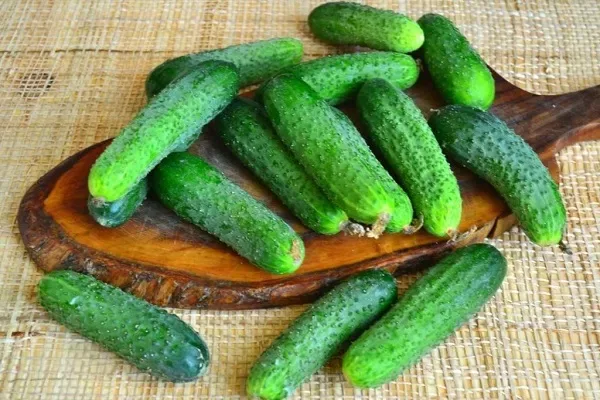
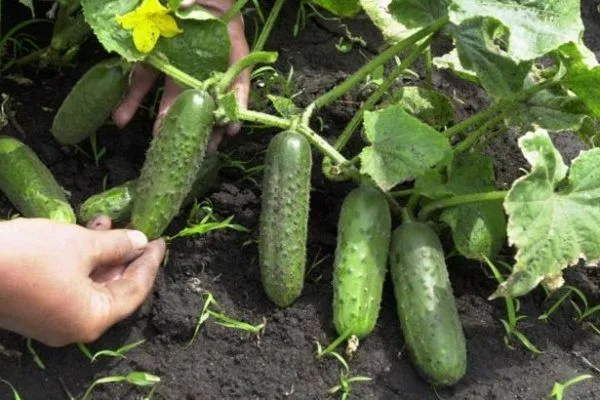
One bunch contains 5-10 fruits, 11-12 cm long and weighing 80-100 g. The cucumbers have an elongated cylindrical shape and are green in color with light lines.
Taste and purpose
Consumers note the fruit's sweet, non-bitter flavor. The dense, juicy, and crisp flesh has a wonderful fresh aroma. The cucumbers are used for pickling, canning, and summer salads.
The hybrid is early in maturity, with 45 days from the first sprouts to harvest. In fertile soil, the variety yields 14 kg of high-quality cucumbers per square meter.
Required climate
Since this hybrid is intended for growing indoors, it is cultivated in almost all regions of the Russian Federation with unfavorable weather and climate conditions.
Positive and negative qualities
Likhach is a unique variety that requires specific growing conditions. Many gardeners choose it, but it's important to consider both the hybrid's advantages and disadvantages.
Advantages:
The culture has one drawback - the need for solar heat and light.
How to grow it yourself?
Growing this crop doesn't require any special skills, so even novice gardeners can handle the process. However, it's important to follow certain guidelines.
Preparing the garden bed
Begin preparing the site in mid-September. Lime the highly acidic soil, dig it to a depth of 50-55 cm, removing dormant insects, and add wood ash.
In the spring, 4 days before planting, loosen the soil again, breaking up large clods of soil, disinfect it with a weak saline solution, and fertilize with cow manure or urea. If the spring is dry, moisten the soil additionally before planting.

Germination of seeds
Begin germinating the hybrid seeds around April 20th. Plant the seeds in 20-22 cm tall peat pots, two seeds per pot. Plant them 1.5 cm deep and fertilize with chicken manure.
- ✓ Use only fresh F1 hybrid seeds as they have better germination.
- ✓ Maintain soil moisture at 70-75% for optimal germination.
Place the containers indoors and maintain a temperature of 25-26°C. Once the seedlings emerge, reduce the temperature to 23°C. Water the seedlings daily, early in the morning. A week after germination, fertilize the seedlings with nitroammophoska.
Planting seedlings
The seedlings are ready for transplanting under plastic or into a greenhouse in mid-May, 25-27 days after germination. By this time, the bushes should have four leaves. Plant the seedlings in the ground when the soil warms to 15-16°C (59-60°F), while the recommended air temperature is 21-22°C (70-72°F).
The optimal row spacing for cucumbers is 60-65 cm, and the distance between plants is 45-50 cm. Plant no more than three seedlings per square meter. Immediately after planting, water them and hill them up, leaving only the top leaf above the soil surface.

Care methods
The crop doesn't require complex care. Gardeners need to follow simple agricultural practices to ensure consistent harvests of high-quality cucumbers throughout the season.
Watering
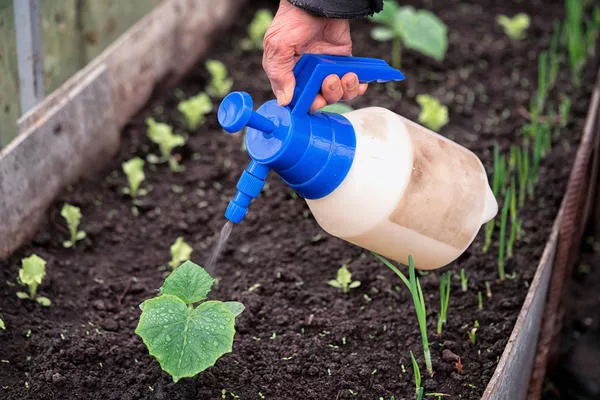
Likhach F1 has moderate water requirements. Water the bushes every other day, early in the morning. Prepare the water in advance: it should be warmed to room temperature and allowed to stand for 20 minutes.
Top dressing
Fertilize the crop four times per season, preferably with liquid complex fertilizers applied to the roots. Follow the following schedule:
- A week after transplanting the seedlings into the soil, use ammonium nitrate and potassium sulfate.
- Before flowering, add boric acid and nitrophoska.
- At the end of flowering, use ash powder and potassium nitrate.
- During the formation of ovaries, feed with a urea solution.
- ✓ Apply fertilizer in the morning to avoid leaf burns.
- ✓ Use water at a temperature of +20-22°C to dissolve fertilizers so as not to shock the plants.
Diseases and pests
The hybrid is highly resistant to common diseases such as mosaic virus, cladosporiosis, and powdery mildew. It tolerates adverse weather conditions and is rarely attacked by insect pests.
For prevention, follow these recommendations:
- Plant garlic, mint, or thyme next to the bed – these plants repel insects.
- Treat with Trichodermin or onion peel infusion twice per season.
- Maintain a regular watering regime, avoiding over-watering the soil.
- Ventilate the greenhouse regularly.
Harvesting and storage
Begin harvesting around June 20th. Cut the greens at 10-11 cm long, before they begin to harden. Since the vegetables ripen very quickly, harvest them every morning, 10-15 minutes after watering.
This variety stores well—for about a week at 8-9°C—preserving its freshness and unique aroma. The thick skin allows the cucumbers to be successfully transported even over long distances without damage or loss of quality.
Reviews
Likhach cucumbers are an ideal choice for those seeking high results with minimal time and effort. This hybrid is chosen by many gardeners across the country for its excellent taste, generous yield, and resistance to adverse conditions. With proper and timely care, you'll achieve the best results.