
The Kuznechik cucumber is a popular hybrid that has earned the recognition of gardeners thanks to its excellent characteristics and ease of care. It is distinguished by its early ripening and consistent fruiting, making it an excellent choice for both experienced gardeners and novices.
Introduction to the variety
This variety has gained recognition among domestic gardeners, making it a popular choice for many gardeners. It has many positive qualities and excellent characteristics, which are described below.
History of origin
It was developed by experienced breeders A. V. Goryachenkov, O. N. Krylov and A. V. Borisov. After completing all tests, the hybrid was approved for general use in 2004.
External characteristics of the plant and cucumbers
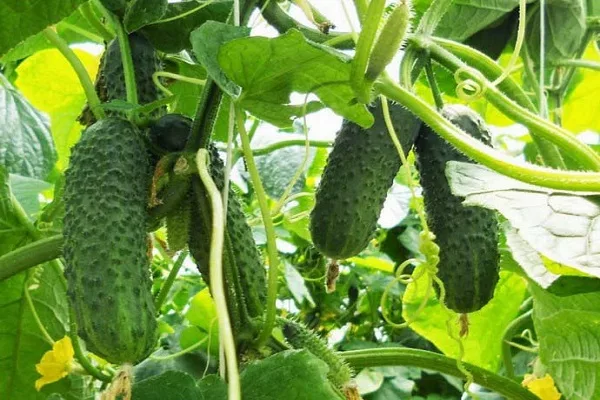
It's an indeterminate variety. The bushes grow vigorously and tall, reaching up to 2 meters in height. They have long shoots covered with large, bright green leaves. The root system is well developed.
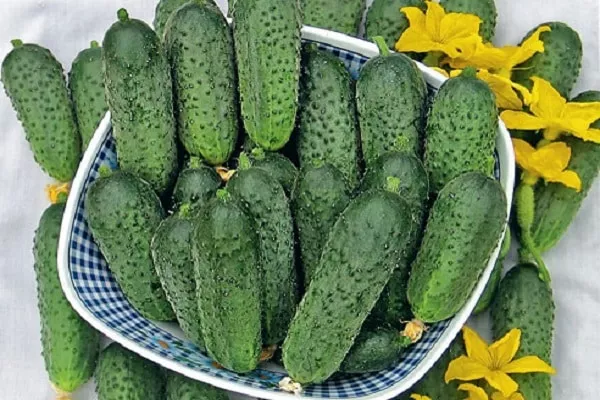
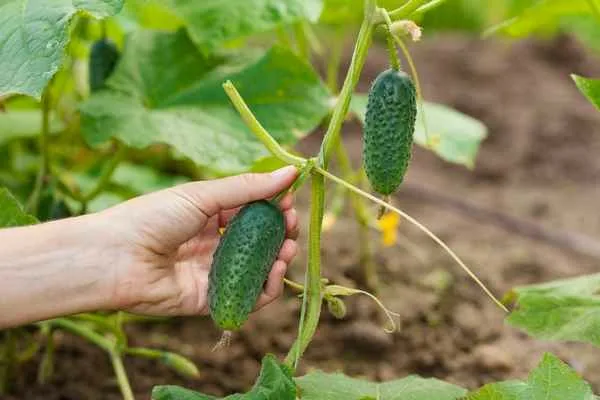
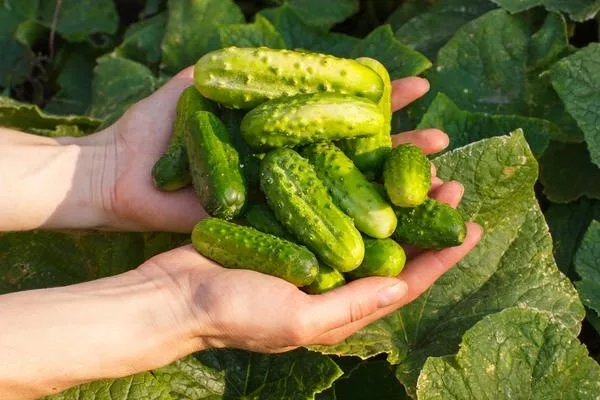
This self-pollinating variety boasts high-quality, marketable cucumbers with a spindle-shaped or spindle-cylindrical configuration. They weigh between 90 and 110 g and are 10 to 12 cm long. Medium-sized, bumpy structures with white pubescence are present on the surface.
During flowering, the plant produces light yellow female flowers, forming clusters with 3-6 ovaries. The cucumbers are resistant to long-distance transport and can be stored in a cool place for a long time.
Taste and purpose
This variety is renowned for its excellent taste. The fruit has a fleshy, moderately dense, tender, crisp, and juicy pulp, free from voids, wateriness, and bitterness. The flavor is balanced, slightly sweet, and combined with a bright, refreshing aroma. The skin is elastic, without toughness or bitterness.

Composition, benefits
This vegetable is 95% water and contains vitamins and minerals beneficial for the body. Its consumption has a beneficial effect on the kidneys and excretory system, and normalizes gastrointestinal function. It is a dietary product, low in sugar and containing only 15 kcal per 100 g.
The high water content and vitamins in cucumbers help hydrate and rejuvenate the skin. They are used in cosmetic treatments to moisturize and cool the skin. Their diuretic properties help eliminate excess fluid and toxins from the body, which has a beneficial effect on kidney function.
When ripe, the yield
This hybrid is distinguished by its early ripening period. From the moment the first shoots emerge to the beginning of fruiting, it takes 39 to 42 days. With proper care, up to 10-14 kg of delicious fruit can be harvested per square meter.
Soil requirements
This crop produces high yields when grown in comfortable conditions: loose, fertile soil that allows air and moisture to pass through well, in an area with plenty of light and sun, and protected from cold winds and drafts.
Climate
The grasshopper is a heat-loving plant that can grow in various climatic zones, but it does not tolerate prolonged shade or sudden temperature changes.
Positive and negative qualities
Kuznechik's yield isn't record-breaking, but this is offset by the extremely early ripening of its first fruits. The hybrid has many other advantages, but also a few drawbacks.
How to grow it yourself?
To achieve early fruit ripening, gardeners use seedlings. However, this hybrid is suitable for seed cultivation. Growing instructions are provided below.
Planting dates
Sow seeds for seedlings approximately one month before planting. Before sowing, soak and germinate the seedlings to speed germination.
- ✓ The optimal soil temperature for planting seeds should be at least +15°C.
- ✓ To prevent fungal diseases, ensure good air circulation around plants.
Site preparation
Choose planting sites that receive full sun and are protected from strong winds. South-facing beds are best.

Planting seeds
Pre-harden the seeds to help the plant better tolerate cold temperatures and adverse conditions. To harden, first place the seeds in hot water, then in cold water, holding them in each container for 2-3 minutes.
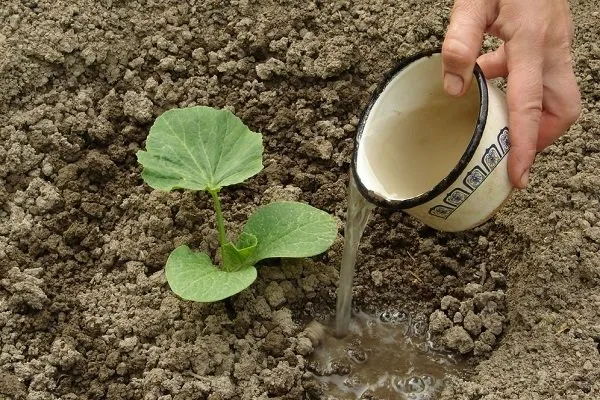
Plant them in open soil at a depth of 2 cm, cover with a thin layer of soil, and water with warm water. Then cover the beds with plastic wrap until the seedlings emerge.
To plant seeds for seedlings, plant them in peat pots at a depth of 2-3 cm and moisten. Place the seedling containers in a room with a temperature of 27°C. Once the seedlings emerge, reduce the temperature to 20°C. Provide 15 hours of light per day.
Planting seedlings
Transplant the seedlings to their permanent location when they have 3-4 full leaves and are approximately 30 cm tall. Plant the bushes in holes 6-7 cm deep and cover them with soil up to the bottom leaf. After planting, water the plants and cover them with plastic wrap for better adaptation.
Subtleties of agricultural technology
Beans, pumpkins, or squash can be planted next to cucumber beds. Caring for this hybrid is standard and involves simple agricultural practices.
Irrigation regime
Fruit production and taste depend on proper agricultural practices. Water the plant regularly, every other day. Use only warm water, at least 20 degrees Celsius, as cold water can negatively affect the plants.
During periods of severe drought, increase the frequency. Perform this procedure in the morning or evening, avoiding watering the leaves and shoots. For proper care, tie the bushes to a long trellis. Secure the main stem to the base of the structure with strong rope, and point the top downward.
Loosening and weeding
Loosen the soil around the roots carefully, no deeper than 3 cm, to avoid damaging the delicate roots close to the surface. Remove weeds at the same time. Loosen and weed the soil once every week or every week and a half.
Fertilizing cucumber vines
Before planting, prepare the beds by removing any remaining vegetation, digging, and loosening the soil. Before digging, add the following to the soil per square meter:
- 20 kg of compost;
- 40 g Superphosphate;
- 40 g of potassium salt.
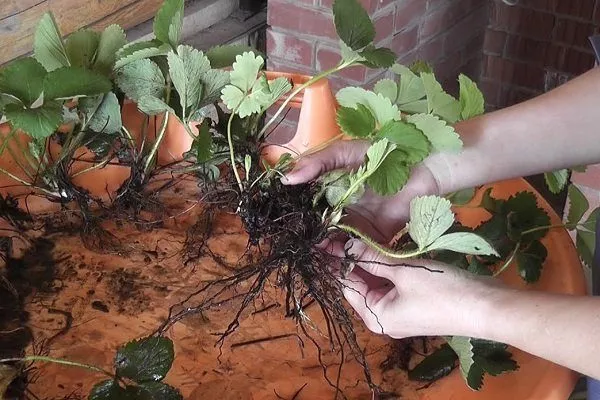
A couple of weeks after planting the seedlings, feed them with a nitroammophoska solution to activate the growth of vegetative mass.
Carry out the following activities at intervals of 12-14 days, alternating organic fertilizers (cow manure, chicken manure, Ideal, Kormilets) and mineral fertilizers (phosphorus-potassium mixture, Agricola).
Apply liquid fertilizers immediately after watering. If using dry fertilizers, work them into the root zone and immediately moisten the plants.
Features of cultivation and possible difficulties
Too little or too much water can lead to reduced yields or root rot. Poor soil quality, including poor structure and nutrient deficiencies, negatively impacts plant growth.
Incorrect fertilization—both overfeeding and nutrient deficiencies—affects the development and quality of vegetables.
Diseases and pests
The breeders who developed the Grasshopper variety ensured its high resistance to diseases such as powdery mildew, olive spot, and cucumber mosaic virus. However, if not properly cared for, the crop can be susceptible to other diseases.
- ✓ The appearance of yellow spots on the leaves may indicate downy mildew.
- ✓ Fine webbing on plants indicates the presence of spider mites.
The most dangerous diseases and pests of the crop include:
- Aphid. Tiny insects, black, green, or gray in color, live in large colonies and reproduce rapidly. They often form a symbiotic relationship with ants, which carry them to cucumber vines.
As a preventative measure, destroy anthills near your garden beds. If you have a small number of aphids, cut off the affected leaves and bury them. If the infestation is severe, use insecticides such as Karate or Aktara. - Spider mite. Small black insects, a few millimeters long, their presence manifests itself as a fine web on leaves and stems.
For minor infestations, remove the pest manually with a soft sponge and soapy water or use organic treatments such as tobacco tincture. For more severe cases, use insecticides. - Powdery mildew. This fungal disease, characterized by a white coating on leaves and stems, develops from overwintering spores. Preventatively spraying plants with fresh milk or whey helps prevent the disease from developing.
At the first signs, treat the bushes with fungicides Quadris or Ridomil Gold. - Peronosporosis. Characterized by the formation of yellow spots on the leaves, which then become oily. The leaf blades become covered with a gray-purple coating, dry out, and turn inside out. For control, use chemicals such as Previkur, Kurzat, Ordan, and Abiga-Peak.
- Gray rot. A disease that causes a gray coating and light-brown spots on leaves, as well as plant rot. To prevent its spread, use chemicals such as Rovral, Hom, and Bayleton.
- Fusarium. It attacks plants during flowering, causing blackening and wilting of leaves and stems. For control, use biological and chemical pesticides: Trichodermin, Baktofit, Quadris, Planriz, and Gymnast.
As a preventative measure, avoid leaving the remains of diseased plants in your garden beds over the winter. The best method is to burn such remains and spray the areas where the diseased plants grew with a solution of water and potassium permanganate. Crop rotation is important: don't plant plants from the same family in the same area every year.
Harvesting and storage
Harvest the greens regularly, preferably every two days. Warm summer nights give the plant time to produce new fruit, so frequent harvesting increases the yield.
Overripe cucumbers slow down both the formation of new fruit and the growth of existing ones. Place harvested cucumbers in smooth-sided containers and store indoors at a temperature no higher than 12°C or on the bottom shelf of the refrigerator for 7-10 days.
Reviews
Kuznechik is a reliable choice for those seeking a bountiful harvest with minimal effort. With its early ripening period, disease resistance, and high-quality fruit, this hybrid will satisfy even the most demanding expectations. By following simple care recommendations and proper agricultural practices, you can easily achieve excellent results.