
The Bush cucumber variety is considered early-ripening, a good choice for both greenhouse and open-field cultivation. The varietal quality is high, with a juicy and crisp flavor, richly reminiscent of cucumber. Standard cultivation practices are recommended; planting in moderately moist soil with adequate sun exposure is recommended.
Introduction to the variety
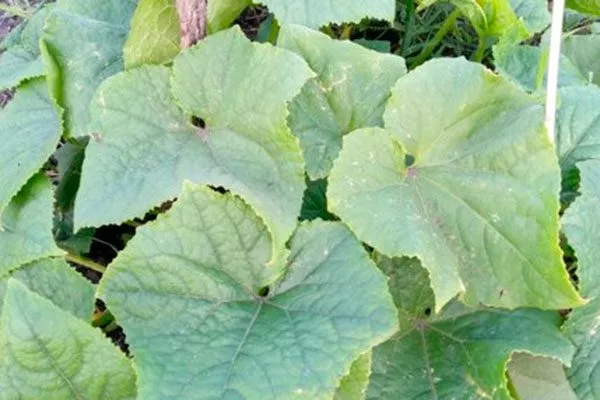
The main distinguishing feature of the Bush cucumber is the shape of its shoots, which resemble those of squash and pumpkin. It develops in a bush-like pattern, with several shoots forming simultaneously from the root. The shoots of this cucumber are shorter than those of other varieties.
Originators
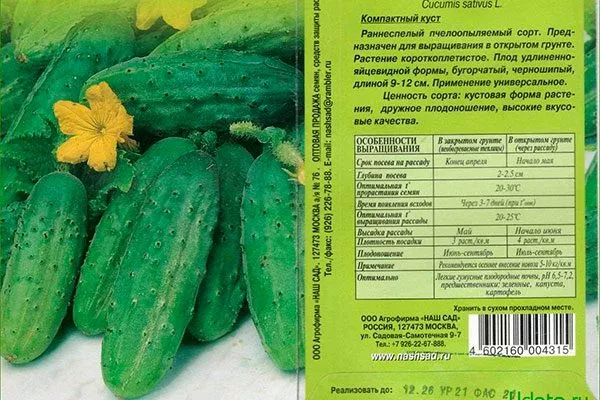
The variety was developed by scientists from the Poisk agricultural firm and was added to the State Register in 1980. It was officially recognized in Belarus in 2013. The authors are O. L. Chernenko, N. A. Khokhlacheva, and A. G. Tarasova.
Appearance indicators
The official description shows that bush cucumbers are distinguished by a unique short shoot structure and do not exceed 50-70 cm in length.
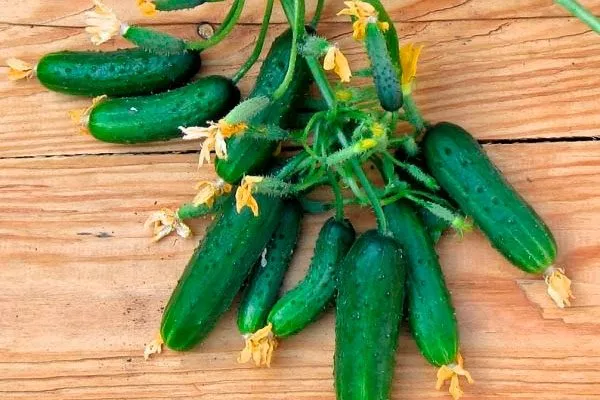
- ✓ Short shoots no more than 50-70 cm long, which makes care and harvesting easier.
- ✓ Predominance of female flowers, which contributes to high yields.
Varietal characteristics:
- Under favorable conditions, ovaries form after all the leaves, which contributes to the predominance of female flowers and, as a result, to a more generous harvest.
- The bushes are characterized by compact growth, with a shortened main stem and poorly developed branching.

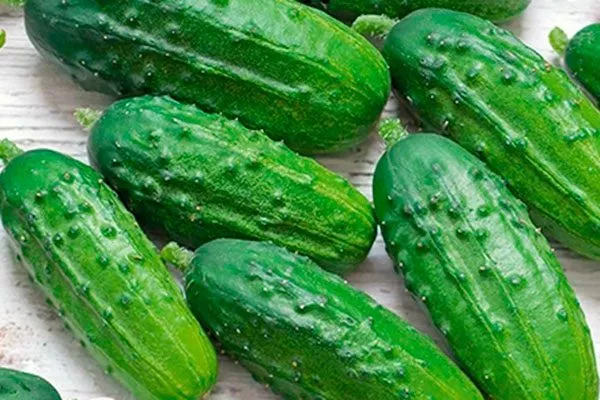
- The length of cucumbers rarely exceeds 12 cm (more often about 10 cm), and the weight ranges from 70 to 90 g.
- The shape is ovoid and elongated.
- The top layer of cucumbers is coarsely tuberculate, unevenly distributed, and has small black spines.
- The skin is strong and dense, which prolongs the storage life of vegetables.
- The pulp is firm and crunchy, making the fruit particularly enjoyable to eat raw.
Taste and purpose
Used fresh to create salads, sandwiches and cold dishes.
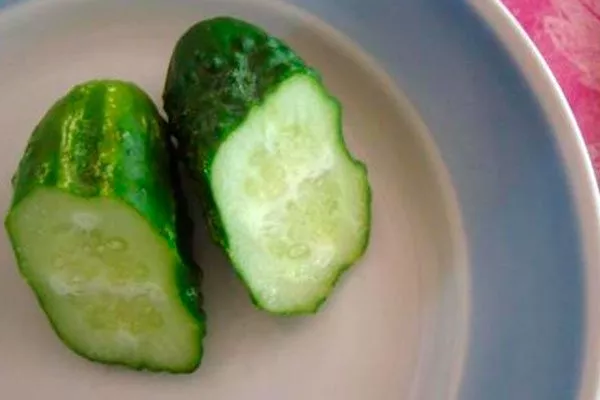
The hard skin allows cucumbers to retain their shape even after pickling, marinating, and fermenting.
When ripe, the yield
Bush cucumber harvesting begins in early June, reaching peak ripeness by mid-June. Cucumbers ripen quite early on the vine – the harvest can be completed 37-49 days after shoot formation, although sometimes it can take as long as 50 days.
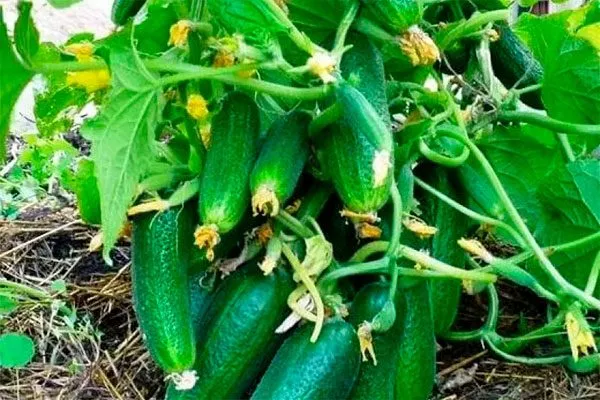
The yield of bush cucumbers typically ranges from 11-12 kg per square meter. The fruit can be stored indoors for approximately 3-6 days. The minimum marketable fruit weight per bush is 5 kg.
Soil requirements
Cucumbers grow well in nutrient-rich, well-aerated soil. The soil layer should dry out completely within a day or two. If the soil is too compacted, the plants become brittle and susceptible to disease.
- ✓ Soil pH should be between 6.0-6.8 for optimal nutrient absorption.
- ✓ The soil should contain at least 3-5% organic matter to ensure good structure and water holding capacity.
The best results are achieved using soil rich in compost. Some farmers prefer to plant cucumbers directly in this organic matter or create heated beds with the addition of fresh manure.
Regionalism
This cucumber variety is recommended for cultivation in the Volga-Vyatka and Lower Volga regions, the Urals, and the North Caucasus.
Positive and negative qualities
The Bush cucumber is a variety that is in high demand among gardeners. This plant offers a number of advantages, including the following key ones:
Growing
Bush cucumbers are easy to grow, but regular watering and feeding are essential. Thanks to their early harvest, this variety can be planted multiple times during the same season. The first planting opportunity comes in early spring, and the second in midsummer.
Preparation of seed material
To ensure healthy and productive plants, it's crucial to carefully select your seeds. It's recommended to rely on planting material from reputable and trusted producers. Purchasing seeds in bulk from individuals risks introducing various diseases and pests to your garden.
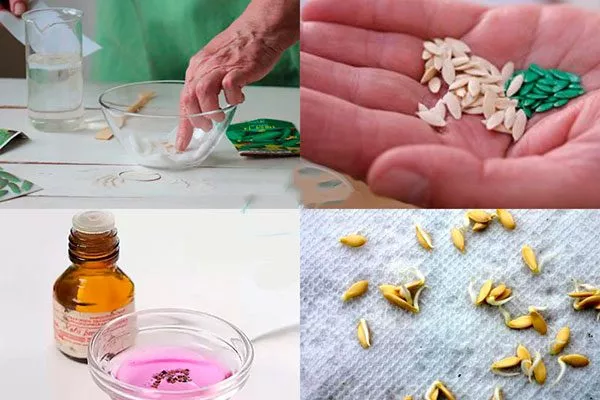
How to prepare:
- Before planting, it's best to soak cucumber seeds in a weak solution of potassium permanganate for 15-20 minutes. Prolonged soaking is not recommended, as it can cause burns.
- You can use any growth stimulator (Epin, Heteroauxin, Kornevin, etc.).
Both untreated and specially treated seeds, coated with protective coatings, are available on the market. These are created using pelleting or encrusting methods, making them ready for planting without any additional preparation.
These films contain growth stimulants, approved pesticides, micro- and macroelements that help increase germination rates by 10%, increase yields by 20%, and prevent damage from diseases and pests.
Landing
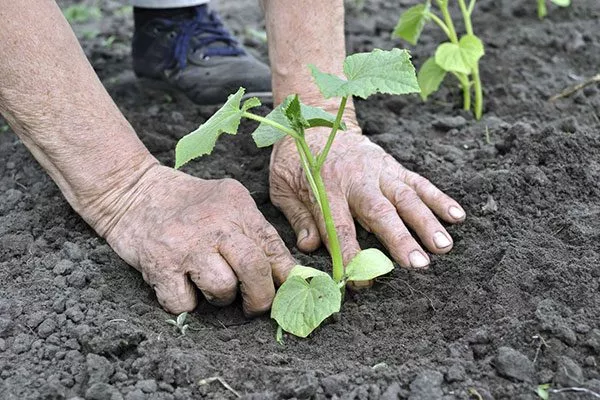
To successfully grow bush cucumbers, you need to choose a site with ample sunlight. Avoid areas that are excessively dry or waterlogged, and avoid low-lying areas.
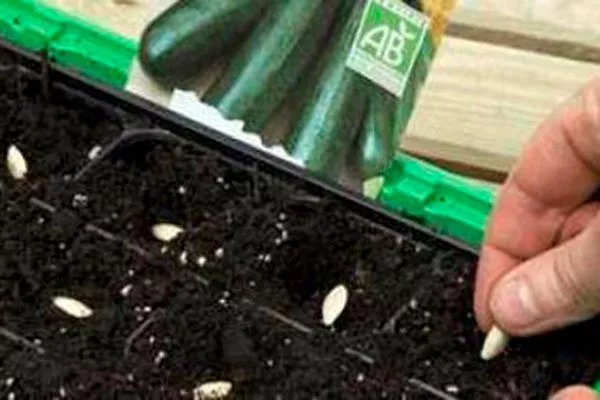
This variety can grow both in open and closed soils, but outdoor soils are considered more suitable.
Peculiarities:
- Sow bush cucumber seeds in May, taking current weather conditions into account. For optimal growth, soil temperatures should be at least 15-17 degrees Celsius during the day, with nighttime readings remaining at 8-10 degrees Celsius.
- The sowing process is standard. After planting, it is recommended to protect the plants from adverse effects using special non-woven materials or polyethylene film.
- To support the formation of ovaries, you can use boric acid, which is evenly sprayed onto flowers, leaves and buds.
- Bush cucumbers can grow successfully without special supports if they are planted along the beds.
Watering
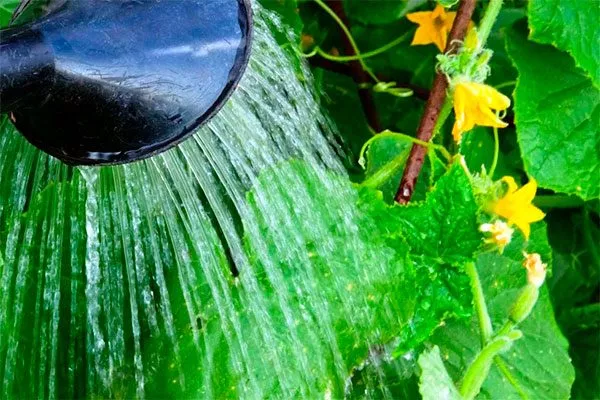
To keep plants healthy and thriving, water them only when the water temperature is warm, preferably in the evening. During dry periods, water once a day. During particularly hot summers, increase the frequency to twice a day.
Fertilizers
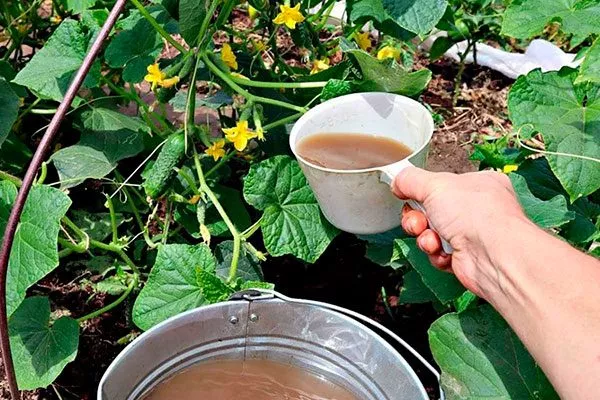
Fertilize the bushes every two weeks. You can use ready-made mineral fertilizers or organic mixtures. Infusions of nettle, banana peel, or wood ash are particularly effective.
Nutrients are especially important:
- during the active phase of fruit setting,
- at the time of harvesting the first crops.
The same solution is used for each case: 1 teaspoon of nitrophoska, 1 tablespoon of superphosphate, and 1 liter of compost per 5-6 liters of water. Mix the mixture thoroughly and spray it at the roots of the plant.
In greenhouse conditions, plant feeding requires more frequent feeding. For this, use a mixture of:
- Superphosphate (1 tbsp);
- potassium (0.5 tbsp);
- saltpeter (0.5 tbsp.).
Please adhere to certain requirements:
- Organic fertilizers, such as a solution of mullein or bird droppings, are applied when plants are just beginning to bud.
- Potassium nitrate is recommended during the period of maximum fruiting, but the minimum dosages should be observed.
- Potassium is beneficial for improving the flavor of fruits, but excess can have a negative impact on yield.
- Avoid over-fertilizing plants, so it's crucial to consider the initial soil conditions. The highly productive Kustovaya variety can thrive without additional fertilizers if planted in nutrient-rich soil.
- To stimulate fruit formation, use boric acid: dissolve 1.5 teaspoons of powder in 1 liter of water, shake thoroughly, then pour into a 15-liter bucket and add fresh water to the top.
Spray the leaves, buds, flowers, and fruit buds using a mist sprayer to ensure the entire surface is covered without creating empty spots or pooling of droplets. Three applications are ideal.
Diseases and their control
Bush cucumbers have excellent disease resistance. They are resistant to various forms of rot, including root rot, and are not susceptible to bacterial infections. These advantages were concentrated in this variety through extensive breeding work.
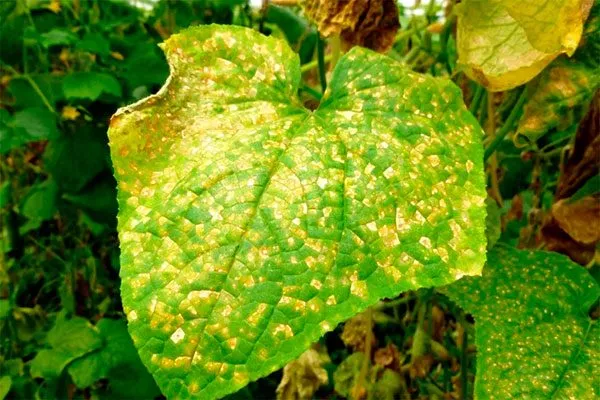
Despite this, they can become susceptible to powdery mildew and downy mildew, caused by parasitic fungi. Gray-brown spots, resembling felt or velvet, appear on the leaves and stems. This disease quickly spreads to healthy plants and can destroy an entire planting in a short period of time.
To protect cucumbers from powdery mildew, use
- simple method: whey or skim milk;
- A similar effect can be achieved using a solution of brown laundry soap.
In addition to this, fungicides such as Topaz, HOM, Fitosporin and Quadris, which are familiar to every gardener, are widely used in agricultural practice.
Pests and their control
Plants can suffer from attacks by insects and their larvae. Aphids pose a particular threat to crops. These tiny, winged insects suck the sap from plants, causing them to dry out and die. To treat damaged plants, use a solution of wood vinegar and chalk in equal parts.
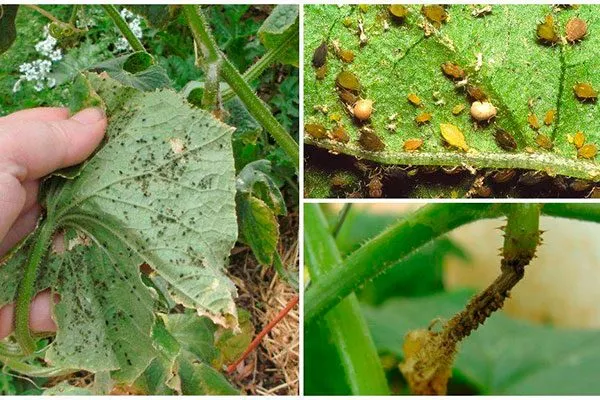
Spider mites are also common in cucumber beds. They reproduce rapidly in conditions of excessive soil moisture and dense planting. They cover the entire cucumber bed with thin white webs secreted by their glands. Fungicides are used to control the mites. As a preventative measure, mustard is sown in the fall, which acts as a green manure.
Harvesting
To avoid damage to the plants due to excess harvest, harvest cucumbers every 2-3 days. Irregular harvesting can lead to premature death of the plants. Furthermore, frequent harvesting promotes more vigorous development of new ovaries.
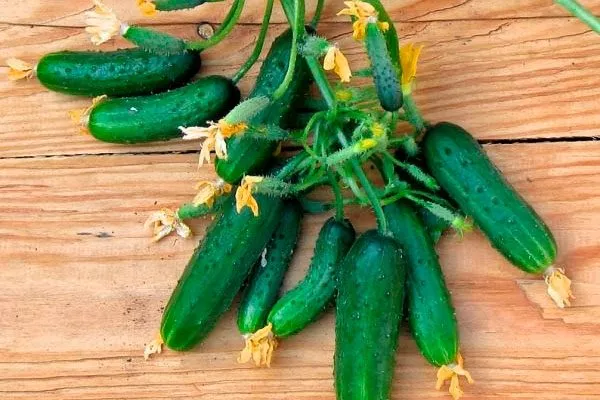
When harvesting cucumbers, avoid damaging the plants by using scissors. It's recommended to remove any old foliage at the same time. Cucumbers can be stored in a cellar next to a container of water or in the refrigerator, but for no more than a week.
Reviews
Growing the Kustovoi variety requires little knowledge or experience, making it suitable even for novice gardeners. The plant is resilient and undemanding, with a strong immune system. Compared to hybrids, it yields less, but not as rich in flavor and aroma.