
Kum da Kuma cucumbers are an excellent solution for those seeking a stable and abundant harvest with minimal effort. Good resistance to adverse conditions, early fruiting, and delicious fruits make this variety particularly attractive. The key is to follow proper agricultural practices.
Introduction to the variety
The crop is characterized by good productivity and a long fruiting period. The hybrid has excellent resistance to major diseases, such as powdery mildew and cladosporiosis. It is suitable for both open-field and greenhouse cultivation and tolerates temperature fluctuations well.
Features of selection
This hybrid was developed by domestic breeders. Approved for use in 2011, it is known for its high yield and excellent fruit characteristics.
Specificity of bushes and cucumbers
This vigorous plant is an indeterminate variety. It has medium-sized vines. The shoots are covered with large, dark green leaves. Flowering is predominantly female, with 2-3 female flowers forming at each node.
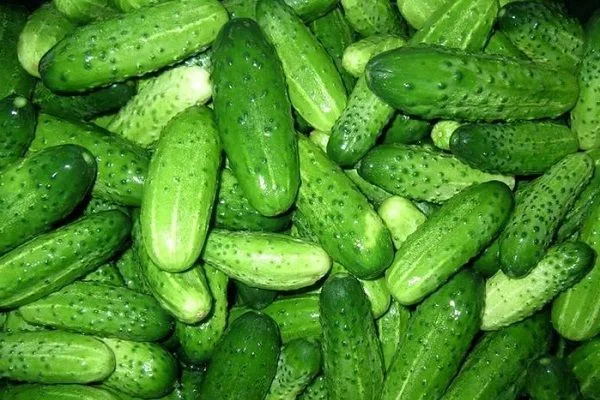
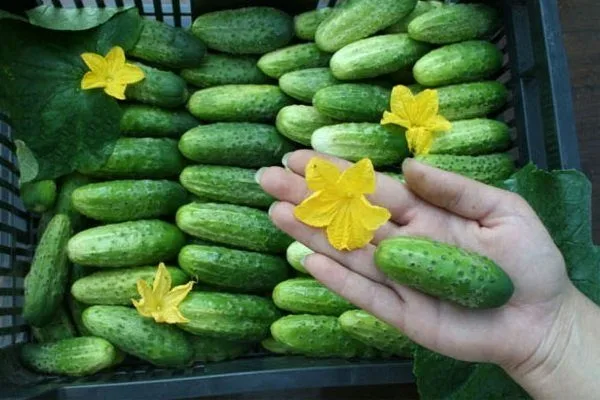
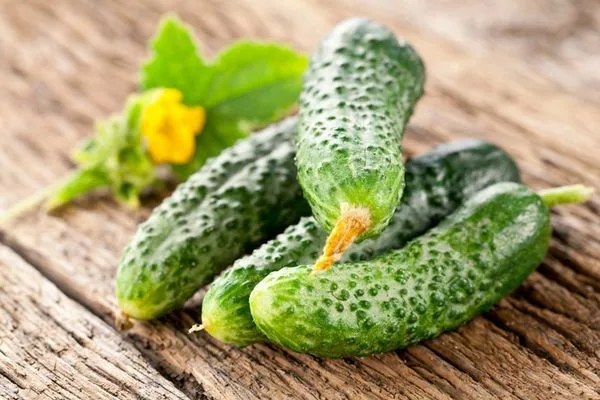
The cucumbers are small, reaching 10-12 cm in length and 3.5-4 cm in diameter. Each cucumber weighs between 110 and 130 g. The cylindrical fruits are dark green. The skin has medium stripes and large bumps. Black spines are visible.
Taste and application
The fruits have excellent flavor, without bitterness. The flesh is crisp and dense, without any voids. The cucumbers possess unique characteristics that make them sought after in various fields:
- They have a crunchy texture and rich flavor. They're great for eating fresh in salads, appetizers, and sandwiches.
- These vegetables retain their flavor when preserved. They are suitable for making lightly salted cucumbers, pickles, and marinades.
- The fruits contain vitamins and minerals, including B vitamins, C and potassium, making them useful for maintaining overall health and improving digestion.
Their compact size and attractive appearance make them an excellent choice for decorating dishes and serving.
When it ripens and the yield
Fruiting begins 40-45 days after germination and continues until October, ensuring a long harvest period. Yields are high – approximately 11.7 kg per square meter.
Growing rules
Growing this crop requires following several important rules. Follow these recommendations:
- The bushes prefer fertile, light, and well-drained soil with a neutral or slightly acidic pH. Apply organic fertilizers, such as well-rotted manure or compost, in the fall, and complex mineral fertilizers in the spring.
- Sow seeds directly into the ground when the soil warms to 15°C, or prepare seedlings in advance. Transplant seedlings into open ground or a greenhouse once the danger of frost has passed.
- Maintain a 50x50 cm planting pattern to ensure free plant growth. Avoid dense plantings, as this can lead to reduced yields and increased risk of disease.
- ✓ The optimal soil pH level should be between 6.0-6.8 to ensure the best absorption of nutrients.
- ✓ Soil should contain at least 3-4% organic matter to maintain fertility and structure.
By following these rules, you will ensure a high yield and healthy development of the Kum da Kum cucumber variety.
Requirements
This crop requires specific conditions to achieve a high yield. Pay particular attention to the seedling cultivation process, soil selection, and lighting conditions.
Follow these recommendations:
- Growing seedlings. Sow seeds in late April. Grow seedlings at 20-25°C in individual peat pots.
- Lighting. Provide seedlings with 12-15 hours of light, using grow lights if necessary. Bright but diffused natural light is considered the most effective for preventing seedlings from becoming elongated.
- Soil for sowing. Use loose, fertile soil with a neutral or slightly acidic pH. Include equal parts peat, humus, and garden soil.
- Sowing seeds. Plant the seeds 1.5-2 cm deep, water with warm water, and cover with plastic wrap until germination. Then remove the plastic wrap, ensuring regular watering and fertilizing.
Compliance with these requirements will allow you to grow healthy and strong seedlings, which will subsequently ensure abundant fruiting.
Agricultural technology
Caring for this crop doesn't require any special skills or knowledge. Growing cucumbers is a simple task that even a novice gardener can handle, but following simple agricultural practices will ensure better results.
Transplanting
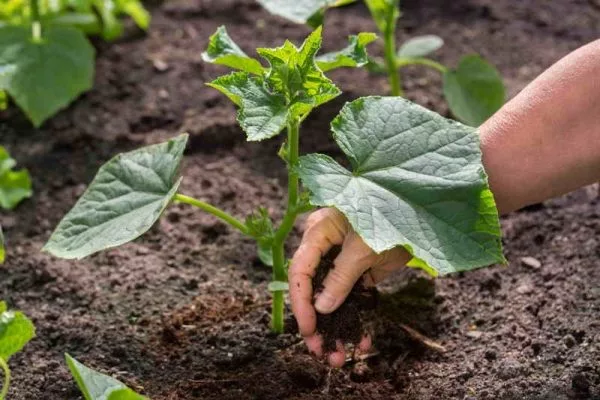
Plant 5-7 plants per square meter. On the day of planting seedlings or seeds, dig holes 2-4 cm deep, spaced approximately 60 cm apart, into the beds. Moisten the holes thoroughly. Place the seeds at a depth of 2 cm, then cover with soil, and plant the seedlings vertically.
Plant care and formation
To ensure optimal growth of cucumbers, regularly support the shoots. Grow them on trellises, in barrels, or next to taller plants, such as corn and sunflowers, planted in advance. When the main stem reaches 6-7 leaves, pinch it to encourage branching and increase yield.
Fertilizers and dressings
Fertilize the plants 5-6 times throughout their growth period. Apply the first treatment when the second true leaf appears, and the second at the beginning of flowering. Apply the third, fourth, and fifth treatments during the period of ovary formation and fruiting, at two-week intervals.
Positive and negative qualities
Planting a hybrid requires preliminary research into its advantages and disadvantages. This will help avoid potential difficulties later. Advantages:
The disadvantage of the crop is the need for regular irrigation of the bushes.
Reviews
Kum da Kum cucumbers are one of the most interesting and sought-after hybrids on the market today. Developed with the needs of modern gardeners in mind, this variety combines high yields, excellent flavor, and ease of care. It's important to understand the key characteristics of this crop, including its growing conditions.