
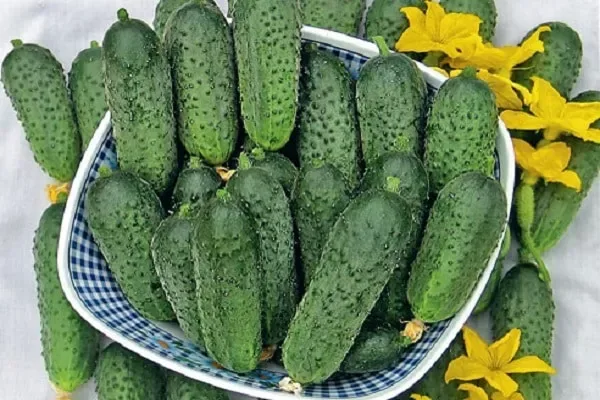
The Krokhotulya F1 cucumber is a productive short-fruited vegetable. This parthenocarpic hybrid is renowned for its excellent flavor and is ideal for both greenhouse and open-air cultivation. It is distinguished by its tolerance to climate conditions and adaptability to adverse environmental factors.
Introduction to the variety
Krokhotulya F1 cucumber seeds are versatile and guarantee a bountiful harvest in any climate. Thanks to their robustness, this variety thrives even in challenging soils.
Krohotulya F1 is an early variety. From the emergence of the first shoots to harvesting, the cucumbers take only 35-40 days (sometimes 40-45), allowing you to enjoy fresh vegetables soon after transplanting seedlings or sowing seeds.
Over the course of a season, Krohotulya F1 produces 10-12 kg of high-quality gherkins per square meter, and in a greenhouse, the yield can increase by 3-4 kg. If harvested fully ripe, the yield from the same space can reach 19-20 kg.
Originators
Krokhotulya is the result of selective breeding by Gavrish agronomists and was introduced to the world in 2017. This hybrid cucumber is renowned for its market appeal and ability to withstand long-distance transportation.
The variety was created thanks to the efforts of such specialists as Gavrish S. F., Shamshina A. V., Shevkunov V. N., Khomchenko N. N., Surovova T. Ya., Pluzhnik I. S., Chaikin K. O., Dorogina D. D., Mulyar V. N.
Characteristic features of the appearance of the plant and fruits
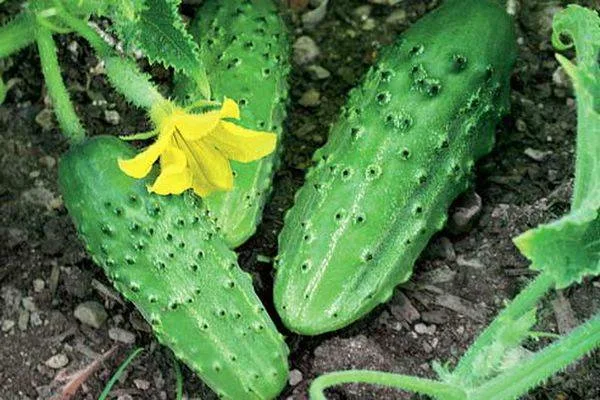
The Krohotulya cucumber plant is characterized by indeterminate growth and medium size. Its leaves are green and of standard cucumber length, with moderate branching. Flowering is predominantly female, which contributes to a bountiful harvest, as 1-2 female buds form at each node.
Other characteristic features of the hybrid:
- Fruit They are oval in shape, reach 5-11 cm in length and weigh 80-120 g, depending on the degree of ripeness.
- Surface decorated with short light lines and large dark tubercles, and white spines give them a special look.
- Leaves heart-shaped, with serrated edges and a deep emerald tone.
- Peel compacted with a swamp-green tint and a slight whitish coating.
- Pulp Cucumbers are distinguished by their elasticity and crunchy texture.
Purpose and taste
Cucumbers are renowned for their exceptional flavor. Their crisp, juicy flesh makes them a competitive choice for eating raw.
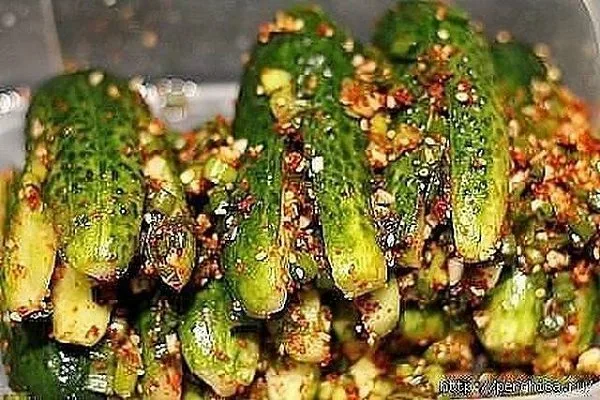
This hybrid is ideal for winter preserves thanks to its gherkin-like size and regular shape. Its crispness remains intact after cooking.
How to grow it yourself?
The Krohotulya f1 variety doesn't have any special requirements regarding space or soil quality. However, it's worth noting that the cucumber will produce more fruit in black soil, in a sunny location.
The key is to protect plants from gusts of wind and carefully prepare the soil: it must be cleared of plant debris and other debris before sowing seeds.
Site preparation
The plot for this variety begins to be prepared in mid-September, after the harvest. The soil is dug over, removing the top layer to a depth of 45-55 cm, disinfected with Fitoverm, and then fertilized with wood ash.
- ✓ The digging depth should be at least 45-55 cm to ensure good drainage and aeration.
- ✓ The use of Fitoverm for soil disinfection should be followed by the addition of wood ash in the amount of 200-300 g per 1 sq. m.
Germination of seeds
The procedure is standard, but it is important to take into account some varietal subtleties:
- In early April, the seeds are placed in peat pots.
- Each seed is planted in the soil to a depth of 1.8-2 cm, placing two seeds in one cell.
- For seed germination, maintain a temperature of 24-26°C, and after emergence, reduce to 21-23°C.
- Water the seedlings once a day, preferably in the evening.
- When the second leaf appears on the plant, it should be fed with superphosphate or humus from the previous year (so that it is as rotted as possible).
Before planting in open ground, plants are adapted to outdoor conditions for 7-10 days.
Transplanting seedlings
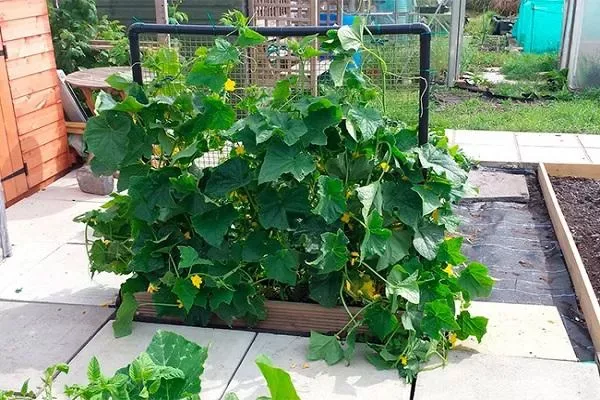
Starting from May 3-5, when each plant has four leaves, transplant the seedlings to greenhouses or open ground. It is recommended to leave 45-50 cm between plants and 55-65 cm between rows. Important rules:
- It is convenient to place about four plants per 1 square meter.
- The tiny plant is transplanted into pre-prepared holes 3-5 cm deep, depending on the parameters of the root system with a lump of earth.
- After planting, the bushes are watered and the soil around them is raised to the level of the lower leaf.
- In case of cool weather, the seedlings are covered with film for a period of 7 to 12 days.
Care methods
This cucumber variety requires regular fertilization and careful weed control. Water resources are not critical, but during dry periods, it is recommended to hill the plants every 8-12 days and loosen the soil to a depth of 20 cm every 4-6 days.
Watering
The Tiny F1 is drought-tolerant and does not tolerate excess moisture. Therefore, be sure to adhere to the following standards:
- Optimally, water every two days, using 4-4.5 liters of water per bush.
- Water for irrigation should be preheated to 25°C and left in the sun for 30-40 minutes.
- Moisturizing should be done at the roots in the evening, when solar activity decreases.
- After every second watering, it is recommended to carefully loosen the soil around the plants.
Fertilizer
These cucumbers prefer enriched fertilizer solutions. Plants are fertilized four times during the growing season. The recommended fertilizer sequence for the Krohotulya F1 hybrid is as follows:
- Carry out the first procedure a week after transplanting into open ground, using superphosphate or nitroammophoska.
- The second time, feed the plants before budding begins, using charcoal or a urea solution.
- The third - during the period when the ovaries are formed, using sodium nitrate or potassium salt.
- The last feeding should be done when the first green fruits appear, for which use chicken manure or rotted manure.
Diseases and pests
This cucumber hybrid boasts a strong, multi-layered immune system, and its seeds undergo a special antibacterial treatment. To ensure the plant's health, it's important to maintain crop rotation, meticulous weeding, regular soil loosening, and frequent greenhouse ventilation.
The Krohotulya f1 hybrid is resistant to cladosporiosis and powdery mildew, but it also has enemies:
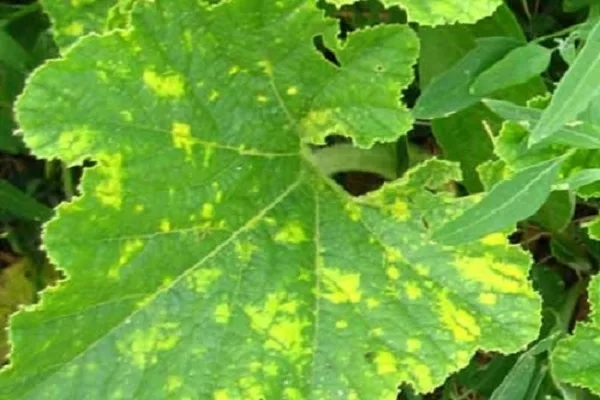
- Bacteriosis. This fungus can affect cucumbers in damp weather or when the beds aren't properly weeded. Bacterial blight appears as beige, oily spots on the edges of cotyledon leaves. At the first signs of the disease, it's recommended to spray the Krohotulya with an infusion of onion peels.
If the disease is advanced, the fungicides Fitolavin and Kuproksat can be used to save the variety. Infected leaves should be removed and burned. Fertilizing with pine ash and mulching with tomato tops is a good preventative measure. - Melon aphid. This pest can appear on cucumbers due to weeds, plant debris, or be carried by ants. Aphids typically attack the F1 aphid during hot and humid summer months.
To combat it, spray the bushes with a solution of wood ash, tar soap, or garlic. In severe cases of infestation, use an infusion of tobacco dust. To repel aphids from the rhinoceros, plant celandine, lavender, yarrow, or sorrel around the beds.
Harvesting and storage
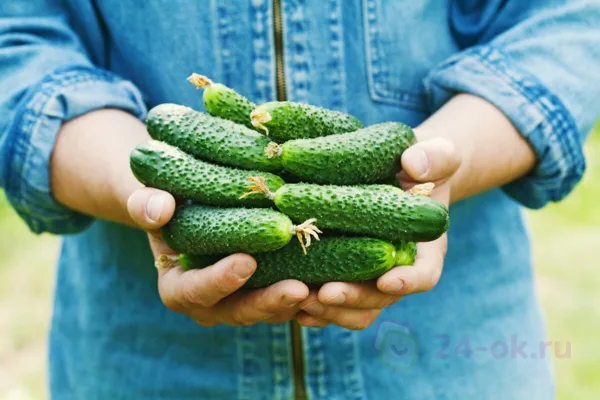
Fruit harvesting begins on June 10th. This variety has a long fruiting period, but to stimulate the growth of new cucumbers, it is recommended to harvest ripe cucumbers daily. Harvest in the evening, 15-30 minutes after watering the plants, leaving part of the stem attached to the fruit.
Krokhotulya f1 cucumbers have excellent storage qualities: they retain their firmness and flavor for a long time. For storage, they should be gently wiped and immediately placed in storage. The ideal temperature is 7-11°C. Thanks to their thick skin, this variety tolerates transportation well, protecting the fruit from damage.
Positive and negative qualities
The hybrid is in high demand not only among farmers but also among large-scale agricultural producers. This is despite the variety's youth. Advantages of the variety:
The hybrid has no disadvantages, but it requires planting in nutrient-rich soil.
Reviews
The Krokhotulya f1 variety from Gavrish is suitable for both greenhouse and open-air gardening. It is a parthenocarpic variety with early ripening. The fruits are used in various culinary recipes. In summer, they are used to make fresh salads, preserves, and lightly pickled cucumbers.