
Kristina F1 is a striking example of an early-ripening gherkin cucumber hybrid. It has become a favorite among Russian gardeners due to its high resistance to fungal infections, temperature fluctuations, and other stressful growing conditions. It is grown primarily in open garden plots, and sometimes in greenhouses.
Introduction to the variety
This vegetable crop is parthenocarpic. Its plants produce only female flowers and are capable of self-pollination. They are hardy, resistant to stress and temperature fluctuations, and rarely affected by pests and diseases, particularly powdery mildew (both true and downy).
History of origin
Kristina is an achievement of domestic breeding. It was developed by employees of the Poisk agricultural firm. The authors are the following scientists:
- Klimenko N. N.;
- Maksimov S. V.;
- Baklanova O. V.
The breeders' goal was to create a gherkin hybrid that would rival its foreign counterparts in yield and disease resistance. All of these qualities are inherent in their creation.
It was included in the state register of the Russian Federation in 2008 and is intended for cultivation in the following regions of the country:
- Central;
- Volga-Vyatka;
- Central Black Earth Region.
Characteristics of the appearance of the plant and cucumbers
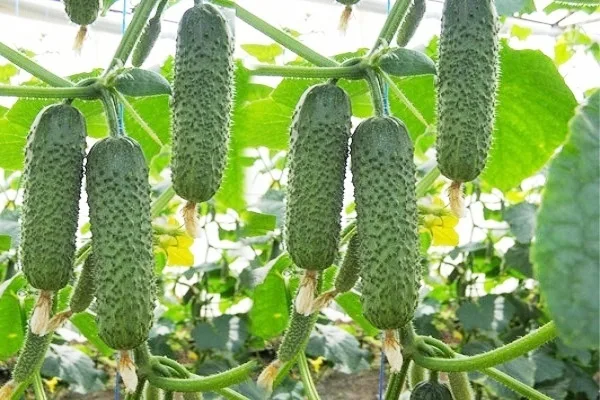
Plants of the hybrid variety Kristina F1 are vigorous and belong to the indeterminate vegetable crop type. They are characterized by high growth energy. Their list of external characteristics includes:
- medium branching;
- dark green foliage, medium in size;
- Flowers: yellow, crown-shaped, female.
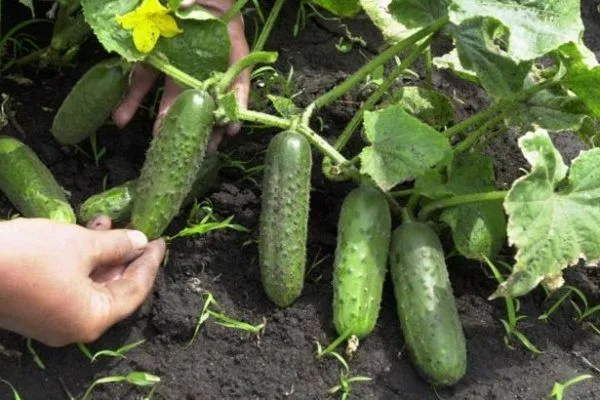
Hybrid bushes bear fruit in clusters. Each node produces 2-3 gherkins, ripening simultaneously. They are distinguished by the following characteristics:
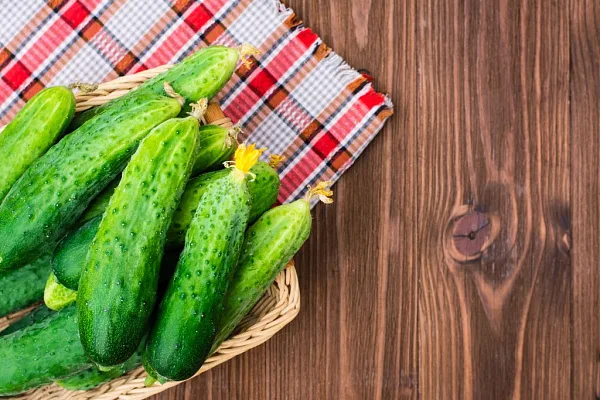
- elongated shape, close to cylindrical;
- length indicator - 8-12 cm;
- diameter - 2.2-2.5 cm;
- weight - 50-92 g (can reach 120 g with intensive feeding and abundant watering);
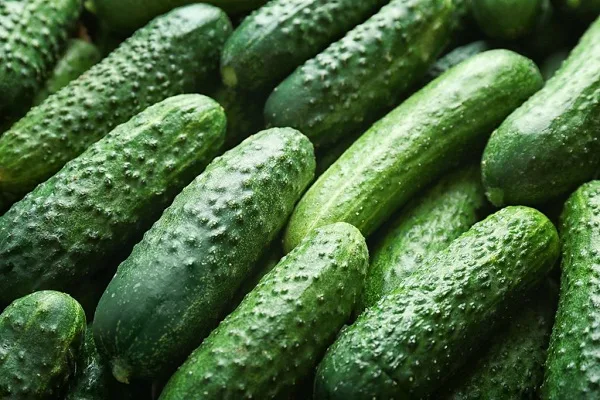
- peel: large-tuberculate, dark green with a barely noticeable pattern of stripes of a lighter shade, with dense, spiky white pubescence;
- pulp: dense, without voids, crispy and quite juicy.
Taste and purpose
Kristina's harvest is renowned for its balanced flavor, with a sweet, refreshing note and no bitterness at all. These cucumbers are delicious, juicy, and crunchy. They are perfect for fresh eating and for pickling/canning as gherkins. They are not suitable for pickling.
When ripe, the yield
This vegetable crop is characterized by early maturity. The fruits ripen 42-45 days after germination. It has a high yield potential. Its bushes produce fruit consistently and consistently.
The hybrid's yield indicators are as follows:
- At least 10 kg of gherkins are collected per 1 sq. m by summer residents who cultivate the crop in open ground conditions (with greenhouse cultivation, the figure increases significantly);
- Farmers growing the Kristina cucumber on an industrial scale collect from 29,400 kg to 65,500 kg per hectare (the figure is higher than that of the standard varieties Lyubimchik and Izyashny);
- 87-97% — marketable yield of vegetable products.
Landing features
Experienced gardeners grow the Kristina hybrid cucumber outdoors, providing it with ample sunlight and well-drained soil. They do this in one of two ways:
- through seedlings;
- direct sowing of seeds into garden soil.
In the central and northern regions, vegetable growers prefer the seedling method of cultivating the hybrid. Direct sowing of seeds into the soil is practiced in the south or in regions with a moderate climate but a relatively long summer (where the fruits have time to ripen during the summer season).
- ✓ Optimum soil temperature for sowing seeds: +15°C at a depth of 12 cm.
- ✓ The need to provide additional illumination for seedlings with phytolamps when there is insufficient natural light.
Sowing seeds for seedlings should be done within the following timeframes:
- beginning of April, if you plan to transplant seedlings into a greenhouse;
- the last days of April, if you are going to grow cucumber bushes without cover in open areas of the garden.
Grow seedlings in peat pots (10-12 cm in diameter). Use loose, nutritious soil purchased from a flower shop. Grow 1-2 seeds in each pot filled with the soil, planting them 1-1.5 cm deep.
Initially, keep the seedlings warm (23-25°C) under plastic wrap. Once the sprouts emerge, remove the plastic wrap and reduce the room temperature to 18°C. Place the pots on a sunny windowsill. If necessary, provide additional light with phytolamps.
Choose a suitable location in your garden for an open cucumber bed:
- sunny;
- smooth;
- protected from strong winds and drafts;
- with loamy or sandy loam soil, neutral or slightly acidic;
- where you did not grow pumpkins, melons, or watermelons last year (these are bad predecessors for cucumbers);
- dug up in the fall and fertilized with organic matter (humus or compost, consumption - 6-7 kg per 1 sq. m).
After sowing the seeds in the garden soil, water it, mulch with sawdust, and cover with plastic. When planting seedlings, try to space them no more than 3-4 per square meter of plot.
Caring for bushes
Care for your hybrid plantings properly to grow strong, healthy plants and reap a bountiful harvest of delicious fruit. Its cultivation techniques are standard and straightforward.
Watering
Water the cucumber bed as the soil dries out. Follow the recommended watering schedule for the crop:
- Before flowering, water the bushes once every 6-8 days;
- after they have finished flowering - once every 3-4 days;
- During dry periods, water the cucumber beds more often - every other day;
- If there is a lot of rain, water less often or stop watering for a while.
Avoid overwatering the soil. This can lead to rot. Avoid using cold water. Water cucumbers only with sun-warmed, settled water. Do this in the evening or early morning. Avoid dripping onto green parts of the plant. The recommended water consumption is 2 liters per plant.
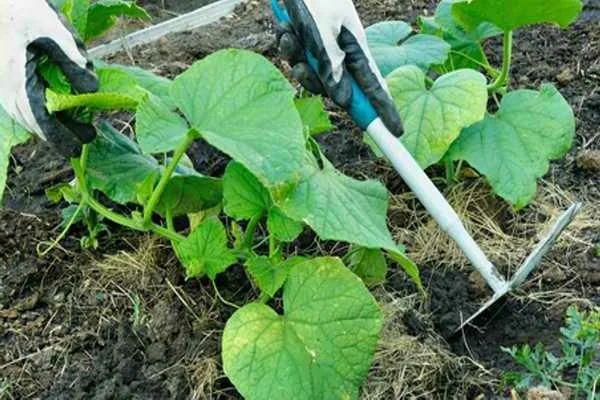
Loosening
This is a necessary procedure in vegetable crop care. It produces the following effects:
- prevents the formation of a dense soil crust;
- improves access of moisture and air to the roots;
- promotes better absorption of nutrients contained in garden soil by plants.
Don't be lazy: hill up each bush during the first days of summer. Then, loosen the soil under the plants in the bed after each rain and watering. Till the soil to a depth of no more than 7 cm.
Combine loosening and weeding. Remove weeds that inhibit vegetable growth promptly. This will allow the plants to develop properly. Weeds harbor fungi, bacteria, and pests. Weeding will help prevent infection in cucumber plants.
Fertilizer
The hybrid responds well to fertilizer. Fertilize the planting at least three times per season. Follow the instructions below:
- 14 days after the seedlings have sprouted, water them with a solution of chicken manure or use urea;
- during the budding period, water the planting with an infusion of green herbs or feed the plants with potassium nitrate, superphosphate;
- During the fruiting season, cucumber bushes will benefit from fertilizing with green manure or potassium nitrate.
To maximize fruiting and improve the quality of your harvest, foliar spray your plants with nutrient solutions. If you detect a nutrient deficiency, supplement the plant with a fertilizer containing the missing element.
Instead of organic fertilizers and one- or two-component formulations, you can use ready-made mineral preparations that contain a balanced content of all the nutrients cucumbers need:
- Agricola;
- Proventus;
- Master;
- Planter;
- Stimul.
Formation
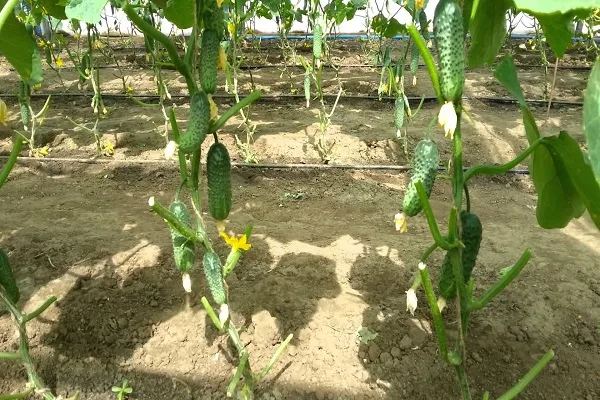
Hybrid cucumber bushes called "Kristina" require staking as they grow. Secure them as follows:
- on trellises;
- on tall crops such as sunflowers or corn, planted in advance nearby.
Once the plants have 6-7 leaves, pinch the main stem. This will stimulate branching.
This hybrid requires shaping to ensure maximum productivity and ease of care. Shaping can be done in one of the following ways:
- remove all flower buds and lateral shoots up to the axil of the 4th node;
- or cut off all branches from the main stem.
Pests and diseases
The Kristina cucumber is resistant to common diseases and pests. Its plants exhibit good resistance to infections:
- cucumber mosaic;
- Cladosporiosis (brown olive spot);
- powdery mildew.
If care rules are not followed, they can become sick and suffer from insect attacks: aphids, nematodes, leaf rollers, snails and slugs.
Pay attention to problem prevention:
- do not water the cucumber planting with cold water;
- do not waterlog the soil in the garden bed;
- do not neglect to loosen it;
- do not refuse feeding;
- weed regularly;
- do not leave plant debris near the planting;
- do not allow it to thicken.
If pests and diseases are detected, use systemic insecticides, fungicides, and folk remedies. Do not treat fruiting bushes with chemicals.
Positive and negative qualities
The hybrid is cultivated not only by private farm owners but also by vegetable companies producing produce for commercial use on an industrial scale. Its popularity stems from its many inherent advantages:
The main disadvantage of the culture is the inability to collect the seed material independently.
Reviews
Kristina F1 is a gherkin cucumber hybrid with an early ripening season. It has captivated domestic gardeners with its high yield and resistance to adverse weather, temperature fluctuations, and fungal infections. Thanks to its self-pollination, it is suitable not only for growing in open garden beds but also in greenhouses.