
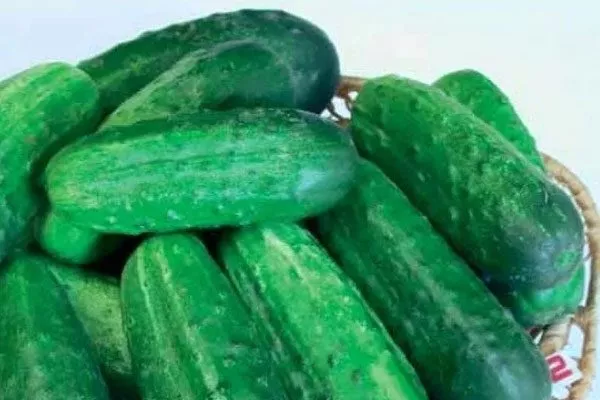
Krepysh is a cucumber variety most commonly grown in the central regions of our country. It is characterized by decent productivity and requires sunny planting. The Krepysh F1 hybrid is known for its ability to produce high-quality fruit that transports well and retains freshness for a long time.
Introduction to the variety
Krepysh exhibits resistance to adverse weather conditions and is undemanding of soil conditions. This hybrid is primarily grown outdoors due to its bee-pollination properties. The early harvest is sought after for its attractive appearance and excellent flavor.
Features of selection
Krepysh is a hybrid variety intended for universal use. It was officially introduced into cultivation in 2006 thanks to the work of breeders V. P. Kushnereva, I. B. Korotseva, L. A. Kochetkova, and N. N. Korganova. According to the breeders, this variety demonstrates its best results in open ground conditions.
What do the bushes and greens look like?
The bushes of this variety are characterized by a compact size and determinate growth pattern. The shoots are formed by short and medium-sized shoots, with moderate branching. The leaves are dark green, five-lobed, and medium in size.
Other varietal characteristics:
- Flower buds form in clusters of 5-7, with bright yellow peduncles and predominantly female flowers. Successful pollination requires attracting bees, so gardeners often use attractants and insect repellents.
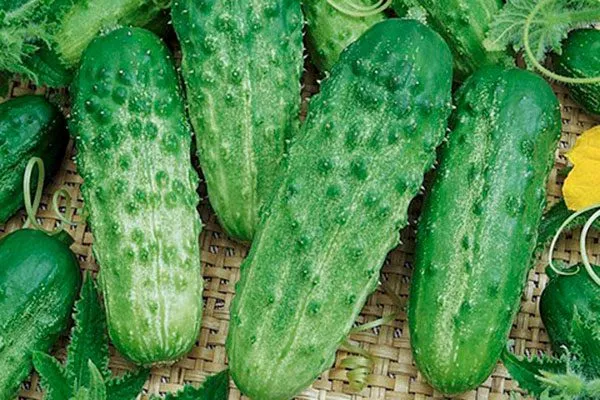
- The fruits have a shortened, oval shape, reach a length of 9-15 cm and weigh from 75 to 100 g.
- The skin of the fruit is bright green, with light stripes and a slight spotted pattern.
- The surface is tuberculate, with growths located at a moderate distance from each other. The spines are white and insignificant.
- The cucumber flesh is juicy, crisp, without voids, with few or no seeds.
- ✓ Dark green leaves with five lobes, medium size.
- ✓ The fruits have a short, oval shape, bright green skin with light stripes.
Taste and Uses
Gardeners highly value the taste of the Krepysh cucumber variety. Bitterness may only occur if the fruits become overripe and grow too big on the plant if harvested late. This variety is prone to overripening and yellowing.
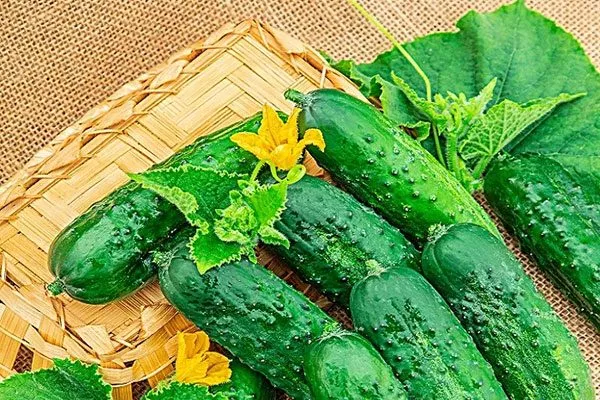
Cucumbers are intended for consumption raw, in salads, and added to hot dishes, as the vegetables do not soften after heat treatment.
The beginning of fruiting and yield
The Krepysh cucumber variety is an early-ripening vegetable that reaches maturity 40-45 days after germination.
It is distinguished by its generous productivity, yielding 4 to 6 kg per square meter. Under industrial conditions, a minimum of 85-100 centners can be obtained from one hectare, with an average yield of 194 to 292 centners.
How to plant?
Krepysh cucumber seeds are planted directly into the soil, following generally accepted agronomic practices. To speed up the ripening process, they are pre-sown for seedlings. This technique reduces the time until harvest by two weeks.
Some rules that are important to follow:
- The optimal time to sow cucumbers in open ground is between May 13th and 16th, when the soil warms up to 12-14°C and the air temperature reaches 16-18°C. Cold soil slows seed germination.
- For seedlings, they are planted a little earlier, in April, and when the seedlings reach 25-27 days of age, they are transplanted into the garden bed.
Preparatory activities
Choose a sunny plot for growing, but with some shade. Krepysh is a variety that grows in a variety of soil types, but prefers fertile, well-aerated soil for maximum yield.
The best pre-planting crops for cucumbers are tomatoes, potatoes, legumes, onions, and garlic. The soil must be carefully prepared, removing weeds, carefully digging, and fertilizing.
- ✓ The optimal soil pH should be between 6.0-6.8 to ensure maximum nutrient availability.
- ✓ The soil should have a high water-holding capacity, but at the same time be well-drained to avoid water stagnation.
The prepared soil should be enriched with the following materials per 1 sq. m:
- 3-4 kg of organic matter (it is best to use rotted manure);
- minimum 180, maximum 220 g of nitroammophoska;
- 230-260 g of mineral preparations containing potassium and phosphorus.
Preparation of beds for cucumbers begins in advance:
- First, dig long furrows on their surface, fill them with compost and cover with a layer of fertile soil mixture.
- After this, cover the beds with film and leave to warm up for 7-10 days.
- After this period, remove the cover.
Before you begin sowing, prepare the planting material. To do this, follow these steps:
- Place the seeds in a shallow container, pour in a light pink solution of water and potassium permanganate and leave for a quarter of an hour.
- After this, drain the liquid and rinse the seeds with warm water.
- To ensure sprouts appear as quickly as possible in open ground, pre-germinate the seeds by wrapping them in a damp cloth. Primary shoots will appear within a few days.
Sowing work
To grow strong Krepysh seedlings, soak pre-treated seeds in a potassium permanganate solution and place them in separate small containers with high-quality potting soil. Plant the seeds at a depth of about 1-1.5 cm, with the tips facing up.
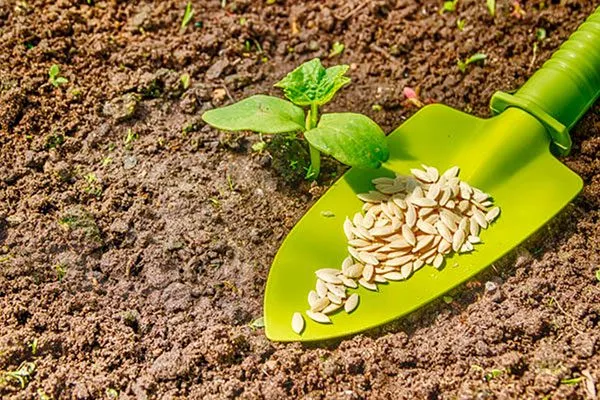
Cover the seedlings with plastic wrap and place them in a warm, dark place. The first shoots can be expected within a week. After this, transfer the pots to a windowsill, where the seedlings will continue to grow until transplanting.
Transplanting seedlings
Once the cucumber plot has been prepared and warmed, dig holes deep enough to accommodate the root system of the seedlings and moisten them. Carefully transfer the seedlings into the holes, soil-in-place, to avoid damaging the roots. After planting, each seedling requires generous watering.
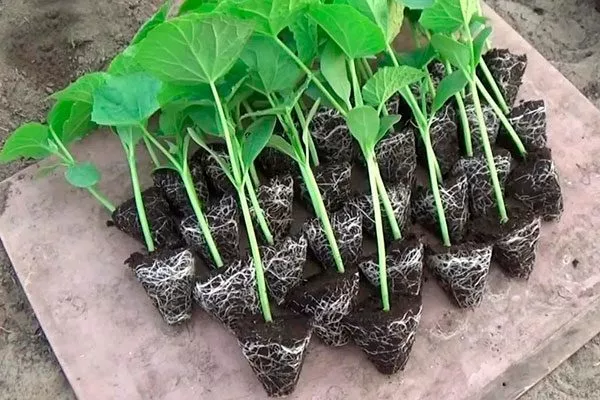
For optimal placement of Krepysh f1 plants, stick to the traditional scheme, which provides them with sufficient space:
- the distance between individual plants is 35-45 cm;
- the interval between rows is identical.
The process of care
Krepysh cucumbers require little effort to cultivate. The basic agronomic procedures required involve a few standard and simple steps.
Watering
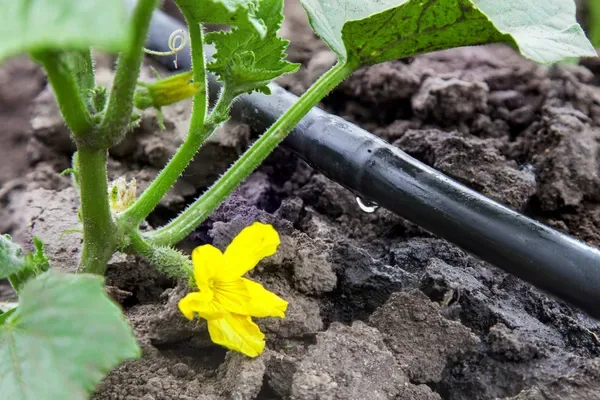
Strong plants prefer moist soil, so water 4-5 times a week, depending on the climate. It's best to water in the evening, using warm, settled water. It's important to avoid overwatering, which can lead to rotting. Watering should be even and not excessive.
Garter and shaping of plants
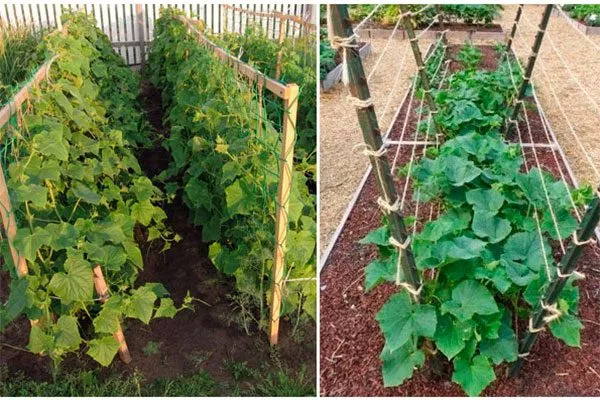
The bushes are climbing, so they should be supported by attaching them to pre-installed trellises. This will prevent the fruit from coming into contact with the ground and keep them clean. The plant is trained to a single stem, and it is recommended to pinch off side branches above the second or third leaf.
Nutrition
To achieve a bountiful harvest of Krepysh F1 cucumbers, it's necessary to fertilize the plants regularly. This should be done every 10-12 days, using both organic and mineral fertilizers.
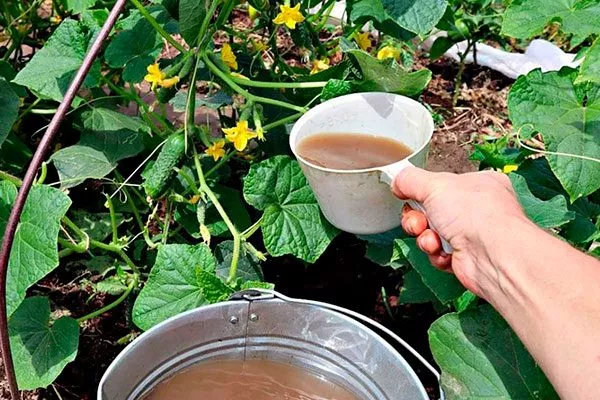
Diluted cow and chicken manure, as well as various mineral complexes, are excellent fertilizers. Cow manure with superphosphate is particularly effective.
Fertilizer mixture recipe:
- 0.5 tbsp. l. Superphosphate;
- 250 g of diluted mullein infusion;
- 5 liters of water.
Let the solution sit for two hours, then carefully pour it under the cucumber roots. This amount is enough to treat 1 square meter of garden bed.
Hilling
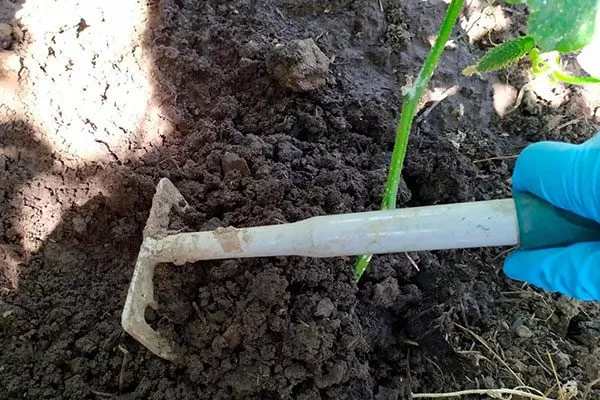
Regularly raking the soil around the plant's stem is important. Perform this procedure only after rain or watering, when the soil is still moist. Toss the soil mixture around the plant's roots to form a small mound 5-10 cm high, depending on the plant's size.
Resistance to diseases and pests
Krepysh f1 has competitive resistance to common diseases. However, if agricultural practices are not followed or unfavorable factors are present, the following problems may arise:
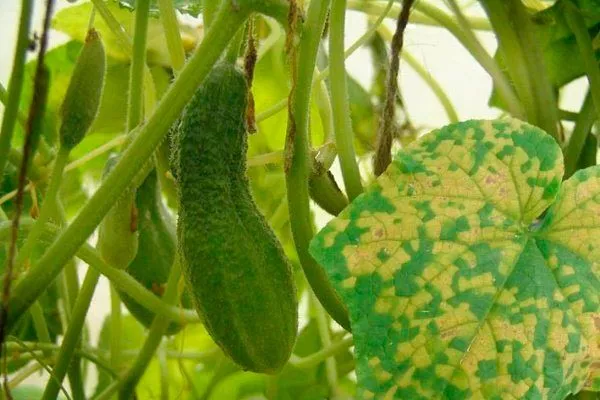
- Root rot. This disease affects Krepysh bushes due to excessive moisture. The roots become thin, the stems take on a grayish color, the leaves turn yellow, and fruiting ceases completely.
Treatment of the disease is possible only in the early stages, using a solution of copper sulfate and ash (0.5 tbsp. copper sulfate, 150 g of wood ash, 5 liters of water). To prevent the problem, it is important to carefully monitor the soil moisture around the cucumber plantings. - Aphid. This is a serious pest that attacks cucumbers. It's difficult to detect, as it infests the undersides of the leaves. The aphids pierce the leaf blades and suck the sap from the plant, causing curling, wilting, and reduced yield.
To protect the Krepysh variety from aphids, it is recommended to use a solution of mustard powder, prepared as follows:- mix 50 g of powder with 1.5 l of boiling water;
- leave for 6 hours;
- add 2.5 tbsp of liquid soap and the same amount of sunflower oil;
- Pour the mixture into a sprayer;
- add 3.5-4 liters of water to the solution.
- Spider mite. A dangerous pest capable of causing serious damage to the Krepysh cucumber variety. It infests the plant's leaves, piercing them and sucking out the juice, and also wraps them in a web, preventing photosynthesis.
To prevent an infestation, check your cucumbers regularly, remove weeds, and ensure adequate watering. You can get rid of mites with Fitoverm or a natural solution of water and soap.
Harvesting and storage
Harvest Krepysh cucumbers every 2-3 days. It's not recommended to leave the fruit on the plant for too long, as they may become overgrown and turn yellow. Fresh cucumbers are best stored in the refrigerator, where they can stay fresh for up to 11-12 days.
After harvesting, store vegetables in a cool, dry place, but if you put them in the refrigerator, this period can be extended by another 1-2 weeks.
Positive and negative qualities
Krepysh is popular among gardeners and summer residents, and large-scale farms have also taken notice. This hybrid offers numerous advantages:
Reviews
The Krepysh variety has become a favorite among gardeners due to its productivity and tolerance to various conditions. It is partially self-pollinating, requiring the assistance of bees. Pairing this variety with fully pollinated hybrids further increases the yield. By following basic agronomic recommendations, you can grow a bountiful harvest of flavorful and crunchy cucumbers.