
Kozyrnaya Karta cucumbers are an excellent choice for those who value high yields and delicious fruits. This variety combines many advantages. Proper care and following growing recommendations will help you maximize your harvest and enjoy delicious, crisp cucumbers all season long.
Introduction to the variety
The crop is characterized by disease resistance, which attracts the attention of vegetable growers. The variety is renowned for its smooth, crisp fruits, ideal for both fresh consumption and canning.
Originators
Kozyrnaya Karta is a hybrid created by specialists at the Manul Breeding and Seed Company and introduced into circulation in 2004. The variety is recommended for cultivation in the following regions: Northern, Northwestern, Central, Volga-Vyatka, Central Black Earth, North Caucasus, and Middle Volga.
External characteristics of the plant and cucumbers
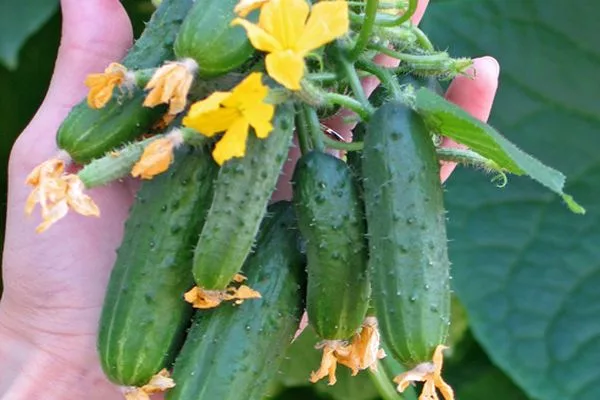
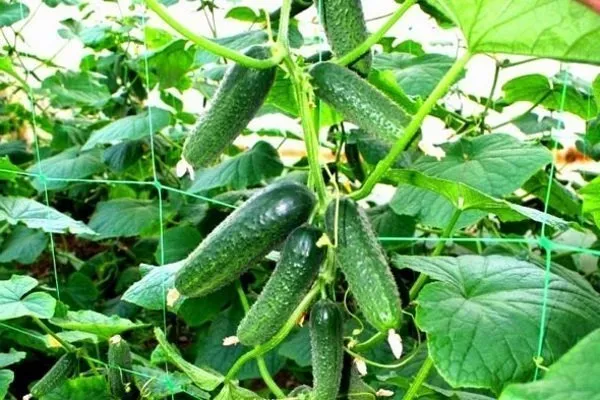
The bushes are vigorous, with moderate branching. The leaves are medium-sized, green, with a slightly wrinkled surface and slightly wavy edges. The fruits are short, 10-12 cm long, 3.3-3.5 cm in diameter, and weigh 90-110 g.
Taste and purpose
This versatile variety is suitable for fresh eating, canning, and pickling. These cucumbers are characterized by excellent flavor and juicy, crisp flesh.
Productivity
The hybrid is suitable for growing both outdoors and in plastic greenhouses or temporary shelters. The average yield is 10-13 kg per square meter of planting area.
Ripening time
An early-ripening hybrid, with the first harvest occurring just 40-42 days after germination. Fruiting is long and continues until autumn.
Landing rules
Growing this crop is quite straightforward, so even a novice gardener can handle it. The key is to choose the right timing and follow certain guidelines.
Planting dates
Plant seedlings in early April. Transplant seedlings into greenhouses in early May, when the plants are 17-20 days old. Transplant them into open ground in late May or early June.
Site preparation
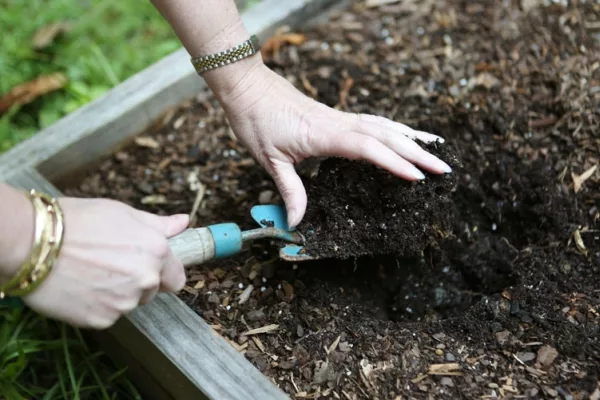
To achieve high yields and long-lasting fruiting, prepare the plot in late autumn by adding organic fertilizer. Apply 20 kg of manure per square meter of soil. When choosing a planting site, consider the following recommendations:
- Do not plant the crop in the same area where it was already growing.
- Ideal soil acidity is pH 6-7.
- Practice crop rotation.
- Good neighbors are onions, mustard, cabbage and beets.
Avoid planting bushes in areas where pumpkin crops were previously grown, as they do not precede cucumbers well.
Planting seeds
Kozyrnaya Karta cucumbers are grown both from seedlings and by sowing them in open ground. Seedlings are the preferred method, as they produce fruit earlier. To do this, plant the seeds in peat containers, moistening the soil first.
Make small holes, plant the seeds to a depth of 0.5-1 cm, cover with soil, and cover the containers with plastic wrap. Place one seed in each cup. Seedlings will emerge in 3-4 days, after which remove the plastic wrap. Grow the seedlings at 25°C and plant them in the ground after 17-20 days.
Planting seedlings
Before planting, ensure the soil temperature has warmed to 15-18°C, as lower temperatures can kill the plants. Dig holes, fill them with fertilizer, and then plant the seedlings directly in peat containers.
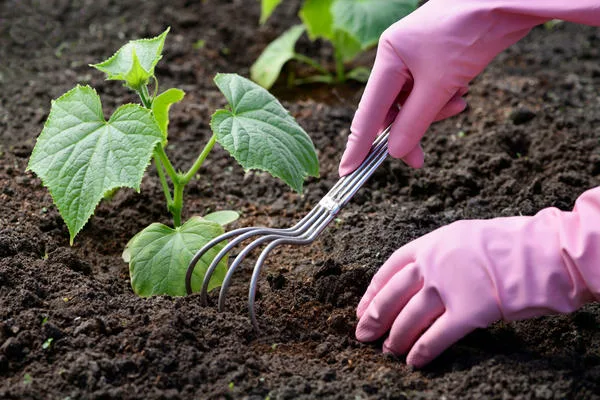
Planting diagram
Place seedlings in a greenhouse in early May, spacing no more than 2 plants per square meter. Plant seedlings in open ground in late May or early June (4 plants per square meter). Sow seeds in a 50x30 cm pattern.
Rules for caring for cucumbers
A high yield and long-lasting fruiting depend on proper and regular care of the seedlings. Follow standard agricultural practices.
- ✓ The optimal soil temperature for planting seedlings should not be below +15°C to avoid plant death.
- ✓ Use only warm water for watering to avoid reducing fruiting.
Watering
The plant requires ample moisture. Water the seedlings strictly in the evening, applying only warm water to the roots. Cold water is not suitable, as it can reduce fruiting.
Garter and shaping of bushes
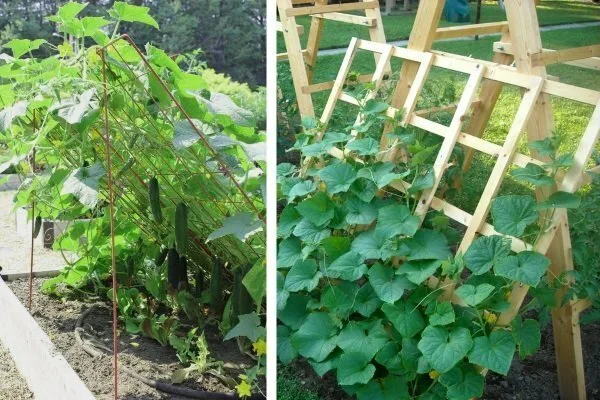
Grow bushes using a trellis and tie up the seedlings immediately after planting. Staking bushes has the following advantages:
- makes care easier;
- saves land space;
- provides more light;
- reduces the risk of disease;
- increases crop yield;
- simplifies and speeds up the harvesting of fruits.
Form the plants into a single stem, removing all lateral shoots and rudiments in the axils of the first leaves.
Top dressing
The hybrid requires regular fertilizing to ensure good growth and abundant fruiting. Fertilize the plants in stages, depending on their developmental stage:
- First feeding Carry out the fertilizer 10-14 days after planting the seedlings or when the shoots emerge. At this stage, root growth and foliage development are important. Use organic fertilizers such as mullein infusion (1:10) or chicken manure (1:15). Add 15-20 g of ammonium nitrate per 10 liters of water.
- Second feeding Apply at the beginning of flowering. During this period, plants need phosphorus and potassium for fruit formation. Use complex mineral fertilizers, such as superphosphate (20 g) and potassium sulfate (15-20 g) per 10 liters of water. Ash fertilizer has also proven effective: 200-300 g of ash per bucket.
- Third feeding Apply during the period of mass fruiting. Plants continue to actively absorb nutrients, so use complex fertilizers with microelements, such as nitroammophoska (30 g per 10 liters of water).
Use herbal infusion or yeast feed to stimulate crop yields. - The fourth feeding (If necessary) Apply during the peak fruiting period to maintain a long harvest. Use potassium fertilizers, such as potassium sulfate or ash, to improve the taste and quality of the fruit.
Maintain proper dosages and avoid over-fertilizing the soil with nitrogen to avoid excess foliage at the expense of fruiting. Fertilize seedlings after watering, preferably in the morning or evening to avoid burning the roots.
Hilling
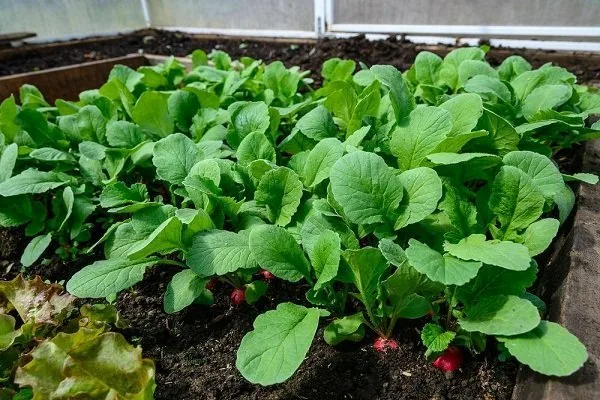
This procedure has a positive effect on plant growth, yield, and fruiting duration. Perform hilling carefully to avoid damaging the roots, as this can lead to prolonged recovery or even death of the bushes.
Before planting, moisten the soil, then gently loosen it to a depth of 3-4 cm. Hill up the seedlings approximately every 2 weeks, and if necessary, while removing weeds.
Resistance to diseases and pests
The Trump Card is characterized by strong immunity to many diseases. However, improper care or damage can lead to viral or fungal infections:
- Fusarium. The disease is caused by a fungus that penetrates plants through the roots and destructively attacks the vascular system. Remove affected plants. Treat healthy seedlings and soil with a potassium permanganate solution, then sprinkle with ash.
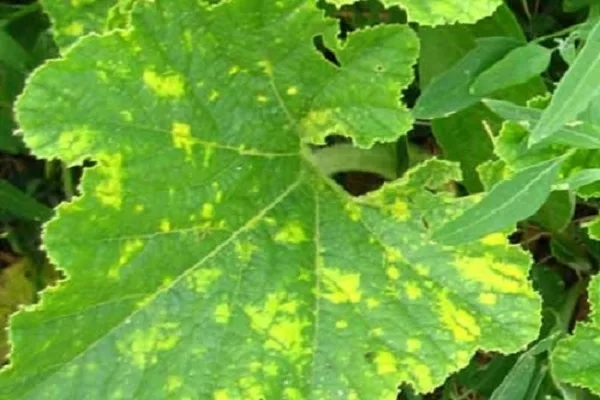
- Spider mites and aphids. Yellow spots appear on the leaves, and webbing is visible on the underside. The leaves curl and dry out. To combat the pests, use folk remedies: onion peels, ash, and tobacco dust.
- Whitefly. A small insect (up to 1 mm) with a yellow body and white wings. It sucks the sap from cucumber leaves, causing white spots, yellowing, and blackening of the leaves. To control whiteflies, use folk remedies such as vinegar solutions, dandelion, garlic, or celandine infusions, or chemicals such as Verticillin, Aktara, or Fufanon.
- ✓ Fusarium manifests itself as wilting of plants and yellowing of leaves, starting from the bottom.
- ✓ Spider mites leave small yellow dots on the leaves and a thin web on the back.
Regularly inspect plants for pests or diseases to begin treatment promptly and prevent death.
Harvesting and storage
Harvest the green fruits regularly, every 1-2 days, to prevent them from becoming overripe and to stimulate further fruiting. The optimal time for harvesting is early morning or evening, when the fruits are not exposed to direct sunlight.
Carefully cut cucumbers with scissors or pruning shears to avoid damaging the plant. For storage, store the vegetables in a cool place at a temperature of 8–10°C and a humidity of approximately 90%. Under these conditions, they can stay fresh for up to 10 days.
If you plan to store the vegetables longer, freeze them after cutting them into wedges, or pickle them in jars. Pickling preserves their flavor and crispness well, making them aromatic and delicious for winter preserves.
Positive and negative qualities
The crop boasts numerous advantages, making it popular among gardeners. However, it's important to consider the hybrid's shortcomings.
Reviews
Kozyrnaya Karta cucumbers have gained popularity among gardeners thanks to their excellent characteristics. This hybrid offers a combination of high yields, low maintenance, and excellent flavor. It's important to understand the variety's characteristics, its advantages and disadvantages, and follow the care and growing tips.