
Smelt is one of the most popular hybrids among gardeners, recognized for its excellent taste and marketability. This early-ripening cucumber variety is not only highly productive but also disease-resistant, making it an excellent choice for both experienced and novice gardeners. Proper care is essential.
Introduction to the variety
Belongs to the early-ripening bunch varieties. These hybrids surpass regular cucumbers in a number of ways: they produce a bountiful harvest, are free of bitterness, require minimal care, and are disease-resistant.
History of origin
The hybrid was developed relatively recently by the agricultural firm Semena Altaya. Founded in 1995 in Barnaul, this company is now one of the leading sellers of Russian and foreign seeds.
The variety was named after the northern fish due to its resemblance: the mature cucumbers are small and have a smooth, elongated shape. Also interesting is the fact that fresh smelt has a slight cucumber aroma.
Characteristics of the appearance of the plant and cucumbers
A parthenocarpic, early-ripening, small-fruited, first-generation hybrid with universal applications, suitable for both open-field and greenhouse cultivation. It boasts high yields, robustness, resistance to major diseases, and good tolerance to extreme weather and frost.
Description of the culture:
- Bushes – compact, with medium branching and cluster type ovaries.
- Leaves - medium-sized, rich green, slightly wavy, heart-shaped.
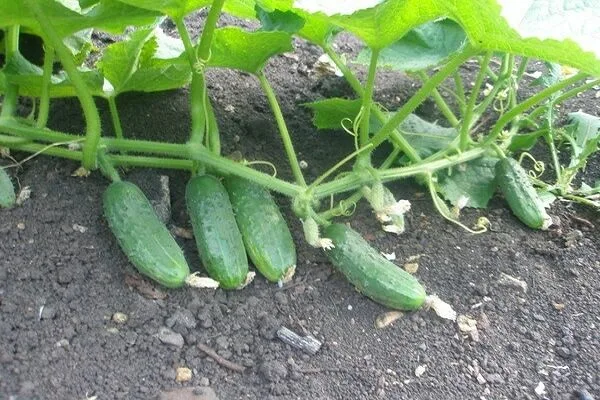
- Flowers – Female, do not require pollination. A whole bunch of ovaries (on average 3-5, sometimes up to 7-10) forms at each node on the stem and side shoots.
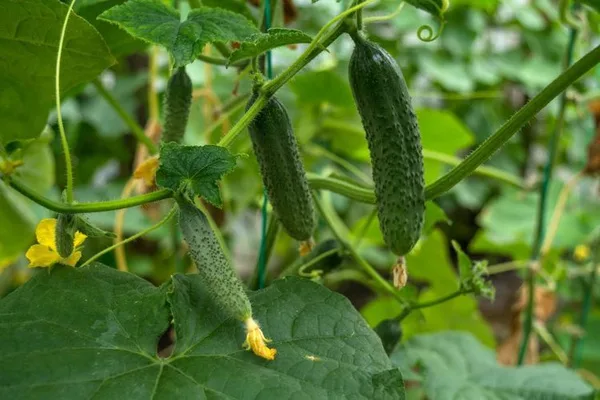
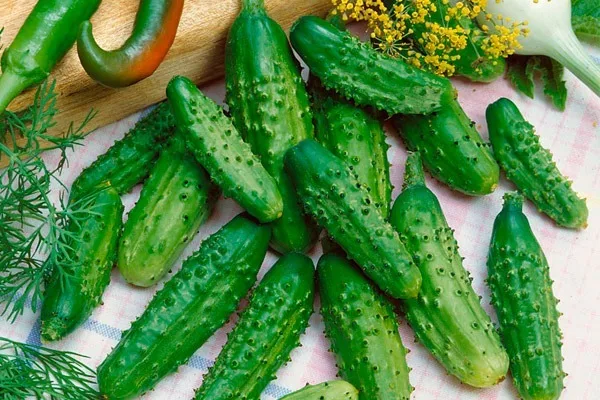
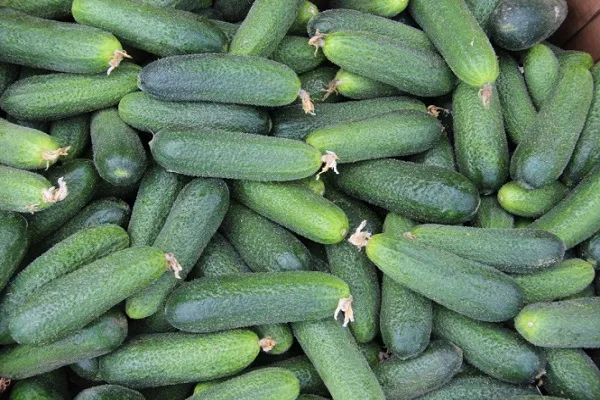
- Fruits – 7-9 cm long, crisp, tasty, and without bitterness. They are small, gherkin-like, weighing 30-50 g, and slightly curved and cylindrical. They are bright green in color, darker near the stalk, with distinct stripes and bumps, and covered with white pubescence.
The pulp is aromatic and crisp, without voids, with small seed chambers.
Taste and purpose
The hybrid is used both fresh and for canning. Depending on the harvest time, the resulting cucumbers are either pickles (3-5 cm long) or gherkins (7-10 cm long).
Baby pickles are great for fresh snacking, but they're most often pickled in a spicy brine. They're added to hamburgers, salads, or served as a cold appetizer with a selection of other micro-vegetables: onions, garlic, green beans, and carrot slices.
Gherkins are used for whole-fruit pickling: they make quick summer pickles or can be preserved in jars for the winter. Cucumbers are a low-calorie and healthy food.
When ripe, the yield
The first fruits are harvested just 37 days after germination. Within 45 days, the vegetables reach full growth and ripen simultaneously in the bunch. At the pickle stage, the yield is up to 7 kg per square meter, and during the main harvest, the yield can reach 11-14 kg.
Soil requirements
The crop grows well in loose, light soil, such as loam or sandy loam. Fertilize the soil with ash. Transplant the seedlings outdoors only after the soil warms to 12-14°C.
Regions for planting
Altai seeds are distinguished by their high frost resistance. The hybrid is successfully cultivated without cover in the southern regions of Russia, and the seedling method allows it to be planted in open ground in the Central and Volga regions. In climate zones with late springs and short summers, the crop is grown in greenhouses.
Disease resistance
The variety is resistant to diseases and pests, and has a strong immune system. However, problems may arise if not cared for properly.
Advantages and disadvantages
The variety has only a few disadvantages: the need for frequent harvesting of vegetables and its demanding growing conditions.
How to plant correctly?
Cultivate smelt using seedlings or without seedlings. Plant the seeds outdoors when the soil temperature reaches 17-20°C during the day and 8°C at night.
Follow the recommendations:
- Form furrows in the prepared area and fill them with nutritious soil consisting of humus, peat, sand and fertilizers.
- Moisten the soil with a watering can, then plant the seeds to a depth of about 2 cm.
- Cover the plantings with mulch and cover with film to create greenhouse conditions.
Plant the crop in glass greenhouses in the first half of May, when the seedlings have 3-5 true leaves. The distance between plants should be 30-40 cm, and between rows, 1.8-2.1 m.
Care instructions
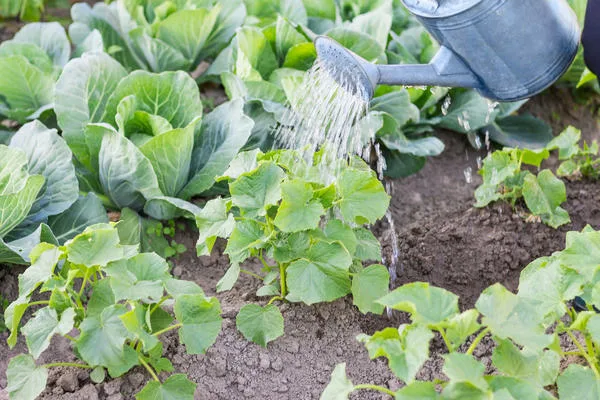
During the active growth period, water the plants moderately, but stop watering completely during flowering. Use soft, room-temperature water, watering morning and evening to avoid sunburn on the leaves.
When applying fertilizer, be careful not to overdo it to avoid excessive growth of vegetative mass. Apply the first fertilizer two weeks after planting, using a complete fertilizer for seedlings. When the green shoots are forming, feed the bushes with potassium.
Features of the formation of cucumbers Smelt
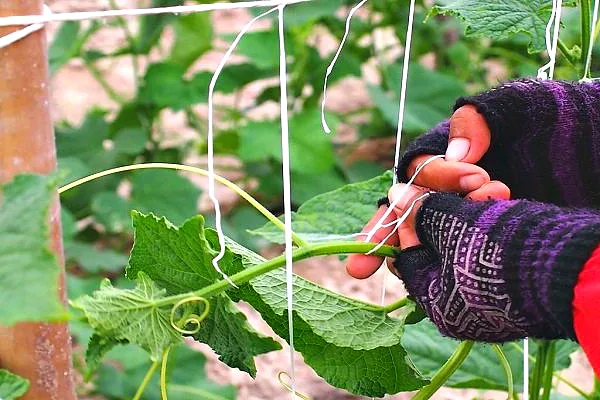
Smelt F1 is a small hybrid vegetable that, when grown properly and with proper agricultural practices, produces a bountiful and delicious harvest. Therefore, it's important to know how to properly train the plants so they can devote all their energy to ripening the fruit.
This procedure has many advantages:
- saving space in the greenhouse;
- extension of the fruiting period;
- simplification of bush care and harvesting;
- improving ventilation and lighting of plants.
Pruning involves removing shoots that grow in the axils of the lower leaves. Leave small stubs to prevent stem rot.
Prevention of diseases and parasites
The crop has a complex immune system, making it resistant to root rot, powdery mildew, and cucumber mosaic. However, the vegetables can be affected by rust. In this case, treat the bushes with fungicides.
If insect pests appear, apply a solution of tobacco, garlic, or ash. To combat spider mites, spray all parts of the plant with a soap solution.
To prevent disease, follow these preventative measures:
- Crop rotation: plant the variety after legumes or tomatoes.
- Frequent ventilation of the greenhouse.
- Regular weeding and maintaining the area clean.
- Inspection of plants for signs of infestation and parasite larvae.
- Plant near onions, garlic, marigolds or mustard to repel pests.
Following these rules will help prevent diseases and maintain plant health.
Harvesting
Harvest the greens in the second half of June. Stop fertilizing the plants with mineral fertilizers 10-14 days before harvest. Harvest the greens daily, in the evening, 15 minutes before watering.
Gardeners' reviews of the Koryushka cucumber variety
Koryushka cucumbers are an excellent choice for those seeking a high-quality and abundant harvest. Thanks to their disease resistance, good productivity, and excellent taste, this hybrid is becoming increasingly popular among gardeners. By following the recommended cultivation practices and care, you can enjoy fresh vegetables throughout the season.