
The Kolibri cucumber is a highly productive and easy-to-grow variety that has gained popularity among gardeners due to its excellent taste and resistance to adverse conditions. It is ideal for growing both outdoors and in greenhouses. With proper care, you can achieve abundant harvests and strengthen the plant's immunity.
Introduction to the variety
Kolibri is a popular and relatively new variety that produces fruit without the need for pollinators. This is just one of its many advantages.
Originators
The hybrid was approved for use in 2010. It was developed by specialists from the Manual breeding and seed company: A. Borisov, O. Krylov, E. Orekhova, V. Skachkov, T. Krylova, A. Goryachenkov, O. Vostrikova, and K. Sayapina. It is labeled as a salad variety.
External characteristics of the plant and cucumbers
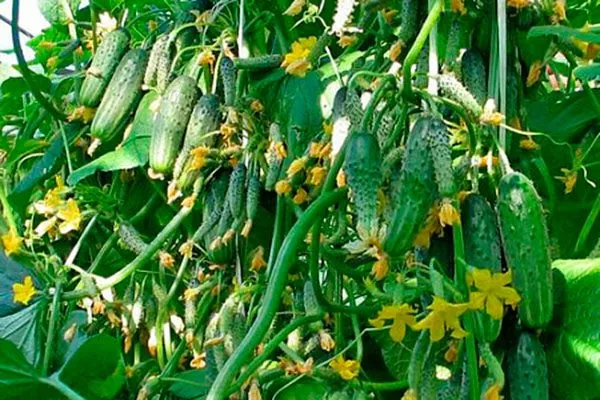
The bushes reach up to 2.5 m in height. Rapid shoot formation is observed. Determinate lateral branches are short. The shoots are covered with small dark green leaves. The hybrid has predominantly female inflorescences. Each leaf axil produces 2 to 10 ovaries. The root system is well developed.
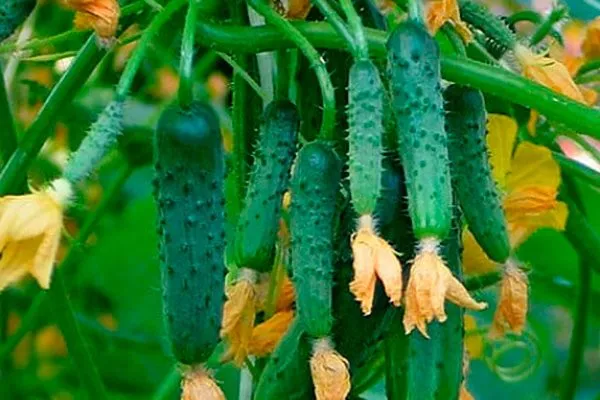
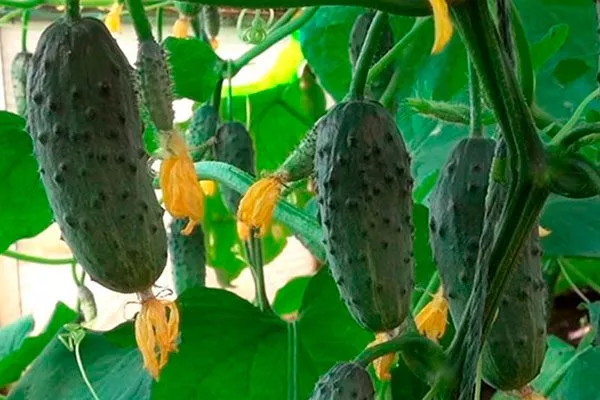
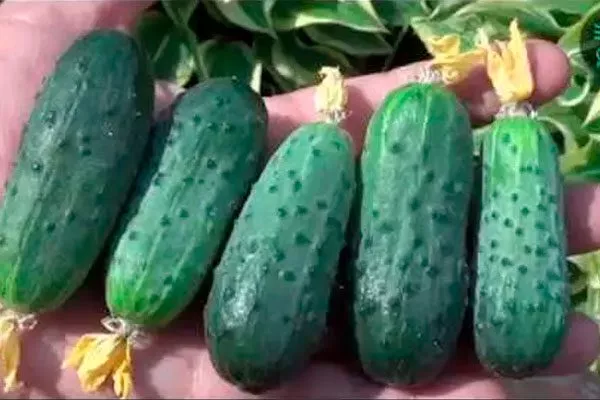
A single gherkin-type fruit weighs approximately 70 g. It reaches a length of only 5-8 cm and a diameter of 2.5-3.5 cm. The bright green, spindle-shaped fruits with longitudinal light stripes grow on long stalks. The surface of the gherkins is covered with tubercles and has a white pubescence.
- ✓ The variety has high resistance to powdery mildew, which reduces the need for chemical treatments.
- ✓ Green cucumbers retain their crisp texture and flavor even after heat treatment, making them ideal for canning.
Taste and purpose
The crisp, juicy flesh has a sweet, non-bitter flavor. Despite the presence of small seeds, they are practically imperceptible. The vegetables have a pleasant aroma, and the flesh is free of cavities. The firm, small fruits are suitable for fresh consumption and are often used for pickling and canning.
Composition, benefits
The vegetable is known for its beneficial properties due to its content of B vitamins, vitamin C, folic acid and microelements: iron, potassium, iodine, silver, calcium, etc.
Cucumbers have undeniable benefits:
- Due to the high water content, they help maintain the body's water balance.
- Low in calories and high in fiber, it helps control appetite and maintain a healthy weight.
- Antioxidants and vitamin C help improve skin condition by reducing inflammation and protecting against harmful UV rays.
- Potassium helps regulate blood pressure, reducing the risk of cardiovascular disease.
- Fiber improves bowel function, preventing constipation and promoting healthy microflora.
These green cucumbers have a crisp texture, making them excellent for eating fresh or in salads. They have a pleasant, fresh aroma that enhances the flavor of dishes.
Ripening time and yield volumes
The hybrid is considered early maturing, ripening 40-48 days after planting in a permanent location or sowing seeds directly into the ground. Under favorable conditions, the harvest can be collected as early as 35 days after planting.
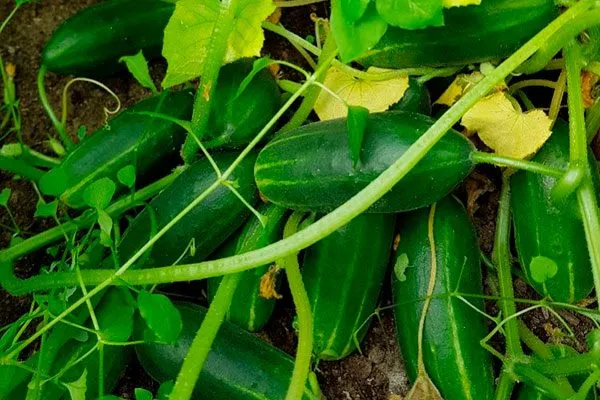
Once the crop reaches maturity, the fruit is harvested every other day or daily. The variety performs best when grown in protected soil. On average, up to 11-13 kg of vegetables can be harvested per square meter.
Positive and negative qualities
This variety is distinguished by its high yield and excellent fruit flavor. The hybrid grows well in a greenhouse and performs well on a windowsill. It produces numerous gherkins, making it one of the best commercial options.
Planting Hummingbird cucumbers
Sowing times depend on the growing method and the regional climate. When planting seedlings, sow seeds from early to mid-April. Transplant seedlings into open ground at 25 days of age, from mid- to late May.
Starting in mid-May, sow the seedlings directly into the ground. Greenhouse cultivation and planting of seedlings under plastic cover is permitted in early May. Growing cucumbers indoors is possible in spring or fall, but only with supplemental lighting from a phytolamp.
- ✓ The optimal soil temperature for sowing seeds should be at least +15°C.
- ✓ To prevent fungal diseases, it is necessary to ensure good air circulation around the plants.
Sowing in open ground
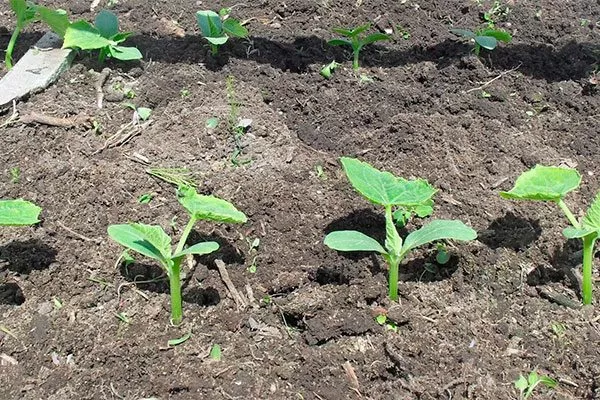
Choose a site for the hummingbird that's protected from strong winds. Clear the area beforehand, dig the soil, and fertilize it with humus or compost (10 kg per 2 square meters). If the soil is clayey, add sawdust or sand (1 kg per the same area).
Prepare the seeds in advance:
- Soak for half an hour in a 2% solution of potassium permanganate.
- Soak for 2 hours in a fungicide - Fitosporin or Baksis.
- The day before planting, soak the seeds for 7-8 hours in a growth stimulator, such as Agat, Baikal, or Sodium Humate.
Make furrows in the area, leaving 40 cm between them. When planting, the holes should be 1-2 cm deep. Place them in a staggered pattern. The interval between seeds should be 5-7 cm. After covering with soil, water.
When three leaves emerge, thin the seedlings so there are no more than four seedlings per square meter. Dry seeds should be planted densely, as their germination rate is low.
Growing seedlings
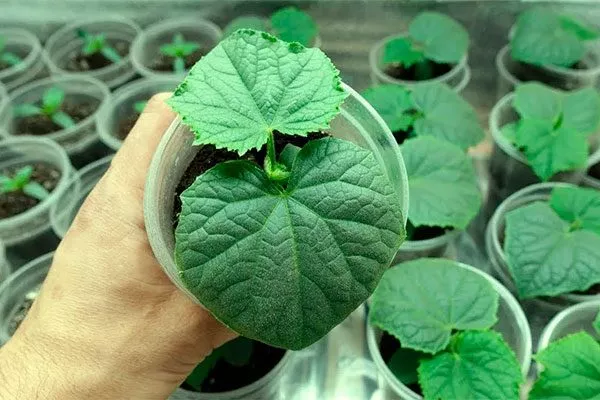
First, prepare the planting material. Disinfect the soil with boiling water or a potassium permanganate solution, or freeze it for a few days. For cultivation, use a universal seedling soil or a homemade mixture: mix soil, humus, sand, and peat (2:1:1:1).
Step-by-step instructions:
- Sow the seeds into containers to a depth of 2 cm, leaving a gap of 5 cm between them.
- Moisten the soil well, then cover with film and place in a warm place (+23-26°C).
- After the seedlings appear, remove the film.
- Feed with a complex fertilizer, for example, Kemira, Rastvorin, Ideal.
- Water periodically.
A month after planting, transplant the seedlings into a greenhouse or open bed.
Caring for Hummingbird Cucumbers
Cucumbers require special attention and produce a good harvest only if proper agricultural practices are strictly followed. Ensure timely and comprehensive care for your crop.
Spraying and watering
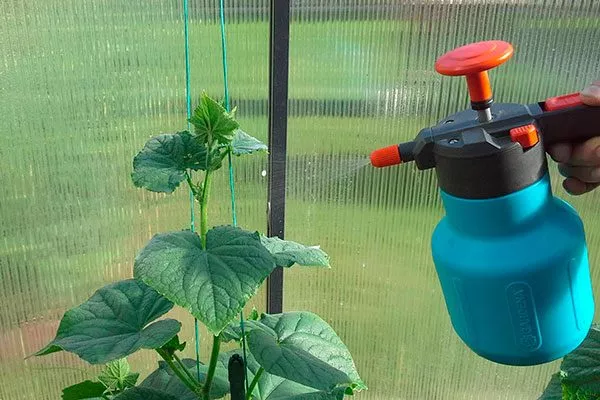
This hybrid requires high humidity and does not tolerate even short-term droughts, so it requires regular watering. Water the bushes as the soil dries out. During the fruiting period, water daily or twice a day in very hot weather.
Top dressing
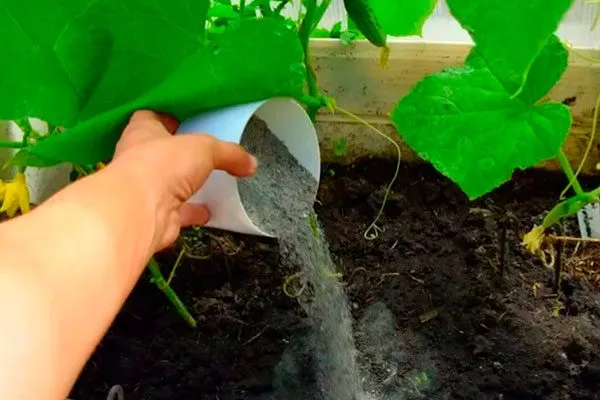
Apply fertilizer several times per season. Apply the first application 12-14 days after transplanting the seedlings to their permanent location. Use a nutrient-rich substrate containing potassium, nitrogen, and magnesium.
Weeding and mulching
These are important procedures that help maintain plant health and provide them with optimal conditions for growth.
Weed as needed to remove weeds that compete with cucumbers for water and nutrients. These weeds can also harbor diseases and pests. Weed carefully to avoid damaging the root system.
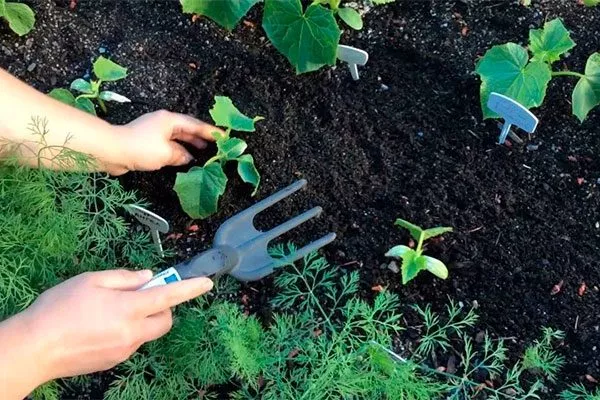
Mulching helps retain soil moisture, prevents weed growth, and improves soil structure. Use a variety of materials for this purpose:
- Straw or hay. Effectively retain moisture and suppress weed growth.
- Compost or humus. Improves soil structure and adds nutrients.
- Sawdust. They retain moisture well, but require regular renewal.
Place mulch on the soil surface between rows of plants, leaving space around the stems to prevent rotting. Apply mulch after the plants have established themselves and reached a certain height.
Tying up
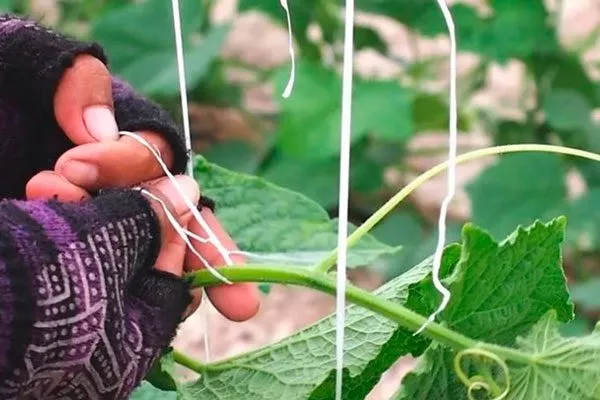
This is an important agricultural measure, especially for hybrids like Kolibri, which have climbing stems. Proper staking provides support to the plants, improves their growth, and makes them easier to care for.
Benefits of the procedure:
- Plant support. Staking helps prevent branches from falling to the ground, which reduces the risk of fruit rot and promotes better air circulation.
- Simplifying care. Raised shoots are easier to inspect for diseases and pests, and easier to water and fertilize.
- Increased crop yield. Greens that are at eye level are easier to pick. They don't touch the soil, which reduces damage and improves quality.
Step by step procedure:
- Use wooden or metal trellises 1.5-2 meters high. To create them, stretch wire or rope between two posts. Special cucumber nets or lattices are popular, as they ensure even distribution of plants.
- Start tying when the bushes reach a height of 20-30 cm.
- Use soft ribbons, twine, or special plastic clips. Wrap them around the stem and tie them securely to the support, but not too tightly to avoid damage.
- As they grow, regularly adjust them and tie new shoots to the support to ensure proper development and avoid kinks.
Constantly check that the bushes are securely fastened and not twisted.
Remove excess lateral shoots and leaves that interfere with good air exchange and sunlight reaching the fruits.
Diseases and pests
The crop has a strong immune system, but it can be susceptible to various diseases and pest attacks. It's important to begin combating them promptly:
- Powdery mildew. It is accompanied by a white, powdery coating on the leaves, stems, and fruit. Remove the affected parts and treat with fungicides such as Topaz, Fitosporin-M, or Bayleton.
- Peronosporosis (downy mildew). Yellow spots appear on the upper side of the leaves, and a gray-purple coating appears on the underside of the leaf blade. Remove and destroy affected leaves, and use systemic fungicides such as Previcur Energy, Ridomil Gold, or Alirin-B.
- Anthracnose. When the disease occurs, brown spots appear on leaves, stems, and fruits, which can develop into ulcers. Remove affected plant parts and spray with copper-containing products such as HOM or Abiga-Peak. Pre-treat the seed with Fundazol.
- Aphid. Small green, black, or gray insects attack the undersides of leaves, causing them to deform and turn yellow. Spray the bushes with insecticides (Aktara, Confidor Extra, Iskra-M) or use natural remedies such as soap solution and garlic infusion.
- Spider mite. The insect leaves webs on the plant, and yellow spots and dots appear on the leaves. Treat with Fitoverm, Actellic, and Bitoxibacillin.
- Whitefly. Small white insects flying around plants leave a sticky residue on the leaves. Treat the bushes with insecticides such as Aktara, Mospilan, or Confidor Maxi.
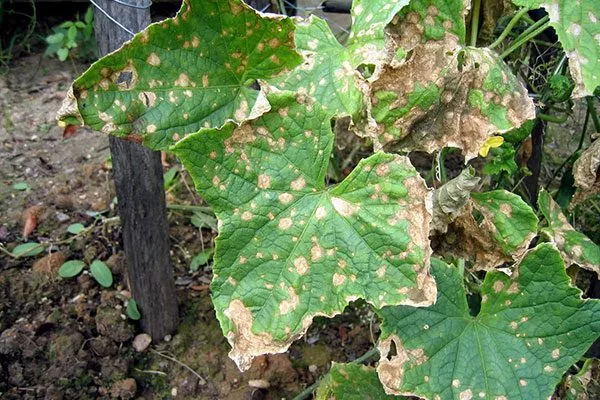
Following these recommendations and using the indicated preparations will help effectively combat diseases and pests, ensuring a healthy and bountiful harvest.
Harvesting and use of the crop
Pick cucumbers regularly, every two to three days, to encourage further fruiting. The best time to pick is early morning or evening, when temperatures are cooler and the fruit retains its freshness. Cut the cucumbers carefully, leaving a small portion of the stem attached.
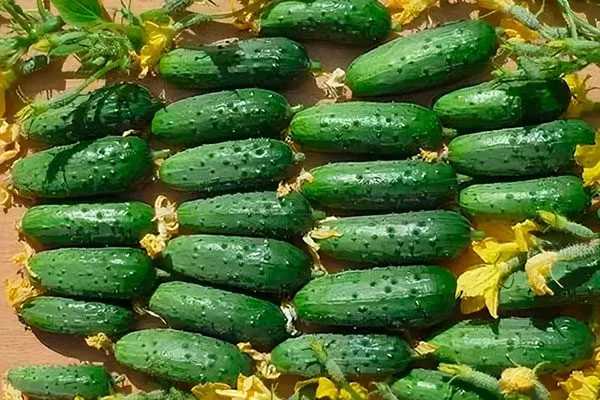
Refrigerate the harvest to prolong freshness. Store it in the refrigerator at 6-8°C and 90-95% relative humidity. This will keep the fruit fresh for up to two weeks. If you're storing cucumbers for a long time, pickle or salt them. Choose fresh, undamaged cucumbers.
Reviews
Kolibri cucumbers offer gardeners a number of advantages, including early ripening, high yields, and excellent flavor. Their ease of care, disease resistance, and year-round growing make this variety particularly appealing. With the right approach to cultivation and care, you'll enjoy crisp, flavorful cucumbers.