
The Claudine cucumber is a popular hybrid that produces delicious, versatile fruits. This parthenocarpic variety is suitable for both open-air cultivation and temporary plastic shelters. The hybrid is renowned for its generous yields.
Introduction to the variety
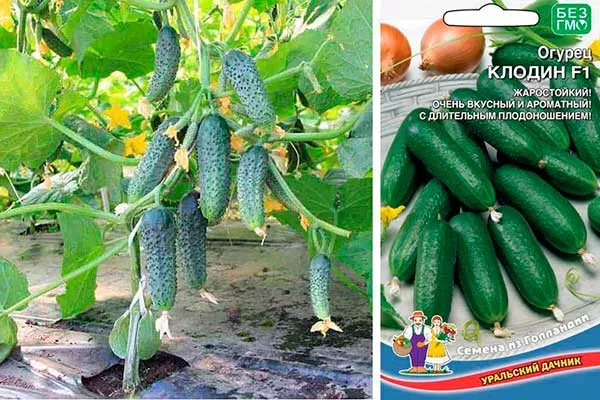
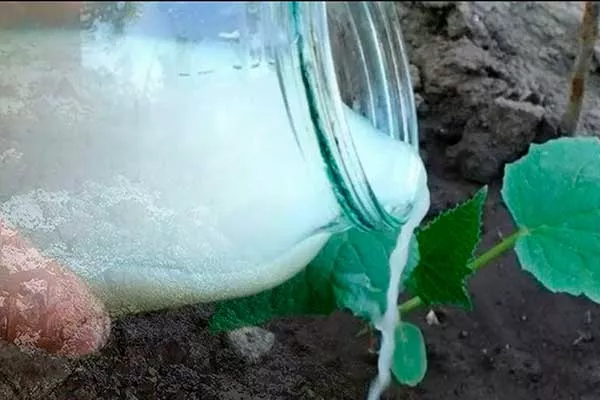
This is an improved version of the previously known Dutch hybrid Claudia f1. The plant is resistant to most cucumber diseases, and powdery mildew can be treated with copper-containing preparations, ash, whey with iodine, and potassium permanganate. The fruits are not prone to overgrowth, have a pleasant sweet flavor, crisp flesh, and thin skin.
Originators
The hybrid cucumber Claudine was created by scientists at the Dutch agricultural company Monsanto in the 2000s. The parent variety of the hybrid was the Claudia cultivar. Breeders A. N. Kononov and H. Klein worked on the development of the Claudine hybrid.
This hybridized variety of cucumbers was added to the register of approved varieties in 2008. The crop is zoned for cultivation in all regions of Russia.
External characteristics of the plant and cucumbers
The plant is indeterminate, medium-height, with dense foliage and female flowering, producing clusters of ovaries. Up to seven to eight gherkins can form in a single node. The fruits develop without pollen, meaning insects are not required for pollination.
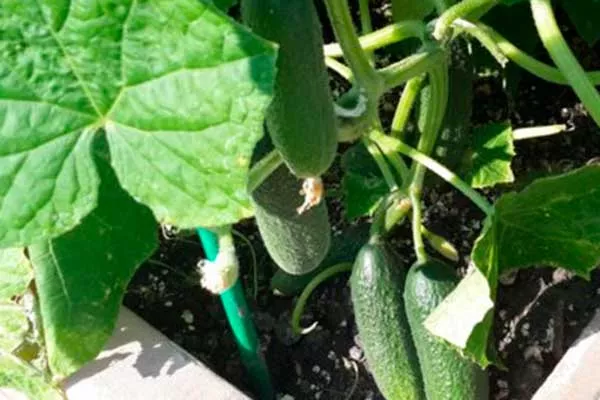
Other varietal characteristics of the bush:
- The above-ground part is powerful, with long shoots, moderately covered with foliage.
- The leaf blades are wide, rounded, divided into five segments, and are a bright green. The leaf surface is rough both above and below. They are predominantly located on the main and lateral branches.
- The plant blooms with large yellow buds up to 2.5-3 cm in diameter.
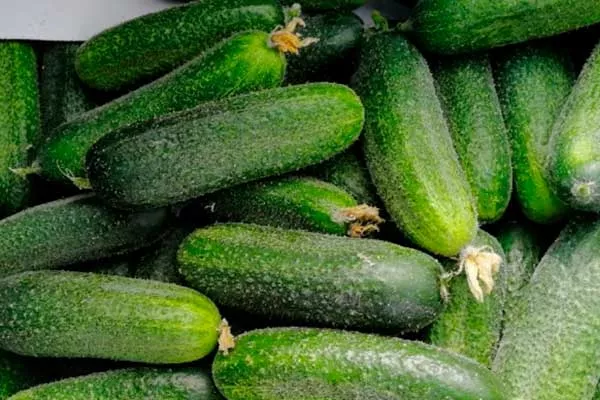
- ✓ Forms up to 7-8 cucumbers in one node, which is high productivity.
- ✓ Fruits are not prone to overgrowing, maintaining an optimal size of 8-12 cm.
Description of the fruits of the Claudine f1 variety:
- cucumbers reach a length of 8-12 cm;
- weight varies from 80 to 110 g (comparable to the Parisian gherkin cucumber);
- the shape is cylindrical, elongated;
- the surface is finely tuberculate, with whitish spines;
- the skin is thin, without bitterness;
- the color is bright green, rich;
- the pulp is juicy, practically seedless.
Taste and purpose
Claudine has an excellent flavor. The flesh is plump and crisp. Its taste is characterized by a pleasant sweetness, harmoniously combined with a rich, refreshing aroma.
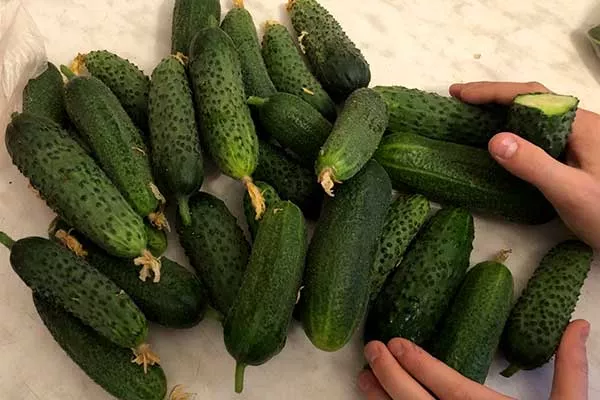
The hybrid is ideal for fresh consumption, salads, and vegetable platters. The cucumbers can be preserved whole, but they are not suitable for pickling, as they become soft in the marinade.
Composition, benefits
Nutritional value of cucumbers (per 100 g):
- caloric content – 12-14 kcal;
- proteins – 0.8%;
- fats – 0.1%;
- carbohydrates – 2.5%;
- water – 95%;
- fiber – 1%.
The benefits are as follows:
- quenches thirst;
- helps with heartburn;
- improves the functioning of the gastrointestinal tract;
- supports thyroid function;
- reduces swelling;
- whitens facial skin.
When ripe, the yield
This cucumber hybrid is characterized by early ripening and high-quality yields. From the emergence of the first shoots to the onset of fruiting, it takes 35-47 days. The fruits ripen gradually, so the harvesting period can be extended. The mass harvest of cucumbers usually occurs in July and August. It is recommended to harvest the vegetables every 2-3 days.
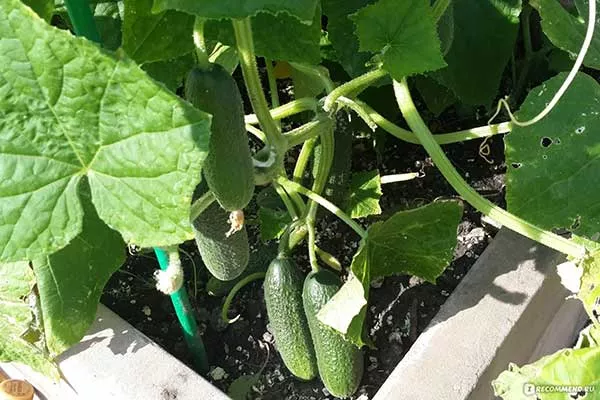
The Claudine hybrid is known for its abundant fruit production. On average, this crop yields approximately 9.5-10 kg/sq. m. When grown in a properly equipped greenhouse, yields can reach up to 12 kg/sq. m.
Soil requirements
The cucumber variety has no special soil requirements. The most favorable conditions for growth and fruiting are created in loose, permeable, airy, and fertile soil with a neutral pH. It is important that the substrate not be waterlogged or heavy. Sandy loam, loamy clay, and chernozem soils are ideal.
Climate
The Dutch cucumber Claudine prefers light, warmth, good ventilation, and space. Therefore, it is recommended to sow it in a sunny area, clear of weeds and slightly shaded by taller plants. It is important to ensure that the groundwater level is sufficiently deep.
Planting cucumbers
To grow delicious cucumbers and a healthy harvest, you first need to choose the right location. Although the Claudine variety is considered easy to grow, it's a southern crop that prefers sunny locations and requires plenty of moisture and light.
- ✓ The optimal soil temperature for sowing seeds should be at least +16°C, which is critical for germination.
- ✓ To prevent root rot, ensure good drainage and avoid over-watering the soil.
Site preparation
Before sowing, dig up the future beds and add organic matter. This procedure is best done in the fall, before preparing for winter. Be sure to test the soil for acidity: if the pH exceeds 6-8%, add lime.
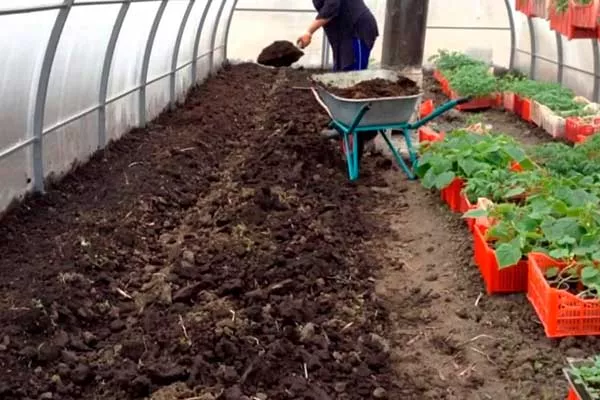
There are two methods for growing the Claudine cucumber variety: sowing and transplanting. The choice of method depends primarily on climate and weather conditions.
Sowing method
This method involves sowing cucumbers from seeds directly into the soil, without first germinating the seedlings. It's important that the soil is well-warmed, approximately 16-18 degrees Celsius, and there are no overnight frosts.
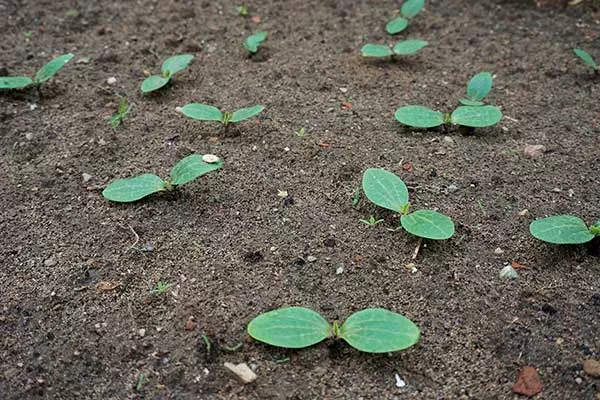
It's used in southern regions, where winters are mild and summers are very hot and long. Experienced gardeners from other parts of Russia also prefer this method—it's quick, but requires some effort.
To plant the seeds of the Claudine variety in the ground, proceed as follows:
- The soil should be thoroughly dug to the depth of one spade and then fertilized. Try to use both organic mixtures (compost or manure) and mineral ones, such as superphosphate.
- Before sowing, germinate the seeds as usual and treat them with a potassium permanganate solution for disinfection. It is recommended to harden the seedlings by placing them and their cuttings in the refrigerator for 24 hours.
- To work, create individual holes or common grooves. Their depth should not exceed 2.5 cm.
- Place the seeds and cover with substrate.
- Moisten slightly.
After sowing, cover with agrofibre for additional protection.
Seedling approach
Using this method, the seeds are pre-germinated at home. To do this, you need to stock up on a sufficient number of pots, preferably peat ones (they can be planted in the holes along with the plant, without removing the bush). Purchase soil and compost, mix them to create a seedling mixture, and pour it into the containers.
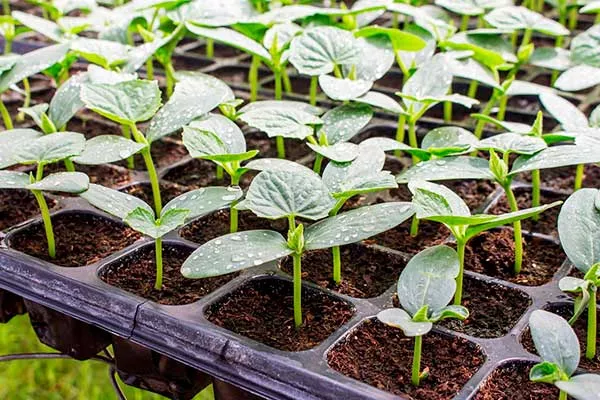
Next steps:
- Place a sprouted seed inside the mixture and cover with soil. Make the hole no more than 2 cm deep.
- Water the plant with settled water, place it in a warm, dark place, and cover it with a plastic bag. This will create greenhouse-like conditions.
- Once the sprouts appear, move them to a bright location. A windowsill or table next to a window is ideal.
Sow the Claudine cucumber seedlings 30 days before transplanting into the ground. The first two leaves should appear on the plant.
Planting diagram
Because the Claudine cucumber variety is characterized by abundant foliage, the plants should be spaced further apart than usual. The recommended spacing is 50-60 x 30-40.
Care instructions
Every plant, even the most unpretentious, requires careful care and attention. Cucumbers, however, are a demanding crop, and if agricultural practices are constantly violated, they can become diseased or stop bearing fruit. Therefore, Claudine should be watered and fertilized regularly.
Watering works
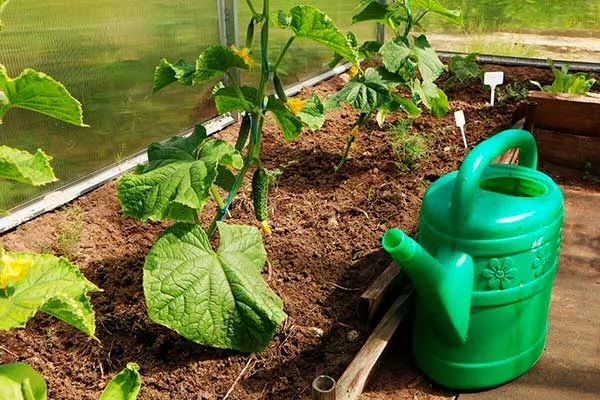
Water Claudine twice a week. The water should be warm and allowed to sit in the sun for a day. Watering with cold liquid is strictly avoided, as it can damage the root system and lead to rot. Basic rules:
- During flowering, irrigation should be reduced, and during the period of active fruiting, on the contrary, it should be increased.
- Before watering, loosen the soil around the roots. This will improve its aeration and allow water to be absorbed more quickly and reach the roots.
- The optimal method is the drip method, for which a special system is installed, but you can also use a small container, watering each bush separately.
- Soil moisture should not exceed 80-90%.
Tying up bushes
This procedure plays a key role in ensuring proper plant development. Cucumbers, being members of the gourd family, cling to anything in their path as they grow. Proper staking allows plants to receive more light and improves air circulation, reducing the risk of disease.
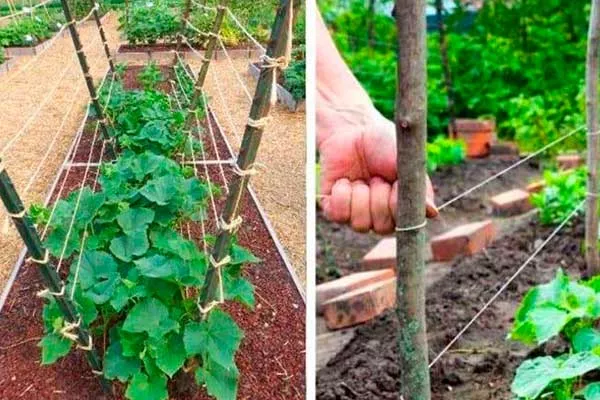
This also helps ensure the fruits grow even and beautifully, without deforming or soiling. Claudine is most often supported vertically. To do this:
- Two wooden supports are installed at the edges of the bed and a rope is stretched between them.
- The tops of the vines are tied to the top post.
When using horizontal garters, which are also used for this variety, several supports are installed around the perimeter of the bed and a string or rope is stretched between them, carefully tying the shoots to the lower support.
Top dressing
Fertilize the plants 3-4 times per season to ensure healthy growth throughout the different stages of ripening and to produce tasty, juicy fruits. A mixture of organic and mineral fertilizers containing nitrogen, phosphorus, and potassium is ideal for the Claudine cucumber variety.
Loosening
To prevent moisture from stagnating on the soil surface and ensure rapid water penetration to the roots, it's important to regularly loosen the soil. Going around the perimeter of the bed with a hand hoe once a week is sufficient. At the same time, remove weeds and grass to ensure Claudine cucumbers receive more nutrients.

Mulching
Claudine F1 hybrid cucumbers require proper mulching to increase the population of beneficial soil microorganisms and earthworms, as well as improve soil oxygen levels. Peat, chopped straw, manure, non-woven materials, and rotted sawdust can be used as mulch.
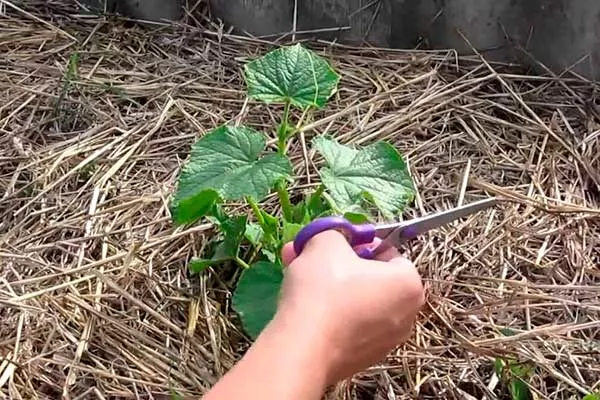
To avoid common mistakes, follow these guidelines:
- Mulch should not touch the stems of the plant, especially in the early stages of its growth, as this leads to the development of various diseases.
- You should not sprinkle the roots of cucumber bushes with fresh grass, as this causes infection with putrefactive bacteria.
- If black perforated film or similar materials are used as mulch, the root system of the bushes may overheat on hot days, so this type of mulching is not recommended on particularly warm days.
Pests and diseases
Claudine was bred as a resilient and stress-tolerant variety. It tolerates powdery mildew well and is resistant to cucumber mosaic. However, if watering and fertilizing schedules are not followed, it can become vulnerable to other diseases:
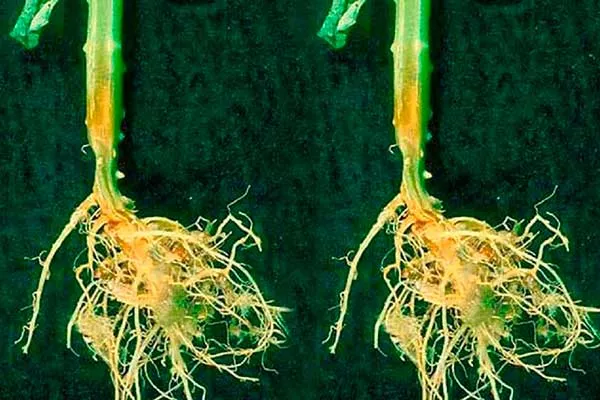
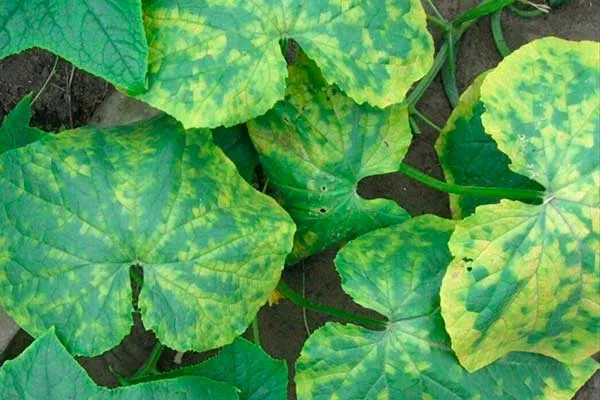
- Root rot. One of the most dangerous and common cucumber diseases is Claudine. The plant wilts, fruit buds stop forming, and yellow spots appear on the leaves. The plant eventually dies.
To prevent rot, use only settled water for irrigation and loosen the soil to improve its aeration.
If the disease is noticed in the early stages, it can be saved using fungicides: Fundazol, Maxim-dachnik, Previkur Energy, Tiram, copper sulfate.

- An ordinary mosaic. One of the most dangerous viruses, affecting not only cucumbers but also other garden crops. The virus manifests itself as wrinkled areas on the leaves. The edges curl inward, the stem cracks, and flowering ceases. Over time, the plant dies completely. To prevent this, follow proper agricultural practices.
The virus is most often transmitted through infected plant debris from last year's plants. If infection is detected, treat the soil with a potassium permanganate solution before planting. During growth, spray with a 3% solution of Farmaiod-3.
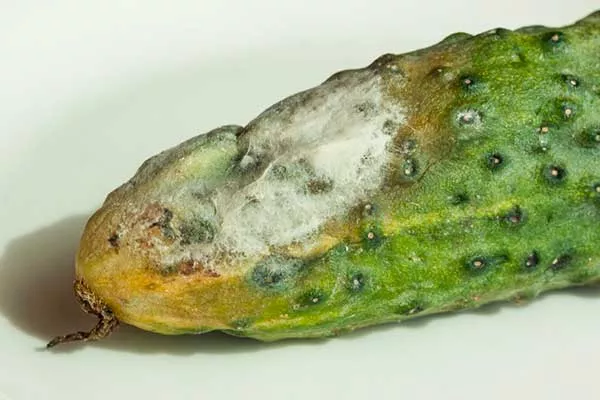
- Gray rot. This fungal disease can withstand low temperatures and persist in the soil for a long time. It spreads through spores, insects, and clothing. When it infects plants, it causes them to wilt, depriving them of nutrients and moisture. It can be caused by gardener errors and failure to follow basic agricultural practices.
Effective biological control products include Gamair, Zaslon, Trichodermin, Gliokladin, and Fitosporin. Chemical control products include Hom, Rovral, and Euparen Multi. For prevention, spray plants with Bordeaux mixture or copper sulfate.
Harvesting and storage
This variety is characterized by uniform germination and generous yields, so picking should be done regularly. Cucumbers can be stored in a cool place for up to two weeks. Small Claudine gherkins look great in jars and retain their flavor for a long time.
Positive and negative qualities
Claudine f1 is very popular among gardeners across Russia, Ukraine, Belarus, and Moldova. This is due to its numerous advantages. This variety does have some drawbacks, but they are far fewer and do not affect its taste.
Reviews
Claudine hybrid cucumbers have deservedly gained popularity thanks to their excellent taste, ease of planting and care, good productivity, and long-lasting fruiting. This parthenocarpic hybrid does not require additional insect pollination, as it is a female-flowering variety and does not rely on male cells for pollination.