
The Klavdiya f1 cucumber hybrid has long won the hearts of vegetable growers thanks to its ease of cultivation and impressive yield. The fruits of this variety are a true highlight of the garden and table: they are distinguished by their perfect shape, uniform size, and vibrant color. Self-pollinating, the plant is suitable for all-purpose cultivation.
The Story of Claudius the Cucumber
The history of the Klavdiya cucumber is complex and eventful. This hybrid variety arrived in Russia in the early 1990s, imported from the Netherlands. It immediately won the hearts of Russian gardeners. In 1999, it was officially registered for cultivation in Russia and recommended for cultivation in the Lower Volga and North Caucasus regions.

Today, the Klavdiya variety has already been removed from the Russian State Register, although it was officially registered in 1999. In 2015, its place was taken by a cucumber called Klavdiya Agro, but this is a completely different variety.
You can also find other cucumber varieties with similar names on the market, for example, Claudius (from L. A. Myazina), Klava (included in the State Register by the Timofeev Breeding Station), Klavdiya Ivanovna (from EliteAgro), and others.
General description of cucumbers Claudius
Claudia is a parthenocarpic cucumber variety that is an annual plant in the cucurbitaceae family. It has twining stems, medium foliage, and a strong, well-developed root system, which promotes vertical growth. This makes it ideal for greenhouse cultivation.
Distinctive features
When analyzing the variety, it is important to note that Claudia produces fruit without the need for pollination, due to the fact that it has only female flowers, which eliminates the possibility of the appearance of male barren flowers.
In Russia, gardeners highly value this hybrid for its productivity, disease resistance, and the versatility of its fruit. Furthermore, it can be grown in two ways: directly in open beds or from seedlings.
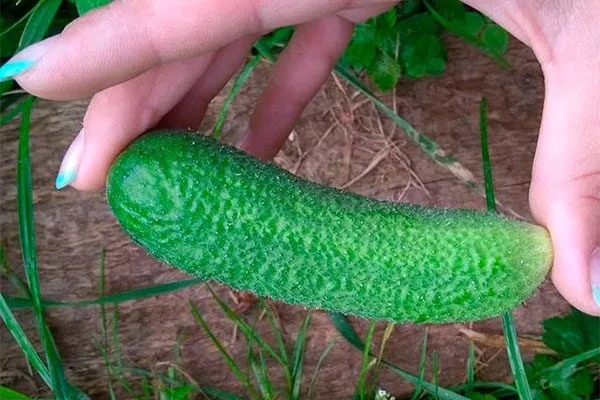
Ninety percent of the harvested fruit retains its edible appearance, confirming its shelf life and ability to withstand long-distance transport. The Klavdia hybrid has long enjoyed stable market demand.
Caloric content, benefits and harms
It is characterized by a low calorie content - only 15 kcal per 100 g. Most of the composition is healthy water, which cleanses the organs of toxins, heavy metal salts and waste.
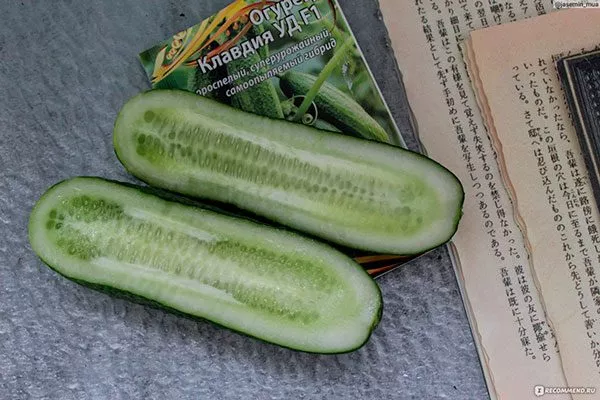
Cucumbers contain abundant amounts of vitamins A, C, B vitamins, folate, and minerals such as potassium, magnesium, and zinc. Green vegetables are particularly rich in fiber, making them unique.
Cucumbers are often included in weight-loss diets and used in cosmetic procedures due to their properties that remove pigmentation and improve skin tone, provide hydration, and have a whitening and anti-inflammatory effect.
Plant characteristics
Claudia is a variety of cucumber with unlimited growth, meaning its shoots continue to grow and don't stop when buds appear. These bushes are distinguished by a strong central stem, moderately dense foliage with slight wrinkles and an emerald green tint, and elongated and thickened shoots.
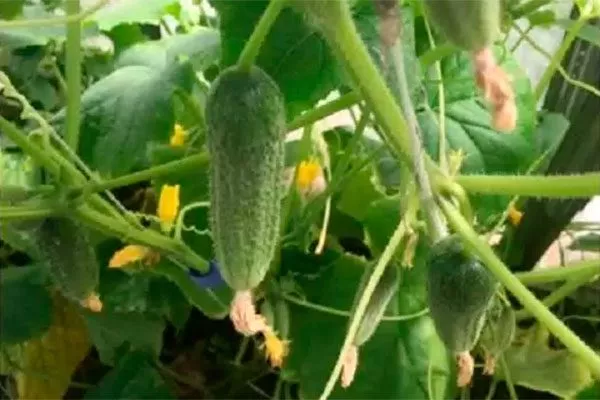
This cucumber variety produces female flowers, which eliminates the formation of barren flowers. The ovaries form in clusters—up to 3-4 more ovaries can be present in a single leaf axil.
During flowering, bright yellow buds open on the bushes. Claudia cucumbers are self-pollinating, so they don't even require insects for pollination.
Fruit characteristics
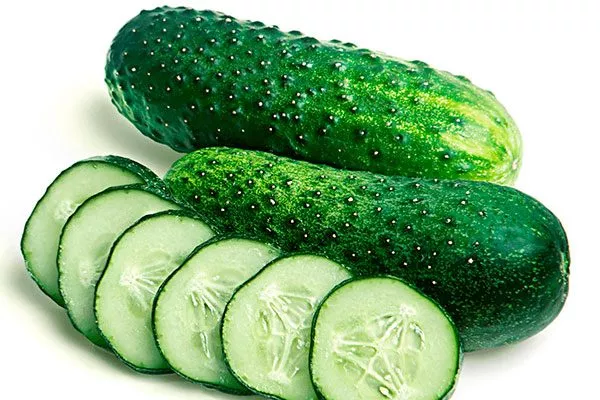
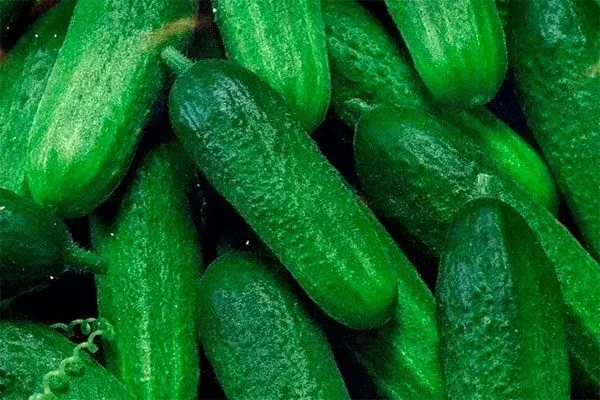
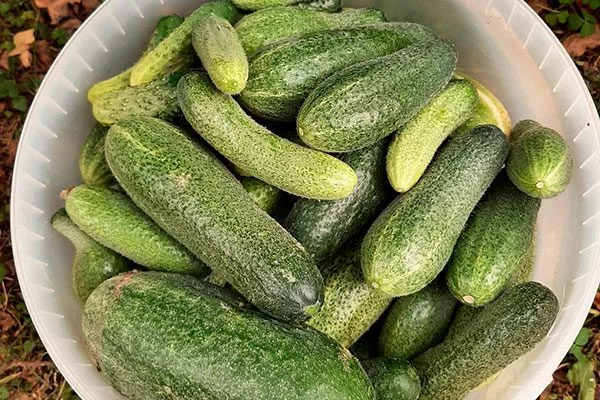
Claudia cucumbers belong to the medium-sized category. The average weight of each cucumber ranges from 65 to 90-100 g. These vegetables are distinguished by their harmonious proportions, neatness, and attractive appearance.
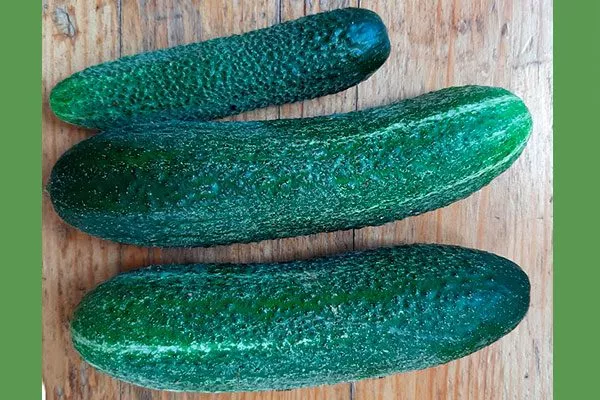
Other varietal characteristics:
- The cucumber has a shortened length of 10-13 cm and a diameter of 2.5-3.5 cm.
- The shape of the fruit is uniform – cylindrical or slightly elongated.
- A fully ripe vegetable has a uniform green surface with minor, slightly blurred markings and small light strokes.
- The cucumber's skin is medium-thick, lightly bumpy, and covered with a dense whitish pubescence. The small spines on the cucumber are not sharp and barely noticeable.
- The harvest of this variety is distinguished by a long period of freshness preservation (up to 20-40 days in the refrigerator) and resistance to long-distance transportation.
- The cucumber pulp is fleshy, soft, juicy and aromatic.
- The taste of the vegetables is harmonious with the light sweetness and freshness of summer. It's not bitter, and the seeds inside the cucumbers are very small, even when the vegetables have reached a large size.
- One of the characteristics of this variety is a pleasant crunch, which is not typical for every cucumber variety.
- ✓ The hybrid has high resistance to cladosporiosis and bacteriosis, which reduces the need for chemical treatments.
- ✓ The fruits retain their marketable appearance and taste even when stored in the refrigerator for a long time.
This hybrid is ideal for a variety of uses: cucumbers can be eaten fresh, added to salads, preserved, pickled, and salted. Due to their small size, the vegetables can be preserved whole, even in small jars.
Growing regions
Initially, the cultivation of Claudia was limited to the regions of the North Caucasus and the Lower Volga region, but over time its growing area expanded.
This early-ripening cucumber has become popular among gardeners in the Far East and the Central part of the country, as well as in Ukraine and Moldova.
When to harvest?
Claudia is distinguished by its early maturity—from sowing to harvesting, it takes only 40-50 days. The cucumbers reach ripeness almost simultaneously, making the first harvest the most abundant. After this, the vegetables should be picked regularly to prevent them from becoming overripe and losing their freshness.
Fruiting
The Klavdiya variety has a high yield. On average, cucumbers grown in an open field can yield around 10 kg of vegetables per square meter. In greenhouse conditions, the yield increases to 20 kg per square meter.
Landing conditions requirements
Claudius cucumbers, as gardeners call this vegetable, prefer warm conditions and thrive in areas with plenty of sunlight and moderate humidity, but require protection from cool winds and penetrating cold.
This crop tolerates some shade, but it's important to avoid direct sunlight on cucumber leaves during their peak growth period. It's important to keep the groundwater level low enough to prevent root rot.
Growing cucumbers yourself
The planting algorithm for Claudia is standard, but the hybrid can be sown in a variety of ways. Each has its own subtleties, which are important to learn about in advance.
- ✓ The optimal soil temperature for sowing seeds should not be below 15°C.
- ✓ To prevent root system diseases, it is necessary to ensure drainage and avoid stagnant water.
Open ground
Begin preparatory work in the fall: after the harvest, remove all plant debris from the beds and treat the soil with a copper sulfate solution (2 teaspoons per 9-10 liters of water). Before turning the soil in the fall, add 200 g of fly ash and superphosphate (about 2 teaspoons per square meter) to the surface. Then dig everything thoroughly to a depth of 13-16 cm and leave until spring.
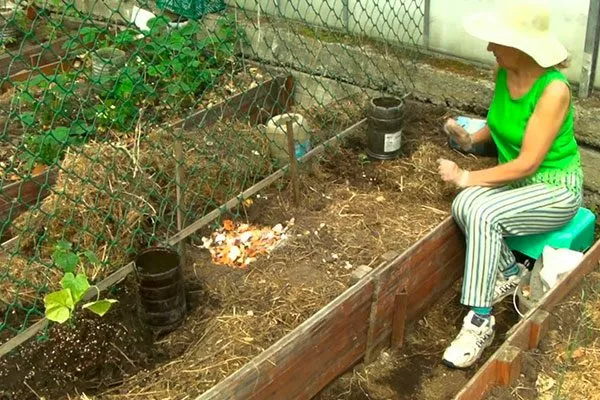
Further actions include the following:
- A week before planting, begin preparing the soil. For loamy soil, add 10-11 kg of humus, 2 kg of peat, the same amount of sawdust, and 200 g of ash per square meter. Mix everything to a depth equal to the length of a spatula. Then, level the surface, water it with a solution of potassium permanganate (pink), and cover it with clean plastic wrap until you plant the cucumbers.
- Before the sowing process, lightly moisten the beds with warm water.
- After planting the cucumbers in the garden bed, install arches and stretch new plastic film over them. Remove the film only for watering and ventilation on the south side.
Nuances:
- sow cucumber seeds in open ground when it warms up to 15–19 degrees and the air temperature reaches 21–25 degrees.
- If there are no supporting structures, to allow the stems to spread freely along the ground, leave a distance of at least 90-110 cm between rows of cucumbers, and 35-45 cm between the plants themselves.
- When installing trellises, reduce the intervals by 15-20 cm.
- Sowing is carried out in the evening hours, after which the soil is moistened with water heated to a warm state.
Warm bed
Growing cucumbers using a warm system increases yield. This type of bed is created from organic waste: dried herbs, fallen leaves from poplars, birches, and lindens, as well as sawdust and wood shavings.

Steps to create a bed when growing hybrid cucumbers:
- In early spring, find a bright, wind-protected, and flat spot to create a garden bed. It should have high sides of approximately 65-70 cm, a width of 85-95 cm, and a desired length.
- Then mix the prepared compost, carefully place it into the bed and compact it thoroughly.
- The next step is to treat the bed with a copper sulfate solution at a ratio of 2 teaspoons per 10 liters of water. Use approximately 3.5 liters per 1 square meter.
- After this, add a soil mixture consisting of equal parts of rotted manure, wood sawdust, peat and sand (any, even meadow sand).
- Fertilize the beds in the same way as when cultivating in open ground.
- Water the soil again with copper sulfate solution.
- Then cover the future cucumber plant with film and leave it until planting, when the danger of frost has passed.
- After sowing, cover the seedlings with plastic film again. When the plants begin to emerge from under the film, cut round holes above them. The remaining plastic film remains in place until the end of summer.
Greenhouse
It's recommended to dig the soil in a greenhouse complex only after a full application of organic and mineral fertilizers. For 1 square meter of area, you'll need:
- from 10 to 14 kg of fresh manure;
- 35-45 g of superphosphate and urea;
- approximately 250-300 g of lime.
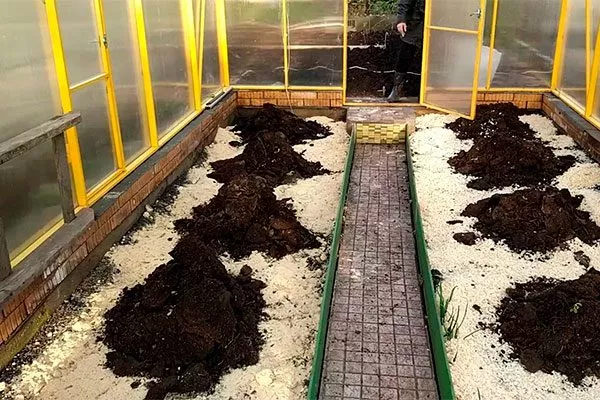
The beds are formed at a height of 25-35 cm and wire trellises are installed at a level of 180-220 cm, which subsequently serve as a support for tying up the plants using twine.
Planting seeds for seedlings
Sowing seeds for seedlings begins 28-35 days before transplanting them into the ground. To grow the hybrid, use soil that can be purchased at specialty stores or made at home by mixing equal parts of humus, peat, and sawdust.
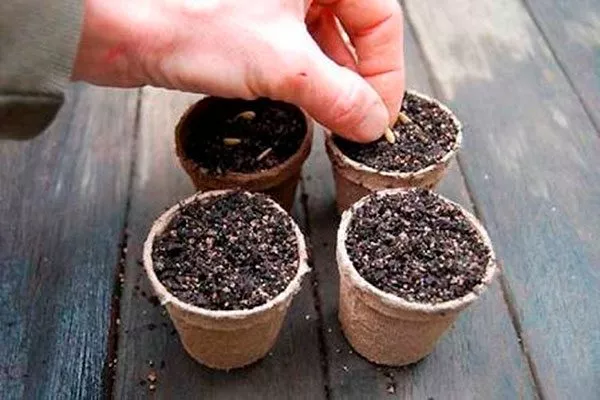
Purchased soil does not require additional processing, while homemade soil must be disinfected with a solution of potassium permanganate before use to destroy pathogenic microorganisms.
Key Features:
- The selection of planting containers for cucumbers must be careful, since their root system is particularly sensitive and slowly acclimatizes after picking.
Peat pots are ideal for keeping plants in them without repotting, and the pots themselves are set in the ground. The peat gradually dissolves, enriching the soil with essential elements. - Seeds for hybrid varieties must be purchased, as they cannot be obtained independently. Purchased seeds are ready for planting and require no additional treatment.
- The planting material is planted at a depth of 1.5-1.7 cm and covered with plastic film to create a greenhouse-like microclimate. The containers are placed in a room with a temperature of at least 22-24 degrees Celsius.
- A week after sowing, the first shoots appear. The plastic film is removed, and the room temperature is lowered to 19-20 degrees Celsius during the day and 16-18 degrees Celsius at night.
- The seedlings are watered only when necessary, when the top layer of soil becomes dry, using warm, settled water from a shallow watering can.
- When three true leaves appear on the seedlings, they are fed with nitrophoska.
Transplantation and further care of the hybrid
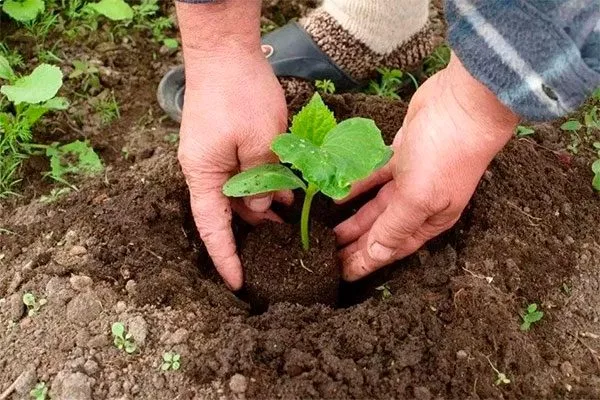
To transplant seedlings, use holes dug to a depth of 30-40 cm. No more than 3-4 bushes are planted per square meter.
Important aspects:
- Water the soil in the evening to avoid possible leaf burn. Use a watering can to prevent the water from disturbing the soil around the roots. Each small plant requires approximately 2.5-3.5 liters of water.
- After watering, loosen the soil and remove weeds, which is considered an effective pest control method. Weeds, in turn, are undesirable neighbors for agricultural crops, as they remove many useful elements from the soil.
- For plant nutrition, use organic mixtures such as mullein infusion, ash powder, and urea. As mineral fertilizers, use azophoska, nitrophoska, and sodium humate.
Peculiarities of care and possible difficulties
Cucumbers of this hybrid produce long shoots, so they need to be regularly pruned and supported on a trellis. It is recommended to limit the main shoot's growth (pruning) to a height of 100-110 cm when grown outdoors and 120-130 cm in greenhouses.
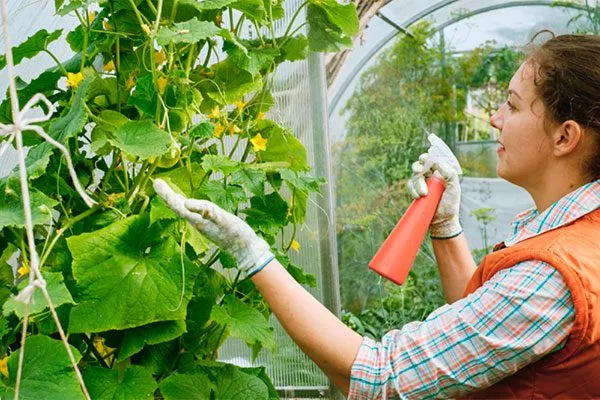
Lateral shoots should be no more than 40-50 cm, and their branches about 13-17 cm. This approach to seedling formation ensures maximum yield of hybrid varieties.
Diseases and pests
The most dangerous and common cucumber diseases include bacterial spot, cladosporiosis, and root rot. Bacterial spot is also known as angular leaf spot, and cladosporiosis is known as olive spot of cucumbers.

Cucumbers are resistant to the diseases listed above, so simple preventative measures are sufficient to maintain their health throughout the growing season. Preventative measures include:
- regular, but not excessive watering;
- loosening and cleaning the area;
- introduction of fertilizers;
- treatment of plants with a 1% solution of Bordeaux mixture;
- ensuring good ventilation of the greenhouse.
Aphids and whiteflies pose a serious threat to gardening, capable of destroying a significant portion of the harvest. To combat aphids, gardeners purchase the effective chemical product Inta-Vir or resort to folk remedies, such as applying crushed garlic or cinnamon to the surface of the beds.
To protect against whiteflies, it is recommended to use a soap solution, carefully washing each plant leaf. Green soap, which is harmless to plants and safe for humans, is often chosen as a chemical control agent.
Harvesting and use of the crop
The fruits ripen simultaneously, making harvesting easy. These vegetables are used in all culinary applications: they are delicious fresh and equally delicious in pickles, marinades, and canned form.
Positive and negative qualities
Taking into account all the advantages of this variety, it becomes clear that it deserves widespread distribution:
The disadvantages of culture include:
Reviews of the hybrid
Klavdia F1 is a cucumber variety that has long won the hearts of gardeners thanks to its unique qualities. This crop is renowned for its ease of cultivation, abundant yield, and impeccable disease resistance, making it an undisputed leader among vegetables. This vegetable can be grown both outdoors and in greenhouses, including heated buildings.