
The Claudius cucumber is an ideal choice for lovers of versatile varieties. This domestic hybrid will satisfy crunchy cucumber lovers, yet it's easy to grow.
Main characteristics
Cucumber Claudius F1 is a Russian-bred hybrid. Author: L. Myazina. Suitable for any type of soil, both open and closed (greenhouses, hotbeds, plastic shelters).
The Claudius hybrid belongs to the self-pollinating group. This variety is highly productive, yielding 15-20 kg per square meter. Ripening time is early, with 40 days from germination to fruit ripening. Fruiting lasts approximately two months.
Description of the Claudius variety
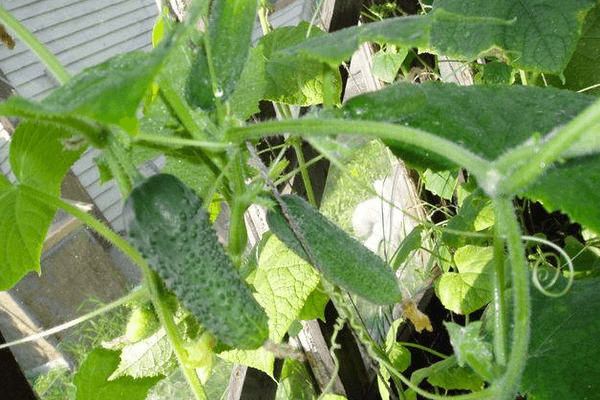
The plant is characterized by moderate branching. It has standard green leaves and female flowering. Fruiting occurs in clusters, with 3-5 or more cucumbers in each cluster.
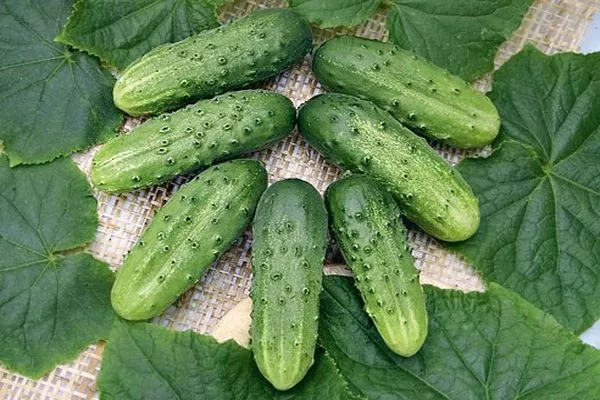
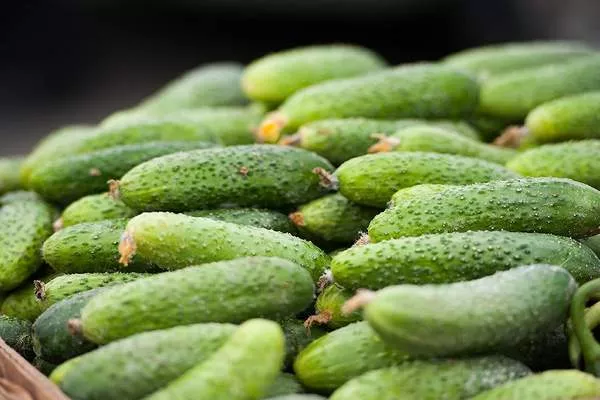
The fruits are short, 10-12 cm long and 2-3 cm in diameter. They are light green in color and have a bumpy surface. The bumps are medium-sized and closely spaced. The spines are white. Each fruit weighs 90-100 g.
Taste and purpose of fruits
The Claudius variety has excellent flavor. The flesh is firm and crisp, and the skin is thin and tender. The flavor has a sweet note.
The fruits are ideal for fresh consumption; this salad variety can also be salted, pickled, and canned.
Pros and cons
The disadvantage of the culture is poor shade tolerance.
Landing rules
Since this variety is self-pollinating, it thrives not only indoors but also on balconies and windowsills. It can be grown from seeds or seedlings.
The crop is heat-loving, so planting occurs when the soil and air are sufficiently warm. The optimal temperature for development is +25°C. The soil should not be colder than +15°C.
Landing features:
- The site chosen should be warm, sunny, well-lit, level, and not swampy.
- Seeds are sown in the ground after May 25 (in a temperate climate), and seedlings are sown at the end of March.
- The best predecessors are carrots, tomatoes, strawberries, beets, onions, garlic, and legumes. Cucumbers should not be planted after pumpkins, watermelons, or melons.
- The best neighbors are corn or sunflowers. They not only protect cucumbers from cold winds but also provide support. Cucumbers also grow well with beans, beets, and lettuce.
- The preferred soils are sandy loam, light or medium loam, with a slightly acidic or neutral pH of 6.5-7.4. The soil should be loose, fertile, and permeable.
- The soil is prepared in the fall, dug up, adding organic matter, mineral fertilizers, and, if necessary, sand, wood ash, and other components that improve the soil structure and normalize its acidity.
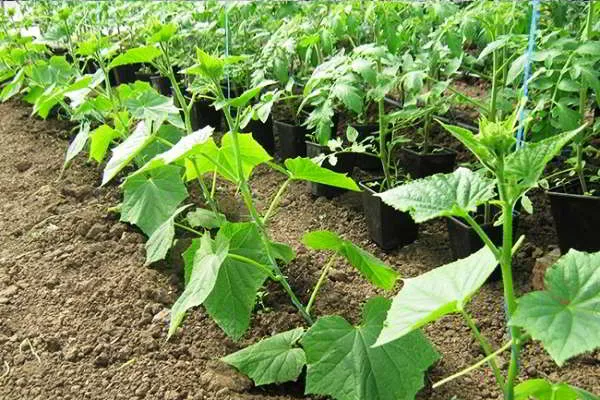
- In spring, the soil is dug again to a depth of 20-30 cm. Holes are dug for planting. The seeds are planted at a depth of 3 cm, with 2-3 seeds placed in each hole. Subsequently, one seedling, the strongest and healthiest, is left.
- The optimal planting pattern is 30 x 60 cm. 3 cucumber bushes can be planted per 1 square meter.
The seedlings planted in the holes are covered with plastic film stretched over arches. In warm weather, the cover is lifted slightly. Once the plants have strengthened and established themselves, the film can be removed.
Care Features
To obtain a good harvest, long and abundant fruiting, as provided by the varietal characteristics, certain care will be required.
How to care for cucumbers:
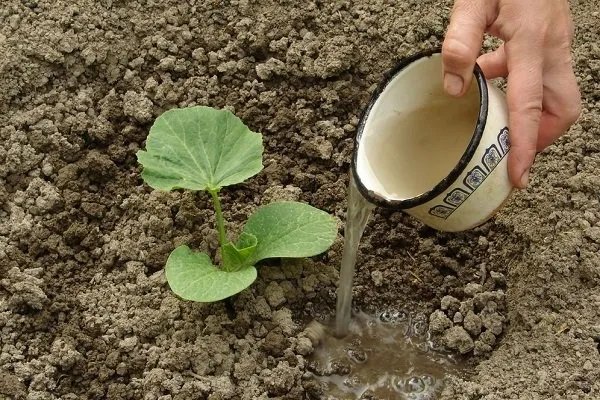
- They are watering. Before flowering, the beds are watered approximately once a week, and every 3-4 days during flowering and fruiting. During hot and dry periods, cucumbers are watered daily. Greenhouse cucumbers require even more frequent watering than those grown outdoors, as the watering requirements are lower there.
In the garden, cucumbers are watered at a rate of 15 liters per square meter. The best time to water is in the morning, so the leaves have time to dry out by nightfall. Use only warm, settled water. - They feed them. Cucumbers are fertilized several times during the growing season. At the beginning of the growing season, nitrogen-rich fertilizers are applied, such as ammonium nitrate, double superphosphate, and potassium sulfate. During flowering, cucumbers are fed with mullein, nitrophoska, wood ash, and micronutrients. During the period of mass fruiting, urea, ash, and potassium sulfate are used.
- They loosen the soil. To prevent the soil from becoming covered with a hard crust, it needs to be loosened and weeded after each watering.
- They tie it up. To reduce disease risk and improve fruit production, cucumbers are tied to trellises. This method of cultivation also makes harvesting easier. Removing side shoots from the axils is also recommended.
Diseases and pests
The Claudius hybrid is resistant to root rot, as well as most fungal diseases and pests. The most dangerous pests are aphids, whiteflies, and spider mites, which can be controlled with Fitoverm, Actellic, and other powerful insecticides.
How to harvest cucumbers?
The fruits are picked frequently to stimulate new fruit set and prevent overgrown specimens. Picking is done in the morning, when the cucumbers are tastier and juicier, and they store better. For storage, the fruits are refrigerated, as the optimal temperature for them is between 1°C and 2°C.
Reviews
The Claudius cucumber is a promising domestic hybrid, possessing the best qualities of this crop. Like all hybrids, it is very hardy and disease-resistant, while also being tasty and productive, making it an excellent choice for gardens, vegetable plots, and commercial cultivation.