
The Chinese Snake cucumber is an aesthetically pleasing choice for the garden. Its unique flavor and shape make it a great addition to a variety of dishes, and its ease of care allows you to enjoy its fruits even with limited time. However, achieving a bountiful harvest and high-quality cucumbers requires following simple cultivation practices.
Introduction to the variety
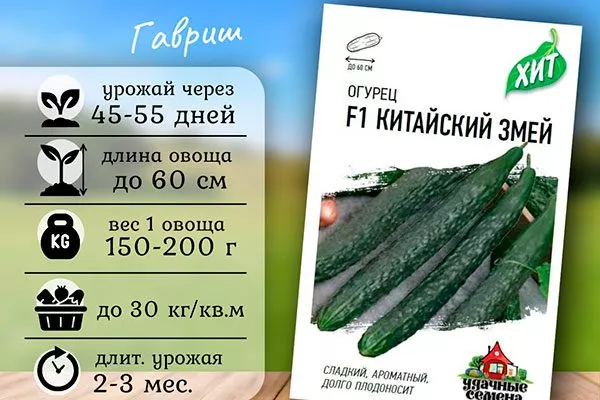
This variety was recently developed, but is already popular among Russian gardeners. Its main advantages include the sweet taste of its tender flesh and its strong immune system.
Originators
Russian breeders worked on its creation. The variety was officially recognized in 2015. Originally intended for cultivation in protected conditions, this hybrid is now successfully cultivated outdoors.
External characteristics of the plant and cucumbers
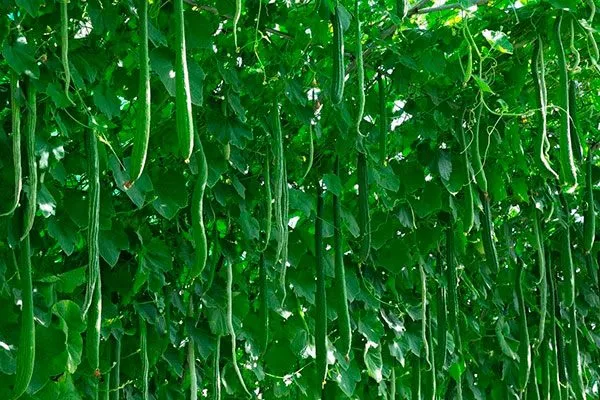
The bushes are distinguished by robust green foliage and can reach 3.5 meters in height. A few side shoots extend from the main stem, but experienced gardeners recommend removing them.
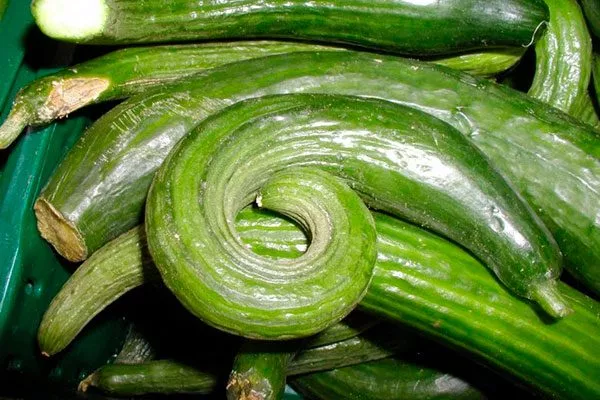
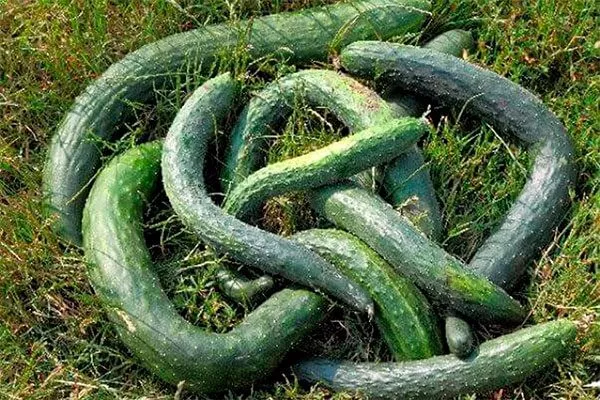
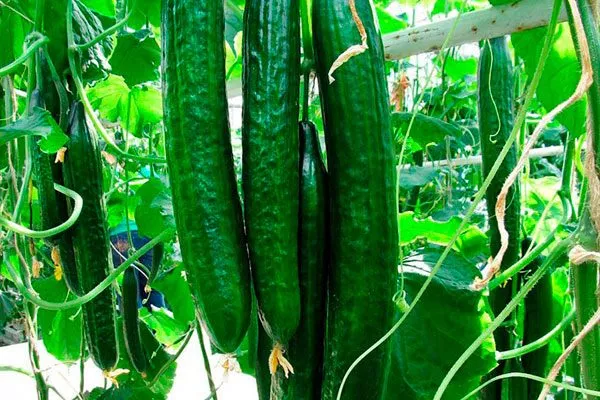
- ✓ Fruit length from 50 to 60 cm with twisted ends.
- ✓ Thin skin with small spines and light stripes.
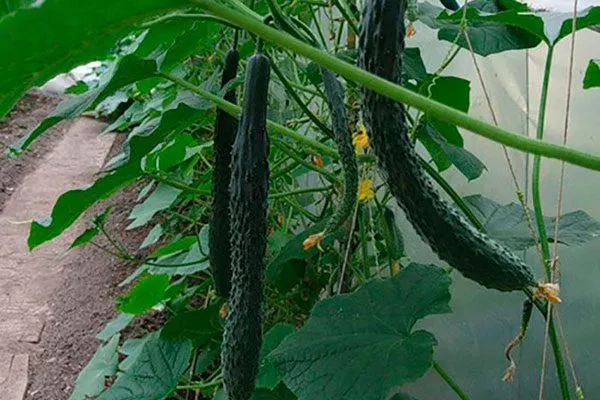
The flesh is light green, very tender and pleasant, and the seeds are either absent or very small. Even when overgrown, the cucumbers retain their texture and flavor, and the seeds do not enlarge or turn yellow. A single fruit can weigh up to 350-400 g.
Taste and purpose
Chinese snakeroot is versatile and suitable for fresh consumption, salads, appetizers, and winter preserves. However, it is not suitable for canning due to its long, thin fruits, which are difficult to handle. The vegetable has a distinctive, delicate flavor and is not bitter.
Composition and benefits
Snake cucumbers are a dietary food: 100 grams contain only 14 kcal, 0.8 g protein, 0.1 g fat, and 2.5 g carbohydrates. They contain vitamins B, K, C, and A, choline, and minerals: copper, sodium, potassium, chlorine, calcium, and magnesium.
Useful properties of cucumbers:
- Hydration of the body. High water content helps maintain water balance, especially in hot weather.
- Digestion. Fiber improves the functioning of the gastrointestinal tract, promotes normal bowel movements and prevents constipation.
- Weight loss. Low calorie content and high water content make cucumbers an ideal food for those looking to lose weight.
- Supports the immune system. Vitamin C strengthens the immune system and helps fight infections.
- Bone health. Vitamin K and calcium help strengthen bone tissue.
- Antioxidant properties. Vegetables contain antioxidants that help fight the damaging effects of free radicals, reducing the risk of chronic diseases.
- Lowering blood sugar levels. Some studies suggest that cucumbers may help lower blood sugar levels and improve diabetes control.
Green chillies are often used in cosmetics for their moisturizing and cooling properties. They help reduce inflammation and swelling of the skin.
When it ripens and the yield
This is a high-yielding crop. 1 square meter of beds yields 8.2 to 9.3 kg of fruit per season. It is distinguished by its early ripening period: approximately 30 days pass from germination to the first harvest.
Regionalism
The hybrid is adapted to Russian conditions and can be successfully grown in all regions of the country, both in the south and north. Ripening time may vary depending on weather conditions.
Positive and negative qualities
Before cultivating a hybrid, it's important to familiarize yourself with its positive and negative qualities to avoid potential difficulties. The crop has many advantages:
When there is a lack of nutrients, the cucumbers become thin and wrinkled.
Features of self-cultivation
Choose a semi-shaded site for growing, as sun exposure can cause the fruit to quickly turn yellow and bitter. If planting is only possible in a sunny spot, plant tall crops, such as corn, on either side of the bed. This will help protect the bushes from strong sunlight.
- ✓ Soil pH should be between 6.0-6.8 for optimal nutrient absorption.
- ✓ The soil should be well-drained to prevent waterlogging and root rot.
Follow these recommendations:
- Avoid planting this crop and other melons in the same plot for more than five years in a row. In a greenhouse where only cucumbers are grown, replace the top layer of soil. The best predecessors for the hybrid are nightshades, corn, cabbage, and legumes.
- Prepare the beds in the fall: dig to a depth of 20 cm and clear away plant debris. Add 6 kg of humus or cow manure per square meter. The plant prefers loose, slightly acidic soil. If the soil is too acidic, add ash; if it's too acidic, add sand.
- In spring, level the beds with a rake and clear them of weeds. Mix the soil with 30 g of superphosphate and 25 g of ammonium nitrate per square meter. For soil treatment, use a copper sulfate solution (20 g of the substance per 10 liters of water).
- Dig holes 40 cm deep, placing them in staggered rows. Plant no more than 3-4 seedlings per square meter. Add 5 cm of organic fertilizer (humus or manure) to the bottom of the holes, followed by a similar layer of garden soil. Mix the soil with organic matter, then fill the holes with regular soil.
Chinese snake shows higher yields when grown in a greenhouse, but due to its cold tolerance, it is also suitable for open ground.
Landing
Cucumbers are grown using both seedlings and non-seedling methods, but the second option is preferable due to the low germination rate of seeds.
Prepare the planting material in advance:
- Place the seeds in their packaging near a radiator or another warm place a month before sowing. This will increase their germination rate.
- Sort them out, keeping only the dense and light-colored ones. Another option: soak the seeds in warm water and use only those that sink to the bottom.
- Soak the planting material for half an hour in a light pink solution of potassium permanganate or for 1 hour in a solution of 100 ml of cold water and 30 g of garlic pulp.
- Soak the seeds in a growth stimulant. Use a store-bought solution according to the instructions or a homemade solution (1 liter of water, 1 teaspoon of nitrophoska, and 1 teaspoon of ash) for 1 hour.
- Place the seeds in the refrigerator for 24 hours to increase their cold resistance.
Wrap the seedlings in a damp cloth and keep them there until germination begins. This usually takes about 2 days.
Seed method
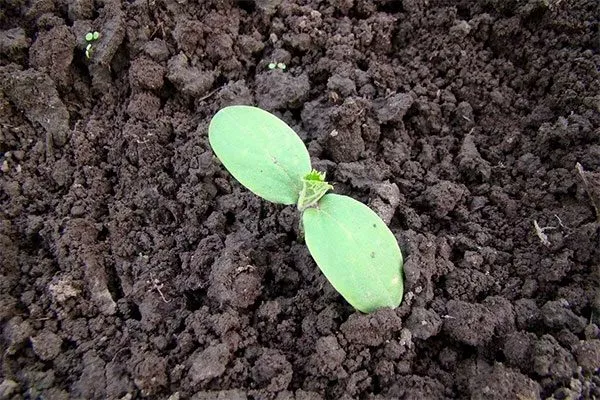
With the non-seedling method, harvesting occurs later, and this method is not optimal for the hybrid. Follow the instructions:
- Prepare the holes in advance and water them.
- In each hole, make 2 holes 4 cm deep.
- Place 1 seed into each hole and cover with soil.
- Cover the beds with film, periodically opening it for ventilation.
- If both seeds sprout, pinch off the weaker stem.
This method is suitable for those who want to experiment, but for best results it is recommended to use the seedling method.
Seedling method
For the Chinese Snake hybrid, growing from seedlings is suitable and allows for an earlier harvest. It's important to follow certain recommendations:
- For seedlings, use store-bought soil or prepare your own by mixing 1 part humus, 1 part garden soil (or substitute peat), and 0.5 parts sand (or sawdust). For every 10 kg of soil, add 1.5 tablespoons of nitrophoska and 2 tablespoons of ash.
- Sow the seeds in cups 15 cm high and 25 cm in diameter. Peat containers are preferred, but plastic ones will also work.
- Disinfect the soil and containers with a dark pink solution of potassium permanganate.
- Plant the seeds 2 cm deep, 2-3 seeds per cup. Water the soil, cover the pots with plastic wrap, and place them in a warm, sunny spot.
- Once the seeds have sprouted, begin airing the plants by opening the film for 2-3 hours. After a week, remove it completely. Water the seedlings once a week to keep the soil moist.
- Pinch out weaker stems, leaving one sprout in each pot.
- When the plants have 2 true leaves, feed them with a solution of 2 liters of water and 2 teaspoons of nitrophoska.
- When the seedlings reach 15 cm (about 3 weeks), transplant them into the ground. Water thoroughly and move them around, keeping the soil in place, to avoid damaging the roots.
- Water each bush and add 0.5 cups of ash and 25 g of nitrophoska.
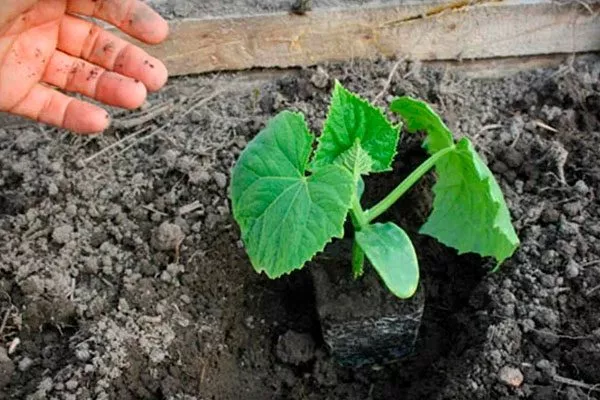
The seedling method allows for earlier harvesting and better preparation of the bushes for open ground conditions.
Care
The cultivation techniques for the Chinese Snake variety are traditional and include several steps. Follow these simple steps:
- Watering. In a greenhouse, use a drip irrigation system; in open ground, provide water directly to the roots. Water the plants before sunrise or after sunset, every two days.

- Top dressing. Apply the first fertilizer 7 days after planting the seedlings, using ammonium nitrate. Subsequent mineral fertilizers should be applied when fruit set. Add organic fertilizers after 15 days.
- Loosening and weeding. Carry out measures as the weeds grow.
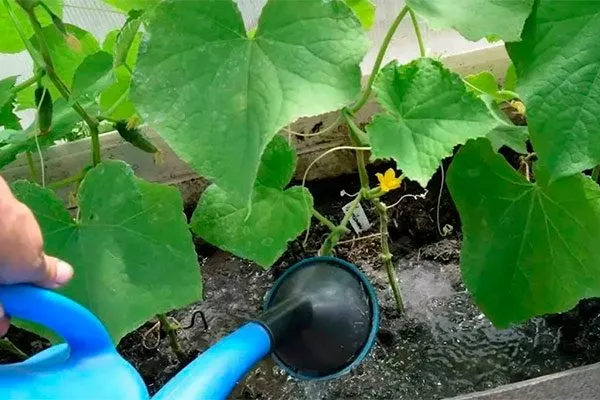
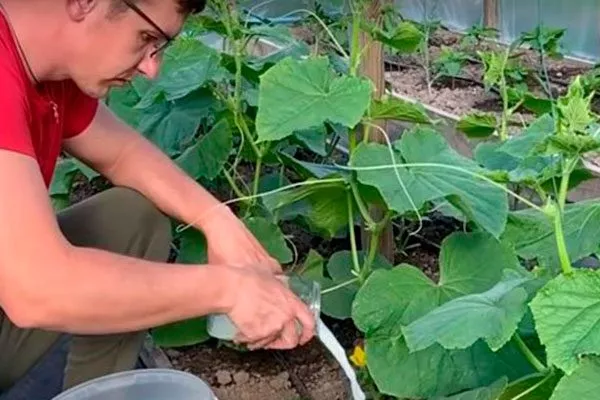
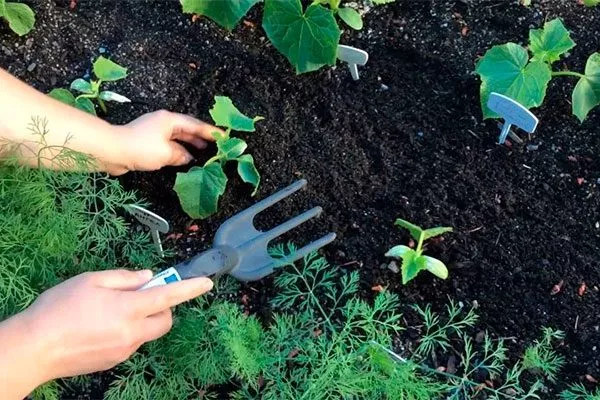
To support the plants, install a trellis. Train the cucumbers to a single stem, secure them to the support, and remove any side shoots. At trellis height, bend the top of the plant, remove any dry lower leaves, and mulch the soil with straw.
Features of cultivation and possible difficulties
Knowing the nuances of growing cucumbers will help you avoid many problems. When cultivating this crop, you may encounter the following difficulties:
- Bitterness of fruits. Vegetables become bitter when they don't get enough moisture. On hot days, moisten them twice a day—morning and evening.
- Pinching out stepsons. Remove side shoots early in the morning in dry weather to allow the cuts to heal faster.
- Zelentsy size. Don't wait until the vegetables reach their full size, otherwise they may become bitter.
If a part of a cucumber breaks off on the bush, the remaining part will continue to grow and become dense.
Harvesting and storage of crops
Harvest greens regularly, approximately every 2-3 days, to prevent them from becoming overgrown and bitter. Begin harvesting when the vegetables reach the desired size, usually before they are fully grown, to preserve their quality.
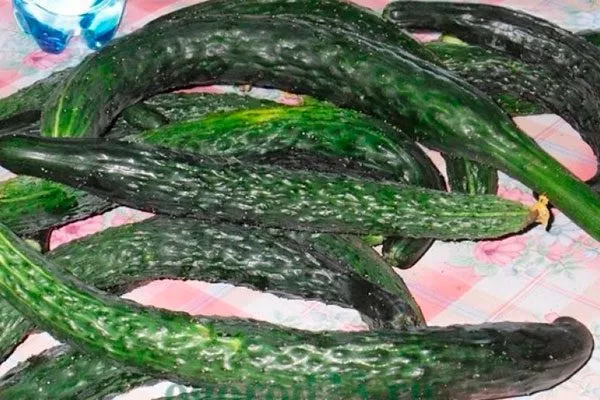
Use sharp scissors or pruning shears to carefully cut the cucumbers from the bush. Avoid picking the fruit, as this can damage the plant.
Follow certain rules:
- If you won't be using cucumbers right away, store them in the refrigerator. They can stay fresh for up to 1-2 weeks at 7-10°C.
- For refrigerated storage, place vegetables in a plastic bag or container to prevent moisture loss and maintain crispness.
- For long-term use, can or pickle, but keep in mind that this variety can have an unusual flavor that is not always suitable for winter preservation.
If you grow cucumbers in a greenhouse, harvest them as they ripen to prevent them from becoming overgrown and losing quality.
Diseases and parasites
The Chinese Snake variety has good resistance to most diseases and doesn't require regular preventative treatments. To protect against mole crickets, bury eggshells in holes. A soap solution is effective against small pests: grate 200 g of laundry soap and dissolve it in 10 liters of water.
Reviews
Chinese Snake cucumbers have gained popularity among gardeners thanks to their unique shape and excellent taste. This hybrid combines not only an attractive appearance but also resistance to diseases and adverse conditions. With simple cultivation techniques, you can grow robust plants and reap a bountiful harvest.