
Carolina is a highly productive hybridized cucumber variety known for its excellent flavor. Its successful growth requires greenhouse cultivation and specific climate conditions. Its unique feature is its tolerance to extreme temperatures.
Introduction to the variety
Carolina is a parthenocarpic hybrid, allowing it to produce fruit without the need for pollinators. Under these conditions, seeds do not form. Cucumbers of this variety are not prone to overgrowth, allowing for time-consuming harvesting—the vegetables retain their shape and are not prone to deformation.
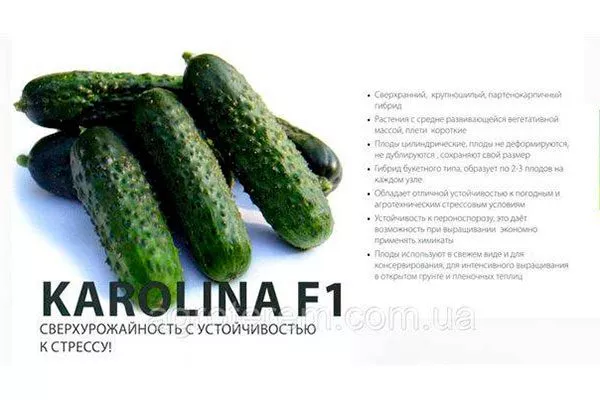
Even if the fruits become overripe, they do not develop a bitter taste. Although the hybrid was developed for greenhouse cultivation, it easily thrives in open fields in southern Russia.
Originators
The Carolina cucumber is a hybrid variety created by a team of specialists led by A. N. Khovrin, S. V. Maksimov, N. N. Klimenko, O. V. Baklanova, and L. A. Chistyakova. It has been officially approved for cultivation since 2008. It is distinguished by its ability to self-pollinate and parthenocarpy.
- ✓ Self-pollination and parthenocarpy ability, which eliminates the need for pollinators.
- ✓ Resistance to extreme temperatures, making the variety suitable for growing in various climatic conditions.
External characteristics of the plant and cucumbers
The plant is distinguished by vigorous growth and moderate branching. The bush of this variety is indeterminate, with dense deciduous foliage. However, it also has other varietal characteristics:
- the root system and main stem of the plants are strong and developed;
- the stem weaves like a liana, creating many small lateral shoots;
- the leaves are large, heart-shaped, slightly wavy, with an emerald green hue;
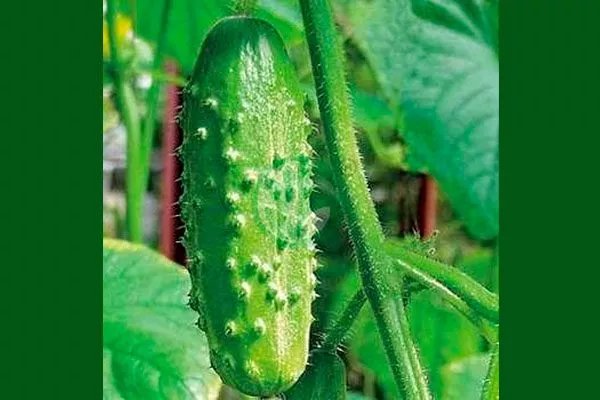
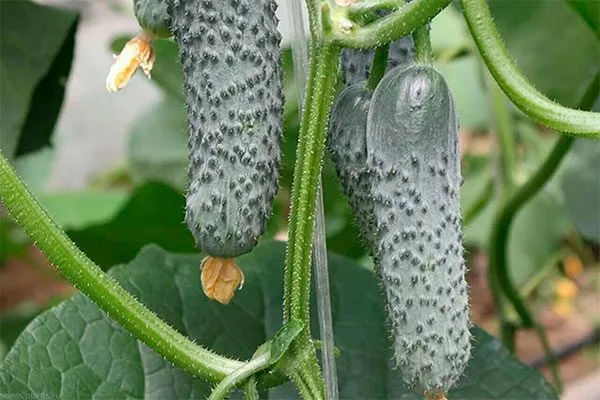
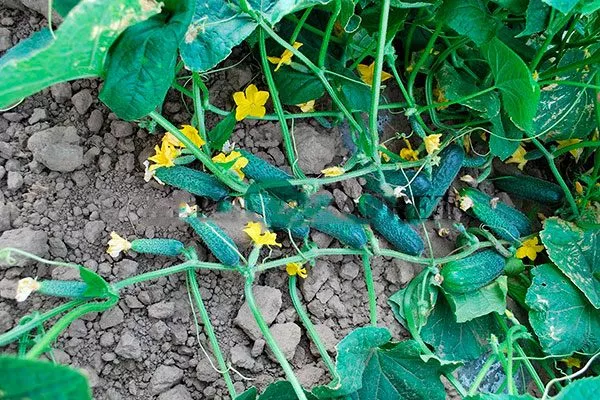
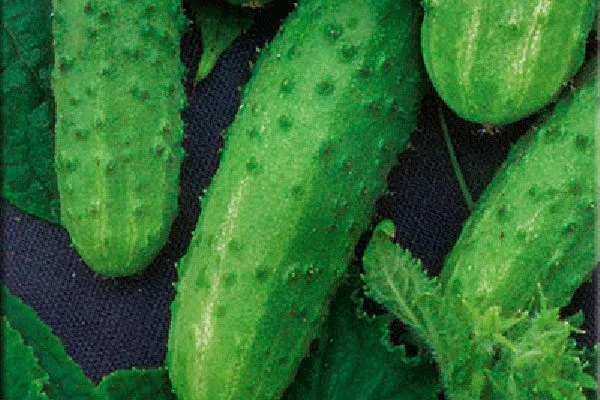
- The Carolina cucumber is a cluster cucumber (at least 3 ovaries are located in one node), a gherkin type, its length is 6-9 cm, weight is 80-95 g, diameter is 3 cm, shape is cylindrical;
- The skin is tender, thin, covered with frequent small tubercles and faintly expressed whitish pubescence, the color is bright green.
Taste and purpose
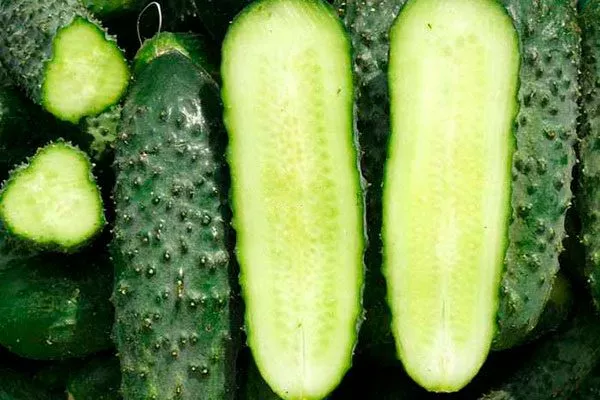
The Carolina F1 hybrid's flesh is firm and medium-firm, with a sweet, refreshing flavor and a light, refreshing cucumber aroma. This makes it an indispensable ingredient for fresh salads and main course side dishes. This variety is ideal for pickling and canning.
Harvest time, fertility
Cucumbers are an early variety. Fruiting begins approximately 44-45 days after sprouting. The average yield of this hybrid is 12.5 kg per square meter.
Soil preferences
Carolina cucumbers prefer light, fertile soils with a neutral or slightly acidic pH. If the soil is acidic, it should be limed a year before planting the Carolina f1 variety. Using soil enriched with compost or humus promotes better fruiting.
Climate conditions
Certain climatic conditions are essential for successful development. The ideal temperature for this variety ranges from 20 to 25 degrees Celsius during the day and from 16 to 19 degrees Celsius at night.
Landing rules
This cucumber variety prefers warm climates and can be planted outdoors, but in colder regions, greenhouses with plastic coverings are recommended. Carolina f1 is cool-tolerant but does not tolerate night frosts.
Preparatory work
Preparing the beds for this variety begins in the fall. After harvesting the previous crop, dig the soil to the depth of a spade, removing pest eggs and larvae, as well as root remains of all vegetation. Then, water the area with Fitoverm and fertilize with a mullein solution.
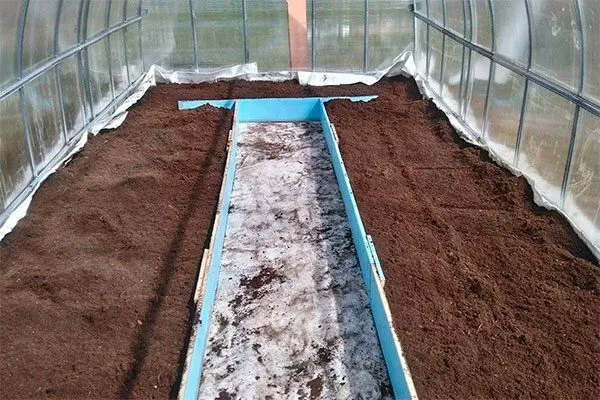
In spring, 2-4 days before the planned planting of seedlings or sowing of seeds, treat the soil again:
- weed the grass;
- loosen the soil, breaking up any clods;
- Add humus or ash powder for additional nutrition.
Germination of planting material
The second half of April is the ideal time to begin germinating Carolina f1 seeds. To do this, follow these steps:
- Prepare special peat pots filled with a nutrient mixture that includes black soil, sand, charcoal and humus.
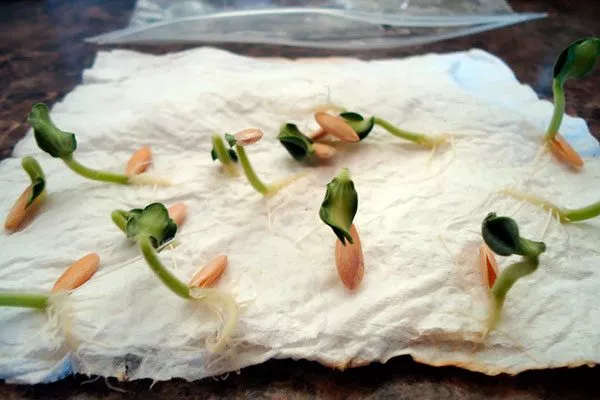
- Soak each seed in warm water and wrap it in a damp cloth. Leave it in a warm place to swell for a couple of days.
- Place in a separate pot, deepening the seeds by 1.5 cm maximum.
- Cover with plastic wrap or clear glass. Maintain the germination room temperature at 24-26 degrees Celsius. Water every two days with warm water and a spray bottle.
Top dressing is carried out after the appearance of the first true leaf, for which use Superphosphate or potassium salt.
Transfer of bushes
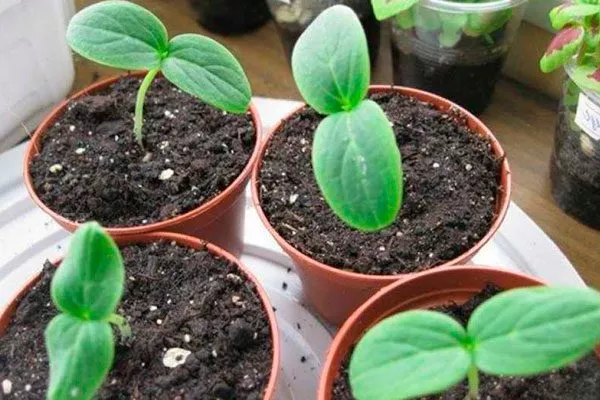
Transplanting Carolina f1 seedlings to a permanent location or greenhouse occurs in mid-May, when the plants have three leaves. At this time, the air temperature should reach 23-25°C (73-77°F), and the soil temperature should be at least 13°C (55°F).
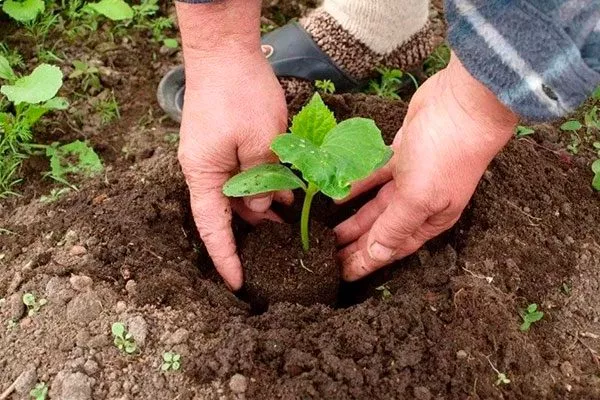
- ✓ The optimal soil temperature for planting should be at least +13 degrees.
- ✓ The distance between plants should be 30-35 cm, and between rows 60-70 cm to ensure sufficient space for growth.
Some nuances:
- cucumbers are planted in warm, wind-protected weather when grown in a vegetable garden;
- the distance between plants is about 30-35 cm;
- the width between rows should be 60-70 cm;
- In open beds, three plants are placed per 1 sq. m., in a greenhouse - no more than two.
Care nuances
This cucumber variety doesn't require complex cultivation methods and is suitable even for novice gardeners. The bushes develop with a single central branch, which is recommended to be pruned at a height of 140-150 cm.
This variety is characterized by weekly pollination, and hilling occurs once every two weeks, during which the bush is cut back by a third.
Watering
Carolina F1 thrives on moderate watering, keeping the soil mixture slightly moist. Warm the water to 24-26°C and let it settle to remove chlorine.
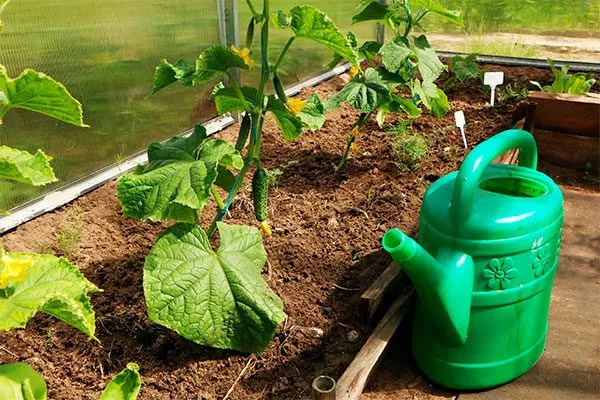
The irrigation rate is once a week, preferably after sunset, carefully pouring 4-5 liters of liquid under each bush.
Top dressing
Cucumbers require a special nutritional approach, with preference given to mixtures rich in potassium and phosphorus. For best results as gherkins, these nutrients are combined with organic mixtures.
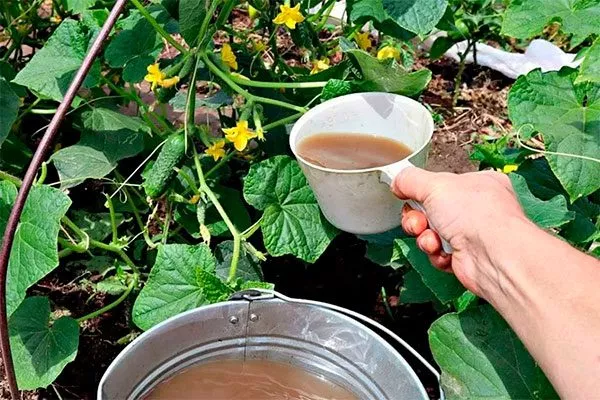
The fertilization scheme is as follows:
- The first feeding should be carried out when the plants reach 20 cm in height, using potassium sulfate.
- Carry out the second procedure before the budding begins, using ash or chicken manure.
- The last fertilizing before harvesting includes the application of potassium salt or nitroammophoska.
The interval between applying fertilizer mixtures is 10-14 days – it is best to add them before watering. In loamy soils, additional mulching with peat, hay, or wood shavings is recommended. Stop applying mineral fertilizers 3-4 days before the expected harvest.
Diseases and pests
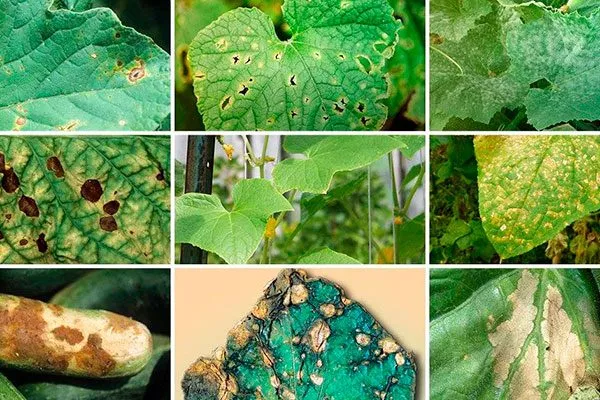
The Carolina f1 hybrid boasts excellent disease resistance. It is rarely affected by powdery mildew, root rot, and cucumber mosaic virus. However, cucumbers are sometimes affected by cladosporiosis, which attracts pests.
To prevent the latter from appearing, it is recommended to plant them next to onions, mint, lemon balm, yarrow and basil.
Main problems:
- Cladosporiosis. Carolina f1 is most often susceptible to this disease in greenhouse conditions, especially with high humidity and excess water, which is facilitated by the lack of ventilation in the room.
Symptoms of the disease include the appearance of small, sunken spots on the leaves, which may rot and ooze an olive-colored liquid.
To combat cladosporiosis, use fungicides such as Kurzat R or Ordan, performing treatment in two stages with a two-week interval, preferably early in the morning. - Spider mite. This grayish-brown pest can appear in areas that aren't weeded and watered often enough. A sign of the mite's presence is a thin, sticky, whitish web on the green parts of the plant.
In the early stages of an infestation, a soapy spray can be helpful. If the mite infestation is severe, it's recommended to purchase acaricides such as Flumite or Agravertin for treating the garden beds. - Melon aphid. This insect sucks the life force from leaves and young shoots of plants, causing them to wither and die. To prevent the spread of aphids, treatment should be initiated as soon as black spots and small holes with brown margins appear on the leaves.
If the aphid colony is small, prepare a tobacco infusion for spraying. For severe infestations, Vertimek or Aktarofit are effective.
Harvesting and storage
Carolina F1 cucumbers begin bearing fruit around the third ten-day period of June. These vegetables ripen simultaneously, without exceeding their normal growth rate or developing bitterness, allowing for extended harvesting. Ideally, they should be picked every two days—this promotes new fruit set and increases productivity.
To harvest hybrid cucumbers, it is recommended to use sharp scissors and remove the fruits immediately after watering, then carefully wipe them with a dry cloth and place them on the bottom shelf of the refrigerator.
When stored at 5-7 degrees Celsius, cucumbers can remain fresh for up to 7-9 days. Carolina cucumbers are highly transportable, undamaged, and retain their freshness even after long journeys.
Positive and negative qualities
The Carolina variety is ideal for mass production due to its characteristics, including excellent taste, transportability and attractive fruit appearance.
But there are other advantages of the variety:
The variety has no flaws
This variety requires little care and tolerates minor temperature fluctuations well. Reviews from gardeners and farmers who have grown this hybrid are overwhelmingly positive.
Reviews
The Carolina F1 hybrid cucumber is disease-resistant, adapts to a variety of climates, and is versatile. This variety is ideal for most agricultural areas, including both private and commercial. These cucumbers are renowned for their excellent flavor and don't taste bitter, even if harvesting is delayed.