
Karapuz cucumbers are an excellent choice for those seeking a high-quality harvest and easy-to-care-for plants. This hybrid not only delights with delicious and crisp fruits, but is also resistant to diseases and adverse conditions. Following these recommendations will help you successfully grow cucumbers for various uses.
How did Karapuz come into being?
Developed by specialists from the Manul Seed Breeding and Production Firm, LLC. A. V. Borisov, O. N. Krylov, E. A. Orekhova, T. I. Krylova, O. R. Vostrikova, and A. V. Goryachenkov participated in its development. Officially approved for use in 2006.
Description of the variety
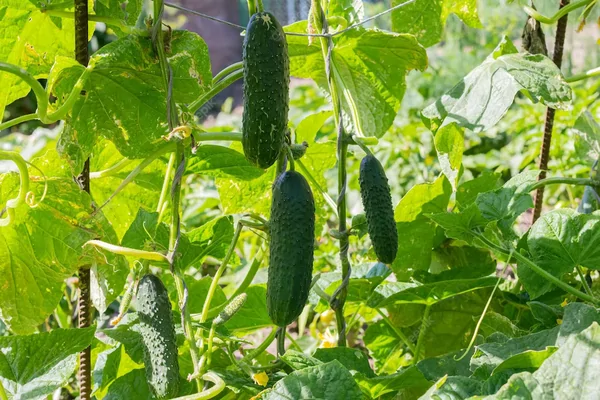
This subspecies is a parthenocarpic hybrid, meaning it doesn't rely on pollination. The plants are indeterminate, with medium branching and small green leaves. The cultivar produces predominantly female flowers.
- ✓ High sensitivity to soil moisture, requiring maintenance of a level of at least 90%.
- ✓ Special reaction to potassium fertilizers, excluding the simultaneous use of nitrogen fertilizers.
Characteristics of appearance
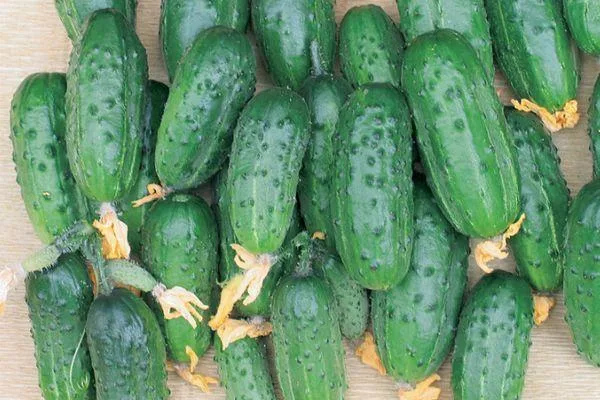
The fruits are oval-shaped, 6 to 8.5 cm long and weigh 60 to 85 g. They are green in color with short stripes and have a medium-tuberous surface, which gives them a decorative appearance.
Purpose and taste of fruits
Karapuz is a versatile variety. It has a pleasant, non-bitter flavor and medium-firm flesh. These traits make it an excellent choice for fresh eating, canning, and preparing various dishes.
Ripening time
Fruiting begins 39-41 days after germination. This variety has a long ripening period, allowing you to harvest fresh vegetables throughout the summer season.
Growing and care
Cucumber is a heat-loving crop native to hot southern regions. In its native habitat, it thrives in stable, warm temperatures and minimal winds. In central Russia, the climate is more variable, so suitable conditions are essential for successful cultivation.
Follow the recommendations:
- Choose sunny, well-lit areas protected from strong winds. Ideally, place the beds at the highest point of the garden, preferably on the south side.
- Prepare the soil in the fall, but spring is also acceptable. Dig the soil to a depth of 20-25 cm and add organic fertilizer—manure, compost, or litter—at a rate of 6-9 kg per square meter. Add mineral fertilizers containing nitrogen, phosphorus, and potassium.
- Check the soil pH: it should be no higher than 6. If necessary, add lime to neutralize the pH. The soil temperature before planting should be at least 18°C.
- Germinating seeds is an important step that promotes faster growth and high germination rates. Dampen a bandage or piece of gauze with room-temperature water and squeeze out excess liquid.
- Place the seeds on a planting cloth, wrap them, and place them in a plastic container with a lid, making small holes for air circulation. Place the container in a warm place at a temperature of 25 to 29°C, avoiding drafts and direct sunlight. The seeds will begin to germinate in 2-3 days.
- In the southern regions of Russia, sow directly into the ground, but in the central zone, to achieve a healthy and abundant harvest, first grow seedlings.
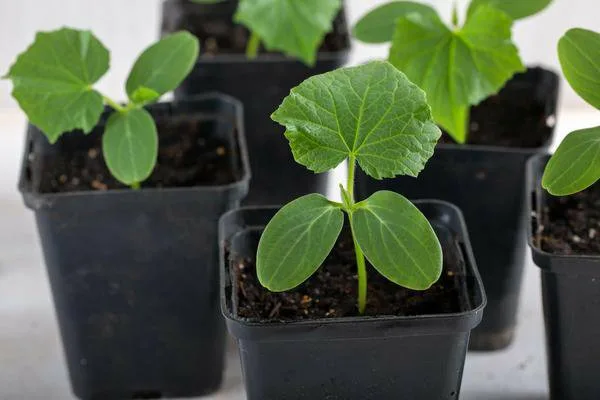
- Use peat cups or homemade plastic or cardboard containers. Fill them with a nutrient-rich mixture of humus, soil, and mineral fertilizer.
- Sow the seeds 3-4 cm deep and water with warm water. Place the containers in a bright, warm location, protected from drafts.
- Water the seedlings regularly, keeping the soil slightly moist. When the seedlings develop their second true leaf, transplant them outdoors in 30-35 days.
- Karapuz is very sensitive to moist, loose soil, so the soil moisture should be at least 90%. Water the plants 2-3 times a week. Use drip irrigation or install special irrigation systems. Avoid getting water on the leaves, as this can attract harmful insects.
- To ensure effective water penetration into the soil, regularly loosen the soil at the base of the bushes to avoid water stagnation and damage to the root system.
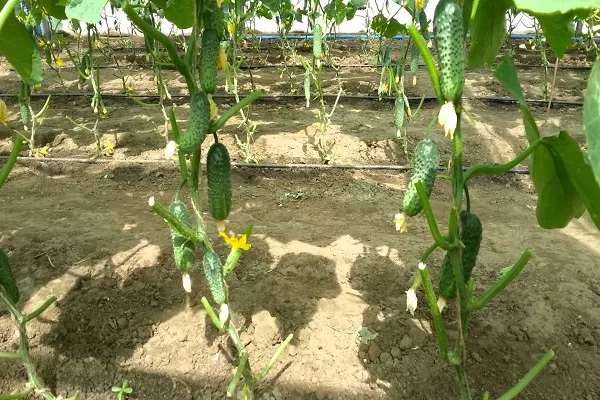
Fertilize the plant 3-4 times per season. Apply the first fertilizer two weeks after planting, then during the active growing season, when flowers appear, and at the beginning or middle of fruiting.
Follow the rules:
- At the beginning of the growing season, apply fertilizers containing nitrogen and phosphorus, and during the flowering and fruiting period, apply potassium supplements.
- Organic fertilizers such as mullein, manure, or bird droppings are good for fertilizing. Prepare the solutions as follows: dilute 1 liter of mullein in 20 liters of water, or 1 liter of bird droppings in 15 liters of water. Let the solutions sit for 3-4 days and then pour 1.5 liters under each bush.
- To improve ovaries, use a solution of Superphosphate (15 g per 5 l of water).
Wood ash is a good source of potassium. When using potassium fertilizers, avoid nitrogen-based fertilizers to avoid nutrient imbalances.
Resistance to diseases and pests
The hybrid is resistant to various diseases. However, there is a risk of pests. Melon bushes can be attacked by melon aphids, small insects that pierce the surface of leaves and suck the sap, potentially causing death.
To combat aphids, use Inta-Vir solution and sprinkle the surrounding soil with garlic, cinnamon, and other strong-smelling substances. Products such as Aktara, Karate Zeon, Fufanon, Komandor Maxi, and Iskra Zolotaya are effective against tobacco thrips.
Reviews
Karapuz cucumbers are one of the most popular and sought-after crops in home gardens. This hybrid variety attracts attention not only for its high-quality fruit, but also for its ease of care and strong immunity. It has many advantages, but also some disadvantages that are important to consider before planting. The key is to ensure proper care.