
The Kapelka cucumber is a bee-pollinated variety, suitable for all-purpose use. It is a true variety, not a hybrid, making the seeds easily reusable for home-grown planting. It is prized by vegetable growers for its sweet, non-bitter flavor and is known for its abundant and long-lasting fruiting.
Introduction to the variety
The main advantages of the variety are consistently high productivity, attractive commercial appearance, the ability to retain commercial qualities for a long time after harvesting, as well as resistance to powdery mildew and other diseases.
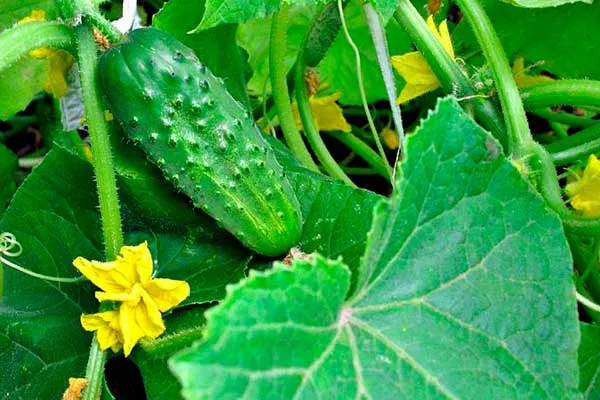
External characteristics of the plant and cucumbers
This variety's bushes reach a medium size, growing up to 180-200 cm, and produce uniformly borne fruit. The plant also exhibits other varietal characteristics:
- leaves are medium length and green in color;
- Up to three cucumbers can form on one stem at the same time;
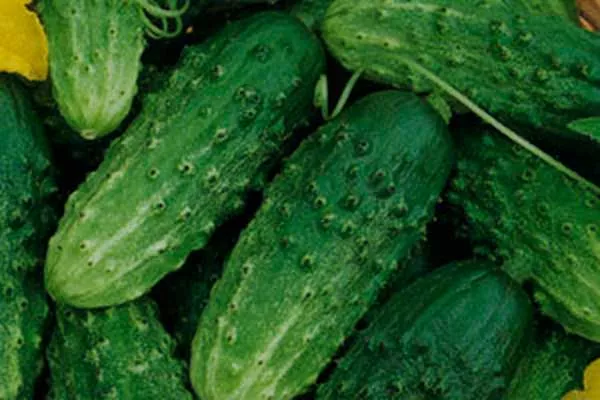
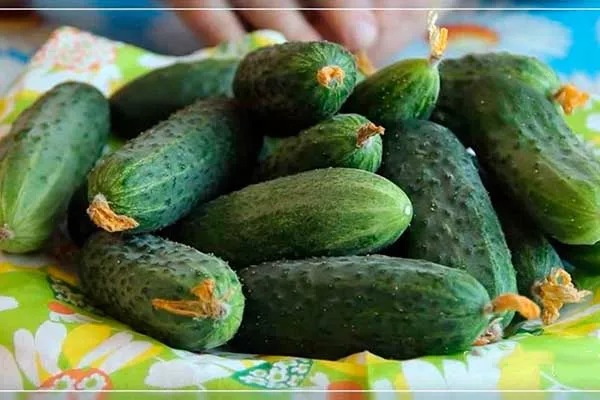
- cucumber fruits are elongated-ovoid and always of regular shape, from 8 to 12 cm in length and weighing 65 g on average;
- the surface is covered with large tuberculate formations with black spines;
- tops with a rough surface;
- the pulp is crisp and compact, without voids.
Taste and purpose
The fruits of this variety have excellent flavor characteristics. They are distinguished by a sweet taste without bitterness. They have a pleasant, refreshing aroma. Due to their versatility, cucumbers are used for fresh consumption, as well as for canning, pickling, and salting.
When ripe, the yield
Cucumbers ripen quickly—from the appearance of the first green shoots to the beginning of fruiting, it takes approximately 36-40 days. With proper care, the plant yields 5 to 6-7 kg per square meter.
Planting the Kapelka hybrid
Adherence to sowing guidelines affects the plant's resistance to disease and productivity. Kapelka cucumbers are planted after April 15-20 for seedlings and from early May if grown by seed.
- ✓ The optimal soil temperature for sowing Kapelka cucumber seeds should not be below 15°C.
- ✓ To prevent diseases, it is recommended to use biological preparations such as Fitosporin-M as a preventative measure, and not just for treatment.
Site selection and preparation
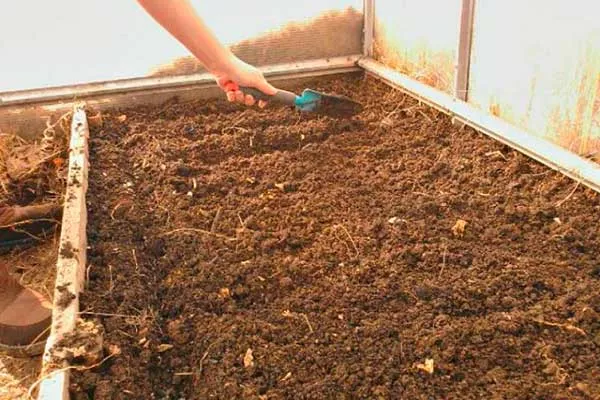
A sunny, draft-free spot is ideal for these cucumbers. Prepare the beds in the fall, immediately after harvesting the previous crops:
- dig up the ground;
- remove the weeds;
- add mineral preparations or organic matter (manure, bird droppings or compost).
Growing seedlings
Before planting, be sure to treat the seeds and increase their endurance:
- Soak the planting material in a pink solution of potassium permanganate for half an hour.
- To harden the seeds, first soak them in hot water and then in cold water – literally a couple of minutes in each.
Please take into account some nuances:
- The seed planting depth is 2-3 cm.
- The seedlings are grown in small peat or plastic pots/cups.
- After planting, the surface of the soil mixture is generously moistened with warm water by spraying from a spray bottle and placed in a room with a temperature of 19-21°C.
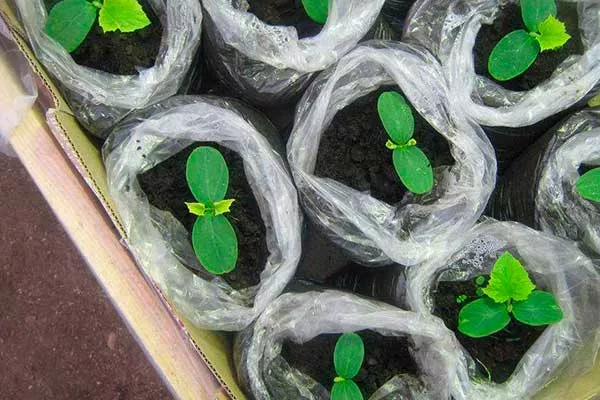
Transplant the seedlings to their permanent location when they are 30 days old. Plant the seedlings 5-8 cm deep. Cover the seedlings with soil up to the bottom leaves, water thoroughly, and cover with plastic wrap.
Planting diagram
Place Kapelka seedlings at intervals of 50-55 x 50-60 cm on all sides. This arrangement of the bushes makes harvesting and plant care easier.
Agrotechnical procedures
In order for vegetables to be tasty and have an attractive shape, they require regular watering, systematic fertilizing, and hilling up the trunk circle.
Watering procedures and loosening
Water Kapelka cucumbers with warm, settled water. Water in the evening every 3-4 days. If necessary, water the plants every other day or daily. During periods of extreme heat, mist the green parts.
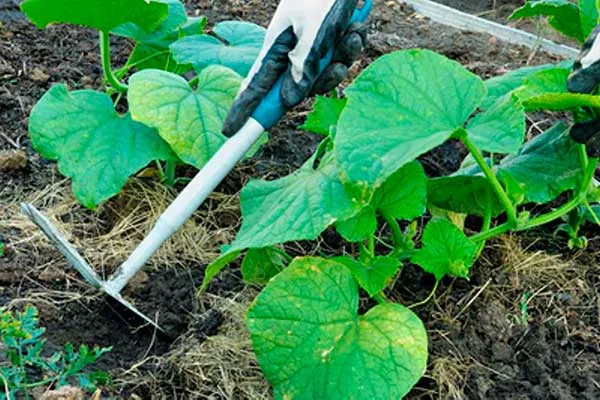
Loosen and hill up the cucumber beds every 14-16 days. These procedures help provide the root system with the necessary oxygen and moisture, strengthen the plant's main root, and develop new, additional roots.
- First feeding: 2 weeks after planting the seedlings, use a solution of mullein (1:10) or chicken manure (1:15).
- Second feeding: at the beginning of flowering, use complex mineral fertilizers with a high potassium content.
- Third feeding: during the period of active fruiting, use ash (1 glass per 10 liters of water) to improve the taste of the fruit.
Top dressing
Fertilize cucumbers three times throughout the growing season. Use both mineral (superphosphate, potassium nitrate, urea) and organic (manure, compost, litter) mixtures. It's important to alternate fertilizer types, as this variety requires equal amounts of both.
Resistance to diseases and pests
Kapelka cucumbers have a strong immune system, but improper care can lead to disease and pest infestation:
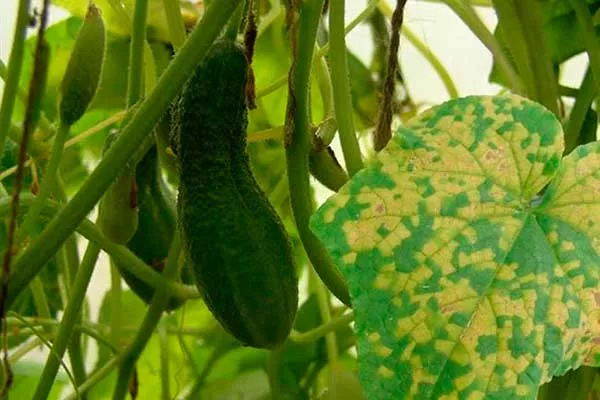
- Fusarium - It causes wilting of affected plants, darkening of stems, yellowing and curling of foliage. To prevent Fusarium wilt, purchase chemicals such as Quadris, Baktofit, Trichodermin, and similar products.
- Anthracnose – This is an infectious disease in which brownish spots appear on the lower leaves of the plant, gradually spreading throughout the entire bush. Over time, these spots develop into spots that cover the entire plant.
To treat affected cucumbers, chemical fungicides are also needed, but these are Fitosporin, Previkur. - Root nematode – This pest is quite difficult to detect, as it lives in the plant's root system, forming galls. The first sign of its presence is stunted growth of the bush and fruit, followed by wilting of the bush.
To combat this insect, vegetable growers recommend using Nematophagin.
Harvesting and storage
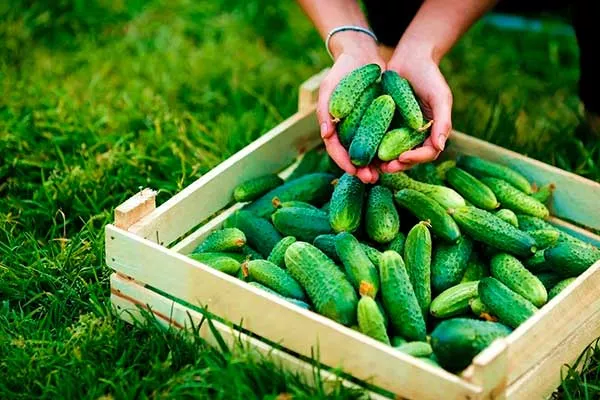
It's recommended to harvest Kapelka cucumbers every two days. Since this variety is not prone to overgrowth or yellowing, a slight delay in harvesting is acceptable. Store the harvested vegetables in a cool place at a temperature of approximately 4°C.
Positive and negative qualities
Experience growing Kapelka allows gardeners to identify a number of advantages and disadvantages of this variety, which are described below.
Advantages:
Gardeners consider the main disadvantages of the Kapelka variety to be the need for pollination by bees, which complicates cultivation in greenhouse structures, and the importance of controlling humidity levels.
Reviews
The Kapelka variety is renowned for its consistent fruiting, relatively low maintenance, and excellent flavor. With proper care, the bushes can yield more than the cultivar's stated yield.