
Kapel cucumbers are an excellent choice for gardeners seeking a productive variety with good yields. This variety is noteworthy for its low maintenance and early ripening. With proper care and adherence to all agricultural practices, you'll be able to reap bountiful harvests and high-quality cucumbers.
Introduction to the variety
It's a parthenocarpic hybrid, so it produces cucumbers without pollination. Kapel stands out for its excellent characteristics. These characteristics can only be fully appreciated with proper planting and subsequent care.

Characteristic features of the appearance of the plant and fruits
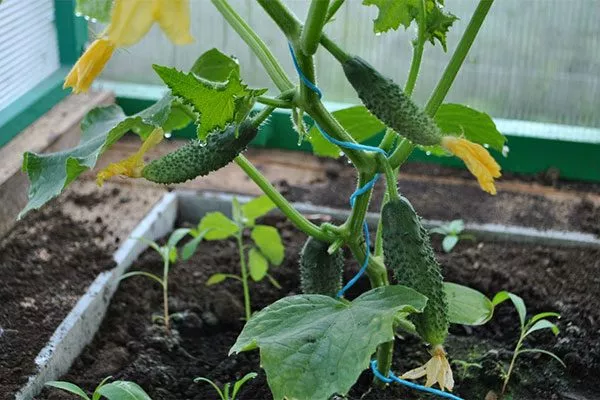
A medium-sized, trailing plant that produces moderately long lateral shoots. It has a compact and neat form. The leaves are medium-sized and dark green. The leaf blades are slightly wavy at the edges.
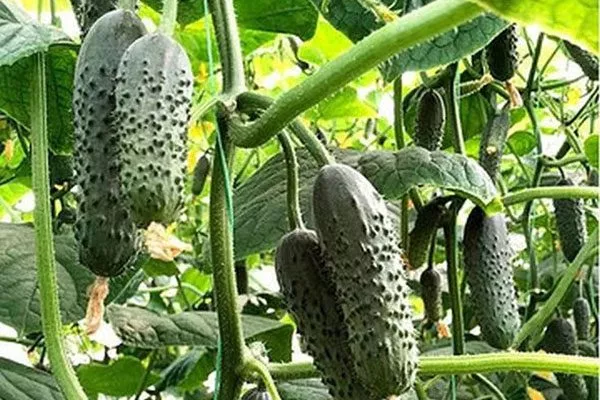
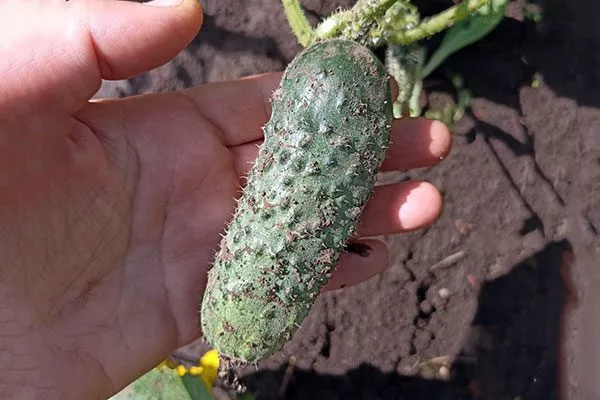
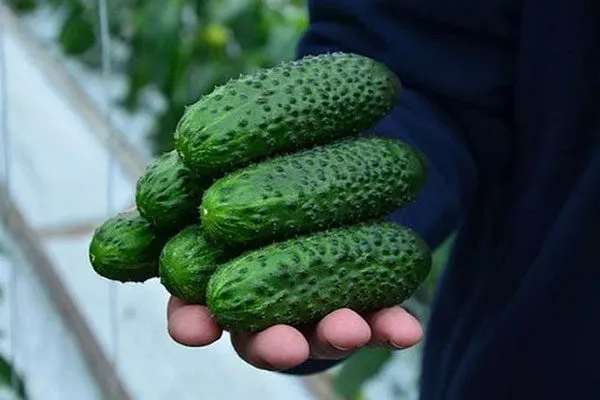
The fruits are cylindrical. They are smooth and even, without noticeable ribbing. They reach 6-8 cm in length and weigh 60-75 g. They are deep green with light stripes that can extend up to half the length of the fruit. The surface is covered with small tubercles and sparse white spines.
Purpose and taste of fruits
This variety is ideal for fresh salads or as an appetizer. It's also suitable for canning and pickling.
Maturation
Kapel cucumbers are characterized by fast ripening – the first fruits appear just 38-45 days after sowing the seedlings. This allows you to quickly harvest and enjoy fresh vegetables in a short period of time.
Growing and care
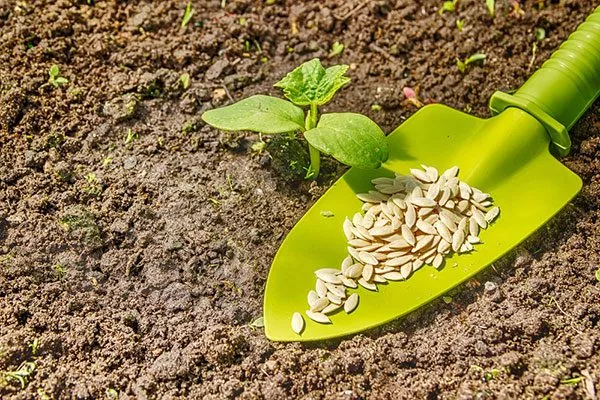
Sow seeds for seedlings 3-4 weeks before the expected planting date in open ground or a greenhouse—mid- to late April in central Russia. Soak the seedlings in warm water for 1-2 hours before sowing. Harden them off by placing them in the refrigerator for 24 hours.
- ✓ The optimal soil pH for cucumber seedlings should be within 6.0-6.8.
- ✓ The soil mixture should contain at least 30% organic matter to ensure adequate nutrition.
Follow the recommendations:
- Use light, fertile soil for seedlings. Mix equal parts humus, peat, and sand, adding a little wood ash.
- Sow the seeds 1-2 cm deep in containers with drainage holes, spacing them 2-3 cm apart.
- Keep the containers at a temperature of +22-25°C and provide 12-14 hours of light per day using a phytolamp or placing them in direct sunlight.
- Keep the soil moist, but not overwatered. Water with warm, settled water as needed.
- Two weeks after the seedlings emerge, apply a complex fertilizer for seedlings.
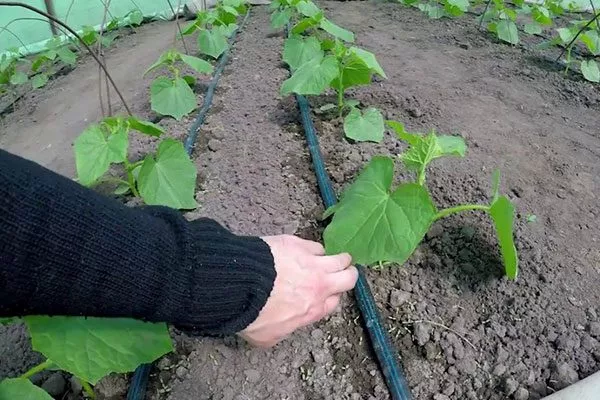
- When the plants reach a height of 10-15 cm and have 2-3 true leaves, transplant them into open ground or a greenhouse. This usually happens in late May or early June.
- Choose a sunny location with well-drained soil. The plant prefers light, neutral, or slightly acidic soil.
- The distance between plants is 30-40 cm, between rows – 50-60 cm. Deepen the seedlings into the soil up to the first true leaves.
Care plays an important role in cucumber cultivation. This includes standard agricultural practices:
- Watering. Water the bushes regularly, especially in hot weather. Apply water at the roots, avoiding contact with the leaves and fruit.

- Top dressing. During the growing season, fertilize the crop every 10-14 days. Use complex fertilizers high in potassium and phosphorus to support fruiting.
- Garter. In greenhouses, tie plants to a trellis or support to keep them upright. This improves air circulation.
- Prevention of diseases and pests. Treat for insects and diseases. If necessary, use insecticides and fungicides suitable for the crop.
Reviews
Kapel cucumbers are one of the best new seed varieties on the market for gardeners and homesteaders. This hybrid variety has gained popularity due to its high productivity, excellent taste, and versatility. It's suitable for planting outdoors, in greenhouses, and even on balconies. Proper care is essential.