
Kaminari cucumbers are an ideal choice for growers seeking a productive and disease-resistant variety. Their high yield, low maintenance, and excellent flavor make them a valuable addition to any garden. Applying the knowledge gained about growing and caring for this hybrid will ensure consistent results.

Introduction to the variety
This is a parthenocarpic variety, making it very easy to grow. The plants are indeterminate and have female flowering. It is an early-ripening variety, maturing approximately 40-45 days after germination.
Originators
Kaminari, known as KS 90, is a hybrid cucumber variety, developed by I. Shevchenko. It was approved for use in 2021 and has already gained popularity among many vegetable growers in our country.
External characteristics of the plant and cucumbers
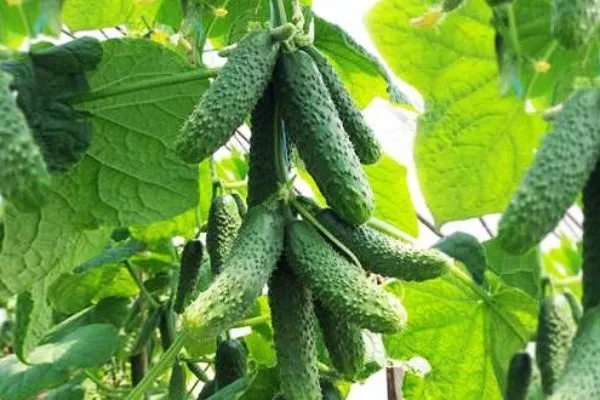
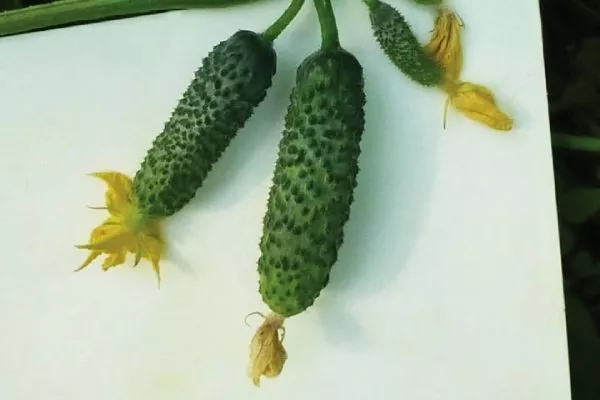
The plant reaches a height of about 2 m. The shoots are covered with medium-sized leaves, colored green or dark green. The cucumbers are short, 10 to 12 cm long, weighing about 60 g.
The fruits are cylindrical, with a finely or moderately tuberculate surface. The skin is dark green with light brown spines on the pubescence.
Taste and purpose
This cucumber has crisp, juicy flesh, making it very appetizing. Gardeners remark on its excellent taste. This variety is versatile: it's suitable for fresh salads, pickling, salting, and canning. It's used in a variety of dishes, including sauces, appetizers, and more.
Soil requirements
The plant prefers light, fertile soils with neutral pH. It's important to ensure good drainage to avoid waterlogging.
Regionality and climatic conditions
Cultivation requires a warm, sunny climate. Kaminari grows successfully both in open ground and in plastic greenhouses. The variety is recommended for cultivation in various regions.
Subtleties of agricultural technology
Cucumbers prefer sunny locations protected from the wind. The soil should be fertile, light, and well-drained. In the fall, before planting, dig the soil over, adding organic fertilizers such as humus or compost. In the spring, dig the beds again and level them.

Follow these recommendations:
- Sow seeds outdoors when the soil warms to 15°C and the risk of frost has passed. This usually occurs in late May or early June.
- To improve germination, soak the seeds in warm water for several hours, then harden them by alternating hot and cold liquids.
- Sow the seeds to a depth of 2-3 cm, spacing them 30-50 cm apart. Line the bottom of the planting hole with humus, then cover with soil and water with warm water.
- If you you grow cucumbers from seedlingsSow the seeds in peat pots 3-4 weeks before planting in the ground. Cover the containers with plastic wrap and place them in a warm location. Once the seedlings emerge, remove the plastic wrap and move the seedlings to a cooler location with daytime temperatures of 19°C (65°F) and nighttime temperatures of 15°C (59°F).
When the threat of frost has passed, plant the seedlings in open ground together with peat pots.
- ✓ The optimal soil temperature for sowing seeds should be no lower than +15°C, but no higher than +25°C to prevent stress in plants.
- ✓ The distance between plants should be at least 30 cm to ensure sufficient space for root growth and prevent diseases.
Caring for your bushes involves simple agricultural practices. For best growth and development, provide the plant with minimal care:
- Watering. Provide regular watering. Apply water to the roots, avoiding contact with the leaves. Water daily on hot days, and every other day on cool days.
- Top dressing. Two weeks after planting, apply organic fertilizer (mullein infusion, bird droppings). Then, feed the plants with complex mineral fertilizers every 10-14 days.
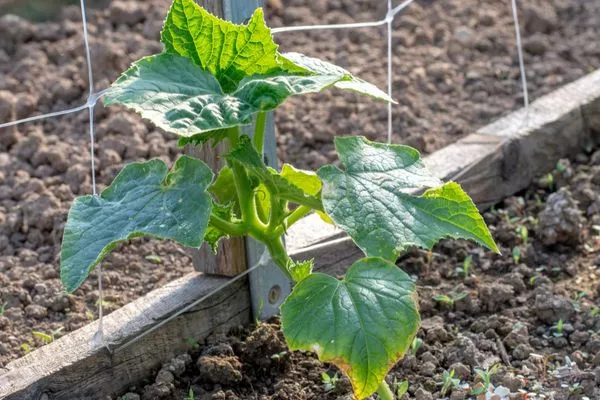
- Formation of bushes. To increase yield and improve air circulation, tie shoots to vertical trellises.
- Weeding and loosening. Regularly remove weeds and loosen the soil around the plants to improve air access to the roots.
- Protection from diseases and pests. To prevent diseases, use biological preparations such as Fitosporin and infusions (onion peel, garlic). Maintain a regular watering regime and ventilate the greenhouse to avoid overwatering.
Reviews
Kaminari cucumbers are a hybrid variety popular with both novice and experienced gardeners. They have gained popularity thanks to their excellent productivity and disease resistance. They impress not only with their excellent characteristics but also with their versatility. With proper care and attention, they will grow strong plants and reap a bountiful harvest.