
More and more gardeners and summer residents are finding growing cucumbers in barrels very convenient. This method of planting vegetables solves several problems at once, but it does have its own nuances that it's recommended to familiarize yourself with in advance.
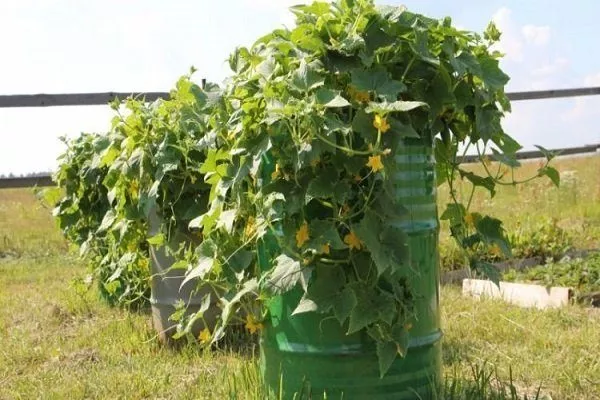
The advantages and disadvantages of growing cucumbers in a barrel
Growing cucumbers in barrels certainly has several advantages over a traditional garden bed. First and foremost, it saves significant space. Vertical garden beds allow for efficient organization of space even in the smallest garden plot, where every square meter is precious.
Growing cucumbers in a barrel at home has several drawbacks, but even these are easily offset by numerous advantages. Here are a few:
- one barrel allows you to grow two or three bushes at the same time, even if different varieties were planted;
- a two-hundred-liter barrel can replace an area of up to two square meters;
- the container can be located in any place preferred by the vegetable crop, where it will receive the required amount of sunlight;
- With this method of cultivation, fertilizer is used more economically;
- a cucumber bush planted in a container with soil is less susceptible to infectious diseases and insect pests;
- a small planting area significantly reduces the time spent working with the soil (loosening, weeding);
- a fruit-bearing bush in a barrel visually adds decorativeness and neatness to the garden plot;
- The main advantage of planting this vegetable crop in a container is the absence of weeds;
- watering vegetable crops is much faster and more convenient;
- When ripening, cucumbers often begin to droop, thereby becoming dirty from the damp soil, but when planted in a barrel, the fruits always remain clean;
- when unexpected frosts occur, it is easier to insulate a container compared to a greenhouse;
- You can start planting cucumbers in a barrel a few weeks earlier, but in the case of open beds, you must strictly adhere to the deadlines.
It is impossible not to note the disadvantages of this method of cultivation:
- The limited space contributes to the soil drying out quickly, therefore, the gardener is required to regularly monitor the humidity level and water the plant if necessary;
- Since most garden containers are made of metal, they heat up quite quickly when exposed to sunlight, so on hot summer days it is necessary to water them a little more often than is required for normal planting in open beds;
- If a gardener does not have a free container at his disposal, he will need to purchase one, which will incur additional costs;
- The preparatory stage of planting cucumbers in a barrel involves preparing a substrate—a nutrient medium for the plant—to fill the entire container.
Selecting and preparing a barrel
The most important step when deciding to plant cucumbers this way is to carefully prepare the container. Depending on your budget, you can purchase a barrel made of plastic or metal.
- ✓ The minimum volume of a barrel for growing cucumbers should be at least 200 liters to provide sufficient space for the root system.
- ✓ Dark plastic barrels are preferable, as they heat up less in the sun compared to metal ones, which reduces the risk of overheating the roots.
Once the container has been selected, it is necessary to make several medium-sized holes in its bottom so that excess liquid can drain and not stagnate.
Filling the container completely with fertile soil is a serious mistake.
To get the plant to begin bearing fruit, it is recommended to follow a special "recipe" for filling a barrel for cucumbers:
- First, strengthen the bottom. To do this, fill 1/3 of the container with tops, compost, or other food scraps.
- The next layer is any organic fertilizer, such as manure. As it decomposes, it releases a large amount of heat to the root system of vegetable crops, thereby stimulating their rapid growth.
- The final layer should be fertile, pre-loosened soil. There's no need to fill the container to the brim. It's even advisable to leave 7 cm of headroom. This will allow you to cover the cucumber bushes with plastic wrap later to protect the young plants from the harsh effects of cold winds.
Find out what kind of barrel and soil it should be, and whether it needs to be covered and topped up with soil in the following article:
Soil preparation
Soil preparation is especially important, as good soil is the key to a high yield. As mentioned earlier, the soil should be fertile and light in texture.
For container planting, pre-cleaned soil from a garden plot is also suitable. Mix it with compost and sift it several times to remove any stray insect larvae. A strong solution of potassium permanganate or phytosporin can be used as an antiseptic.
Seed preparation
Preparatory work with cucumber seeds takes place in several simple steps:
- Selection of suitable seeds. To perform this step, soak the cucumber seeds in warm water for 6-7 minutes. Then remove them and place them in a salt solution (6 g of table salt per 1 liter of liquid). Remove and discard any seeds that float to the top. They will not germinate when planted. Rinse any seeds that remain on the bottom thoroughly in plain water and dry.
- Hardening. The most popular and affordable way to harden cucumber seeds is to place them in a damp cloth on one of the refrigerator shelves. Leave them there for 72 hours. Then remove the seeds and let them thaw for 9-10 hours.
- Disinfection. This procedure is necessary to protect seedlings from harmful insects and various infectious diseases. Place the seeds for several minutes in a pre-prepared solution of potassium permanganate (1%) and acetic acid (1%). Then, thoroughly rinse the seeds again in room-temperature water.
- Soak. The final step in preparing cucumber seeds is placing them in a damp cloth until they swell completely. Typically, soaking time for the seeds does not exceed 24 hours.
- Treatment with a growth stimulating agent. The stimulating agent can be purchased at any specialty gardening store. However, experienced gardeners recommend the following recipe: 5 teaspoons of wood ash per 800 g of water. Mix the resulting mixture thoroughly and pour it over the treated cucumber seeds.
Wood ash contains a wealth of nutrients and beneficial microelements that not only promote rapid growth of vegetables but also strengthen their defenses against harmful external influences. After two hours, the nutrient solution is removed. The seeds are ready for planting.
- Soak the seeds in warm water for 6-7 minutes to select viable ones.
- Place the seeds in a salt solution (6 g of salt per 1 liter of water) for further selection.
- Wash the selected seeds and dry them.
- Harden the seeds in the refrigerator for 72 hours.
- Disinfect the seeds in a solution of potassium permanganate and acetic acid.
- Soak the seeds until they swell (no more than 24 hours).
Many inexperienced gardeners believe that the more stimulating solutions they use, the better the seeds will germinate. However, this is a misconception. Cucumber seeds have a protective shell that must never be destroyed, otherwise they will die before they can be planted.
Repeated stimulation with various chemicals only contributes to the destruction of the protective shell, but not to the growth and development of the seedling.
Choosing a location
Cucumbers require good light for rapid growth and development. The plant thrives on heat, so choose a sunny location.
If the container is made of metal, it will overheat significantly on hot summer days. This is also worth considering.
A metal container can be protected from overheating on a bright sunny day. To prevent sun damage to the cucumber stems, it's recommended to wrap the barrel with industrial film or lutrasil. This simple method not only protects the plant from possible sunburn but also gives the old container a more decorative look.
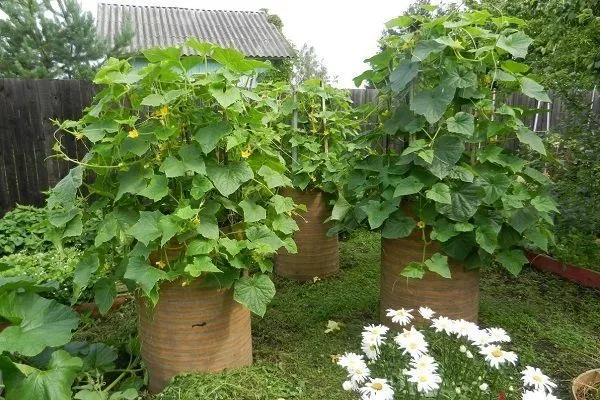
For growing cucumbers in a barrel, a slightly shaded area protected from wind or drafts is ideal. It's also important to remember that the gardener must have constant access to the container from all sides.
Planting cucumbers in a barrel: a step-by-step process
The process of planting cucumbers in a barrel is quite simple and can be accomplished even by a novice gardener without much experience working with vegetable crops.
It is advisable to strictly adhere to the algorithm of actions presented below, and then the plant will definitely bear tasty and juicy fruits:
- A few days before planting the vegetable crop, water the soil thoroughly so that it settles a little.
- Add more fertile soil on top to replenish the previous level.
- Loosen the soil thoroughly and make small holes, the depth of which will not exceed 3 cm.
- Distribute the seeds so that the cucumber bushes are at an equal distance from each other.
- It's recommended to plant seeds "in reserve," as there's always a chance that some seeds won't germinate. The extra seedlings can always be transplanted to a garden bed or another container.
- Then each hole is sprinkled with humus from plant or animal remains.
- Water the holes exclusively with warm, settled water. It's best to water using a watering can with a small sieve.
- The final planting step is covering the container with plastic wrap to create a greenhouse effect. To prevent the plastic wrap from slipping, it's recommended to secure it with a rubber band or twine.
Care Features
Regardless of the chosen method for growing cucumbers, this vegetable crop requires constant attention from the gardener. To ensure a healthy, fruit-bearing plant, some care and attention will be required.
Watering and fertilizing
Vegetables should be watered only after the soil has dried out, no more than twice every seven days. Experienced gardeners suggest using a homemade drip irrigation system. This device is a simple plastic bottle, designed to hold 3 liters of liquid.
Before placing the bottle in the container, poke small holes in it using a preheated sewing needle or awl. The bottle is then placed in the barrel, ensuring the neck is perfectly centered. Next, cover the entire surface of the bottle with soil. Each time you add water, the liquid will gradually drain and moisten the cucumbers' root system.
For this particular growing method, it is recommended to use a concentrated organic fertilizer called liquid vermicompost. This solution should be diluted with water in a 1:3 ratio. For each cucumber plant, use no more than 250 ml of the solution.
It has been noted that timely fertilizing promotes abundant fruiting and a strong plant immune system. Fertilizing should be done only two weeks after the cling film has been removed from the barrel surface. The most commonly used mineral fertilizers are superphosphate (no more than 20 g) and potassium sulfate (no more than 10 g).
For more information on caring for cucumbers in a barrel, see this article:
Shaping and tying bushes
Cucumbers grown in containers must be tied to form bushes. This will not only facilitate harvesting later, but also allow the plant to breathe and protect it from infectious diseases and insect pests transmitted through the soil.
The most popular and accessible method for tying cucumber plants to a barrel is to place a meter-long wooden (or metal) pole in the center of the container. A cross is attached to this pole, to which garden twine is attached.
As the bush grows, the vines will begin to twine around the pole, gradually moving to the crossbar, forming a kind of "umbrella." This design is not only easy to care for but also looks extremely elegant. Staking is recommended only after the plant has more than five leaves.
Why do leaves turn yellow?
There may be several reasons for yellowing leaves on cucumber bushes:
- Lack of timely watering. Insufficient soil moisture leads to dehydration of the vegetable crop, which begins to wilt.
- Fertilizer deficiency. During the growing season, cucumber plants desperately need nitrogen. The first signs of yellowing may indicate that the plant needs fertilizing.
- Low temperatures cause stress in heat-loving cucumbers.
- Yellow spots may be sunburn. Water the cucumber plant at the roots, avoiding the leaves. Therefore, it's best to water cucumbers only in the morning or evening.
- The presence of an infectious or viral disease. The most well-known is fusarium. Affected leaves quickly turn yellow and initiate the wilting process of the entire plant.
- Damage to the plant's roots. If harmful insects have reached the root system or it has been damaged during weeding, the leaves will develop yellowish spots.
Few ovaries
Barren flowers are a fairly common problem when growing cucumbers. This occurs when planting fresh seeds. The seedlings first produce a male flower (a barren flower), and only then a female flower (an ovary). To prevent this, it's recommended to plant three-year-old seeds, which produce ovaries before the barren flowers.
Another common cause is improper fertilizer use. Excessive nitrogen fertilization has a detrimental effect on vegetable crops, causing an increase in barren flowers and shoots. A fast-acting phosphorus solution mixed with water (at a ratio of 1:10) or ordinary wood ash mixed into the plant's soil can help remedy the situation.
Diseases and pests
Cucumbers in a barrel are also subject to various diseases and pest infestationsThe most common cucumber disease is fusarium wilt. The danger lies in the fact that the plant shows no symptoms for several days, and the disease is only detected after the entire cucumber plant has been infected.
Fusarium wilt can be defeated with just a few simple steps. First and foremost, the soil needs to be disinfected. This can be accomplished by adding fungicides, available at any gardening supply store.
To increase vegetable crop resistance to fusarium, it is recommended to use a growth stimulant. The most well-known is "Gumisol." It is equally effective when applied to seeds before planting and as a spray during the growing season.
There are plenty of insects eager to feast on the juicy cucumber leaves, including aphids, spider mites, wireworms, whiteflies, and so on. They are tiny in size, but the scale of damage is enormous.
Over the years, gardeners have learned to effectively combat insect pests by spraying the foliage of cucumber plants. Garlic tincture is particularly popular among insect repellents. You can make it yourself at home. To do this, you'll need:
- 2 liters of water;
- 400 g chopped garlic cloves.
Mix the ingredients thoroughly and let them steep for five days. After this time, dilute the resulting solution with two more buckets of water. Spray this infusion over the entire surface of the cucumber plants using a spray bottle.
Harvesting
Harvesting cucumbers grown in a barrel is quite a pleasant process, as there's no need to constantly bend over the beds and pick up the sometimes heavily soiled cucumbers.
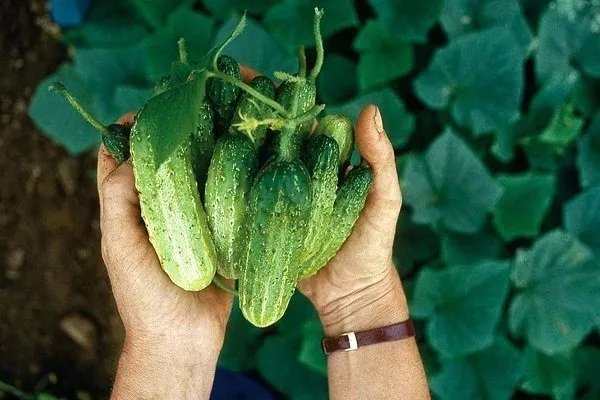
This growing method makes it much easier and more convenient to spot ripe cucumbers and harvest them. The plants are accessible from any side, unlike plants grown in a traditional greenhouse. Harvesting is possible both during the day and in the evening.
Cucumbers can be removed by hand, plucking them by hand. However, experienced gardeners prefer to use pruning shears. This prevents damage to the vines or ovaries.
When harvesting cucumbers, it's a good idea to carefully inspect the bushes. If you notice any leaf deformities or signs of infection, remove the damaged area immediately. This will help protect the neighboring bush.
According to numerous positive reviews from gardeners and summer residents regarding growing cucumbers in barrels, this method not only significantly saves space in the garden or vegetable plot, but also makes caring for this vegetable crop easier.
Reviews from gardeners
Getting a bountiful and delicious harvest with this method of growing cucumbers is quite simple. The first harvest from a barrel occurs several weeks earlier than in open beds, as the microclimate is more favorable for the vegetable crop. Carefully planted cucumber bushes in barrels give the garden a more decorative and well-maintained appearance.