
Emerald Earrings cucumbers are a true find for all lovers of fresh vegetables. This hybrid attracts attention not only with its catchy name but also with its impressive characteristics, making it an excellent choice for both experienced gardeners and beginners. Proper care is essential to ensure bountiful harvests.

Breeding history
Created by a team of breeders including S. F. Gavrish, A. E. Portyankin, A. V. Shamshina, V. N. Shevkunov, N. N. Khomchenko, T. Ya. Surovova, and I. S. Pluzhnik, the hybrid boasts numerous advantages. It was included in the State Register of Russia in 2011.
Description of the variety
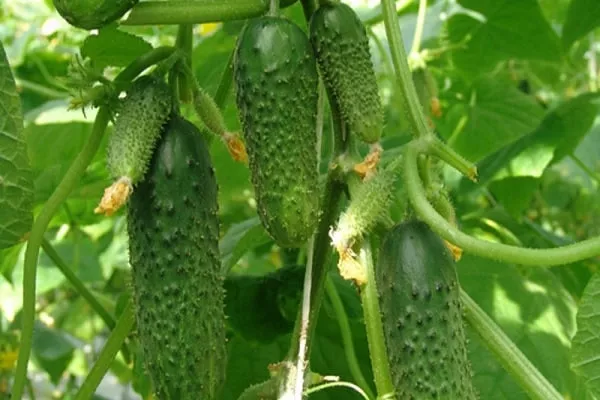
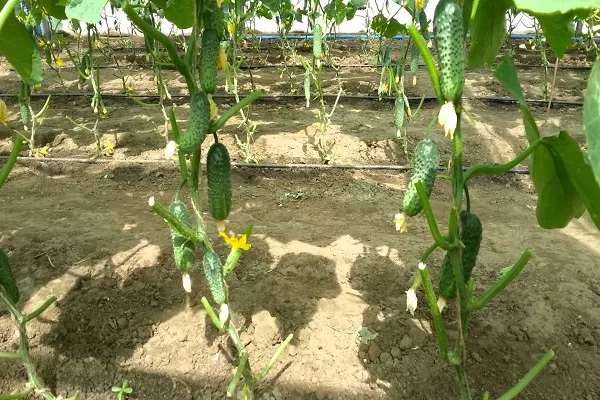
The bushes are vigorous. Branching is generally weak. The leaves are medium-sized and green. The flowering type is female. Two to three flowers form at each node, and 8 to 10 cucumbers develop in a single cluster.
- ✓ Presence of 8-10 ovaries in one bunch.
- ✓ Short fruits with a dark green color and small tubercles.
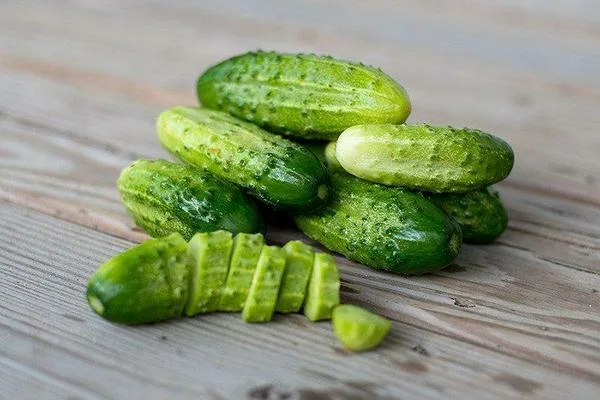
This hybrid produces short cucumbers, ideal for making flavorful pickles and gherkins. Mature cucumbers reach approximately 10-11 cm in length and 3-4 cm in diameter. Each cucumber weighs between 115 and 130 g.
The cucumbers are neat, perfectly cylindrical, and dark green in color. The surface is marked with shortened stripes and spots. The upper part is finely tuberculate, with frequent tubercles and small whitish spines.
Varietal qualities
The plant is successfully grown both outdoors and indoors. The yield is significantly higher in the latter case.
Purpose and taste of fruits
The ripe fruits have a very pleasant flavor, without an overpowering or harsh bitterness. They have a pleasant, rich aroma. They are versatile: they can be eaten fresh, used in salads, main courses, appetizers, and holiday treats.
Ripening time and yield
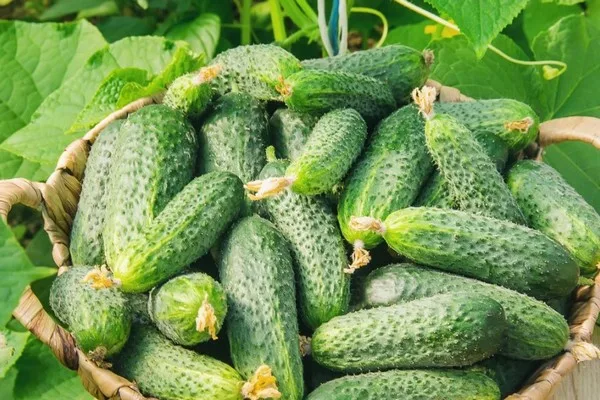
Many farmers are attracted to this hybrid due to its early ripening. The aromatic cucumbers ripen in 42-47 days after the first shoots emerge, and fruiting continues for a long time.
The yield is very high. With proper care, 13.1-14.6 kg of vegetables can be harvested per square meter. Proper and sufficient watering significantly influences yield, as it can increase plant productivity.
Growing regions
The crop is adapted for cultivation in most regions of Russia. It thrives in the Far East, the Urals, and Siberia, and is grown in the Central Black Earth Region, the Central and Northwestern regions, and the Volga region.
- ✓ Soil pH should be between 6.0-6.8 for optimal nutrient absorption.
- ✓ The soil should be enriched with organic matter (compost, humus) in an amount of at least 5 kg per 1 sq. m before planting.
Soil requirements
Emerald Catkins are a hybrid that is demanding of soil composition and quality. The soil should be well-drained, aerated, and fertile.
Planting diagram
The optimal arrangement of bushes is 50x50 cm. Sow seeds for seedlings in late April, and the plants are ready for transplanting outdoors by late May or early June.
Growing and care
The Emerald Earrings variety is a tall plant, so it requires staking. Install a stiff wire at a height of 2 meters and tie ropes to it to provide support for the vines. Use synthetic threads, as they don't rot in moisture.
When the top shoot reaches the top of the wire, wrap it around the support and direct it downward. After fruiting, pinch the main stem to encourage new fruit to form. Remove leaves and shoots from the lower part of the bush to improve air circulation.
Provide the crop with comprehensive care. Follow simple agricultural practices:
- Watering. Water plants frequently and generously, using up to 7 liters of warm, settled water per 1 sq. m.
- Weeding. Weed your garden beds at least once a week. Overgrown furrows can kill your plants.
- Top dressing. Every two weeks, apply fertilizer, alternating chicken manure (diluted 1:10 with water) with a mixture of 10 liters of water, 30 g of superphosphate, 25 g of urea and 20 g of potassium sulfate.
After each watering and precipitation, loosen the soil to break up the soil crust and improve air exchange in the roots.
Resistance to diseases and pests
The hybrid is resistant to most dangerous diseases, but to increase its resistance and prevent disease, treat it with anti-stress agents such as Epin or Zircon. Effective agents include Alirin-B and Oxychom.
Storage and transportation
The harvest will be ready for picking as early as June. Pick the fruits when they reach their maximum size – 10-12 cm. Some gardeners prefer to harvest smaller fruits – pickles (3-4 cm) or gherkins (6-8 cm).
Reviews of the variety
Emerald Earrings cucumbers are an excellent choice for those looking for a reliable and productive variety for their garden. Thanks to its excellent taste, disease resistance, and ease of care, this hybrid has gained immense popularity. By following these recommendations, you'll not only grow healthy plants but also enjoy a bountiful harvest all summer long.