
Emerald Rossyp F1 is a new addition to our hybrid range. It is characterized by parthenocarpy, meaning that insect pollination is not required for fruit formation, a key advantage. This variety grows well and produces fruit even in low light conditions, unlike other varieties whose yields can suffer in such conditions.
Introduction to the variety
This pollination-free cucumber variety is ideal for growing in both temporary and permanent greenhouses. Its distribution spans a wide range of regions thanks to its increased resistance to diseases and growing conditions.
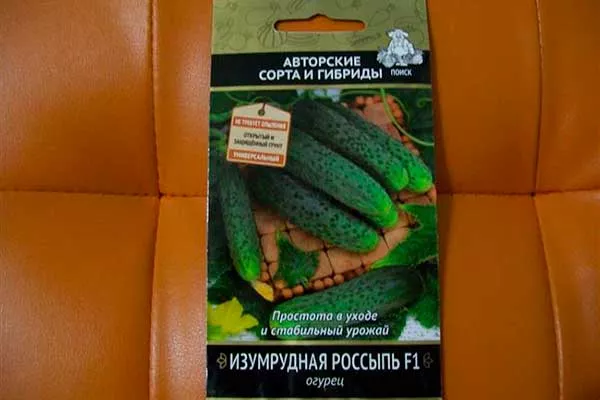
It is easy to care for and its versatile culinary uses make it ideal for both commercial and home use.
Originators
This variety was bred by renowned agronomists A. N. Khovrin, S. V. Maksimov, and N. N. Klimenko as part of the Poisk agrofirm. In 2013, they submitted their variety for state trials, and two years later, it was included in the State Register.
External characteristics of the plant and cucumbers
| Parameter | Characteristic | Meaning |
|---|---|---|
| Growth type | Length of the main stem | 2.5-3.2 m |
| Branching | Intensity | Weak (3-4 lateral shoots) |
| Leaves | Size/color | 8-10 cm, dark green (Pantone 356) |
| Flowers | Type/quantity in node | Women's, 2-3 pcs. |
| Fruit | Length to diameter ratio | 3:1 (12 cm/4 cm) |
| Tubercles | Frequency/size | 4-6 pcs/cm², height 1.2-1.5 mm |
The plant's shoots can reach considerable length and have weak branching, with lateral shoots developing at the same rate. The main shoots, however, exhibit more vigorous growth.
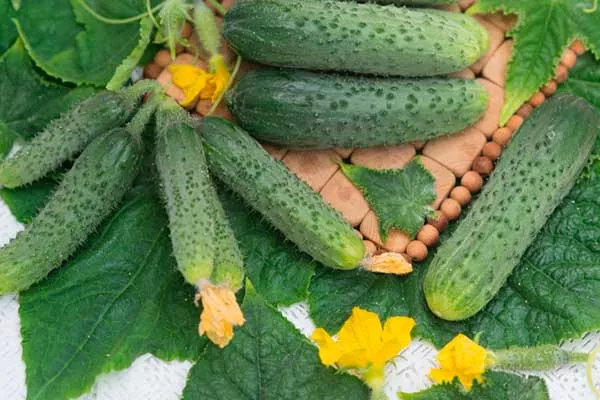
Other characteristic features of the hybrid:
- The leaves are numerous, small, and a rich, dark green with a rough texture and light wrinkles. The leaf blade tip is slightly pointed, and the petiole is noticeably elongated.
- The female variety blooms profusely, with 2-3 yellow buds forming on each node.
- Cucumber fruits have an average length of 9-12 cm and a diameter of up to 4 cm, weighing 100-130 g.
- The seeds in the fruits are small and tender, their presence is practically not felt when eaten.
- The hybrid is characterized by a cylindrical shape, the skin of which is decorated with an emerald green hue with characteristic lines and strokes.
- The surface of the fruit is covered with large but sparse tubercles and whitish spines.
Taste and purpose
The Emerald Placer delights gourmets with its exquisite flavor. Its flesh is juicy and crisp, sweet without a hint of bitterness. This flavor is especially appreciated on hot summer days for its refreshing properties.
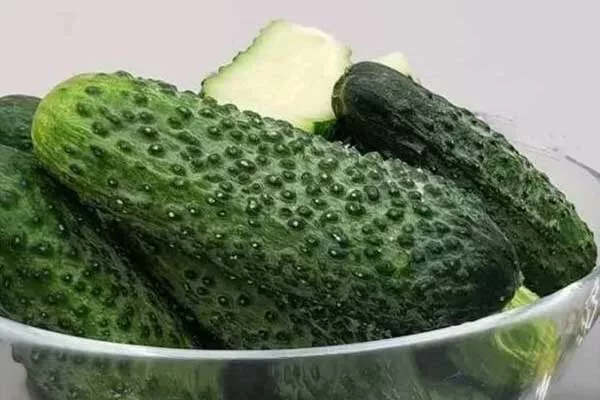
Cucumbers of this variety are versatile in use: they can be eaten fresh, preserved, added to salads, and used to make vitamin drinks and diet cocktails.
When ripe, the yield
The Emerald Placer hybrid is an early-ripening variety. If you choose seedlings, sow the seeds in April and transplant them to their permanent location in late May. From germination to the first fruits, it takes 35 to 42 days. Cucumbers continue to bear fruit for a long time: while the gardener harvests the fruit from the lower nodes, flowering continues in the upper axils and new ovaries are forming.
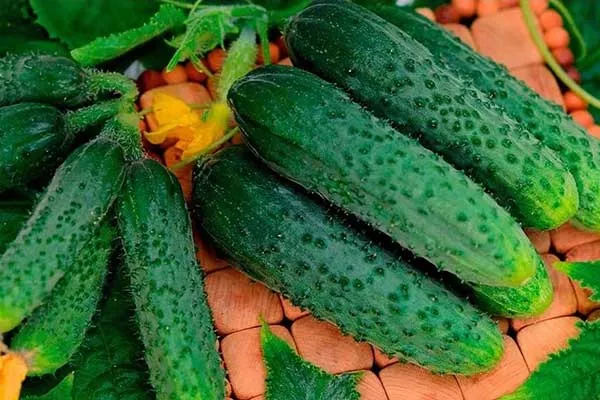
On average, 12.5-13 kg of fruit can be harvested per square meter. However, in greenhouses and under cover, productivity can reach 24-25 kg, making this hybrid one of the most productive.
Growing recommendations
Emerald Placer F1 can be grown either from seedlings, starting in early April, or directly from late May to early June. For sowing, select pre-sprouted and acclimatized seeds.
Garden beds
Cucumbers thrive in soil rich in minerals and organic matter, with a neutral pH. The best predecessors for this variety are tomatoes, cabbage, pumpkin, or sweet peppers. Begin preparing the bed for sowing in the previous season, after harvesting. This includes the following steps:
- plowing the land;
- its feeding with purchased minerals and organic matter;
- weed removal;
- covering the ground before spring to prevent it from freezing deeply (especially important for areas with harsh climatic conditions).
- September: application of 40 t/ha of rotted manure
- October: deep plowing (25-30 cm)
- March: cultivation at 12-15 cm
- April: application of NPK 15:15:15 (500 kg/ha)
- 7 days before planting: milling to 8-10 cm
Soil preparation schedule
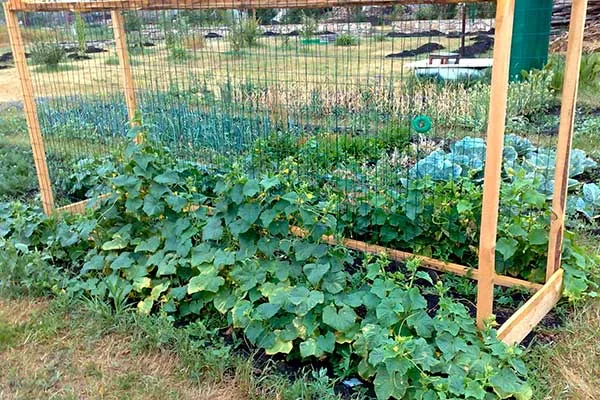
In the spring, the soil is loosened again and seedlings are planted.
Germination of seedlings
Shallow peat pots or plastic containers with drainage holes in the bottom to remove excess liquid after watering are ideal for growing Emerald Rossyp seedlings.
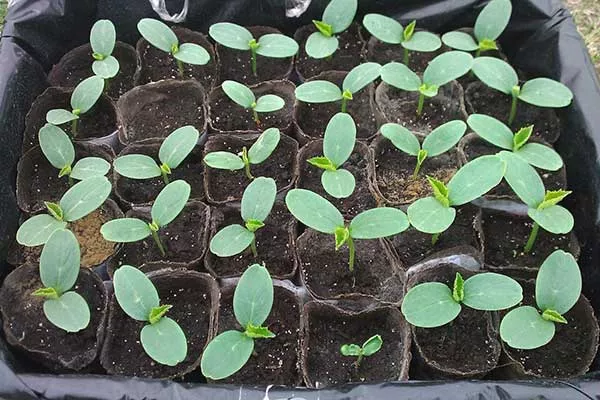
Follow these rules:
- The seeding depth should be 1.5-2 cm.
- It is recommended to pre-germinate and harden cucumber seeds using special fungicides or by briefly soaking them in hot and then cold water.
- After drying, the seeds are wrapped in gauze, moistened and placed in a saucer, remembering to maintain the moisture of the gauze.
After sowing, move the future seedlings to a bright location, such as a windowsill, at a temperature of approximately 26-27 degrees Celsius. Once the first shoots appear, it is recommended to lower the temperature to 20 degrees Celsius.
| Parameter | Before germination | After germination |
|---|---|---|
| Daytime temperature | 26-27°C | 20-22°C |
| Temperature at night | 24°C | 18°C |
| Humidity | 85-90% | 70-75% |
| Illumination | Not required | 15,000 lux/14 h |
| EC solution | 1.2-1.5 mS/cm | 1.8-2.0 mS/cm |
Landing
Cucumber bushes are planted in permanent beds when the soil temperature is around 15-17 degrees Celsius. The distance between plants should be 35-40 cm, and between beds, 60-70 cm.

The work process is as follows:
- Transplant the seedlings in the standard way into holes previously fertilized with manure, rotted sawdust or vermicompost, to a depth equal to the length of the root system of the bushes.
- Fill with substrate up to the level of the bottom leaf.
- After planting, moisten the surface of the soil with lukewarm water and cover the beds with thick film to protect from night frosts and prevent the bushes from dying off.
Care instructions
Cucumbers require not only warmth but also careful care. The Emerald Rossyp variety of gherkins can produce a bountiful and delicious harvest, but only if the plants are regularly watered, fertilized, and provided with loose soil. Here's how to do this correctly, according to the variety's requirements:
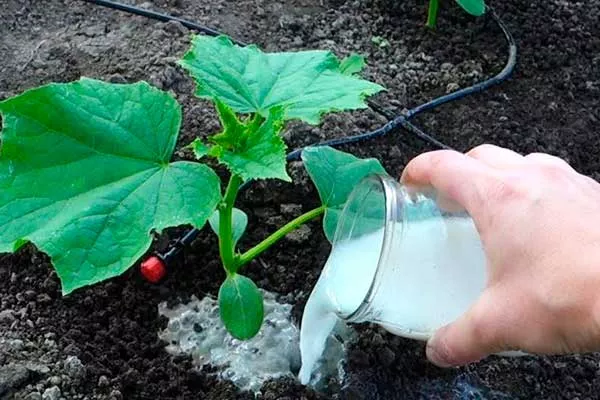
- Watering. Cucumbers need water every five days. The optimal time for this is evening, after the sun has set. Warm the irrigation solution in the sun during the day. Irrigate directly at the roots.

- Weeding. Before watering, weed the beds containing Emerald Placer. This process helps break up the dense soil layer, which promotes better water absorption by the roots. It's best to use a pitchfork to avoid damaging the shallow root shoots.
- Fertilizer. Fertilize after watering and rain. Apply fertilizer every 15-20 days, alternating organic and mineral fertilizers. Potassium, potassium sulfate, and nitrophoska are excellent options at all stages of the plant's growth.


Tips for harvesting fruits
Pick cucumbers from the stems every 2-3 days. This ensures the fruits have time to reach the desired juiciness and color saturation. Harvesting before ripeness is not recommended, as this will result in a loss of crispness and juiciness.
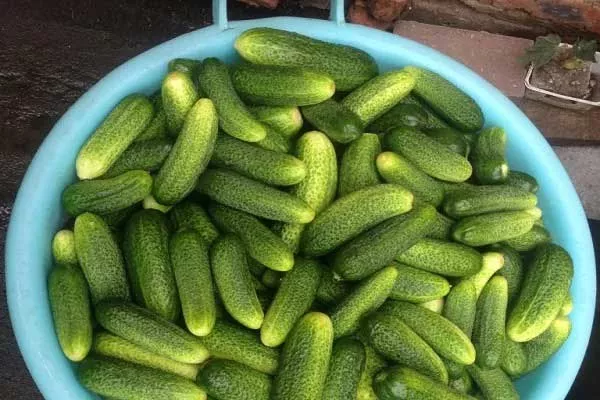
For storage, it's best to use cool areas, such as a basement or cellar, where the temperature doesn't exceed 4-5 degrees Celsius. Place the cucumbers in containers with ventilation holes to ensure airflow to the cucumbers at the bottom.
Diseases and pests
Despite the impressive protection that cucumbers have, plants can fall victim to certain diseases:
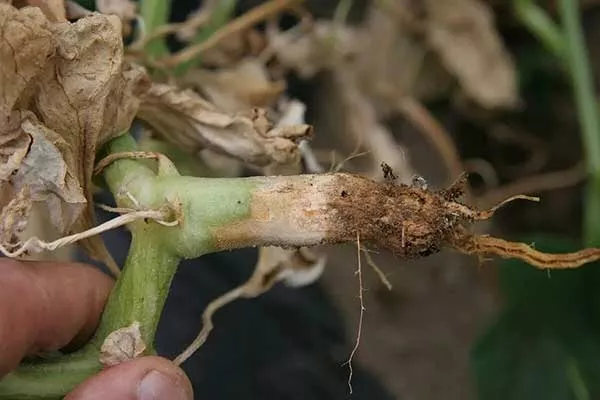
- Root rot. This fungal infection manifests itself as isolated lesions. The first symptoms of infection in a hybrid become noticeable immediately after repotting: the plant loses its vigor, and upon close inspection, the roots begin to darken.
As the disease progresses, the stems thicken and the leaves on the lower portions of the shoots take on a yellowish tint. Chemical treatments such as Previkur, Gamair, and Alirin-B are effective in combating this disease.
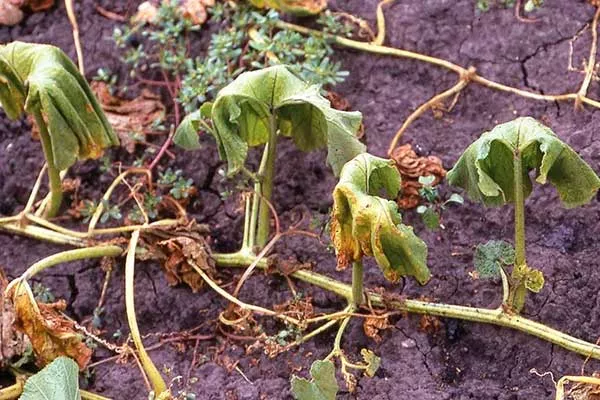
- Fusarium wilt. It can affect plants undetected for a long time. Weakening of the cucumber root system leads to the disease's development. The onset can be identified by the following symptoms: wilting of leaves, darkening of the vascular bundles of the stem, reduction in stem diameter, and yellowing of the leaves.
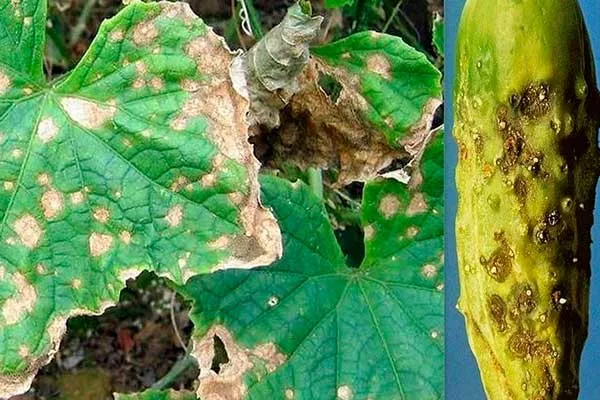
To combat fusarium, chemical and biological preparations such as Quadris, Baktofit, Gymnast and Trichodermin are used. - Ascochyta blight, also known as black rot. It manifests itself as weakening of the bushes. This disease most often occurs on greenhouse plants and appears even before fruit formation. The main symptoms include the appearance of water-soaked spots on the fruit, which eventually dry out and die.
Infected plants should be removed, and the rest should be treated with a solution consisting of chalk, copper, copper sulfate and urea, or Bordeaux mixture should be used.
| Disease | Prevention | Treatment | Waiting period |
|---|---|---|---|
| Root rot | Trichodermin 5 g/l at planting | Previcur 0.2% | 3 days |
| Fusarium | Watering the soil with Fitosporin | Fundazol 0.1% | 7 days |
| Ascochytosis | Seed treatment with TMTD | Speed 0.05% | 5 days |
| Powdery mildew | Spraying with whey | Topaz 0.025% | 3 days |
Positive and negative qualities
For those who want to try their hand at growing Emerald Placer, it is important to first familiarize themselves with its advantages and disadvantages.
Emerald Placer's drawbacks are minor and primarily related to care. The plant is demanding: it requires fertile soil and careful care, including regular watering and fertilizing. Therefore, it is recommended for experienced gardeners.
Reviews
The Emerald Rossyp cucumber is popular—it doesn't require pollinating insects to produce fruit, and it grows easily under cover. The flavor is excellent: the flesh is juicy, slightly sweet, and there's no bitterness thanks to the variety's genetic makeup.