
The June cucumber combines early fruiting, yield stability, and adaptability to a variety of growing conditions. Its high resistance to stress and disease reduces maintenance costs and improves the eco-friendliness of production. This hybrid is ideal for both home gardens and commercial greenhouses, producing delicious, crisp cucumbers all season long.
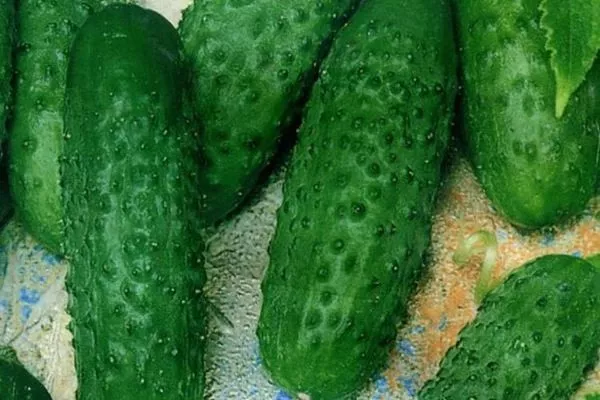
Description and origin of the June F1 cucumber variety
This relatively young hybrid was developed by Russian breeders. The cultivar was officially registered in 2015. S. V. Dubinin, A. N. Lukyanenko, and I. N. Dubinina worked on its creation.
This variety is characterized by a medium-tall, vining habit, making it suitable for both open-field and greenhouse cultivation. The moderate length of the vines facilitates care and harvesting, reducing the need for complex staking.
Agrotechnical characteristics and ripening time
The June F1 hybrid is characterized by rapid growth and early fruiting—from germination to harvest, it takes only 43-45 days. This makes it a favorite among gardeners in regions with short summers.
Features of the culture:
- The parthenocarpic flowering type allows plants to set fruit without the help of pollinators, ensuring stable yields even in unfavorable weather conditions.
- For successful cultivation, sow seeds 1-2 cm deep in fertile, loose, and well-drained soil, pre-fertilized with organic matter. Soil temperature during planting should be at least 15°C.
- Once the seedlings emerge, it's important to provide cucumbers with regular watering with warm water, adequate light, and ventilation. These measures help prevent overwatering and fungal diseases.
- To prevent overcrowding and ensure the bushes develop fully, it is important to adhere to the recommended planting density.
With proper care, timely watering, and controlled growing conditions, the hybrid consistently produces a generous harvest of strong and tasty fruits.
Morphological features of fruits and plants
The plant is of the indeterminate type and is tall – from 160 to 220 cm.
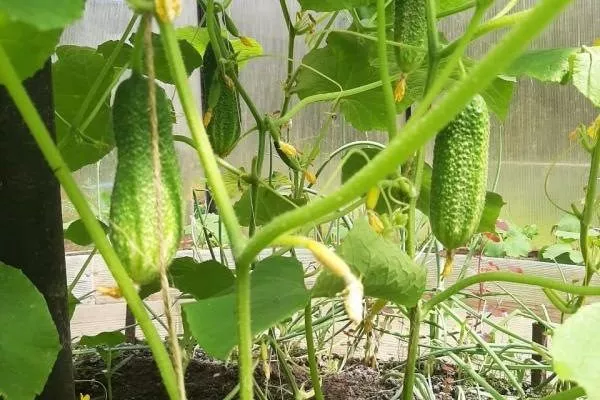
Distinguishing characteristics:
- The shoots are of medium length, the light green stem is strong and covered with light pubescence.
- The leaves are large, dark green, with noticeable venation and pointed edges.
- The flowers are predominantly female, with 2 to 4 ovaries forming in a single axil. The hybrid is self-pollinating.
- For a better harvest, it is recommended to form the bushes into a single stem, tie them to a support, and remove side shoots in a timely manner.
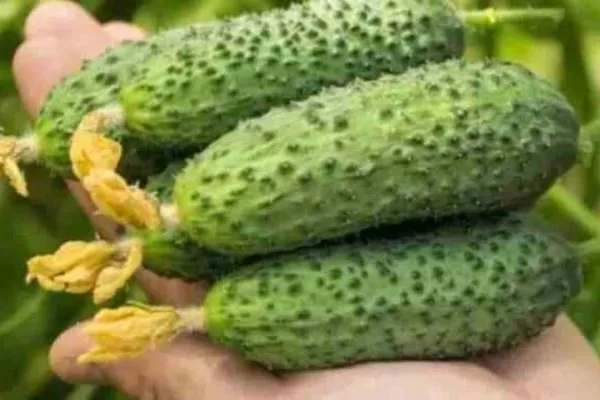
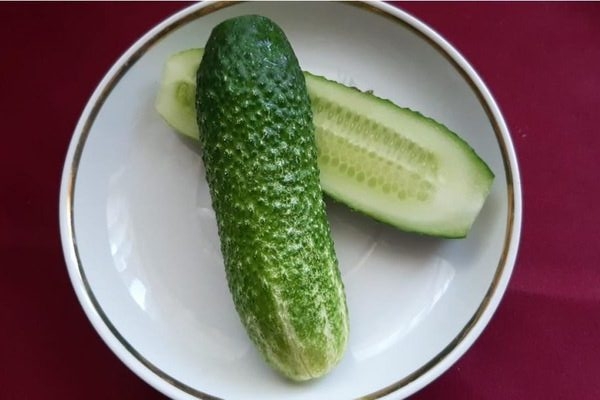
- The cucumbers are medium-sized, weighing up to 150 g each. They are elongated-cylindrical in shape, ranging from 15 to 22 cm in length and 3-3.5 cm in thickness. The surface is slightly bumpy, without sharp waves or thorns.
- The cucumber skin is firm but not rough, with a pleasant crunch when eaten. The color is bright green and uniform. The flesh is dense, juicy, and crisp, without any voids or large seeds.
The fruits are versatile: suitable for fresh consumption, pickling, marinating, and canning. Even when cooked, they retain their shape and texture, making them especially valuable for homemade preserves.
Resistance to diseases and stress factors
The June cucumber has high resistance to common diseases, making it particularly valuable in unstable climates and limited chemical use. Key features:
- The hybrid boasts genetic resistance to major cucumber pathogens, significantly reducing the risk of infection and yield losses. This advantage allows for minimal use of fungicides and other pesticides, making cultivation more environmentally friendly and cost-effective.
- Resistance doesn't mean complete immunity. If there's excess moisture, poor ventilation, or poor agricultural practices, the plant may still be susceptible to disease.
However, compared to unstable varieties, this variety maintains high immunity and produces a stable harvest even under stressful conditions. - In addition to strong immunity to infections, the hybrid demonstrates tolerance to adverse environmental factors: temperature fluctuations, lack of moisture, and sunlight. This adaptability is especially important for regions with variable weather.
Thanks to this, June remains a productive variety even when growing outside the optimal conditions, making it a reliable choice for both experienced vegetable growers and novice gardeners.
Productivity and intended use
The crop is characterized by good productivity – on average 10-12 kg per 1 sq. m, which significantly exceeds the performance of many other varieties.
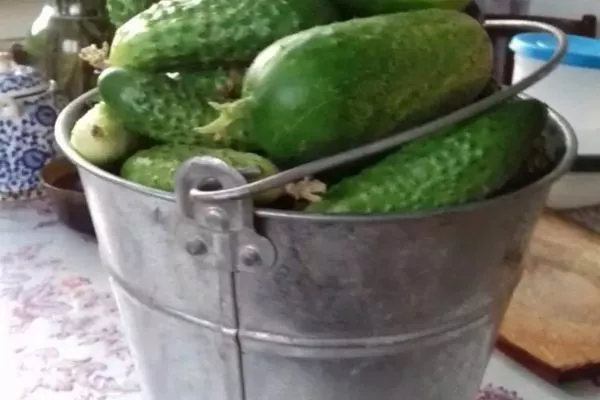
The generous yield is explained by several factors:
- early maturity;
- bouquet type of flowering;
- the ability of a plant to form multiple ovaries at the same time.
The simultaneous ripening of a large number of fruits reduces labor costs and makes harvesting more efficient. These characteristics make this hybrid popular not only in private farms but also in commercial cultivation. The high yield ensures stable production volumes at minimal cost.
Landing
To ensure healthy and productive plants, it's important to follow basic guidelines. When growing Juneberry, follow these recommendations:
- The area should be protected from the wind and well lit by the sun.
- The best predecessors for the hybrid are: onions, cabbage, potatoes, legumes, but not cucurbits (cucumbers, zucchini, pumpkins).
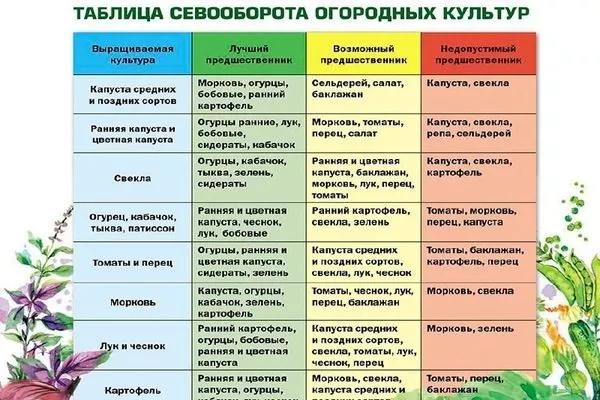
- Do not grow the crop in the same place two years in a row - this increases the risk of disease and depletes the soil.
- The soil should be light, fertile, and neutral (pH 6.5-7). Ideally, loamy soil with a high humus content is ideal.
- In the fall, after digging the bed, add humus or compost (5-6 kg per square meter), ash (200 g per square meter), and, if necessary, lime to reduce acidity. In the spring, re-cultivate the area and add mineral fertilizers: superphosphate, potassium sulfate, and urea.
Step-by-step instructions:
- Place the seeds in holes or furrows at intervals of 25-30 cm, between rows – 50-70 cm.
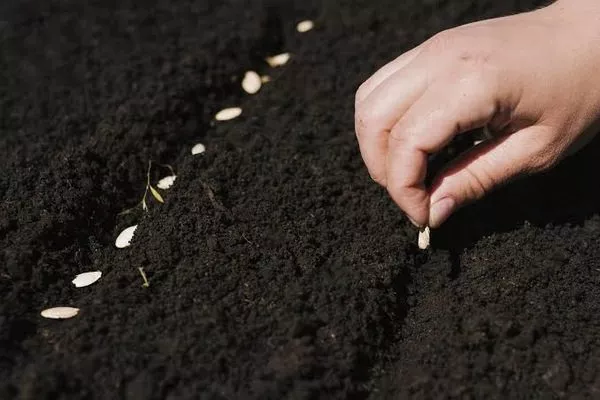
- You can grow cucumbers using seedlings: 3-4 weeks before transplanting, place the seedlings in separate cups to avoid damaging the roots. You can find more details on sowing and caring for seedlings here. Here.
- After planting, cover the beds with film or agrofibre until the seedlings appear.
If you are growing a hybrid in a greenhouse, familiarize yourself with all the intricacies of this process. Here.
Care
The June F1 cucumber is easy to grow, but to achieve a consistent and high yield, it's important to follow basic farming practices. This hybrid grows quickly and produces numerous ovaries, so it requires regular care:
- Watering. Water only with warm, settled water (22…25°C). Pour water into furrows or at the roots, avoiding contact with the leaves. Water every 2-3 days, or daily in hot weather. Avoid overwatering, as this can encourage fungal diseases.
- Top dressing. 10-14 days after planting, apply an infusion of mullein or chicken manure, and at the beginning of flowering, apply a complex mineral fertilizer with potassium and phosphorus. During the period of active fruiting, apply organic or ash solutions. Alternate between organic and mineral fertilizers. You can find more details on how to fertilize crops in a greenhouse here. Here.
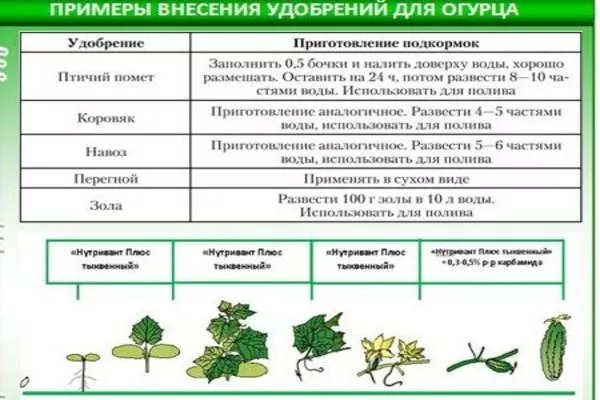
- Bush formation. June is an indeterminate hybrid, so it is better lead in one stemPinch off side shoots after 2-3 leaves. Remove lower leaves and shoots before the first ovary for better ventilation. Be sure to tie the plant to a trellis or taut twine.
- Lighting And temperature. This variety loves light: 6-8 hours of sunlight per day are required. Ventilate the greenhouse daily, especially in humid weather. Optimal temperatures are 23–28°C during the day and no lower than 15°C at night.
- Protection from diseases. The crop is resistant to most infections, but can suffer under unfavorable conditions. Read on to learn about cucumber plant diseases and how to treat them. hereFor prevention, treat the bushes with Fitosporin or Trichodermin, as well as ash and herbal infusions. Remove damaged leaves and weeds, and control humidity.
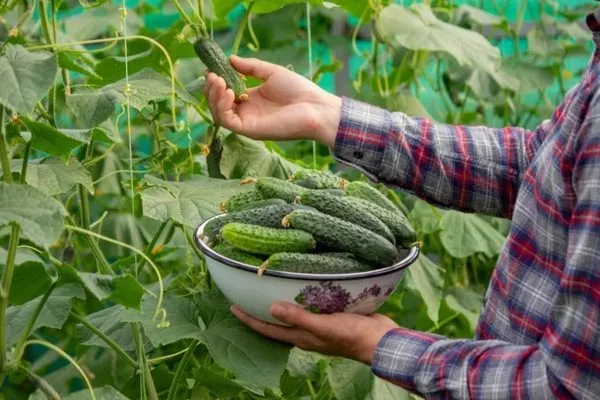
Harvest the fruit every 2-3 days to prevent it from becoming overgrown. Carefully cut or pinch off the green fruit, being careful not to damage the shoots. Regular harvesting stimulates the formation of new buds.
Pros and cons
Reviews
June is an early-ripening cucumber hybrid with good productivity and excellent drought tolerance. It has long been a favorite among gardeners for its reliability, early harvest, and delicious fruit. It thrives in both greenhouses and open ground, produces fruit reliably, and is virtually disease-free. Its ease of maintenance and versatility make it a popular choice for garden beds.