
The Khrust cucumber is an excellent choice for fresh vegetable lovers, and it's also ideal for those who enjoy canning. With a little effort and proper gardening techniques, even a novice can reap a bountiful harvest of flavorful and crunchy cucumbers.
The history of the Khrust variety
The Khrust hybrid was developed by breeders at Agrofirm Aelita LLC. Authors: N.V. Nastenko, V.G. Kachainik, and A.V. Kandoba. The hybrid variety was added to the State Register in 2006. It is approved for cultivation in the Northern, Northwestern, Central, Volga-Vyatka, Central Black Earth, North Caucasus, and Middle Volga regions.
Description of the plant and fruits
The plant has a predominantly female flowering type and a pronounced tendency to form clusters of ovaries. The leaves are rich green, large, and broad.
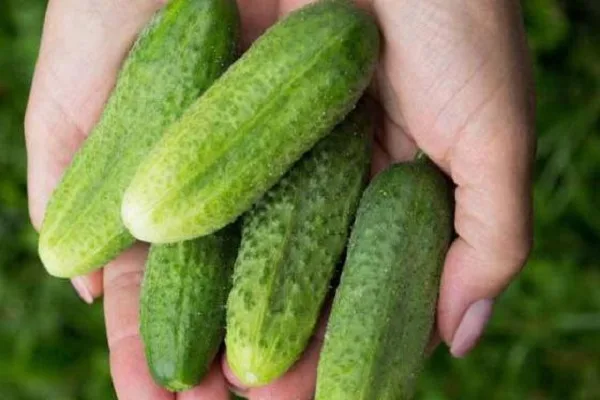
The fruits are dark green, fairly short, cylindrical, and covered with large bumps. They have white spines. Each fruit weighs 90-100 g.
Taste and purpose of fruits
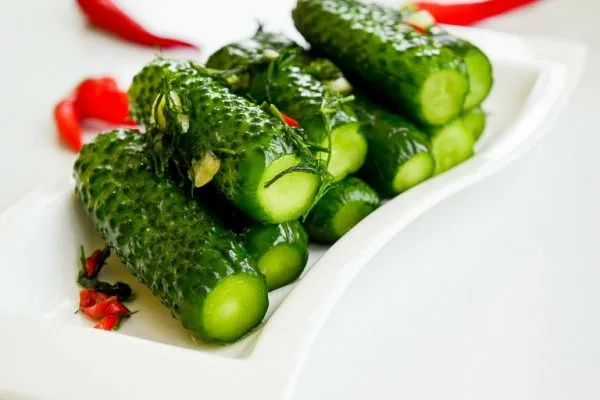
The fruits have dense, crisp flesh that is not at all bitter. The cucumbers have an excellent flavor and a distinctive cucumber aroma. This hybrid is suitable for all purposes and is delicious fresh and canned. Khrust cucumbers are delicious in salads and pickles.
Productivity and other characteristics
The Khrust variety is a mid-season variety and is bee-pollinated. It takes about 50 days from germination to ripening. The average yield is 10-12 kg per square meter. The variety is resistant to powdery mildew and root rot. Fruiting begins in July and continues until September.
Pros and cons
The hybrid variety Khrust is rightfully popular. Its key advantages include:
The variety has no disadvantages.
Landing features
The success of growing Khrust cucumbers depends largely on how well they are planted. It's important to choose the right location, time the plantings correctly, and follow the correct technique.
- ✓ The soil pH level should be strictly within 6.0-7.0 for optimal nutrient absorption.
- ✓ The organic matter content in the soil should be at least 4% to ensure sufficient nutrition for plants.
Landing features:
- The Khrust variety can be planted from seeds outdoors in late May, or from seedlings from late May to mid-June. These dates are for temperate climates; in the south, planting should be done 2-3 weeks earlier, and in the north, the same amount later.
- The hybrid grows well in level, sunny areas. It should be free of shade, drafts, waterlogging, and stagnant water.
- Optimal soils are highly fertile, loamy, well-drained, and neutral in pH. They are tilled and fertilized with organic matter in the fall. In the spring, the soil is loosened and holes or rows are dug for sowing/planting. The optimal planting pattern is 50 x 30 cm. Three to four plants are planted per square meter.
- Sow seeds for seedlings at a temperature of +25°C. Plant the seeds 0.5-1 cm deep. Transplant the seedlings when the danger of frost has passed. Plant the seeds in open ground at a depth of 1-2 cm when the soil warms to +15-+18°C.
Care instructions
The Khrust hybrid requires standard care: cucumbers are regularly watered, fertilized, sprayed for preventative purposes, loosened, and weeded.
Care features:
- Cucumbers grown outdoors are watered in the evenings, while those in greenhouses are watered in the mornings. Before flowering, water every 6-8 days; during fruiting, water every 3-4 days. The water should be warm and settled. Avoid contact with leaves and stems when watering, as this can cause sunburn.
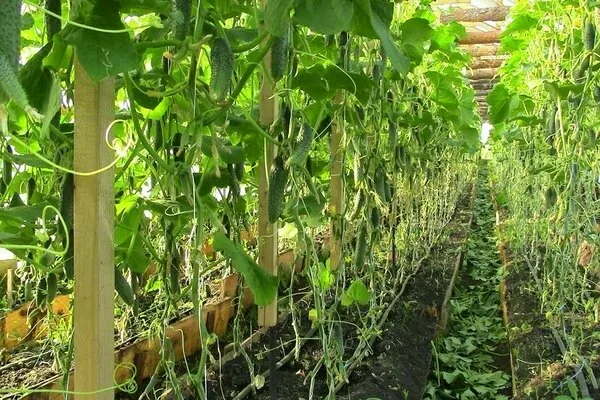
- The shoots are tied up as they grow. It's best to stretch trellises along the beds. You can also use tall neighboring plants, such as corn and sunflowers, planted earlier, as support.
- After 6-7 leaves appear, pinch off the main stem to stimulate branching of lateral shoots and increase yield.
- After watering and rain, the soil is loosened to prevent a hardened crust from forming. At the same time, the beds are weeded. They can also be mulched, for example, with straw or peat, which reduces the need for watering, loosening, and weeding.
- Cucumbers are fertilized approximately 5-6 times per season. The first feeding is done after the second true leaf appears, the second when the plants begin to bloom, and subsequent feedings are done during the fruiting stage and fruiting period. Fertilizer application frequency is once every two weeks.
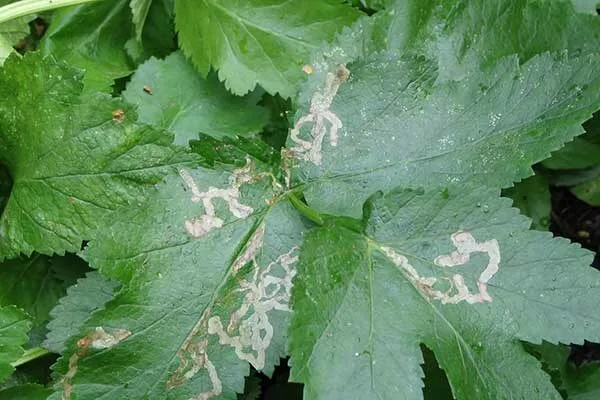
Pest and disease control
The Khrust cucumber is resistant to most fungal diseases, but can be affected by downy mildew under unfavorable conditions. This problem most often occurs due to poor crop rotation, excessive humidity, and cold water irrigation.
Harvesting
The Khrust cucumber is a mid-season variety, so the main harvest takes place in July and August. It is recommended to pick the fruits every 2-3 days. Harvesting should be done in dry weather, as damp cucumbers accumulate too much potassium and do not store well.
It's recommended to cut cucumbers at the base with scissors or pruning shears, leaving the stems attached to the vines. Pulling or tearing the fruit is avoided, as this can damage the plant's roots. Store harvested cucumbers in the bottom compartment of the refrigerator; they will stay fresh there for about a week.
Among the pests, the most dangerous to the Khrust cucumber are melon aphids, whiteflies, spider mites, and thrips. Ants, mole crickets, and black flea beetles can also cause problems. If the plant is infested by insects, treat it with Gamair, Fitosporin-M, Baktofit, and other insecticides.

Reviews
The Khrust cucumber is a very promising hybrid, worthy of the attention of our gardeners. This variety is fully capable of meeting all needs; it's tasty and productive, and its fruits are suitable for both salads and preserves.