
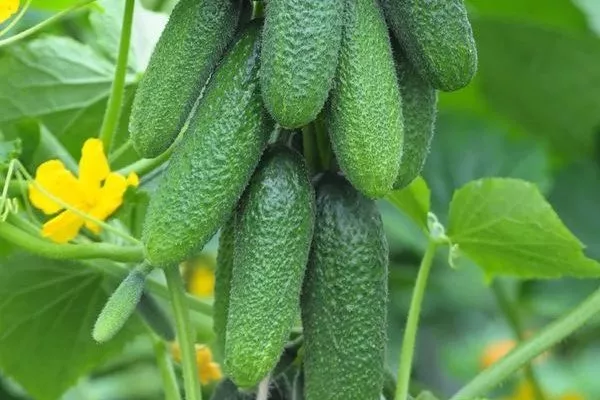
The Khitrets cucumber is a hybridized variety distinguished by its excellent marketability and taste. It is a typical parthenocarpic variety, meaning it produces fruit without the need for pollinators (bees or other cucumber varieties).
Introduction to the variety
Hitrets is characterized by rapid ripening. From the moment the first green shoots emerge from the ground until the first young fruits are harvested, it takes only 39-40 days. This variety has a long fruiting period.
This variety is resistant to stress, as well as powdery mildew, downy mildew, and other fungal diseases thanks to its hybrid nature. Furthermore, the Khitrets cucumber is also shade-tolerant.
External characteristics of the plant and cucumbers, taste
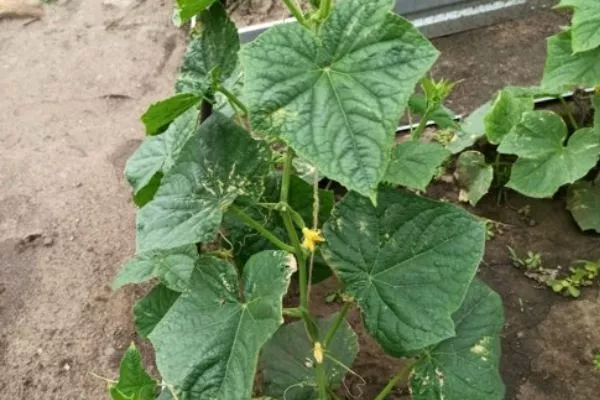
Cucumber bushes are medium-sized and have moderate branching. They are parthenocarpic, so they exhibit a female-type budding. Other characteristics include:
- The fruits are elongated-cylindrical in shape and dark green in color.
- Their length varies from 8 to 11 cm, and their weight ranges from 50 to 80 g.
- The surface is finely tuberculate and the spines are white.
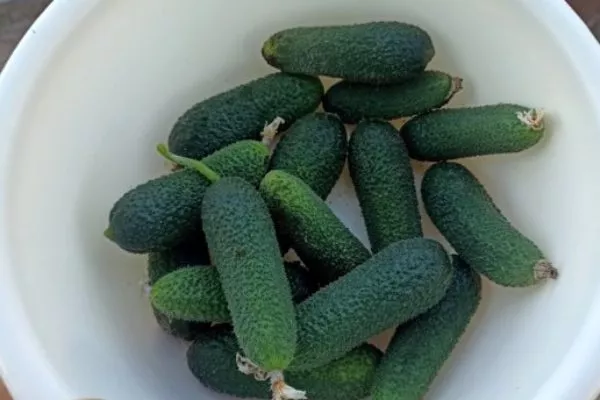
Cucumbers are ideal for pickling and preserving, as well as for fresh-picked consumption. The fruit has a juicy texture and a thin skin that doesn't require peeling. The flavor is sweet but not bitter.
Planting and care
The plant loves light and moisture, but does not tolerate direct sunlight. Therefore, choose a location for the beds that is not exposed to direct sunlight. The hybrid requires partial shade.
Consider other aspects as well:
- Soil. Cucumbers are demanding when it comes to the quality of their growing medium. Fertile, moderately loose (not too light), well-drained, and neutral soil is ideal.
- Temperature conditions. Cucumbers are heat-loving plants. Temperatures below 15-16°C cause stunted growth and even halt it. Therefore, they are often grown under plastic covers, especially during the first growing season. The cover also protects the plants from direct sunlight.
- Crop rotation. It's important to choose the right location. Good predecessors include parsley, beans, peas, corn, and onions. Bad predecessors include eggplant, zucchini, carrots, cucumbers, squash, peppers, tomatoes, and pumpkin.
Growing seedlings
Seedlings of the Hitrets plant require a lot of light, so it's recommended to use phytolamps for additional illumination. But these aren't the only requirements and rules:
- The soil for sowing should be loose, light, and well-aerated to promote the development of a strong root system. Cultivated soils with a high organic content are most suitable. Well-rotted manure, peat, humus, and compost are also good choices.
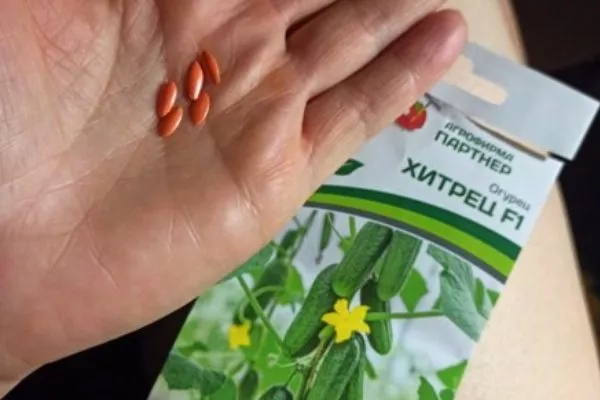
- Cucumber seeds for seedlings are sown approximately one month before transplanting them to the garden. Before sowing, soak and germinate the seedlings to speed up and improve germination. Plant the seeds no more than 2 cm deep.
- ✓ The soil should not only be loose and light, but also have high moisture capacity to prevent rapid drying out.
- ✓ The optimal soil pH for cucumber seedlings should be within 6.0-6.5, which promotes better absorption of nutrients.
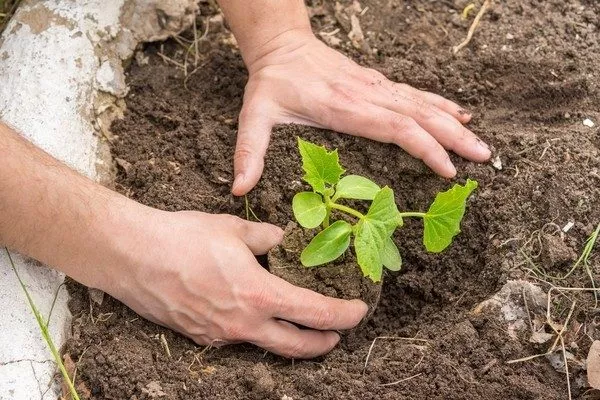
Transplanting seedlings involves a number of steps and observing certain nuances:
- Place 6-7 plants per square meter. This is quite possible with this hybrid, as the bushes don't take up much space. Furthermore, it's recommended to tie them to a trellis.
- On the day of transplanting the seedlings, make holes in the beds. Their depth should be slightly deeper than the root system of the young plants, including the root ball.
- Water the holes thoroughly.
- Plant the seedlings vertically. Sprinkle with soil and compact lightly. If the area is windy or the weather forecast is poor, be sure to install a stake near the shoot for support.
In such situations, it's recommended to use plastic covers at night. Alternatively, cover with agrofibre. - The planting pattern is simple: the distance between rows should be 25-35 cm, and between rows – 55-65 cm.
Agricultural technology
The most important thing for the Hitrets hybrid is to maintain the required soil moisture level around the central stem. Consider the following:
- Use warm water for watering.
- The optimal time for the procedure in an open garden is evening, and in a greenhouse – morning.
- Before budding, water the cucumbers every 6-10 days, and during the fruiting period, water them every 3-4 days.
- It is important to direct the water from the watering can so that it does not fall on the leaves and stems, which will help prevent sunburn.
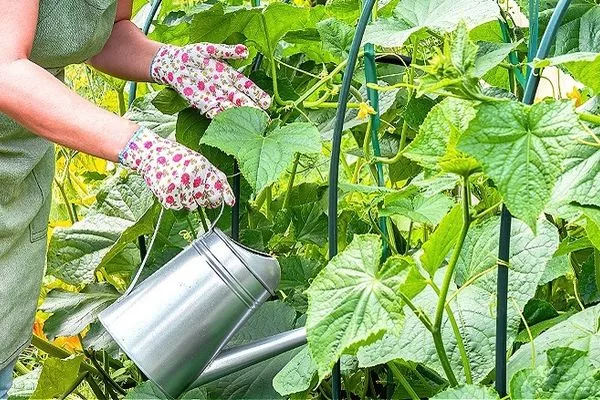
Tie the stems to supporting structures as needed. Therefore, arrange them on trellises or near tall crops planted in advance, such as corn and sunflowers.
Pay special attention nutrition:
- Fertilize the soil 5-6 times during the entire period of their development:
- The first time is when the second true leaf appears.
- The second is at the beginning of budding.
- The third, fourth and fifth – during the period of vegetable setting and fruiting, with an interval of 15 days.
- First feeding: 2 weeks after planting the seedlings, using a complex mineral fertilizer with a predominance of nitrogen.
- Second feeding: at the beginning of flowering, with an increase in the dose of potassium and phosphorus to improve fruit set.
- Third feeding: during the period of active fruiting, with an emphasis on potassium fertilizers to improve the quality of the fruit.
Reviews
The Hitrets hybrid, being the result of hybridization, is considered resistant to various adverse conditions, boasting excellent fruit production and versatility in both use and planting. The key is to follow proper cultivation practices and strictly monitor humidity, preventing stagnation of water.