
The Khabar cucumber is an excellent choice for those looking for a consistent and abundant harvest of delicious fruit with minimal effort. It's renowned for its high yield, disease resistance, and excellent flavor. With minimal care and proper maintenance, you can harvest a good amount of cucumbers.
Introduction to the variety
This variety is popular with both gardeners and small farmers. It boasts strong immunity, excellent productivity, good taste, and an attractive presentation. These qualities make it an excellent choice for both personal use and commercial sale.
Originators
The following domestic breeders worked on the creation of the variety: Arshina G.K., Yurechko T.K., Kuzmitskaya G.A., Migina O.N., Zolotareva E.V. It was approved for use in 2000.
External characteristics of the plant and cucumbers
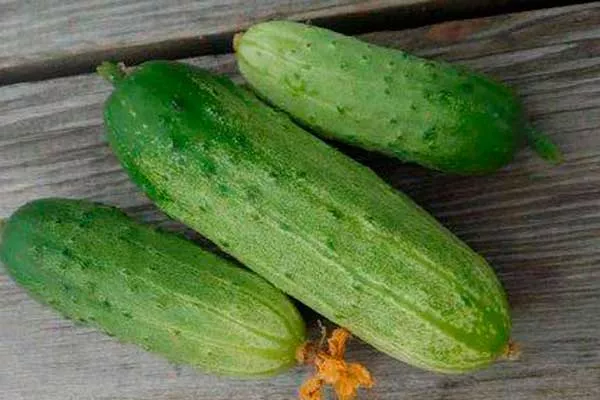
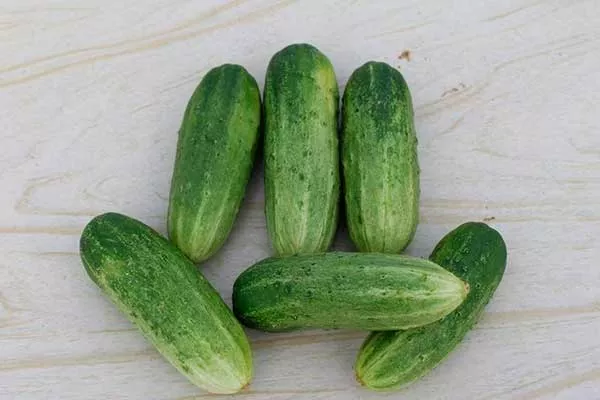
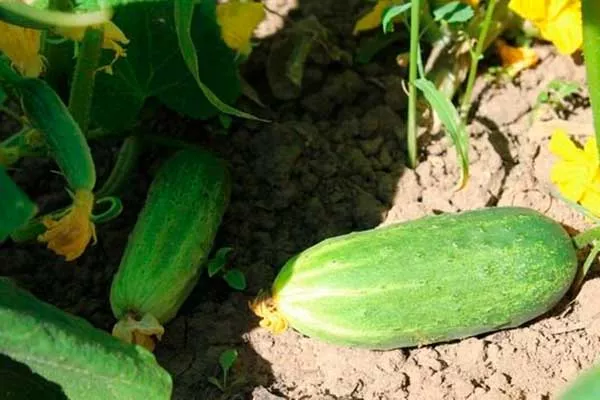
The tall, indeterminate bushes are covered with medium-sized, dark green, slightly wrinkled leaves. The fruits are elongated and ovate. The skin is large, tuberculate, green, with light stripes and small, rounded spots. The cucumbers reach 10.7 cm in length and average 92-98 g in weight.
Taste and purpose
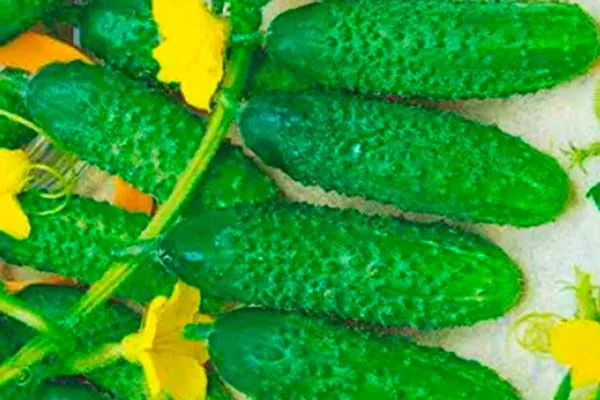
The traditional cucumber flavor, without the bitterness, makes this vegetable ideal for salads. The tender flesh of pickled and salted cucumbers receives rave reviews. They are suitable for various culinary experiments, which is one of the main advantages of this variety.

When ripe, the yield
Khabar is an early variety with a relatively high yield. Gardeners harvest approximately 3.9 kg of fresh vegetables per square meter of planting per season.
Growing rules
When growing the crop, it's important to follow certain recommendations. These include seed sowing timing, site selection, and preliminary preparation. Overall, cultivating the crop is straightforward.
Sowing dates
Seedlings are planted in open ground or seeds are sown directly. If the latter method is chosen, proceed after the threat of frost has completely passed and the soil temperature is between 15°C and 20°C. At night, the temperature should not drop below 8°C.
If you choose the seedling method, begin growing the planting material in late April or early May. Once the cucumbers are 20-25 days old, transfer them to their permanent location – outdoors.
Selecting a location and preparing beds
Before planting outdoors, select and prepare a site. Since Khabar cucumbers are heat-loving, the site should receive direct sunlight. Choose a location protected from strong winds.
- ✓ Soil pH should be between 6.0-6.8 for optimal growth.
- ✓ The soil should be well drained to avoid water stagnation.
Begin preparing the soil in the fall. Carefully inspect the area, remove all debris, dig over the soil, and clear away any weeds. Keep in mind that the crop doesn't grow in acidic soil, so add lime.
How to sow in open beds correctly?
Sow seeds in prepared furrows to a depth of 1.5-2 cm. The distance between adjacent rows should be 50 cm, and between plants – 30 cm. Dry seeds can be sown in both dry and moist soil, and sprouted seeds should only be sown in pre-moistened soil.
Growing using seedlings
Plant the seedlings in open ground on the 20th to 25th day, when four leaves have emerged. Make furrows or holes in the prepared soil and plant the seedlings to a depth of 1.5 to 2 cm. Leave a distance of 50 cm between adjacent furrows.
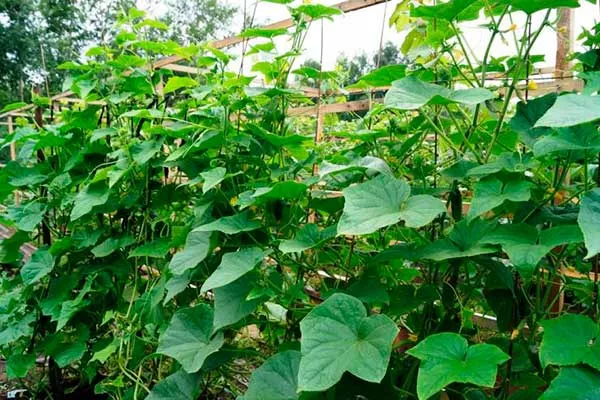
Thin out the seedlings after the first leaves appear. The Khabar variety has very long vines, which can lead to mutual suppression of the bushes, so the optimal number of bushes per square meter is 4. If the plantings are too dense, thin out by simply pruning the plants.
Aftercare of cucumbers
During the growing season, provide the crop with quality care to ensure a good harvest. Follow these basic agricultural practices:
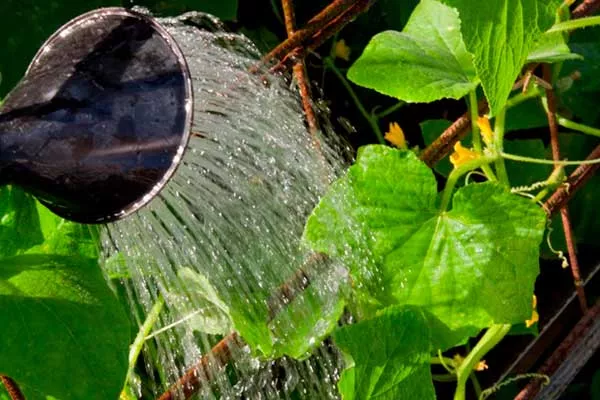
- Watering. Moisten the soil regularly. Until the fruits form, water once every five days, using 1 liter of warm, settled water per plant. Once fruiting begins, increase the volume and frequency of watering to 2.5-3 liters per plant every three days.
- Weeding. Weed carefully to avoid damaging the root system in the upper soil layers. While loosening the soil, hill up the bushes.
- Top dressing. For healthy cucumber growth, 2-3 applications of fertilizer per season are sufficient. Apply the first fertilizer 15 days after planting, then every two weeks.
Apply fertilizer to moist soil at the roots during warm, sunny weather, as nutrients are otherwise not absorbed. It's best to combine mineral fertilizers with organic matter.
- Apply complex mineral fertilizer 15 days after planting.
- Every two weeks, feed the plants with a mullein solution (1:10).
- During fruiting, increase the frequency of feeding to once a week.
To feed the crop, use the following mineral fertilizers per 10 liters of water:
- 20 g urea + 60 g superphosphate;
- 10 g ammonium nitrate + 10 g superphosphate + 10 g potassium salt;
- 200 g of ash;
- 30 g of potassium nitrate.
Use the following organic fertilizers diluted with water:
- fresh chicken manure (1:15);
- cow or horse manure (1:6);
- infusion of green grass (1:10);
- two-day infusion of rotted hay (1:1).
Use ready-made fertilizers. Vegetable growers recommend Agricola – it contains a full range of micronutrients, is chlorine-free, and can be used throughout the season. The Dobraya Sila concentrate is effective – it stimulates flowering, ripening of cucumbers, and boosts the plant's immunity.
Cleaning and storage features
Harvest the greens regularly, approximately every 1-2 days, to prevent them from becoming overripe and to encourage further development. Pick the fruits when they reach 8-10 cm in length, as this ensures optimal flavor and texture. Use a sharp knife or pruning shears to carefully cut the vegetables.
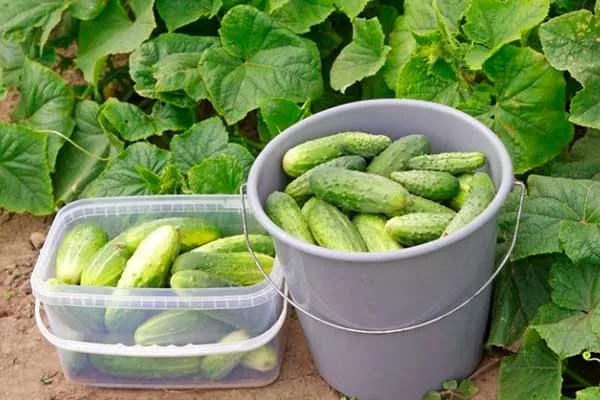
Cucumbers are best eaten fresh, as they have excellent flavor and aroma. If you need to store them for a while, follow these guidelines:
- Place vegetables in a plastic bag or container and store in the refrigerator. Stored this way, they can stay fresh for up to 7-10 days.
- For long-term storage, preserve the cucumbers. Various preservation methods are available, including pickling, salting, and canning. This will preserve the fruit's flavor and texture for a long time.
- Although frozen cucumbers may lose their crispness, they are often used in prepared dishes. To freeze, wash and chop the vegetables thoroughly, blanch them, cool them, and then freeze them in bags or containers.
Proper harvesting and storage will help preserve the quality of cucumbers and ensure they can be used for a long time.
Positive and negative qualities
Khabar is a bee-pollinated variety and is ideal for open-ground cultivation. It grows successfully even in regions with harsh climates. It has many other advantages:
Vegetable growers note the presence of prickly spines on the skin as one of the disadvantages. Furthermore, yield depends on soil composition.
Reviews of Khabar cucumbers
The Khabar cucumber has gained popularity thanks to its excellent characteristics and ease of care. Recognized for its early maturity and high yield, this variety is suitable for both open ground and a variety of climates. Gardeners choose it for both small and large plots. Proper care is essential.