
The Gourmet cucumber is a unique hybrid variety that has gained popularity among gardeners due to its excellent taste and impressive yield. It has become an indispensable choice for those seeking an early and consistent harvest. It's important to learn its key characteristics, growing guidelines, and care to achieve the best results.
Introduction to the variety
This hybrid stands out for its excellent taste and good productivity. It was specifically bred for cultivation under temporary plastic covers and is successfully grown in plastic and polycarbonate greenhouses.
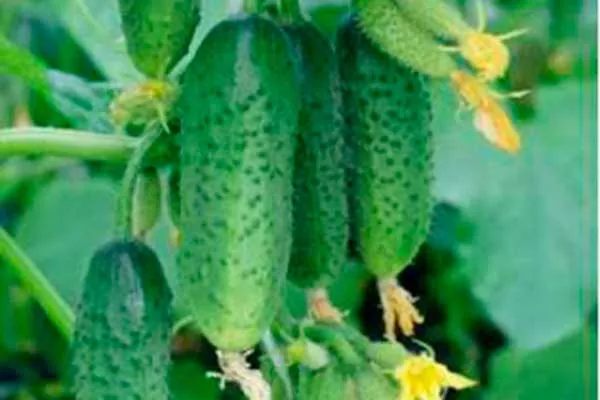
This is an early-ripening variety. It takes 45-50 days from germination to fruiting. Fruiting begins in July-August. The average yield is 11.1-12.4 kg per square meter.
Information about origin
The variety was included in the register of approved varieties in 2015. The originator is the N.N. Timofeev Breeding Station, LLC, and it is approved for cultivation in all regions of our country.
External characteristics of the plant and cucumbers
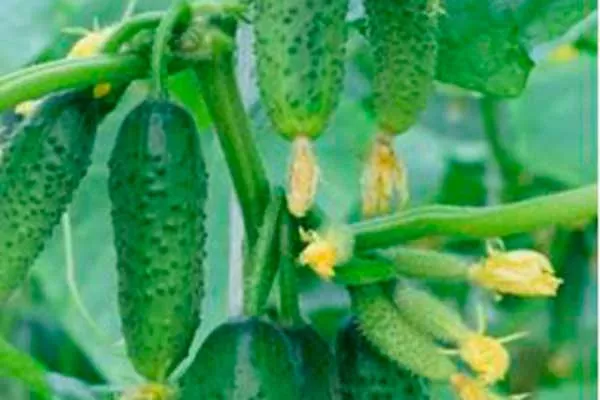
The bush is characterized by strong branching and a mixed flowering pattern. The fruits reach 13-16 cm in length and weigh 70-75 g. They are cylindrical, dark green in color, and feature light stripes.
Purpose and taste of fruits
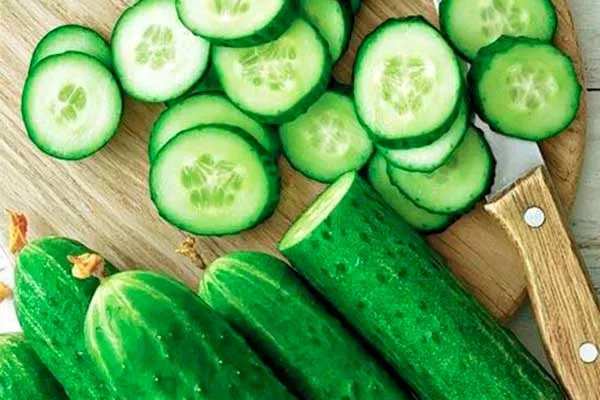
The Gourmet cucumber is an excellent choice for lovers of fresh vegetables. This variety is ideal for salads and boasts excellent flavor thanks to its aroma and sweetness. The vegetables have a pleasantly crunchy texture.
Growing and care
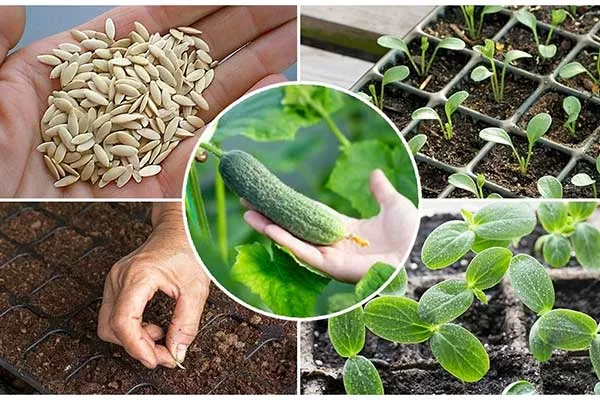
Cultivating the crop requires careful attention to timing and conditions to ensure a good harvest. When sowing seeds, follow these steps:
- Carry out the procedure when the soil warms up to 15°C and the danger of frost has passed, usually in late May or early June. Dig over the beds and fertilize them with organic matter (humus, compost).
- Sow seeds in rows according to the 100x35 cm pattern, to a depth of 2-3 cm.
- Moisten the soil with warm water.
- If there is a risk of frost, cover the crops with film until the shoots appear.
- ✓ The optimal soil temperature for sowing seeds should not be below +15°C, which is critical to prevent seed rotting.
- ✓ The distance between plants must be strictly maintained (30-40 cm) to ensure sufficient space for growth and air circulation.
Follow the recommendations for the seedling method:
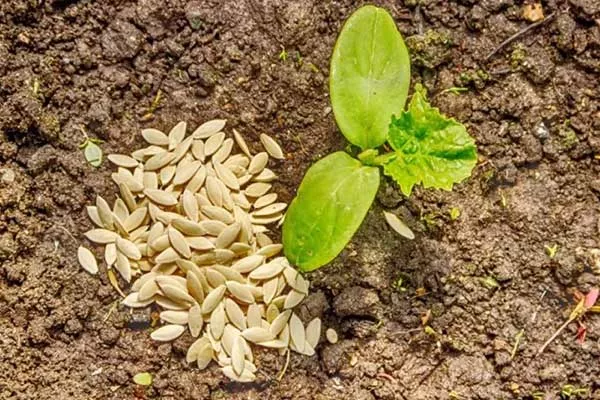
- Sow seeds for seedlings in April-May. The seedlings are ready for transplanting 25-30 days after emergence.
- Choose a well-drained location with fertile, light soil. A site with full sun in the morning and partial shade in the afternoon is ideal. Practice crop rotation: don't plant cucumbers in the same spot more than once every four years.
- Sow seeds for seedlings in peat pots at a depth of 2-3 cm. The soil should be moist and maintained at a temperature of 25-27°C until germination. Then, lower the temperature to 20°C. The room should receive at least 15 hours of light per day.
When 2-3 true leaves appear on the plants, transplant them into open ground or a greenhouse. - Plant seedlings in prepared beds with humus to a depth corresponding to the soil level in the seedling pots.
- Place plants at a distance of 30-40 cm from each other.
- After planting, water the plants and, if necessary, cover them with film for the first time to protect them from temperature changes.

Caring for the crop involves several key steps that will ensure healthy growth and a high yield. Follow these simple steps:
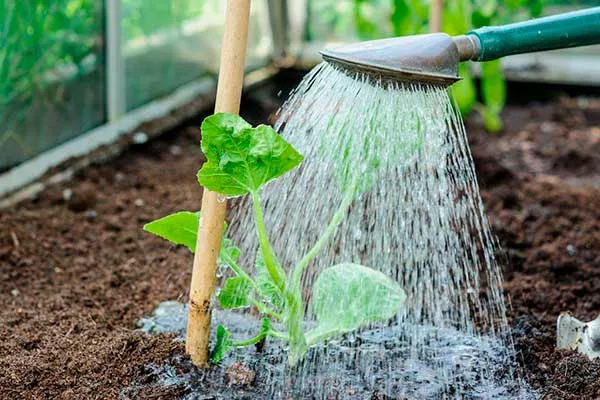
- Watering. The bushes require regular and abundant watering. Keep the soil moist but not oversaturated. Water the seedlings at the roots, avoiding contact with the leaves. Frequency depends on the weather: every 2-3 days on hot days, once a week on cool days.
During the flowering and fruiting period, watering should be especially abundant.
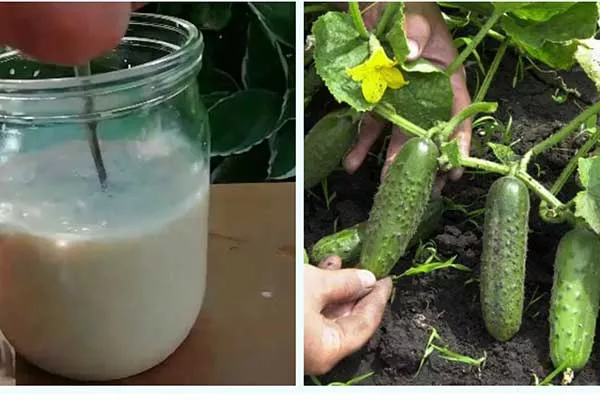
- Top dressing. For good growth and fruiting, bushes require frequent fertilization. Apply the first fertilizer two weeks after planting. Use an infusion of mullein or chicken manure. After two weeks, apply complex mineral fertilizers, such as superphosphate and potassium fertilizers.
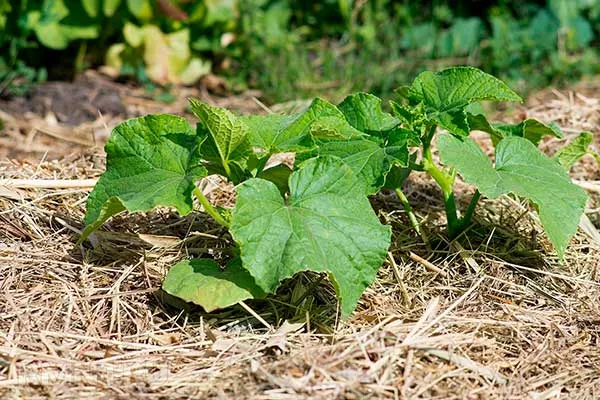
Apply 3-4 fertilizers during the season, alternating organic and mineral fertilizers. To improve fruiting, use wood ash and herbal infusions. - Loosening and mulching. Regularly loosening the soil improves oxygen access to the roots and prevents surface crust formation. Mulching (for example, with straw or humus) helps retain soil moisture and reduces weed growth.
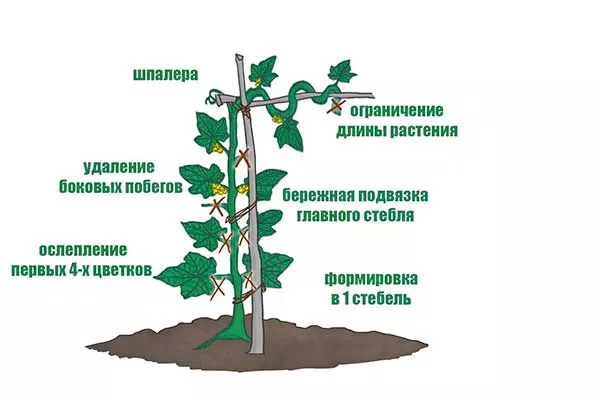
- Formation of plants. To improve air circulation and simplify maintenance, tie the bushes to a vertical trellis. Remove side shoots up to the first node to encourage growth of the main branches and improve light access.
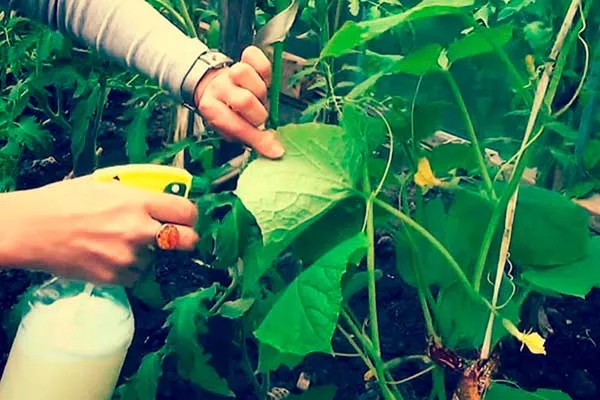
- Protection from diseases and pests. Inspect your plants regularly. To prevent diseases, use biological products such as Trichodermin or onion peel infusion.
Treat bushes with fungicides at the first sign of disease, such as fusarium wilt, ascochyta leaf spot, or white rot. To combat pests, use infusions of garlic, mint, and thyme.
Harvest the greens regularly as they ripen to encourage further fruiting. Avoid overripening them, as this can reduce their flavor and overall yield.
Reviews
The Gourmet cucumber is an ideal choice for gardeners seeking an early, high-quality harvest. Thanks to its excellent taste, good productivity, and low maintenance requirements, this variety has earned the recognition of fresh vegetable lovers. By following the planting and care recommendations, you'll be able to harvest juicy, crisp cucumbers all season long.