
Gunnar cucumbers are an ideal choice for those who prefer low-maintenance care and generous harvests with excellent flavor and a long fruiting period. Proper agronomic management will help you get the most out of this hybrid. By following the care recommendations, you'll be able to harvest delicious cucumbers all season long.
Introduction to the variety
Dutch-bred hybrids are popular among Russian gardeners. The Gunnar variety is one of the most sought-after early-ripening varieties.
Originators
The crop was developed in the Netherlands by the breeding and seed company Enza Zaden. In a relatively short time, the hybrid has become widespread and very popular in the post-Soviet space.
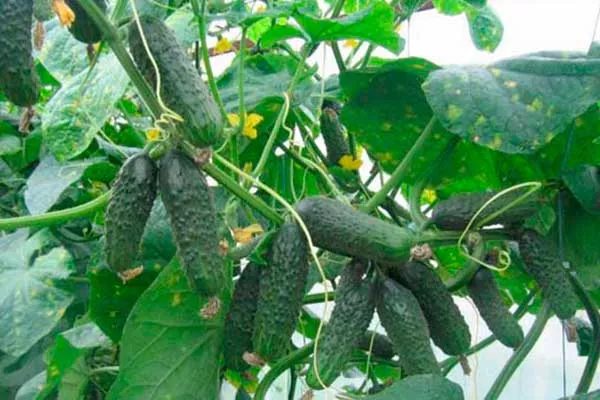
In 2014, it was officially registered in the State Register of Russia and recommended for cultivation in protected soil conditions (all types of greenhouses) in spring-summer and summer-autumn rotations.
- ✓ Flowering type is exclusively female, which contributes to high yields.
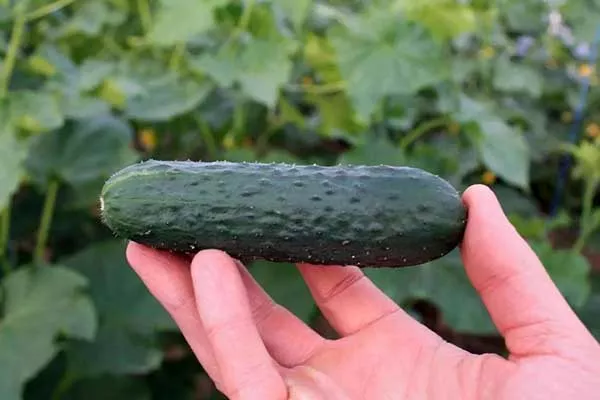
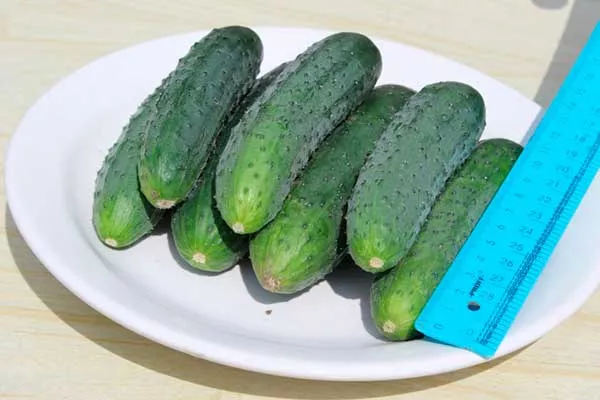
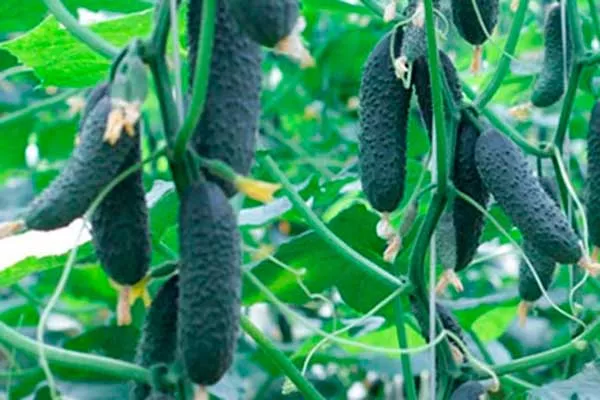
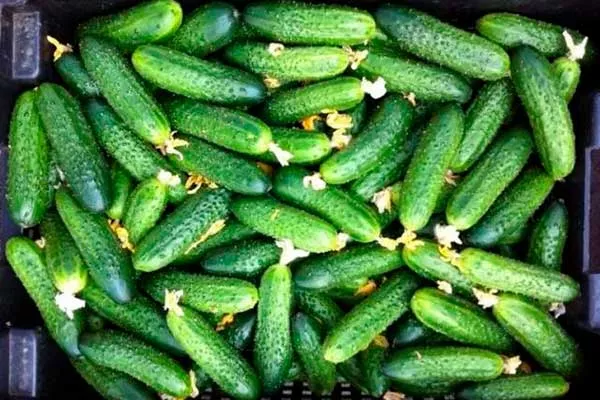
- ✓ The fruits have a thin skin and a large, tuberculate surface, which is a distinctive feature of the variety.
Features of bushes and fruits
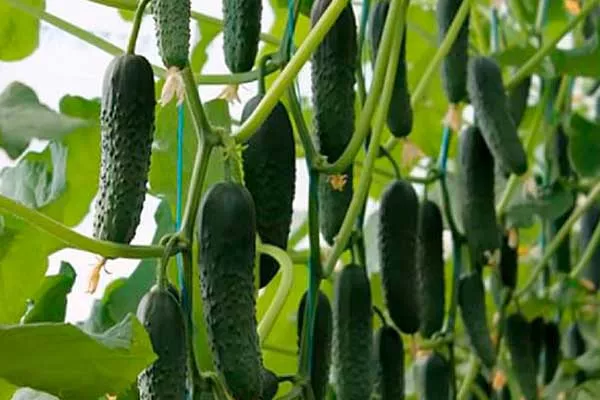
The plants are indeterminate, cluster-bearing, with clusters of 2-4 fruits. The flowering type is female. The shoots are covered with medium to large leaves, colored a rich dark green.
Taste and purpose
The cucumbers have a good flavor, without bitterness. They are versatile: they are excellent for canning, pickling, and making fresh salads. They are also eaten fresh.
Benefits, properties
Cucumbers contain 95% beneficial structured water, which helps remove toxins and heavy metal salts from the body through the kidneys.
Regular consumption of fresh fruit promotes gentle bowel cleansing thanks to its dietary fiber. This improves digestion, removing toxins and excess cholesterol.
Fresh cucumbers are recommended for:
- therapeutic nutrition for diseases of the liver, kidneys and gastrointestinal tract;
- dietary nutrition for obesity;
- prevention of cardiovascular diseases;
- elimination of cholesterol plaques on the walls of blood vessels;
- reducing the effects of high physical exertion and chronic fatigue.
Cucumbers are beneficial for those trying to lose weight, as they are tasty and low-calorie. For prevention, people can have "cucumber" fasting days, which normalize metabolism and eliminate excess fluid and salts. The calorie content of cucumbers is only 15 kcal per 100 g.
Ripening time
This variety is mid-season. It takes an average of 38-40 days from germination to fruiting.
Productivity
Gunnar is a high-yielding hybrid. On average, 20.8 kg of fruit are harvested per square meter per season. When grown in unheated glass greenhouses, the average yield is 8.9 kg per square meter. Fruiting is abundant, continuous, and long-lasting.
Optimal growing conditions
Plants are grown in greenhouse conditions using glass, polycarbonate, or film covers. Follow these recommendations:
- The optimal height of a greenhouse is at least 2 m.
- High crop yields are achieved in protected and nutritious soil.
- In the southern regions, this cucumber variety is grown in open areas, which reduces yield by 1.5 times.
- The hybrid is considered medium-sized, but sometimes the bushes grow tall, so tie the shoots to trellises to maintain the quality and quantity of fruits.
- To create an optimal microclimate, equip your greenhouse with an automatic ventilation system and drip irrigation, which maintains the required soil and air humidity.
- To ensure that the bushes are strong and succulent, provide them with regular root feeding with mineral mixtures and organic fertilizers that enrich the soil with nutrients.
- Cultivate the hybrid by sowing seeds directly into the ground or using seedlings. Before sowing, soak the seeds in a root growth stimulant. The seedling soil mixture should be fertile, light, and well-drained.
- For seedlings, use plastic cups or small pots, sowing the seeds to a depth of approximately 2 cm. Maintain the soil temperature between 25-28°C before sowing and during the growing season. Under these conditions, the first shoots will appear in 3-7 days.
- ✓ Optimum soil temperature for seed germination: +25-28°С.
- ✓ Required daylight hours for seedlings: at least 10-12 hours.
Once the seedlings emerge, reduce the soil temperature to 15-25°C. Natural light should be sufficient for seed germination – at least 10-12 hours. If light is insufficient, use phytolamps.
Growing technology
Growing this crop is quite simple and convenient. The bushes are compact and have short lateral shoots, and the seeds have a good germination rate. It's important to follow certain guidelines and the recommendations of experienced vegetable growers.
Direct planting in open ground
Sow seeds in garden beds in late May or early June, when the soil has warmed up well and the temperature has stabilized at 17-20°C. To stimulate fruit set, improve the soil's nutritional value.
Before sowing, add mineral supplements (ammonium phosphate at a rate of 25 g per square meter) and organic matter (peat and humus). If the soil is highly acidic, add dolomite flour. The timing of sowing depends on the type of greenhouse:
Algorithm for sowing seeds directly into the soil:
- After preparing the soil, make holes 20 cm apart and water them moderately. The distance between rows should be approximately 1.4 m.
- Place 2 seeds in each hole.
- After sowing, cover each hole with a layer of humus (approximately 1.5-2 cm).
Until the first shoots appear, cover the holes with cut-off plastic containers or transparent film. If sowing in greenhouses, no additional covering is necessary.
Growing using seedlings
To avoid the need to transplant seedlings, sow the seeds directly into individual cups or other containers. Fill the containers with prepared and disinfected nutrient-rich soil, which should be slightly acidic and have excellent drainage.
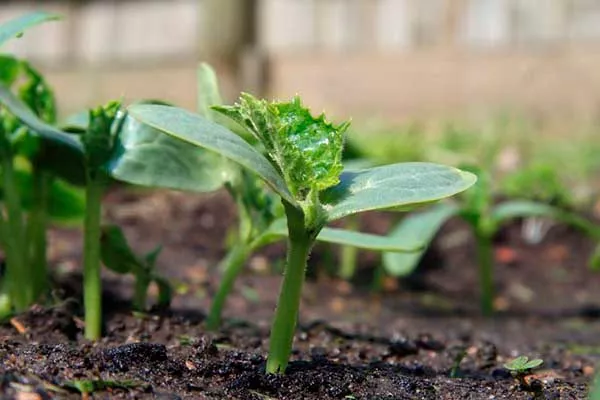
Step-by-step instructions:
- Make drainage holes at the bottom of the containers.
- Fill the cups 1/3 full with fine drainage material (crushed eggshells, fine expanded clay or brick chips), then add soil.
- 5 days before sowing, treat the soil with a solution of Fitosporin to eliminate pathogenic microorganisms and pest larvae.
- Sow 2 seeds into each container at a depth of 1.5 cm and cover with a transparent cover to create greenhouse conditions.
- Place the cups on a windowsill with diffused light.
- Maintain a room temperature of 18-20°C until the first shoots appear. Both higher and lower temperatures can harm the plants.
- When the first shoots appear, remove the covering completely.
- Plant the seedlings in a permanent location when the plants reach 25-30 days of age and have formed 4-5 true leaves.
- If there is insufficient light, use phytolamps (daylight hours should be at least 10 hours).
Transplant seedlings only into well-warmed soil, the temperature of which should not be below +20°C.
Caring for cucumbers after planting
To get a good harvest from this early-ripening cucumber variety, you need to provide the plant with proper care. This includes simple agricultural practices.
Watering and fertilizing
This plant is easy to grow, but proper care is essential for bountiful harvests. Follow these steps:
- Watering. Water the plants only with warm, settled water, directly at the roots. Do this in the morning or evening. Watering during hot weather is not recommended, as water on the leaves can cause burns and weaken the plant.
Frequency depends on the weather: in hot and dry weather, water once a day or every other day, and in cooler weather, 2-3 times a week. A drip irrigation system, which maintains the desired soil and air humidity, is the optimal solution for greenhouses. - Top dressing. Two weeks after transplanting, use a manure solution (1 liter per 9 liters of water) or a urea solution (20 g per 10 liters of water). Before flowering, apply a solution consisting of 10 liters of water, 20 g of urea, 20 g of potassium salt, and 40 g of superphosphate.
After the fruit sets, apply a nitroammophoska solution (20 g per 10 liters of water). Two weeks after the third feeding, apply potassium or mineral fertilizers, such as Humate and Radipharm.
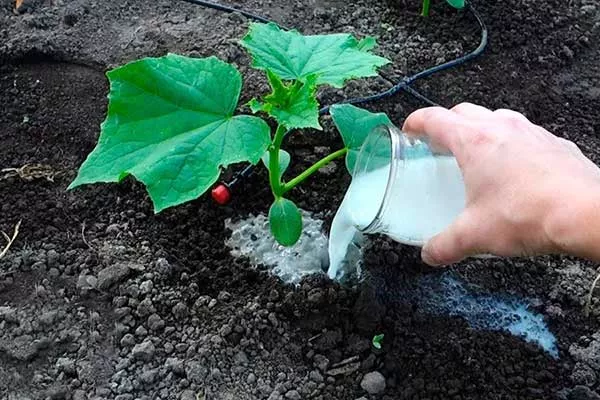
Regular fertilization and maintaining optimal watering conditions will help you get a high cucumber harvest.
Garter and shaping the bush
This hybrid is characterized by fruit formation on a single main shoot. To achieve good yield, properly shape and tie the shoots:
- Remove all side shoots and buds that appear within 5-8 internodes from the soil. Only buds that are above this distance should be retained.
- Remove lower, dying foliage. Perform this procedure in the morning before sunrise or in the evening after sunset to reduce stress on the plants.
- Use netting for staking. Wrap the stem around the large mesh openings and guide it upward. The netting should be at least 2 m high to provide support for the plant and allow it to grow vertically. In greenhouses, install the netting at the same height as the greenhouse itself.
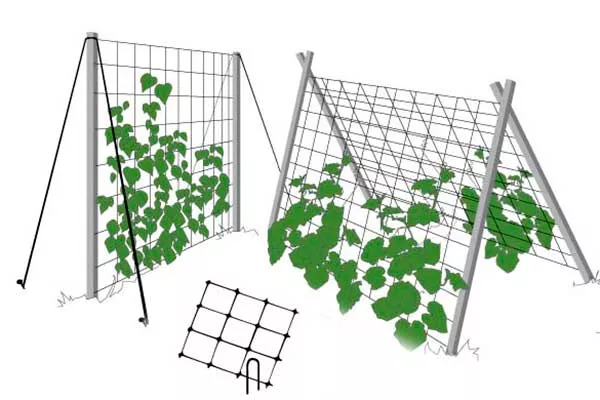
Following these recommendations will help ensure proper growth and development of the bushes.
Soil work
To maintain healthy soil, regularly loosen the soil after watering or rain. This will help prevent cracks and retain moisture. Regularly remove weeds, which can compete for nutrients and carry diseases and pests.
Pests, diseases, possible problems and their solutions
When proper cultivation practices are followed in greenhouses, bushes remain protected from diseases and pests. However, when grown outdoors, they can be susceptible to fungal diseases:
- Powdery mildew. May reduce crop yields by half.
- Downy mildew. Capable of destroying all plantings.
To combat diseases, maintain optimal temperature and humidity conditions and carry out preventative treatments with special preparations.
Melon bushes can be attacked by aphids and spider mites. Treatments with tobacco, garlic, and other specialized solutions are effective for controlling them.
How to collect and store?
Harvest the fruit approximately one month after planting. Pick the first fruits before they reach their full size, which reduces stress on the plants and stimulates new fruit formation. Harvest early in the morning or late in the evening to preserve moisture, firmness, and crunch.
Positive and negative qualities
Experienced gardeners recommend carefully examining the advantages and disadvantages of these crops before planting them. The Gunnar variety has many advantages:
Gardeners note that the plant's negative qualities include its need for watering and fertile soil. During prolonged droughts, the fruit may develop hollows.
Reviews
Gunnar is one of the most popular and productive cucumber hybrids on the market, especially among gardeners seeking a bountiful, high-quality harvest. This variety is characterized by excellent productivity and resistance to various diseases. It's important to understand the specifics of its cultivation, including agronomic techniques and care recommendations.