
Dutch breeders are developing cucumber hybrids that boast good germination, disease resistance, and early ripening. The fruits have excellent taste and marketability, as these hybrids are obtained by crossing strong varieties. So, what are the best cucumbers for growing in greenhouses and in open beds are discussed further in the article.
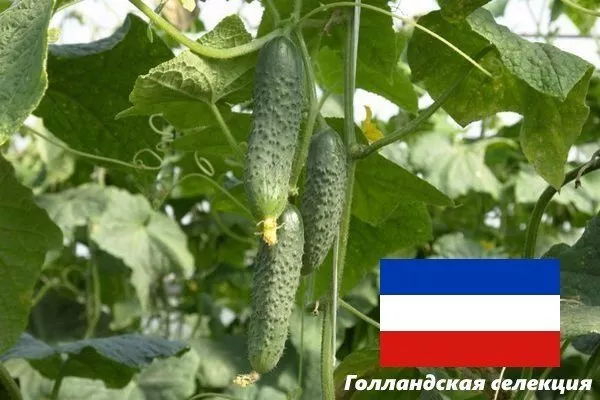
Hybrids that do not require pollination
The main distinguishing feature of these cucumbers is that they require no insect pollination, as all flowers develop according to the female type. These vegetables are ideal for indoor cultivation (in various types of greenhouses), but can also be grown outdoors. It is recommended to apply mineral and organic fertilizers to the bed before planting.
- ✓ The soil temperature for planting should be at least +12°C.
- ✓ The optimal soil moisture for cucumbers is 70-80% of the total moisture capacity.
Summary table of the main characteristics of parthenocarpic hybrids:
| Hybrids | Growing season, days | Fruit length, cm | Fruit diameter, cm | Fruit weight, g | Yield, kg/sq.m |
| Angelina F1 | 43-45 | 12-14 | 3.0-3.5 | 80-109 | 25.0-28.0 |
| Alex F1 | 38-42 | 9-11 | 3.0-4.4 | 70-90 | 5.0-8.0 |
| Amur F1 | 36-40 | 12-15 | 3.0-4.0 | 91-118 | 12.0-14.0 |
| Herman F1 | 38-40 | 8-10 | 3.2-3.8 | 70-100 | 16.0-20.0 |
| Gunnar F1 | 38-45 | 12-14 | 3.0-4.0 | 80-120 | 12.0-18.0 |
| F1 Director | 45-50 | 10-14 | 3.5-4.0 | 65-80 | 2.6-3.6 |
| Dolomite F1 | 38-40 | 10-14 | 3.5-4.0 | 80-100 | 4.5-5.0 |
| Madita F1 | 40-45 | 10-12 | 2.8-3.6 | 90-110 | 7.5-8.0 |
| Pasadena F1 | 48-53 | 6-9 | 2.9-3.2 | 60-90 | 11.1-14.0 |
| Name | Disease resistance | Soil requirements | Ripening period |
|---|---|---|---|
| Angelina F1 | High | Balanced composition | Early |
| Alex F1 | Immunity to powdery mildew and cladosporiosis | Not demanding | Ultra-early |
| Amur F1 | Good | Nutritional composition | Ultra-early |
| Herman F1 | Disease resistant | Unpretentious | Ultra-early |
| Gunnar F1 | Resistant to diseases | Resistant to salinity | Ultra-early |
| F1 Director | Disease resistant | Not demanding | Early maturing |
| Dolomite F1 | Resistant to diseases | Not demanding | Ultra-early |
| Madita F1 | Good | Not demanding | Early ripening |
| Pasadena F1 | High | Requires additional feeding | Mid-early |
- First feeding: 2 weeks after planting, use nitrogen fertilizers.
- Second feeding: at the beginning of flowering, use phosphorus-potassium fertilizers.
- Third feeding: during the fruiting period, use complex fertilizers.
Angelina F1
An early hybrid. The fruits are suitable for eating fresh, in salads, and for pickling.
The plant grows vigorously, producing three light-green fruits per node. Their surface is covered with large and medium-sized tubercles with white spines, and they are juicy and delicate in flavor. This cucumber has high commercial quality and tolerates transportation well.
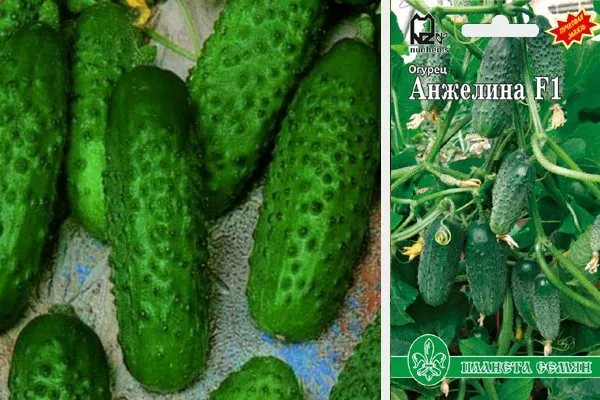
Sowing can begin in April. In open ground, sowing begins after the last night frosts. The first harvest begins in July.
It can grow in shade, but requires warmth, moisture, and balanced soil. It is grown in greenhouses during winter, spring, and summer.
Disease resistance is good.
Alex F1
An ultra-early hybrid with universal use – suitable for both winter preparations and fresh consumption.
The stems are medium-sized, with medium-sized vines. The leaves are small, green or dark green. One to three ovaries may form in a single axil. The fruits are cylindrical, slightly ribbed, with small tubercles, dark green in color with faint light stripes or spots. The flesh is dense and juicy, and the seeds are small. It has high commercial quality. The flavor is considered good.
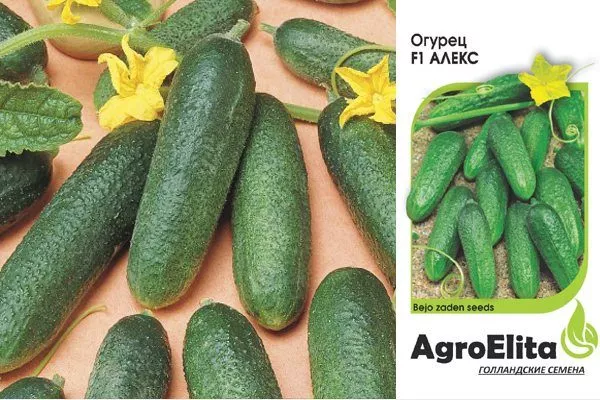
The fruits do not outgrow even if you do not harvest for a long time.
Seeds are sown in May. Harvesting begins in midsummer. They are grown outdoors under temporary cover.
The plant is immune to powdery mildew and cladosporiosis. It has low resistance to downy mildew.
Amur F1
Amur – this is an ultra-early cucumber hybrid, suitable for fresh consumption and processing.
Cucumber stems are medium-vigorous and vining. The fruits are spindle-shaped, tuberculate, and covered with white spines. The flesh is firm, juicy, and without bitterness. Ripe cucumbers have a pleasant flavor and a good marketable appearance.
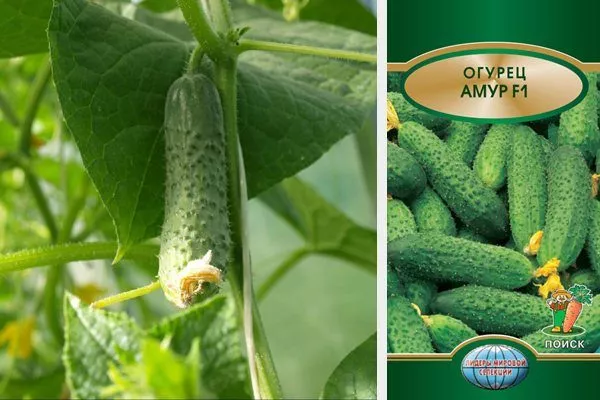
To obtain a good harvest, it is necessary to ensure the correct light and water conditions, and the nutrient composition of the soil.
There are 2 options for sowing time:
- in March-April, then the harvest will ripen at the end of May;
- in July, then the harvest is collected in October.
Grown in open ground and greenhouses.
This hybrid is characterized by good resistance to diseases.
Herman F1
An ultra-early, universal hybrid, suitable for fresh eating, pickling, and canning.
It has a strong stem with green leaves. It produces 6-7 fruits per axil. The fruits have a large, tuberous surface and are cylindrical in shape. The flesh is not bitter, juicy, and has excellent flavor. This hybrid tolerates transportation well and maintains its marketability.
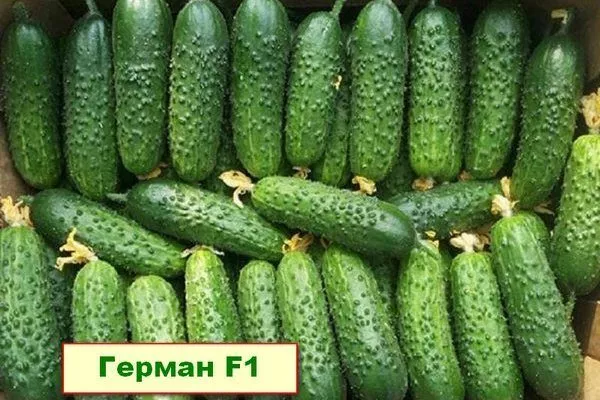
The best time for planting is May. Harvesting will continue from July to August.
Can be grown in greenhouses and garden beds.
Herman F1 is disease-resistant and easy to care for. Read more about the Herman hybrid variety in in our other article.
Gunnar F1
An ultra-early hybrid. Suitable for all uses.
It is distinguished by its vigorous growth. The plant is open, with a strong main shoot and short side shoots. The leaves are large and green. The fruits are cylindrical in shape with medium-sized tubercles, dark green in color, white spines, and no stripes. The flavor is pleasant and slightly sweet. They can be transported without fear of losing their marketable appearance.
Overripe fruits do not become barrel-shaped.
Seedling cultivation begins in March; seeds can be sown directly into the soil or transplanted into the garden in May. The harvest will ripen in midsummer.
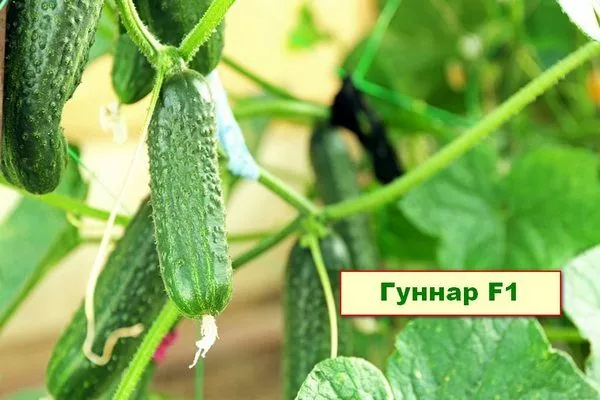
Can be grown in greenhouses and in open ground on trellises.
This hybrid variety is resistant to increased soil salinity and diseases, and can only be affected by powdery mildew.
F1 Director
An early-ripening cucumber hybrid. Grown for salads and processing.
A medium-sized, medium-climbing bush with green leaves and well-developed lateral shoots. It is distinguished by its ability to regenerate after damage. The fruits are uniform in color, without a white tip, cylindrical in shape, and coarsely tuberculated. The flesh has excellent flavor. The skin is thin but strong, and is not easily damaged during transportation.
With prolonged fruiting, no voids form in the middle of the cucumber.
To grow cucumbers using seedlings, work begins in March or early April. Ripe fruits are harvested between June and October.
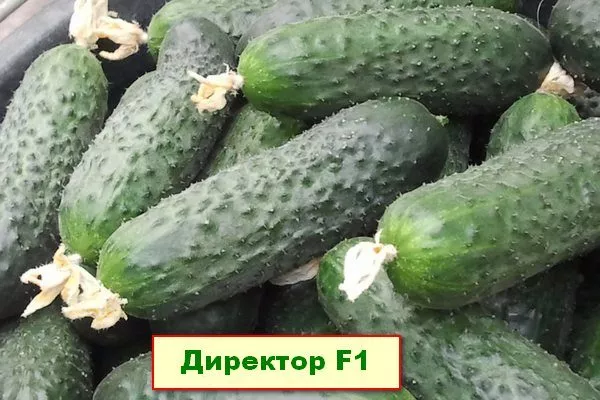
They are grown both in open ground and under cover.
Cucumbers are not demanding to growing conditions and are disease resistant.
Dolomite F1
An ultra-early, universally applicable hybrid, but especially valued when pickled.
A medium-sized, medium-branched plant. The leaves are medium-sized. The fruits are gently ribbed, cylindrical, and have small tubercles. The flesh is firm and juicy, without bitterness, and retains its crunch well after processing. Good transportability.
Sowing seeds is no different from other hybrid varieties; cultivation begins in March. This hybrid is distinguished by its long fruiting period, from mid-summer to mid-autumn.
They are grown in private farms in open and closed ground conditions.
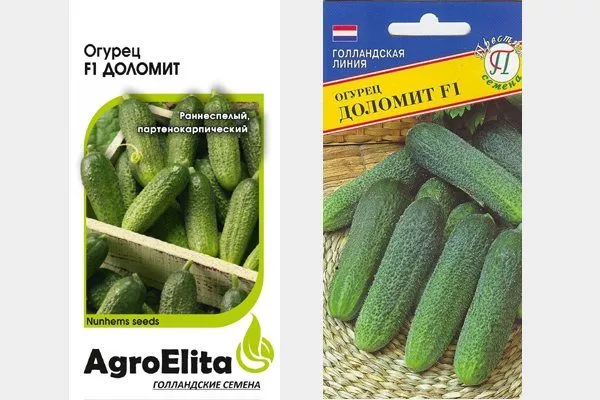
It is disease-resistant and recovers well from damage or stressful conditions. It is undemanding in terms of agricultural practices.
Madita F1
An early-ripening hybrid cucumber variety. Fresh fruits can be eaten, processed, and preserved.
The bushes are open, making cultivation easier. They are vigorous and climbing. The plant produces clusters of ovaries. The cucumber is cylindrical, dark green, and has large tubercles. The flesh is firm, not bitter, and rated highly for its flavor. These cucumbers can be transported long distances.
You can plant seedlings in March, or you can sow the seeds directly into the ground, but wait until the soil warms up to 12°C. The first harvest will be ready by the end of June.
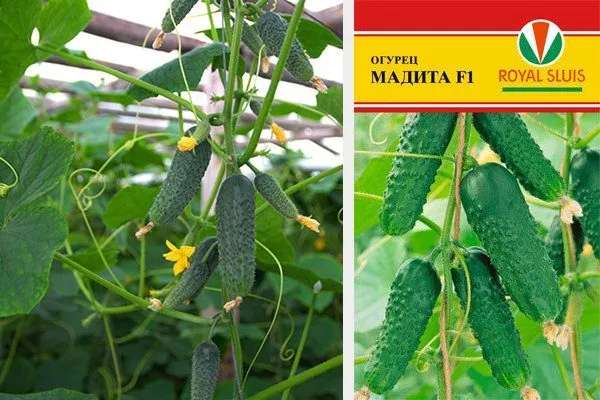
They are grown both horizontally and vertically in different ways.
Resistance to diseases is assessed as good.
Pasadena F1
It's considered a mid-early ripening variety. It's eaten fresh and can be used for winter storage.
The bushes grow quickly, producing two fruits per node. The cucumbers are cylindrical with a ridged surface. The flesh is tender, juicy, and without bitterness, and the flavor is rated as good. They have an attractive presentation and retain it after transportation.
You can begin cultivating the soil for planting and carrying out the first steps starting in May. Vegetables should be harvested throughout July and August.
Grown in open and closed ground.

Pasadena F1 is highly disease resistant. To ensure a good harvest, timely weeding, watering, and fertilizing are essential.
Bee-pollinated Dutch cucumbers
Not many Dutch hybrid cucumbers are pollinated by bees. It makes sense to plant them uncovered in areas where bees thrive. Or provide bee-friendly access to the greenhouse for pollination during flowering. Otherwise, the crop will not set. Their main advantages are strong, well-developed stems and consistently high yields.
Table of characteristics of Dutch cucumber hybrids pollinated by bees:
| Hybrid | Growing season, days | Fruit length, cm | Fruit diameter, cm | Fruit weight, g | Yield, kg/sq.m |
| F1 chord | 45-48 | 11-12 | 3.5-4.2 | 110-120 | 10.5-19.5 |
| Hector F1 | 32-44 | 10-12 | 3.3-4.1 | 95-100 | 3.8-6.1 |
| Levina F1 | 40-50 | 8-12 | 3.0-4.0 | 60-80 | 5.0-6.0 |
| Lord F1 | 40-44 | 9-12 | 3.2-4.0 | 90-120 | 9.0-13.0 |
| Name | Disease resistance | Soil requirements | Ripening period |
|---|---|---|---|
| F1 chord | Resistant to many diseases | Not demanding | Early |
| Hector F1 | Resistant to diseases | Not demanding | Ultra-early |
| Levina F1 | Resistant to diseases | Not demanding | Early ripening |
| Lord F1 | Disease resistant | Not demanding | Early |
F1 chord
Ripens early. Suitable for fresh and processed consumption.
The bush has strong, medium-sized, vining stems. The fruits are crisp, elongated, cylindrical, light green, uniform, and spiky. The skin is thin. It is distinguished by excellent taste and stable, high yields, especially in the early stages of fruiting. Transportability is good.
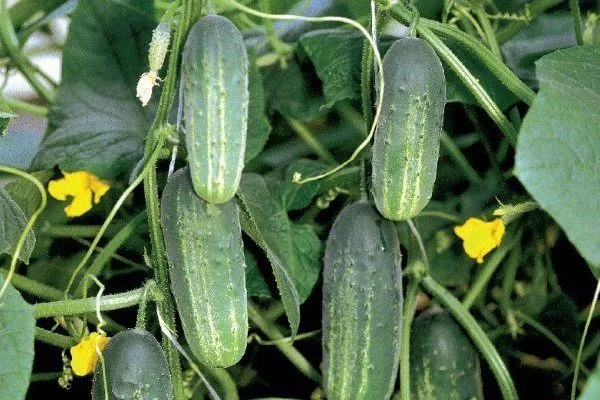
According to the agricultural calendar, cucumbers should be sown in March (for seedlings) or May (for the garden). The fruiting period extends from June to October.
This cucumber hybrid is grown in open ground and under temporary shelter using vertical and horizontal methods.
It is resistant to many diseases.
Hector F1
An ultra-early cucumber. This hybrid is good for pickling and fresh eating. It is widely used in the canning industry.
The plant is compact and requires no thinning. The fruits are cylindrical, uniform, and feature large tubercles and white spines. They do not change from dark green to yellow during ripening. The flesh is firm, thick, and contains few seeds. The flavor is considered good. It maintains its marketable appearance during transportation.
The harvest can be collected mechanically.
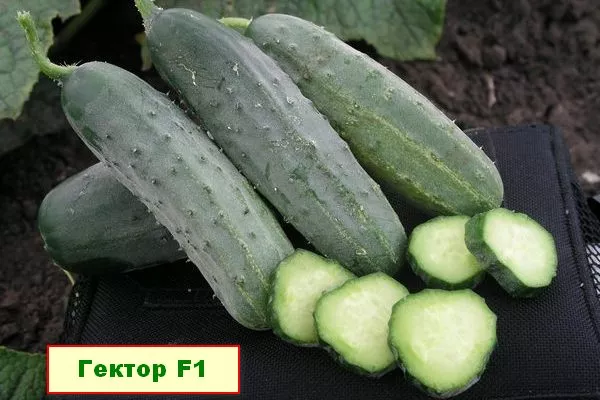
The standard planting period is late March-April and July. The harvest can be expected between May and October. It can be grown in open beds and temporary greenhouses.
Tolerates short periods of cold weather well. Resistant to diseases.
Levina F1
An early-ripening hybrid. Good for winter preserves and fresh eating.
The bushes are medium-vigorous and vine-like. The cucumbers are oval-cylindrical, large-tuberculate, and spiky, light green in color. The flesh is crisp, not bitter, and has excellent flavor. Suitable for transportation.

Grown in open ground. Seeds are sown after the last spring frosts in May or for seedlings in March-April. The plant bears fruit from May to October.
The hybrid is resistant to diseases, stressful situations and high temperatures.
Lord F1
Ripening time: Early. The fruits of this hybrid can be eaten fresh, pickled, or salted.
The bush is not very vine-like, and the ovary is clustered. The fruits are short, spindle-shaped, and covered with large tubercles. The flesh is dense, crisp, not bitter, and free of voids. It has good commercial and flavor qualities.
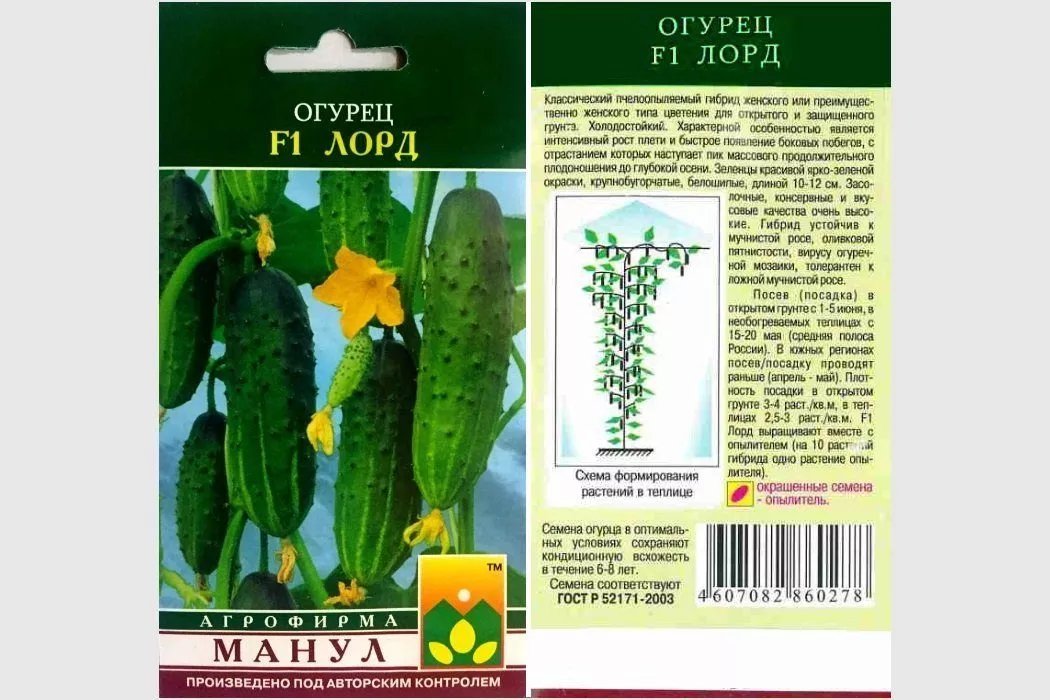
The best time for sowing is May. Harvesting continues from July to October. Suitable for open ground and temporary plastic shelter.
Lord F1 is disease resistant and does not require special growing conditions.
Gherkins and pickles
The fruits are small and lack developed seeds. Their flavor and appearance are at their best when pickled and preserved. A key feature of growing these cucumbers is the need to pick them early, before they are fully ripe. Gherkins retain their full range of nutrients, even when not yet fully ripe.
Table of hybrids of Dutch pickles and gherkins:
| Hybrid | Growing season, days | Fruit length, cm | Fruit diameter, cm | Fruit weight, g | Yield, kg/sq.m |
| Athena F1 | 38-40 | 9-12 | 3.2-4.0 | 80-110 | 9.0-11.0 |
| Ajax F1 | 40-50 | 6-12 | 2.8-3.8 | 90-100 | 10.0-12.0 |
| Bettina F1 | 42-44 | 10-12 | 3.5-4.3 | 60-80 | 5.0-7.0 |
| Karin F1 | 38-48 | 9-11 | 2.7-3.0 | 50-70 | 5.0-13.0 |
| Crispina F1 | 38-40 | 10-12 | 3.0-4.0 | 90-110 | 7.0-20.0 |
| Marinda F1 | 40-45 | 8-10 | 3.0-4.0 | 66-75 | 25.0-30.0 |
| Mirabelle F1 | 40-45 | 10-12 | 3.3-4.2 | 80-100 | 10.0-12.0 |
| Monolith F1 | 35-37 | 10-12 | 3.9-4.1 | 76-104 | 3.4-3.7 |
| F1 pioneer | 50-55 | 7-8 | 2.4-2.9 | 50-80 | 6.1-7.2 |
| Platinum F1 | 38-45 | 6-14 | 2.5-3.5 | 90-100 | 3.5-5.0 |
| Prestige F1 | 42-45 | 9-12 | 2.9-3.5 | 65-90 | 18.0-20.0 |
| Santana F1 | 45-50 | 6-9 | 2.7-3.7 | 50-88 | 1.8-2.6 |
| Sonata F1 | 40-42 | 8-10 | 3.0-4.0 | 70-80 | 11.2-12.2 |
| Ecole F1 | 42-45 | 4-6 | 2.0-3.1 | 90-100 | 2.5-3.0 |
| Name | Disease resistance | Soil requirements | Ripening period |
|---|---|---|---|
| Athena F1 | Immunity to many diseases | Not demanding | Ultra-early |
| Ajax F1 | Good | Requires weeding, watering, loosening and fertilizing | Early maturing |
| Bettina F1 | Good | Requires watering, loosening and fertilizing | Early maturing |
| Karin F1 | Good | Not demanding | Ultra-early |
| Crispina F1 | Good | Not demanding | Ultra-early |
| Marinda F1 | They are practically not affected by diseases. | Not demanding | Early |
| Mirabelle F1 | Rarely affected by diseases | Not demanding | Early ripening |
| Monolith F1 | Good resistance to diseases | Not demanding | Ultra-early |
| F1 pioneer | Resistant to many common diseases | Grows well on medium loamy, loose soils | Mid-early |
| Platinum F1 | Frequent mosaic lesions | Adapts well to heavy soils | Ultra-early |
| Prestige F1 | Resistant to diseases and climate change | Not demanding | Early ripening |
| Santana F1 | Resistant to diseases and adverse weather conditions | Not demanding | Early |
| Sonata F1 | Rarely gets sick | Not demanding | Early ripening |
| Ecole F1 | Resistant to major diseases except downy mildew | Not demanding | Early |
Athena F1
An ultra-early hybrid. It has a gherkin-like appearance, but tastes good fresh.
The plant is of medium vigor. The bulk of the fruit is formed on the central stem. The leaves are small and green. The fruits are cylindrical, covered with large tubercles, and smooth. The flesh is tender and not bitter.
The fruits retain their commercial qualities well during the second half of the growing season and during transportation.
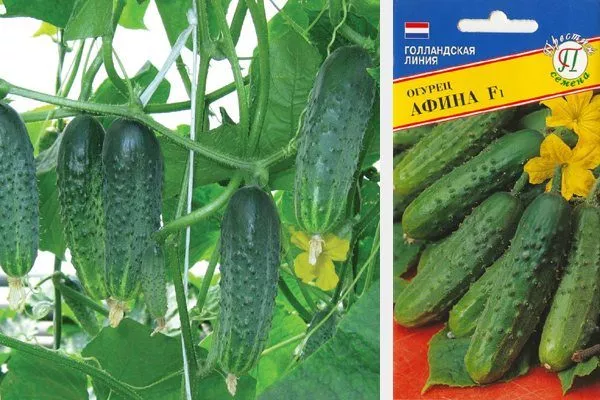
Can be grown outdoors. Ideally, it should be planted in a greenhouse during the cold season. It tolerates low sunlight well. It does not require bees or other pollinating insects for pollination.
Has immunity to many diseases.
Ajax F1
An early-ripening cucumber. Suitable for both fresh and processed, this hybrid is ideal for growing pickles.
A vigorous, open plant. It produces several fruits per node. The fruits are dark green, uniform, and covered with white spines. This cucumber hybrid lacks bitterness, and the flesh is tender and juicy. The skin is thin but firm. It produces high yields.
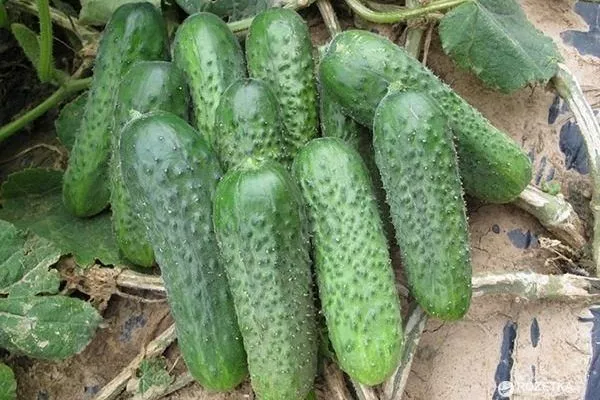
This hybrid is suitable for outdoor cultivation, as it is pollinated by bees. Cucumbers are sown in March and harvested between May and October. The plant requires timely weeding, watering, loosening the soil, and fertilizing.
Disease resistance is good.
Bettina F1
The most common, early maturing cucumber of the gherkin type.
The stems are medium-vigorous and balanced, with the main crop concentrated on the main stem. The fruits are covered with large tubercles, green in color, smooth, uniform, and cylindrical in shape. The flesh is not bitter. The fruits retain their marketable appearance during the second half of the harvest period and remain marketable during transportation.
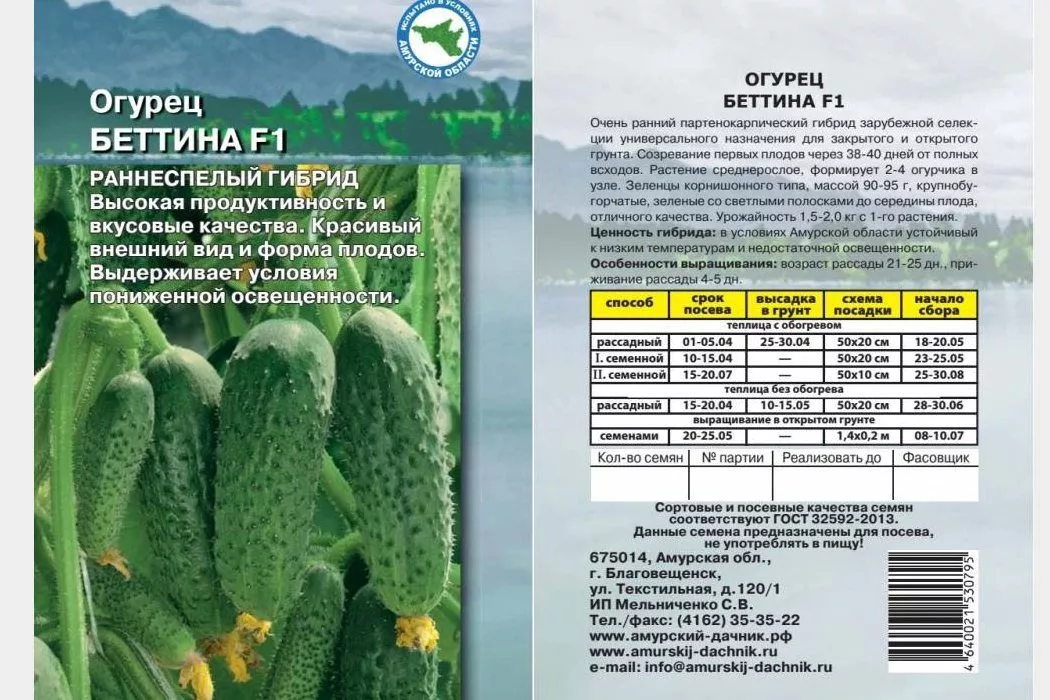
Planting occurs from late March to July. Harvesting occurs from May to October.
Suitable for greenhouse cultivation, as it is parthenocarpic. It can grow in shaded areas. It requires watering, loosening, and fertilizing. Learn about the specifics of growing parthenocarpic cucumbers. this articles.
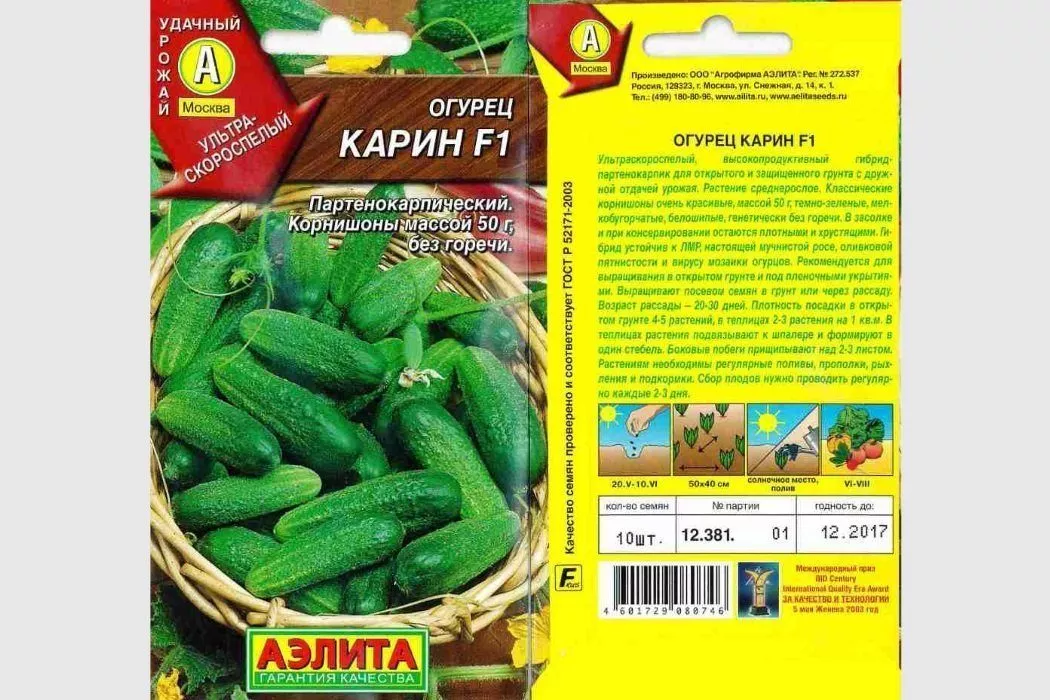
Karin F1
This ultra-early hybrid is grown for fresh use, cooking, and canning.
The bushes are vigorous and medium-tall, producing 3 to 7 ovaries per node. The fruits are cylindrical, small, green to dark green, and have short stripes. They have fine pubescence and tubercles.
Seeds are sown in the garden in May. The hybrid is parthenocarpic and can be grown in open beds and under temporary cover. The harvest begins in July.
Good resistance to diseases.
Crispina F1
An ultra-early gherkin-type cucumber. General purpose.
The bushes are medium-sized, with most of the vegetable yield concentrated on the central stem. The fruits are green, cylindrical, and smooth, with large tubercles. They retain their marketability and flavor well into the second half of the growing season. They transport well.
The seeds are sown in April. The harvest takes place in June.
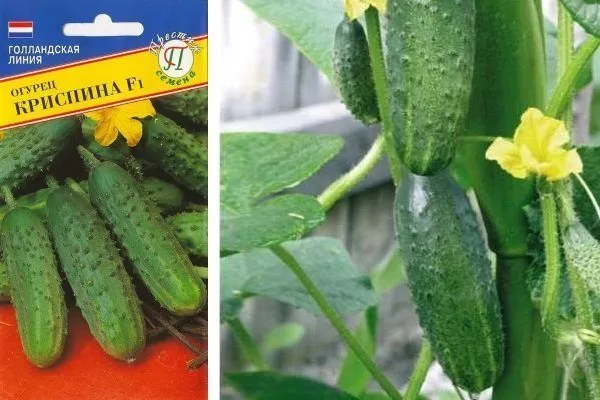
Ideal for early cultivation in a greenhouse and in open ground on a horizontal trellis; does not require pollination by bees.
It does not require any special agricultural measures and has good resistance to major diseases.
Marinda F1
Early ripening. Ideal for pickling and marinating. Gherkin-type cucumbers.
The bushes are medium-sized and, with proper care and nutrition, produce 6-7 ovaries per node. The fruits are perfectly cylindrical, dark green, and spiky. The flesh is of good consistency, crisp, and without bitterness.
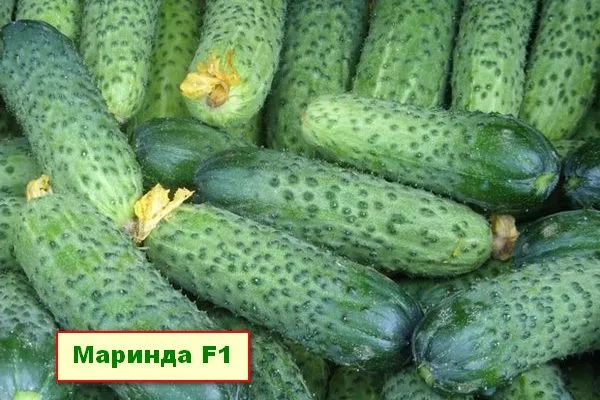
Planting can be done in April-May or in a greenhouse in October. The harvest begins in June.
They can be grown in a variety of ways: open, closed, horizontal, and vertical. The plants are virtually disease-free.
Mirabelle F1
An early maturing gherkin hybrid, versatile in use.
A medium-sized, vigorous plant, producing up to seven fruits per node. The fruits are green, cylindrical, and have large tubercles. The flesh is not bitter. They ripen evenly and are highly productive.
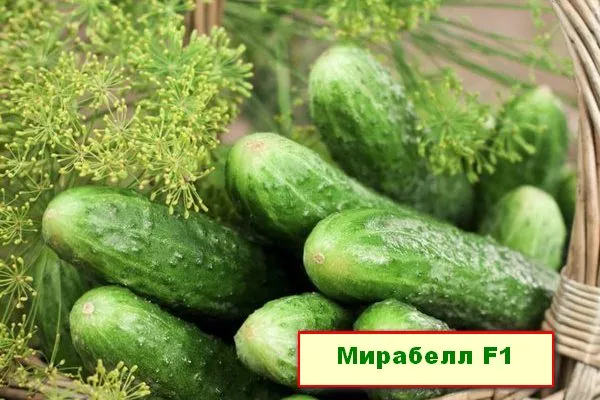
Seeds are sown outdoors in May, after the threat of frost has passed. The harvest occurs in July and August. The hybrid can be grown in greenhouses and open ground, as it does not require insect pollination.
Rarely affected by diseases.
Monolith F1
An ultra-early hybrid. Universal use.
The plant is of medium vigor and foliage, making it easy to care for and harvest. Up to three flowers form at each node. The fruits are straight, cylindrical, and dark green with short, light stripes. The surface is covered with small tubercles. The flesh is dense, tender, and free of voids; the seeds are undeveloped.
The best time for planting in a greenhouse is March-April. The first harvest will appear in May. Plants can be transferred to an open bed when the temperature warms up to 10-12°C.
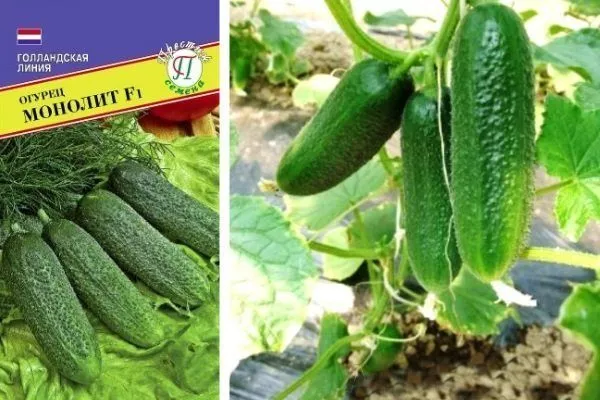
Recommended for growing in open and closed ground, parthenocarpic.
This hybrid is highly resistant to disease and requires little care.
F1 pioneer
Mid-early. Cucumbers are recommended for pickling, but can also be eaten fresh.
A vigorous plant with cylindrical, green fruits covered with large, sparse tubercles with black pubescence.
They are grown from seedlings and transplanted into the ground after frost. After planting in open ground, the bed should be temporarily covered with plastic.
It grows well in medium-loamy, loose soils. Care consists of weeding, watering, and fertilizing. Pollination by bees is not required.
Resistant to many common diseases.

Platinum F1
This ultra-early hybrid is good for pickling and growing for gherkins.
The bushes are open and don't grow very much, which is beneficial for harvesting. The cucumbers are dark green, large-tuberculate, covered with white spines, short, and do not produce seeds.
When salted, they retain their rich color.
Sow under cover from March to April. Harvest in May-June.
It can be grown in plastic or glass greenhouses, tunnels, under temporary shelters, in open ground, on trellises, and in mats. It does not require pollination. It adapts well to heavy soils.
The only downside is the frequent occurrence of mosaic disease.
Prestige F1
Early ripening gherkin for general purposes.
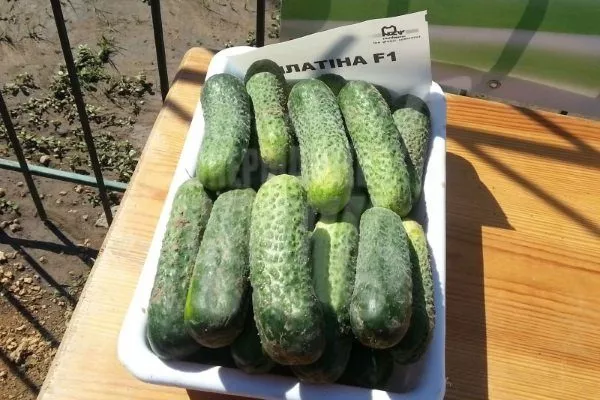
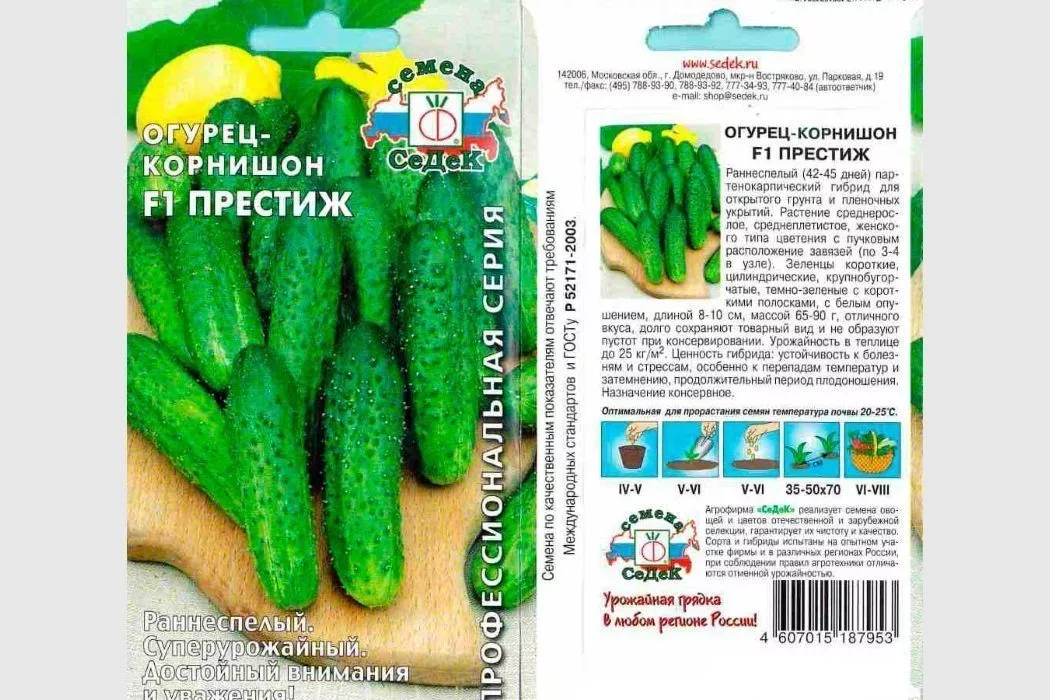
It forms a medium-sized, medium-branched plant. The leaves are medium-sized and dark green. Three ovaries form per node. The fruits are coarsely tuberculated, cylindrical, and dark green, with short white stripes at the tip. The spines are prickly. The flesh is crisp and not bitter.
Cucumbers do not overgrow and remain firm, without any voids, when salted.
Sow in March-April or July. Harvest in May and October, respectively. This parthenocarpic hybrid grows well in open ground and greenhouses.
Resistant to diseases and climate change.
Santana F1
An early gherkin-type hybrid. Well suited for canning and fresh eating.
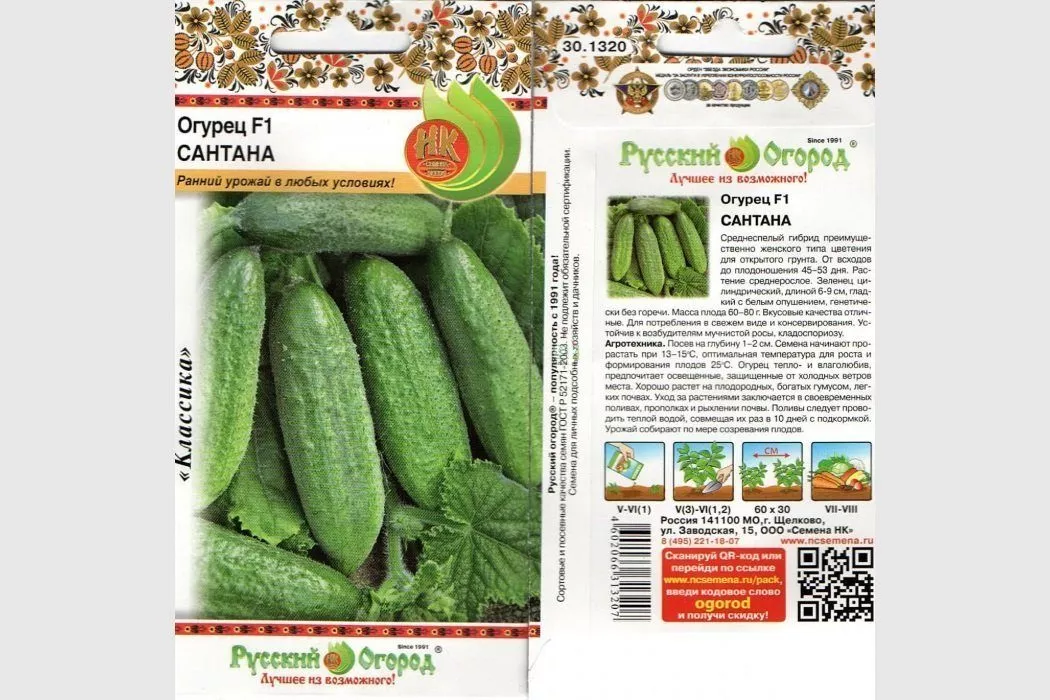
The bushes are vigorous. The fruits are cylindrical, green with small tubercles and white pubescence, medium-ribbed, and have short to medium-sized longitudinal stripes. The taste is rated excellent for both fresh and canned products.
They are grown from seedlings starting in March-April. They are transplanted into the ground once warm weather sets in. They can be planted in July. The first harvest will ripen by May, and the second by October.
Ideally grown in open ground, but can also be grown in greenhouses if bees or other insects have access to pollinate the flowers.
Resistant to diseases and adverse weather conditions.
Sonata F1
Early ripening. Used for processing, pickling, and fresh eating.
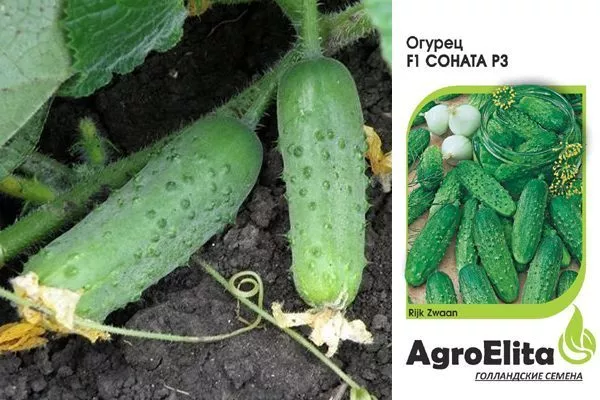
A vigorous plant with a well-developed root system. With proper care, it produces up to five ovaries per node. The fruits have a uniform light green surface without longitudinal lines or yellowing, covered with large tubercles. The flesh is uniform, crisp, without bitterness, and the skin is thin.
It is distinguished by the uniform ripening of the harvest.
Seeds are sown for seedlings in March, and the fruit will be harvested in June. For a late harvest, seeds are planted in July, and the fruit is harvested in October.
It is grown in various ways in open ground. It is not suitable for greenhouses, as it is pollinated by bees.
Sonata F1 rarely gets sick and does not require special care.
Ecole F1
An early cucumber hybrid grown for pickling. It excels in canning but can also be eaten fresh.
The plant is medium-sized and trailing, compact. The leaves are dark green and medium-sized. Up to five cucumbers can develop at a single node. The fruits are medium-tuberculate, cylindrical, and richly colored with indistinct light stripes and spots. The flavor is pleasant, without bitterness.
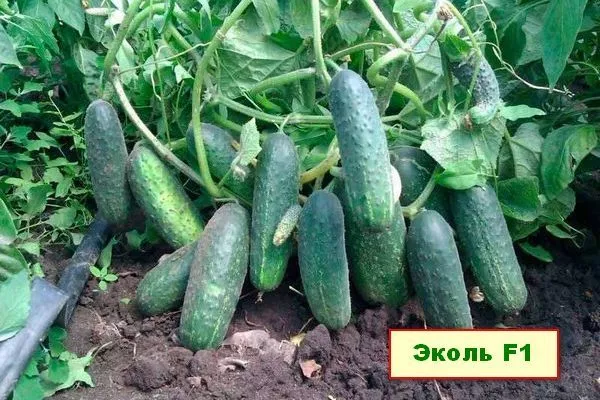
The fruits curl up when overripe.
Sow both for seedlings and in open ground. Planting time is April-May. Harvesting begins in June.
Intended for cultivation in private farms in open ground and under cover, parthenocarpic.
Resistant to major diseases except downy mildew.
Dutch cucumber hybrids are characterized by early ripening and excellent flavor, and they retain their marketable appearance during transportation. These plants are undemanding in terms of growing conditions and are resistant to many diseases. They can be grown both in the garden and under cover. The only drawback is that you can't collect seeds for the next harvest.