
The Gnome cucumber is a delicious hybrid variety with an ultra-early ripening period. It produces small, gherkin-shaped fruits with excellent commercial qualities and versatile uses. This hybrid is an excellent choice for both home gardeners and farmers.
Description of the Gnome variety
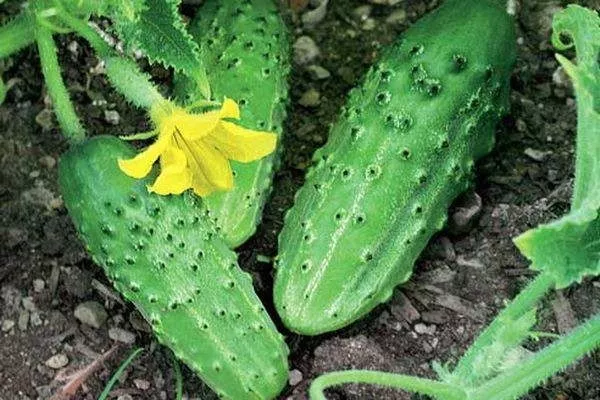
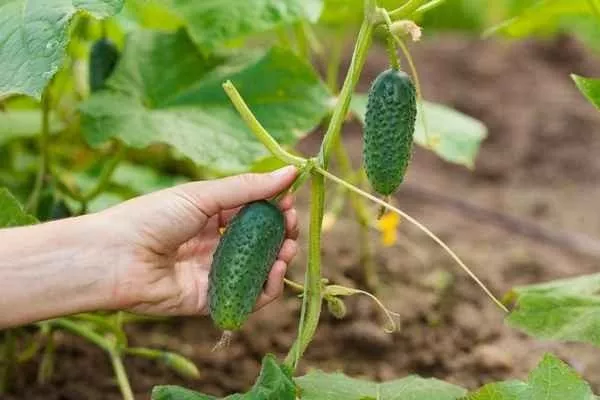
The plant is indeterminate (unlimited in growth), with moderate branching. The leaves are medium-sized and green. The fruits are short, cylindrical, with a finely tuberculated surface, reaching 8-10 cm in length. Each cucumber weighs 75-90 g.
Who bred the Gnome cucumber?
The Gnomiq hybrid was developed by Russian breeders. Its authors are S.F. Gavrish, A.V. Shamshina, V.N. Shevkunov, K.O. Chaikin, and D.D. Dorogina. The new variety was approved for cultivation in 2021.
Taste and purpose
The fruits have an excellent taste and a rich cucumber aroma; they are juicy and crunchy, ideal for fresh consumption.
They make excellent salads, are beautiful when sliced, and can also be pickled and preserved. Their flavor has a distinctive cucumber freshness and slightly sweet notes.
Productivity and other characteristics
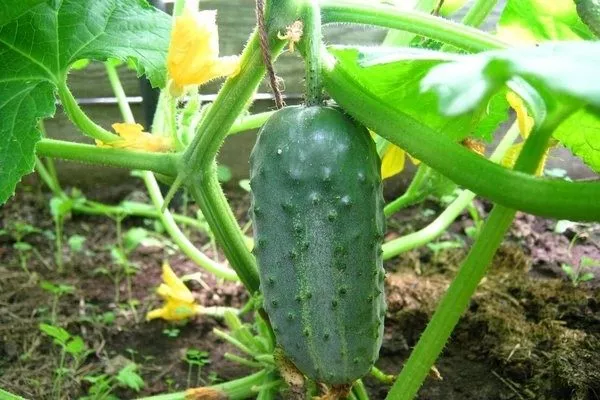
The Gnomiq hybrid belongs to the ultra-early group. From germination to harvesting the first cucumbers takes 37 to 42 days. This self-pollinating parthenocarpic variety has excellent resistance to powdery mildew and downy mildew. A yield of 11-12 kg of cucumbers can be harvested from 1 square meter.
Pros and cons
The new Gnome variety has many advantages that are worth exploring in advance. This will help you determine whether this hybrid is suitable for your garden and your goals.
Pros:
No disadvantages were found in this variety.
Landing features
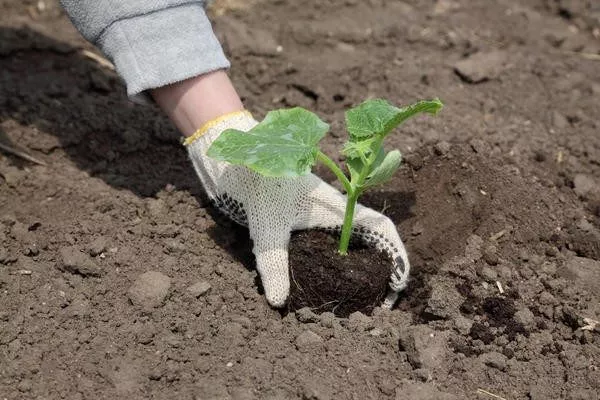
The Gnome hybrid can be grown both indoors and outdoors. Plant in well-lit areas free of standing water. Gnome cucumbers can be grown by direct sowing or by seedlings for an earlier harvest.
Landing features:
- Seeds for seedlings are sown from late April to mid-May. A month later, they are planted in open ground, a greenhouse, or under plastic.
- Planting takes place when the soil warms to 12–14°C and the threat of frost has passed. However, it is recommended to cover the planted cucumbers with plastic film overnight.
- The soil for planting is prepared in the fall. The soil is dug over, after spreading organic matter and granular fertilizer. In the spring, seeds or seedlings are planted according to standard agricultural practices. The optimal planting pattern is 40x40 cm.
How to care?
To produce a large number of high-quality cucumbers, the Gnome variety requires careful care—watering, weeding, fertilizing, and shaping. Each cultivation technique requires attention and adherence to specific care guidelines.
How to properly care for cucumbers:
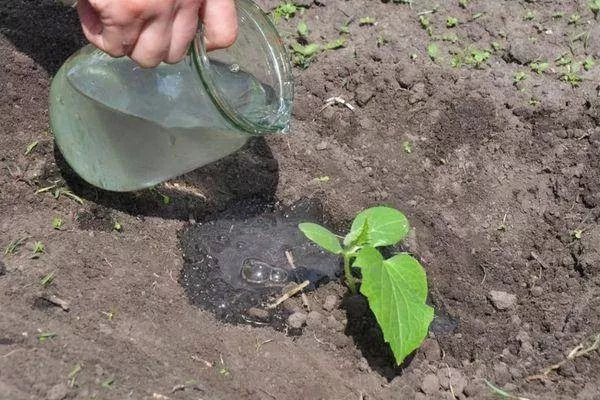
- To prevent bitter fruit, it's important to avoid water shortages during the growing season, especially during fruiting. At the same time, avoid overwatering, as this can lead to fungal diseases. Use warm water (25–28°C) that has been left to stand for 24 hours. Watering frequency: once every 2–3 days. The recommended watering rate is 4–5 liters per square meter.
During the fruiting stage and active fruiting, watering frequency increases—beds are watered every 1-2 days. The watering rate also increases to 8-12 liters per square meter. Watering time is morning or evening. At the end of the season, the frequency and amount of watering are reduced. - After each watering, it's recommended to carefully loosen the soil, being careful not to damage the surface roots. Without loosening, a crust will form, preventing air from reaching the roots. You can also mulch the beds, which will reduce the need for watering and loosening. Peat or straw can be used as mulch, applying a layer 3-4 cm thick.
- Gnome cucumbers require fertilization approximately four times per season. Here's a rough fertilization schedule:
-
- The first fertilizer application is done two weeks after germination. At this stage, cucumbers require nitrogen (to develop green mass), so 20 g of ammonium nitrate, 10-15 g of potassium sulfate, and superphosphate are added (the dosage is given per 10 liters). You can also apply diluted mullein or bird droppings, diluted in water at a ratio of 1:10 or 1:20, respectively.
- Fertilizers are applied a second time during the budding period. The same formulas are used, but at double the dosage.
- The third time, fertilizers are applied to stimulate fruit set—potassium and calcium. For this, infused wood ash is applied under the plant's roots. Alternatively, foliar feeding with superphosphate is used (on the leaves).
- The final feeding is aimed at developing the cucumbers. For this, the beds are watered with herbal infusions (chopped herbs are steeped in boiling water for three days).
Prevention of diseases and pests
The Gnome cucumber has excellent resistance to brown olive spot and average resistance to downy mildew and powdery mildew. Rainy and cool weather can cause root rot. In the early stages of infection, cucumbers are sprayed with Previkur or Alirin. For prevention, the bushes are dusted with wood ash.
If proper agricultural practices are followed, pests rarely attack the hybrid. Aphids are the most common pest infestation. If detected early and the pest infestation is small, a solution of laundry soap or wood ash can be used. If spider mites appear, a wormwood infusion is recommended. If the infestation is severe and there are numerous insects, insecticides are used.
Cleaning rules
The first cucumbers are harvested as early as the third ten-day period of June, and fruiting continues until the end of August if grown in garden beds. In greenhouse conditions, the Gnome cucumber bears fruit longer, until the end of September.
Store cucumbers in a cool, dry place. Here, they can safely last for 10 days without losing their flavor or appearance. Stored in the lower compartment of the refrigerator, cucumbers will keep for about two weeks.
Reviews
The Gnome cucumber is the ideal choice for anyone who loves fresh, tasty vegetables and is looking for a versatile variety. This hybrid is delicious fresh and pickled, is relatively easy to grow, produces a high yield, and is virtually disease-free when grown properly.