
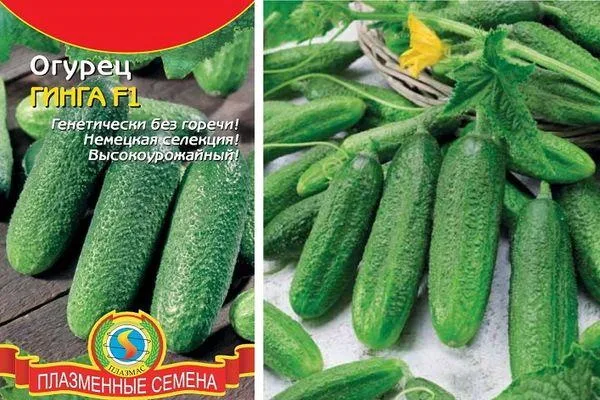
Ginga cucumbers are parthenocarpic, characterized by numerous ovaries and long shoots. This variety is a late hybrid, reaching maturity later than others. Ginga is ideal for mass plantings.
Introduction to the variety
This variety is parthenocarpic, meaning it doesn't require insect pollination and produces female flowers. It's known for its generous yields and resistance to various diseases.
This variety is suitable for both greenhouse and open-air cultivation. It is adapted for farming without the need for protective structures.
Originators
Ginga F1 cucumbers were developed by German specialists and are characterized as mid-season vegetables. This hybrid was registered in the Russian State Register in 2002 for use in private gardens and farms.
External characteristics of the plant and cucumbers
Ginga F1 grows into bushes with vines approximately 220-250 cm long. Its leaves are small and pure green. Clusters of three ovaries form in the corners of the leaf axils.
Other varietal characteristics:
- This variety is indeterminate;
- the flowering plant is female;
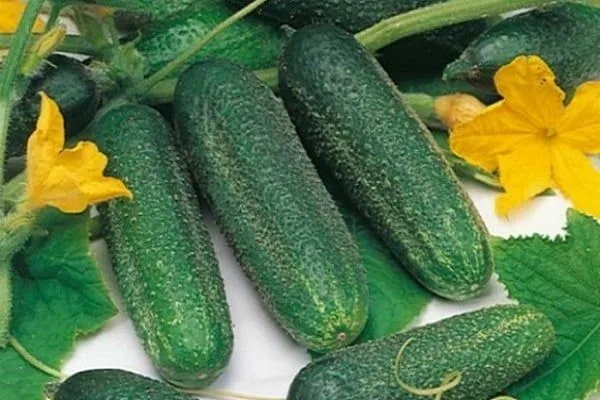
- the fruits are formed in a cylindrical shape and can reach a length of up to 15 cm, and the minimum parameter is 9 cm;
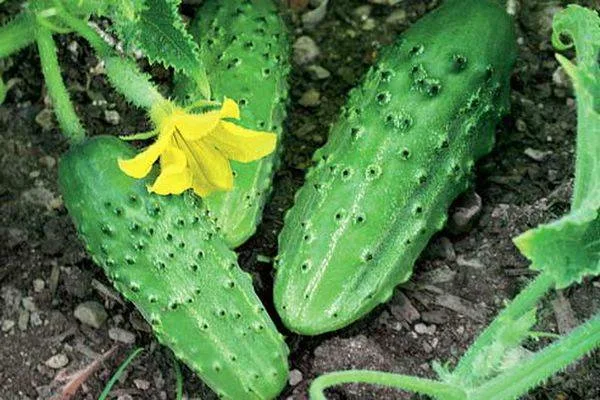
- the skin is colored dark green, decorated with small tuberculate formations, light fluff and small dark spots with spines;
- the location of the tubercles is quite frequent, and the ribbing of the cucumber is insignificant;
- The pulp of the fruit is dense, crispy, does not have a bitter taste and is seedless.
Taste and purpose
Hybrid cucumbers from the Ginga line boast a delicate flavor and are striking both fresh and cooked. These vegetables are perfect for fresh-picked consumption and for making various appetizers. They are ideal for pickling and preserving, and are used in a variety of culinary recipes.
The fruit is completely free of cavities, and the tiny seeds are barely noticeable when eaten. These cucumbers boast a refined aroma, characteristic of cucumbers.
Composition, benefits
Ginga cucumbers contain many important health components. These vegetables are low in calories, help remove toxins from the body, and promote weight loss. Water makes up 95% of their weight. 100 grams of the product contains only 12-15 kcal.
When ripe, the yield
This cucumber variety can yield up to 515 centners per hectare. During cultivation, a minimum yield of 240 centners per hectare was recorded. Over the course of the season, a single plant can yield up to 3-6 kg of cucumbers.
Yields vary depending on growing conditions and the current weather if cucumbers are grown outdoors. Fruiting in protected areas can last up to three months, making this variety particularly attractive for commercial use.
The Ginga F1 variety is classified as mid-early, as it takes approximately 40-50 days from the emergence of shoots to the harvest of the first fruits. The initial harvest is typically in July. The fruiting period can vary from 65 to 110 days.
Landing features
Ginga F1 can be grown not only outdoors but also indoors, in a greenhouse or under glass canopies. However, planting this variety on a balcony or windowsill is not recommended due to its large size.
To begin harvesting as early as possible, seedlings are used. Direct sowing of seeds in an open bed is also possible.
Planting dates
Planting of cucumber seeds of the Ginga variety usually occurs from mid-April to early May, when the soil temperature rises to +15-16°C.
Site preparation
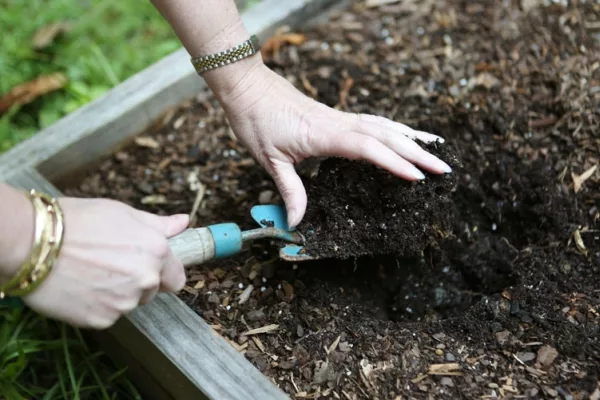
Agronomists recommend using a mixture of peat, turf and vermiculite (or river sand) in equal proportions as substrate components.
Before planting cucumbers of the Ginga f1 variety, the soil must be treated using one of the following methods:
- treating with potassium permanganate is an ideal option for garden beds);
- keep in the oven at a temperature of 125-150°C for 30-40 minutes;
- leave in the freezer for 2-4 days.
After such disinfection, it is useful to cover the area or containers for seedlings with plastic film so that the soil temperature at the time of sowing corresponds to room temperature.
Planting seeds
Before planting cucumbers, you need to prepare them. Soak the seeds in a potassium permanganate solution for half an hour, then place them in a damp cloth and store for 2-3 days. After planting, gently water the soil with room-temperature water.
Planting seedlings
To grow cucumber seedlings, place the seeds in a 4-cm-deep container and moisten them well with room-temperature water. To maintain healthy seedlings, it's important to water them regularly (every two to four days), feed them, provide them with light, and maintain an air temperature of 22-25 degrees Celsius.
When the cucumber seedlings reach 18-22 cm in height and have 4-5 leaves, they are transplanted into open ground. This usually occurs 26-29 days after sowing.
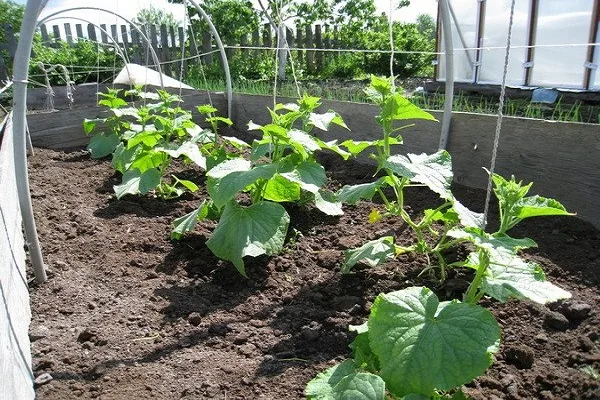
Planting diagram
To plant seeds, dig holes 3 to 4 cm deep. Keep the intervals at 40-50 by 50-60 cm.
Care activities
Caring for the Ginga plant isn't particularly difficult, but it does require attention and adherence to certain rules that apply not only to all cucumber crops, but also to this particular hybrid:
- Providing humidity. Insufficient moisture can cause cucumbers to develop a bitter taste and lose their juiciness, so regular watering is necessary. However, overwatering is also harmful to the plant, so wait until the soil dries out slightly.
If there is no natural precipitation, the interval between waterings should not exceed 4-5 days. During the active growing season, when the plant has 10 or more leaves, regular watering is necessary. Two or three waterings per week are usually sufficient, but in dry weather, it is advisable to increase the frequency to daily. - Fertilizer. When the 7th or 8th leaf forms, apply the first fertilizer. When growing from seedlings, this occurs approximately two weeks after transplanting into the open ground. During this period, cucumbers require nitrogen in its natural form, such as bird droppings or manure.
Proceed to the second procedure during budding, when the plant will need minerals such as phosphates, potassium, and ammonium nitrate. As fruiting begins, it's important to provide the plant with phosphorus and potassium, fertilizing every six weeks.
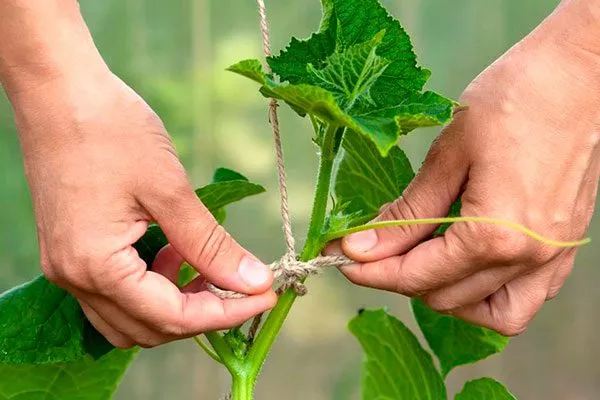
Apply mineral nutrients in dry weather, and in rainy weather it is preferable to use organic fertilizers. - Garter and shaping. When the seventh leaves appear on the vines, begin staking the vines. To do this, drive metal or wooden support posts into the ground at intervals of 10-15 cm. Another method of staking involves using trellises.
Equally important is timely plant shaping: remove lateral shoots around the first three leaves, as well as any thickenings at the fourth node. During shaping, leave two leaves and two main shoots, and three main stems at the top. The top can be weakened if necessary. - Soil care. This is a key element influencing the borage's well-being. Regularly loosen the soil, at least once a week, but carefully so as not to damage the root system. All weeds, including those growing underground, should be removed.
It's best to perform this work a couple of days after watering. It's recommended to cultivate the soil in the morning or evening. After weeding, compact the surface and cover it with a layer approximately 5-8 cm thick, covering a 28-35 cm circle around each stem.
Diseases and pests
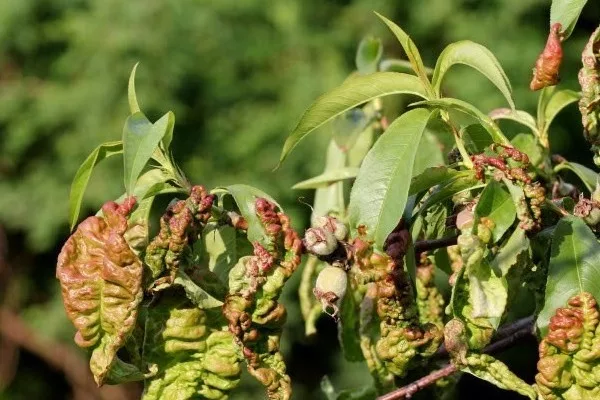
When developing the hybrid cucumber, agronomists were tasked with ensuring its resistance to various diseases and pests. Ginga F1 has strong immunity to diseases commonly found in cucurbits. However, if the plants aren't cared for properly, fusarium wilt may develop in the beds.
Of all known pests, aphids pose the greatest threat to this hybrid. It is crucial to respond quickly to any signs of disease or pest infestation and take appropriate measures to save the plant.
Harvesting and use of the crop
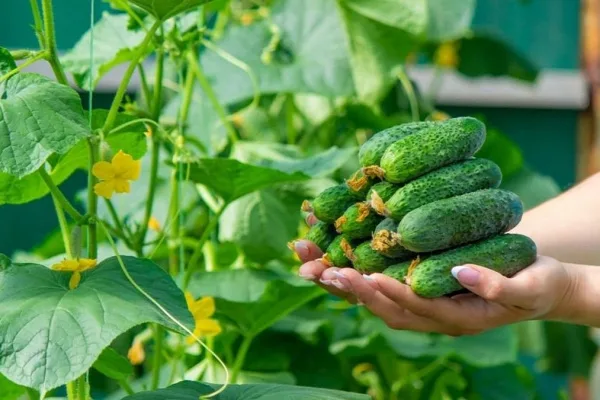
Ginga cucumbers should be picked every two to three days. During the initial harvest period, the fruits should be picked daily. It is recommended to store the vegetables in a cool place.
For short-term storage, place cucumbers in the refrigerator, and for longer storage, place them in the cellar.
Ginga F1 cucumbers have excellent shelf life. To maintain their freshness, they should be stored at the minimum recommended temperature of 5-7°C (41-45°F). At this temperature, they retain their appearance and flavor for 20-25 days.
Positive and negative qualities
Ginga has won the favor of Russian agricultural experts thanks to its advantages. However, extensive cultivation experience has also revealed some of this variety's shortcomings.
Advantages:
Flaws:
Reviews
The Ginga f1 hybrid is a cucumber variety developed by German breeders. It is characterized by high productivity, long-lasting fruiting, excellent flavor, and resistance to transportation and most diseases. Cucumbers of this variety are suitable not only for fresh consumption but also for salads, pickling, canning, and winter storage.