
The Hercules cucumber is one of the most popular and productive varieties, recognized by gardeners for its high yield and excellent flavor. It's an ideal choice for those seeking high-quality cucumbers, whether for personal consumption, sale, or canning. Proper care is essential.
Introduction to the variety
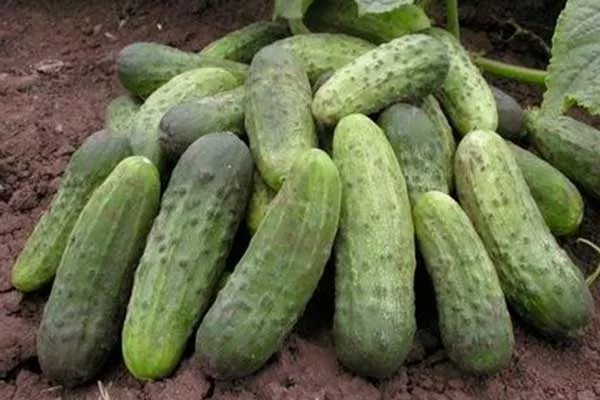
This high-yielding, mid-season hybrid is a salad variety. Bee-pollinated, it is characterized by its ecological flexibility and adaptability to various climatic conditions.
Originator
The hybrid was developed by Borisov A. V., Krylov O. N. and Panova M. D. Approved for use in 2002. It does not have parthenocarpic properties.
External characteristics of the plant and cucumbers
It is an indeterminate variety, meaning it continues to grow and develop after reaching a certain stem length. The plant is characterized by strong branching and medium-sized, dark green leaves. Flowering is mixed, with two female flowers forming at each node.
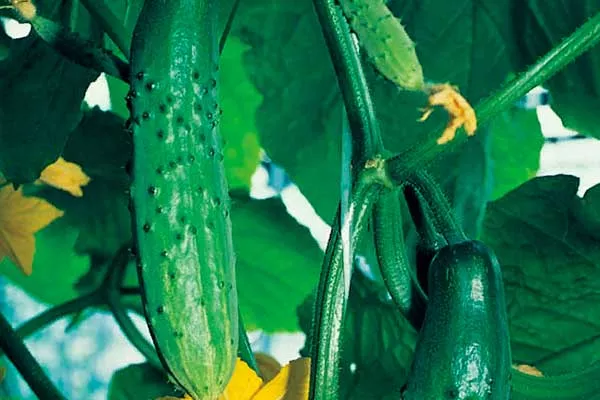
The fruits reach 15-18 cm in length and 3.5-4.5 cm in diameter, weighing approximately 152-170 g (sometimes up to 250 g). They are spindle-shaped and dark green in color with bright, light-colored longitudinal stripes. The tubercles on the surface are sparsely spaced, giving them a distinctive appearance. The spines or pubescence are white.
Taste and purpose
The taste of these cucumbers is delicious—they're juicy and sweet. They're ideal for eating fresh as a salad vegetable. They're an excellent ingredient in a variety of salads and appetizers.
When ripe, the yield
Seeds are sown for seedlings or in open ground in April-May. The period from germination to fruiting takes approximately 62-63 days. Fruiting begins in June and continues until August. The average yield is 22-39 kg per square meter.
Hercules cucumber varieties
The crop is represented by several varieties, each with its own unique characteristics. For example, Hercules 1 and Hercules 2 differ in fruit size and structure, as well as resistance to various diseases and growing conditions.
Cucumber Hercules 1
Characterized by fruits approximately 20-25 cm long, the green vegetables have a characteristically rough surface. Their thin skin makes them very juicy and flavorful. They are ideal for fresh eating, canning, and pickling.
Cucumber Hercules 2
It is distinguished by its fleshier and larger fruits, which can reach up to 30 cm in length, and are dark green in color. The fruits have a dense structure and retain their freshness well after picking.
Used in salads and various dishes, it is highly resistant to diseases and adverse weather conditions, making it an excellent choice for garden plots.
Positive and negative qualities
Before planting an unfamiliar crop in your garden, carefully examine its positive and negative qualities to avoid potential difficulties. Hybrids have many advantages:
The culture has only one drawback – tolerance to root rot.
Landing rules
Every gardener dreams of a good, healthy cucumber harvest. This vegetable is often enjoyed on the table. With careful preparation and care, this hybrid will delight you with a bountiful harvest and quick germination.
How to prepare a garden for planting cucumbers?
For healthy growth and a bountiful harvest, the crop requires nutrients and moist soil. Before planting, fertilize the soil with organic matter, such as manure, compost, or cow manure. Thoroughly till and loosen the soil before sowing the seeds.
The soil temperature should be warmed up to +15-18°C.
Make sure there is no longer a threat of night frost, and if the temperature fluctuates, prepare glass or film shelters.
How to germinate seeds?
You can use a variety of materials to germinate seeds, but the most effective method is the standard method. You'll need cotton cloth, a plate, and a glass jar.
Step-by-step instructions:
- Check the seeds for cracks or damage. If they are intact, proceed with germination.
- Fold the cotton cloth into 4 layers and place the seeds in it.
- Wet the cloth with warm water and place it on a plate.
- Cover the top with a glass jar or wrap it in a plastic bag.
The seeds germinate in approximately 3-4 days at temperatures no lower than 22°C. After sprouting, place them in the refrigerator for 24 hours to harden them.
| Germination method | The period of emergence of sprouts | Germination percentage |
|---|---|---|
| On fabric (standard) | 3-4 days | 85-90% |
| In sawdust | 2-3 days | 92-95% |
| In hydrogel | 1-2 days | 95-98% |
| In peat tablets | 4-5 days | 80-85% |
Growing using seedlings
This plant is intended for growing in temperate climates, so it's best to use seedlings. To do this, purchase peat containers or prepare cardboard or plastic cups. Larger pots can be used for planting multiple seeds.
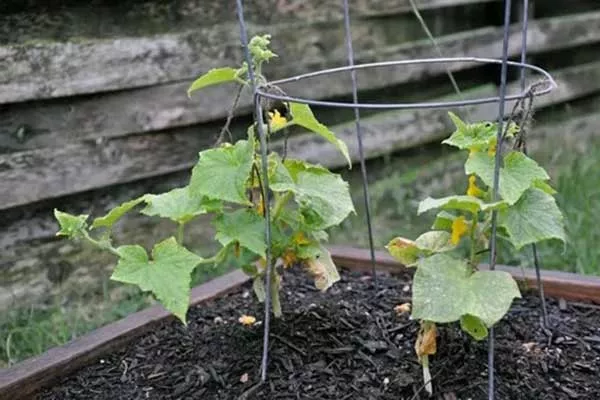
Follow the instructions:
- Fill the containers with a mixture of soil and humus (in a ratio of 3/1) or purchased potting soil.
- Place the sprouted seeds into the soil to a depth of 2-3 cm and water with warm water.
- If there is a risk of drafts, cover the seedlings with a plastic bag until the first shoots appear.
The optimal temperature is 22°C. The air should be humid; for this, use a humidifier or place a basin of water nearby.
Agrotechnical recommendations
To grow bushes with strong immunity and obtain generous harvests, it is important to follow simple agricultural practices. These include watering and fertilizing.
Watering the crop
Adequate soil moisture is a key requirement for healthy plant growth. Water the plants three times a week until flowering begins. After flowering, reduce watering by no more than half. In dry regions, increase the amount of water.
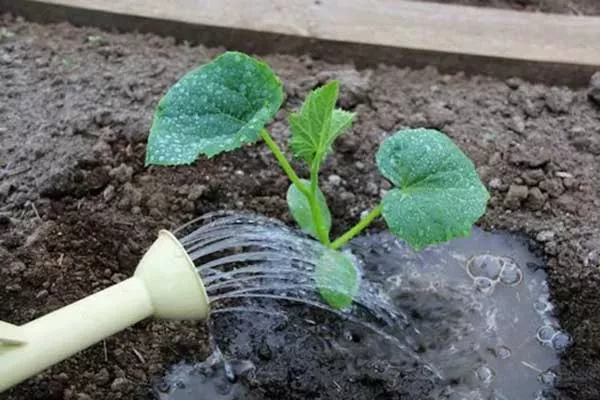
Use warm water to avoid damaging the root system. Apply it under the bush, after thoroughly loosening the soil.
Top dressing
Apply the first fertilizer two weeks after planting. The following fertilizers are suitable for this:
- Mullein infusion: 1 kg per 10 liters of water, leave for 3 days.
- Bird droppings: 1 kg per 20 liters of water, leave for 5 days.
- Ammonium nitrate: 5 g per 20 l of water.
For the second feeding, use complex mineral fertilizers such as superphosphate and potassium compounds to improve nutrient distribution and fruit development. Wood ash and spraying the bushes are very effective.
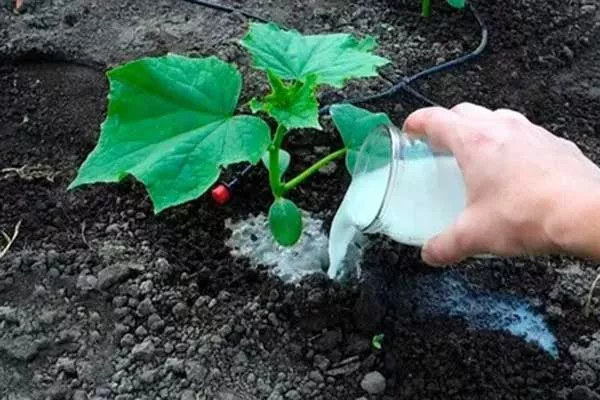
Continue fertilizing the plants as needed. If the vegetables are growing well and not wilting, additional fertilization may not be necessary. Ideally, fertilize four times per season, alternating organic and mineral fertilizers.
| Development phase | Fertilizer | Application rate | Way |
|---|---|---|---|
| 2 true leaves | Ammonium nitrate | 5 g/10 l | Under the root |
| Beginning of flowering | Potassium magnesium sulfate | 15 g/m² | Between the rows |
| Mass fruiting | Nitroammophoska | 20 g/10 l | Spraying |
| After harvesting | Superphosphate | 30 g/m² | Embedding into the soil |
Possible diseases, pests
Despite its resistance to powdery mildew, the hybrid can be susceptible to other diseases if cultivation practices are not followed. The most common are:
- Fusarium wilt. Symptoms include wilting and yellowing of leaves, which begin to dry out. The plant may die. Treatment involves using fungicides such as Previkur, Strobi, and Topsin. Disinfect the seeds and soil.
- Ascochytosis. Signs: visible gray-brown spots on leaves and stems. Over time, the leaves turn black, and the fruit becomes bitter. Treat the bushes with solutions of Bordeaux mixture, copper sulfate, and iron sulfate.
- White rot. This is accompanied by damp spots at the base of the stem, which may resemble a spider web. Causes include sudden temperature changes, cold watering, or debris from last year's plants. Treat with HOM, Ordan, or Topaz.
The plant is resistant to pests. Inspect the bushes regularly to prevent disease development.
Schedule of preventive treatments
- 3 days before sowing: seed treatment in a 1% solution of potassium permanganate (30 min)
- Phase 3 leaves: spraying with Fitosporin-M (5 g/10 l)
- Before flowering: treatment with 1% Bordeaux mixture
- After the first harvest: foliar feeding with microelements
Harvesting and storage
Store the cucumbers in a cool place for no more than 3 weeks. They are excellent for sale and cooking, for long-distance transport, and for canning for the winter.
Helpful tips:
- Store vegetables in plastic bags with small holes for ventilation or in airtight containers. This will help maintain optimal humidity levels and prevent them from drying out.
- Store vegetables in the bottom drawer of the refrigerator. This location usually has the right temperature and humidity.
- The optimal storage temperature is between 6 and 8°C. At temperatures below 4°C, the fruit may become watery and lose flavor, and at temperatures above 10°C, they begin to spoil more quickly.
- Before storing, make sure cucumbers are free of damage and signs of rot. Even small cracks can become a source of infection and spoilage.
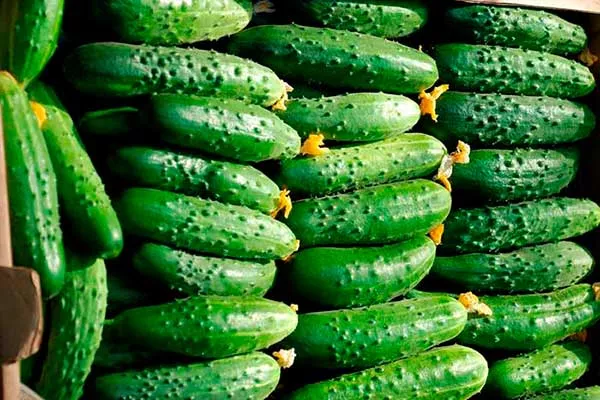
Do not store greens near fruits, especially apples and bananas.
- ✓ Harvest in the morning (before 10 am) - the fruits are the most elastic
- ✓ Use clean pruning shears - cut 1/3 of the stalk
- ✓ Storage temperature: +6-8°C (deviations no more than ±1°C)
- ✓ Relative humidity: 85-90% (controlled by a hygrometer)
- ✓ Gas environment: 3-5% CO₂ (for industrial storage)
They release ethylene, which accelerates ripening and spoilage.
Reviews
The Hercules cucumber attracts the attention of both novice and experienced gardeners. Its excellent productivity, disease resistance, and superb flavor make it a versatile choice for a variety of purposes. With proper care and adherence to agronomic recommendations, this crop will become a reliable and profitable addition to the garden.