
General's cucumber is part of the group parthenocarpicvarieties that can be grown both outdoors and indoors. This variety stands out for its ability to produce a yield 10 times greater than traditional cucumbers in a relatively small space. General'skiy is classified as an extremely early-ripening variety.
Introduction to the variety
A distinctive feature of the General'skiy variety is that the fruit forms on the main branch, not on the side shoots. Only after the harvest season ends do new branches begin to actively form on the central shoot.
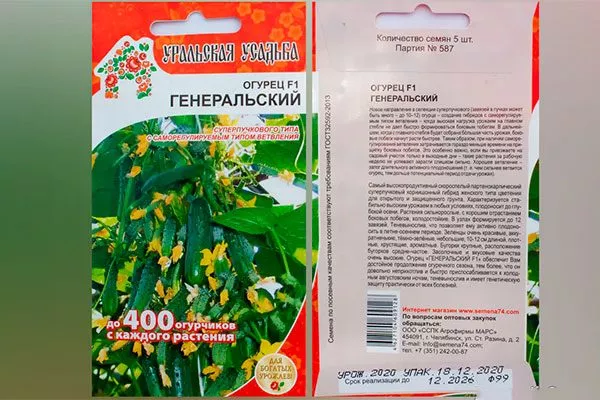
This hybrid belongs to the gherkin type and is resistant to less-than-ideal weather conditions. It can produce fruit even in low-light conditions, allowing for a harvest even in the fall. Thanks to its strong immunity, General'skiy is protected from many common diseases.
External data
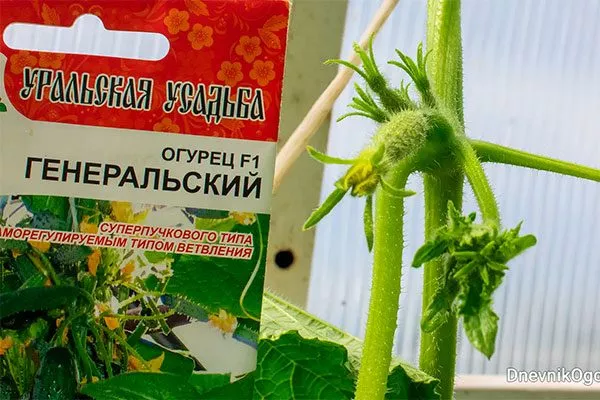
The bush is characterized by rapid growth, with the central vine reaching 200 cm in height. This variety of cucumbers is self-regulating in terms of branching. As the main vine develops and the cucumbers mature, side branches not only fail to appear, but even if they do form, they develop extremely slowly.
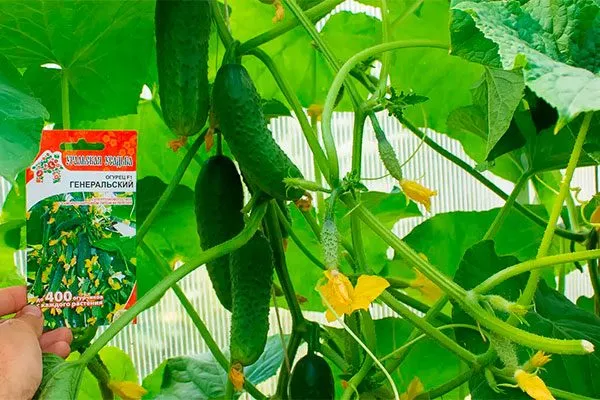
Secondary vines take up a considerable amount of space. Therefore, growers recommend planting one or two seedlings per square meter. The stems of this variety produce leaves at a moderate rate.
Other varietal characteristics:
- The flowers of the hybrid are exclusively female; they appear in groups in the axils of the leaves.

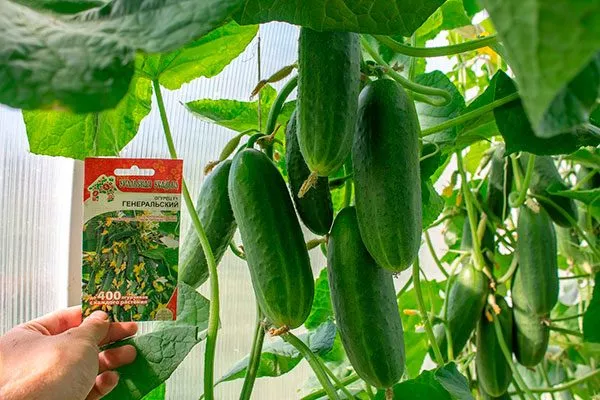
- This new generation variety is super-bunchy – if agricultural practices are followed, up to 10-12, and sometimes even more, cucumbers can form in one node.
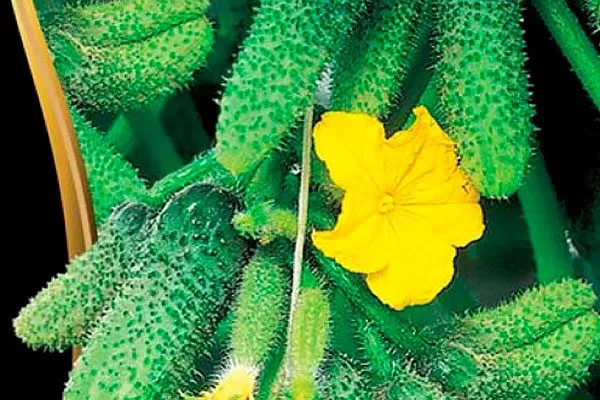
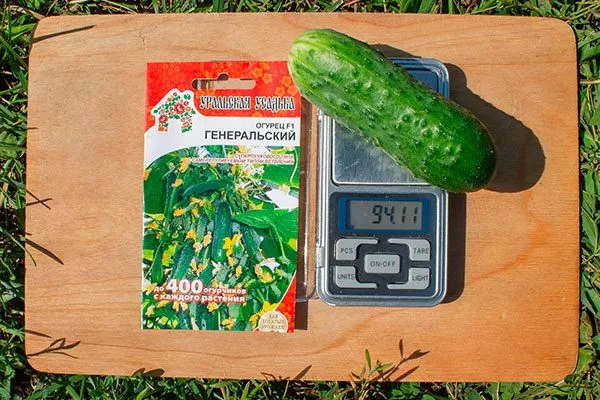
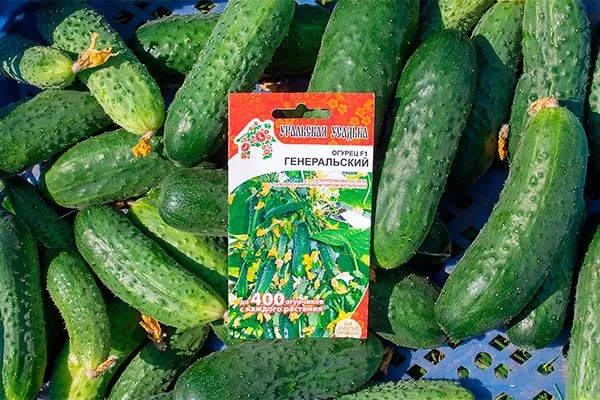
- The fruits are uniform in shape and have weakly defined ribs. At maturity, they reach a length of 9 to 13 cm, a diameter of up to 3 cm, and weigh 70 to 90 g.
- During the period of root formation, cucumbers exhibit intense dark green pubescence and numerous small bumps. As time passes and the fruit grows in size, the "swellings" on its surface become more noticeable.
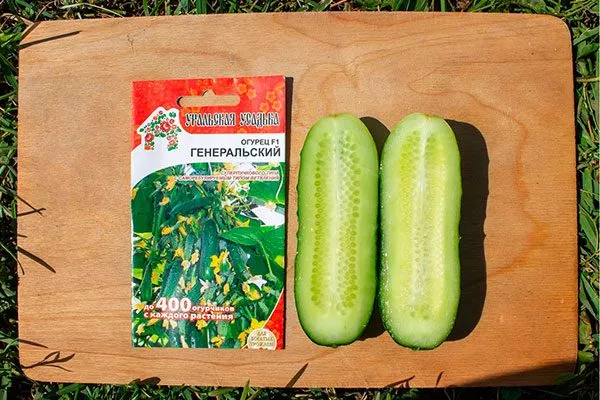
- The pulp is dense and crispy, free of voids, and has a creamy-green hue with a small, elongated seed chamber.
Taste characteristics, purpose
General'skiy cucumbers are characterized by their aromatic, delicate juice and exquisite flavor. Adherence to proper cultivation practices prevents the formation of hollows in the fruit, and their non-bitterness is considered innate. These cucumbers are not only eaten raw but are also widely used in various pickles and preserves.
This variety is a real all-rounder:
- Ideal for fresh salads and slicing, thanks to its small, unformed seeds;
- It is used for pickling, since the large number of tubercles and the soft structure of the pulp help the vegetables to quickly soak in brine;
- Young green cucumbers are ideal for gherkin canning, assorted salads, and whole-fruit pickling.
Origin
Breeders from the Russian agro-industrial company "Uralskiy Dachnik" have developed a new cucumber variety – Generalskiy. The date of its creation has not been disclosed.
Main characteristics of the variety
This shade-tolerant plant easily resists most diseases and pests, tolerates weather changes, and has excellent characteristics, which is why it is valued not only by consumers but also by gardeners.
Productivity
Experts classify the General'skiy f1 cucumber as a super-bunch variety, which guarantees its high yield: from one square meter of land, a gardener can create a veritable cucumber fest, harvesting up to 40 kg of these green fruits. The average yield is 35 kg. A distinctive feature of this variety is that several cucumbers on each branch ripen simultaneously.
When to harvest?
You can enjoy the first General'skiy cucumbers as early as early summer. This early-ripening variety is distinguished by its long fruiting period: outdoors, it produces fruit until late autumn, and in a greenhouse, even longer.
Resistance to pests and diseases
This variety is resistant to various pathogens and insects, including fungal infections. However, it's important to regularly check the bushes for pests such as aphids and spider mites, which can damage the plants, reducing their yield.
Required climate and growing regions
General'skiy is distinguished by good winter hardiness, which allows it to be grown both in the southern and in colder regions (also varieties for cold regions). In northern regions, to achieve maximum yield, it is recommended to grow cucumbers in greenhouse conditions.
Pros and cons of the variety
General's is popular among gardeners due to a number of exceptional qualities:
But there are also disadvantages:
Growing rules
To harvest early, it's recommended to use the seedling method when growing the General'sky variety. To begin sowing directly in an open bed, sow the seeds directly into the soil. In temperate and Siberian climates, pre-germination of the planting material is preferable. Read more about growing cucumbers in a greenhouse. here.
Sowing dates
To begin growing seedlings, seeds are planted in individual pots in early May, or in the third ten days of April for greenhouses. At a temperature of 23-24 degrees Celsius, the seeds will germinate within a week. In greenhouses, cucumbers are planted in soil from mid-May, and in open ground at the end of that month or early June.
Selecting and preparing beds
Raised, warm, and nutrient-rich beds enriched with compost or humus promote faster cucumber growth and maintain their health. They should be placed in a sunny location and protected from cold northern winds.
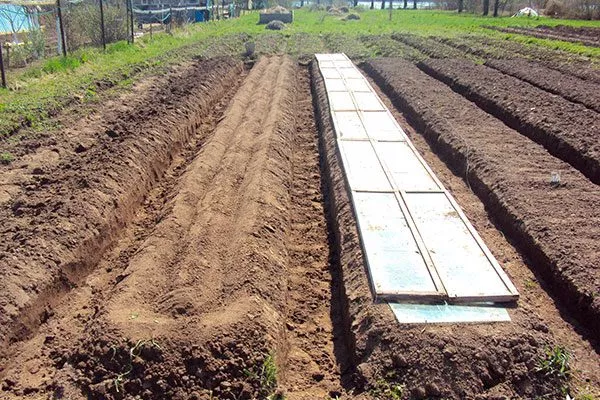
When preparing a garden bed, add the following components to the top 10 square meters of soil:
- 500 g charcoal;
- 250 g nitrophosphate;
- 250 g of single Superphosphate.
The use of phosphorus compounds helps to increase the number of fruit ovaries.
How to plant correctly?
Regardless of the cultivation method, place 2-3 seeds in each hole, planting them 1.5-2 cm deep. Cover the seedling pots with plastic wrap, fertilize regularly, and monitor humidity.
The landing procedure is standard, but it is important to pay attention to some subtleties:
- The depth of the holes for planting cucumber seedlings should be slightly greater than the height of the containers in which they grew.
- To speed up development, it is recommended to place two plants per 1 sq. m.
- A gap of 45-55 cm should be left between plants and rows.
- Before transferring seedlings from containers, they must be watered to easily remove lumps of soil without damaging the fine roots.
- Two days after planting, the plants should be secured to supports.
Aftercare of cucumbers
Caring for the General's cucumber isn't difficult, but it does require a serious approach. Key aspects of caring for the General's cucumber include the following:
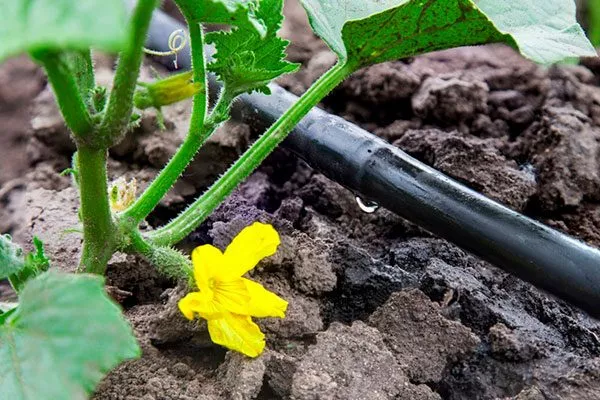
- Like all cucumbers, General'skiy F1 thrives in moisture and requires regular watering—on average, once a week. Insufficient water can cause the leaves to dry out. It's recommended to use water at a temperature of around 26-28 degrees Celsius.
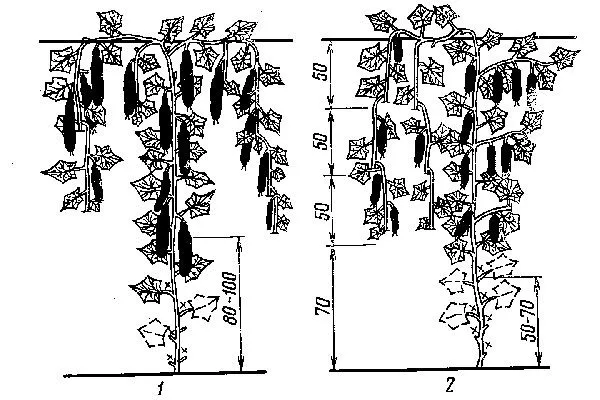
Experts recommend watering in the morning, or, at worst, in the evening, once the heat has passed. To avoid root damage, use drip irrigation. During cold periods or during rain, watering should be reduced to prevent root rot due to excess moisture. - The process of forming the vines begins before replanting, when flower buds are already appearing in the axils. The cucumber vines are tied to a support. All leaves on the first vine, starting with the fifth, should be removed.
At a height of up to 55 cm, remove the lateral branches from the top, while leaving the second-order stems from the very bottom. Remove the leaves at each node, leaving only one. - After the first flush of flowering, pinch off the cucumber's lateral shoots, starting with the second leaf or, if the plant is tall, the third. When the cucumber reaches two meters in height, the top should be trimmed. Most care for the plant is carried out in a greenhouse; this approach is rarely used outdoors.
- To maintain the health and development of cucumbers feed Once a week from the moment of planting. When the first flowering period begins, feeding should be increased to stimulate the emergence of a second wave of buds.
A variety of natural ingredients can be used as fertilizer, including:- wood ash;
- yeast;
- onion peel;
- chicken droppings.
Diseases and parasites
Created using modern technology, the General'skiy F1 hybrid boasts high resistance to various diseases. However, despite this, cases of infection do occur. What to watch out for:
- Ascochytosis. This is an extremely dangerous disease that can affect both seedlings and mature plants. Characteristic symptoms include the appearance of white or brown spots on the leaf margins, as well as blackening of the fruit.
- Cladosporiosis. This disease affects young cucumber fruits, causing them to become distorted and develop numerous dark brown spots.
- Powdery mildewThis fungus appears in conditions of prolonged, damp and cold summers.
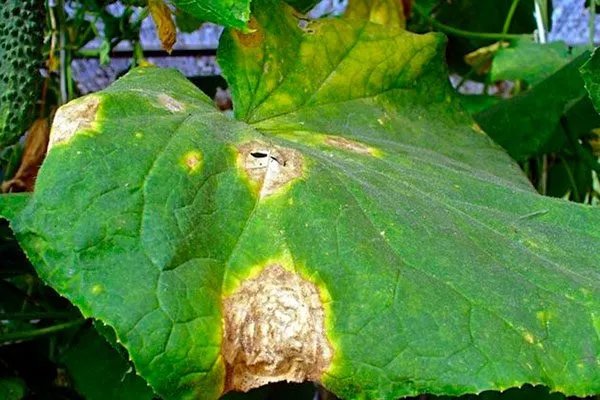
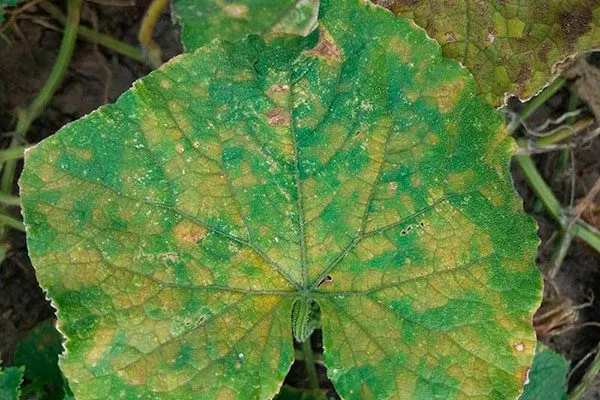
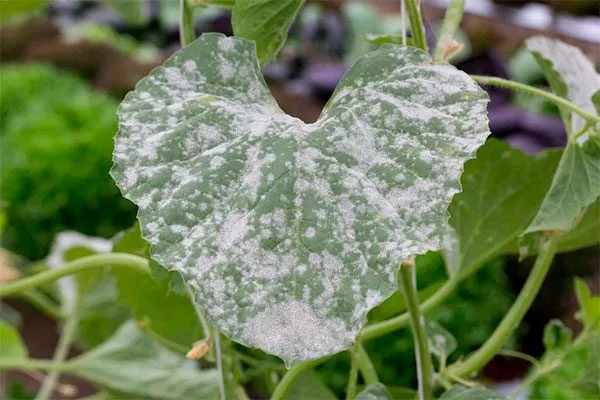
To avoid infection, preventative measures are essential. It's crucial to strictly follow crop rotation rules and fertilize cucumbers promptly. Remove infected leaves at the first sign of damage. To protect plants, treat with copper sulfate or specialized chemicals.
Harvesting and storage
It's best to harvest cucumbers in the morning, when they're more resistant to damage. The harvesting process should be careful and efficient:
- Holding the stem with your thumb or using a pruning knife.
- Avoid shaking or turning the cucumber plant, as it is fragile and easily damaged when picking the fruit.
- Immediately pick any malformed or diseased cucumbers from the bush so as not to interfere with the growth of healthy cucumbers.
- The final harvest occurs after the first frost.
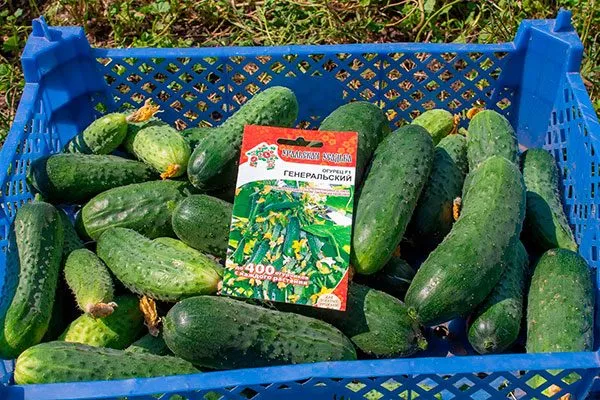
Cucumbers of any variety quickly lose their flavor and commercial qualities, wither, and spoil. They can be stored at temperatures between 7 and 14 degrees Celsius for no more than 12-16 days. Cucumbers that have been stored for a while are no longer suitable for canning.
Reviews of the General'skiy F1 cucumber
The General'skiy cucumber is a high-yielding variety with female flowers, representing a new development in this crop's breeding. This super-bunchy variety will only reach its full potential with strict agricultural practices: regular watering, nitrogen nutrition, and proper training. The uniform green cucumbers are in demand both fresh and canned.